
The First Lens to Buy After Your Kit Lens — and the One Spec That Decides Whether It Fits
A kit lens is designed to be adequate at everything and excellent at nothing. Here are six upgrades that visibly change your photographs, what each one is actually for, and the mount trap that catches people out before the box is even open.

We link to the exact model on Amazon UK. Prices change often, so check the live price before you buy. As an Amazon Associate we earn from qualifying purchases.
Almost every interchangeable-lens camera is sold with a kit zoom — an 18-55mm, a 14-42mm, something in that shape. It is a genuinely clever piece of engineering: light, cheap, and competent from a wide-ish view to a short portrait length. What it is not is bright. Kit zooms typically open to f/3.5 at the wide end and close to f/5.6 or f/6.3 by the time you have zoomed in, and that single number is the reason indoor photographs look noisy, why backgrounds stay distractingly sharp, and why the camera keeps choosing shutter speeds that blur a moving child.
Replacing it is the upgrade that changes photographs. Replacing the body mostly changes specifications.
Read this before you spend anything
A lens has to physically fit your camera, and the mount is not the only thing that has to match. There are three traps.
The mount itself. Canon RF and RF-S, Nikon Z, Sony E, Micro Four Thirds — these are not interchangeable and no adapter makes a Nikon Z lens work on a Canon body. Check the mount printed on your camera before anything else.
Sensor size within a mount. This is the one that catches people. Canon's RF-S lenses and Nikon's DX lenses are built for smaller APS-C sensors. Fit an RF-S lens to a full-frame Canon body and it will mount, but the camera crops the image and you lose most of your megapixels. It works the other way round without penalty: a full-frame RF or Z lens on an APS-C body is fine, just heavier and more expensive than it needed to be.
Crop factor changes the focal length. On a Canon APS-C body the crop factor is 1.6x, so the RF-S 10-18mm behaves like a 16-29mm lens would on full frame. On Micro Four Thirds it is 2x. A "50mm" is only a 50mm on the format it was designed for, and this is why a 50mm prime is a flattering portrait length on full frame but a slightly awkward one on APS-C.
The short version: match the mount, then match the sensor size, then read the focal length as if multiplied by your crop factor. Get those three right and the rest of this guide is about taste and budget.
The six at a glance
| Lens | Mount / format | Amazon | Elsewhere | Weight |
|---|---|---|---|---|
| Sony FE 55mm f/1.8 ZA | Sony E, full frame | £499 | from ~£572 | 281 g |
| Nikon Z 28-75mm f/2.8 | Nikon Z, full frame | £635 | £949 launch RRP | 565 g |
| Canon RF-S 18-150mm IS STM | Canon RF-S, APS-C | £469 | from ~£464 | — |
| Canon RF-S 10-18mm IS STM | Canon RF-S, APS-C | £279 | from ~£264 | ~150 g |
| Nikon Z 50mm f/1.4 | Nikon Z, full frame | £449 | from ~£390 | ~420 g |
| Nikon Z 24-120mm f/4 S | Nikon Z, full frame | £849 | from ~£749 | 630 g |
Amazon prices checked 1 September 2026. "Elsewhere" is the lowest widely listed UK price found on the same date, or the launch RRP where that is the more useful comparison. A dash means the manufacturer does not publish the figure in a comparable form.
The six upgrades, in detail
Sony FE 55mm f/1.8 ZA
£499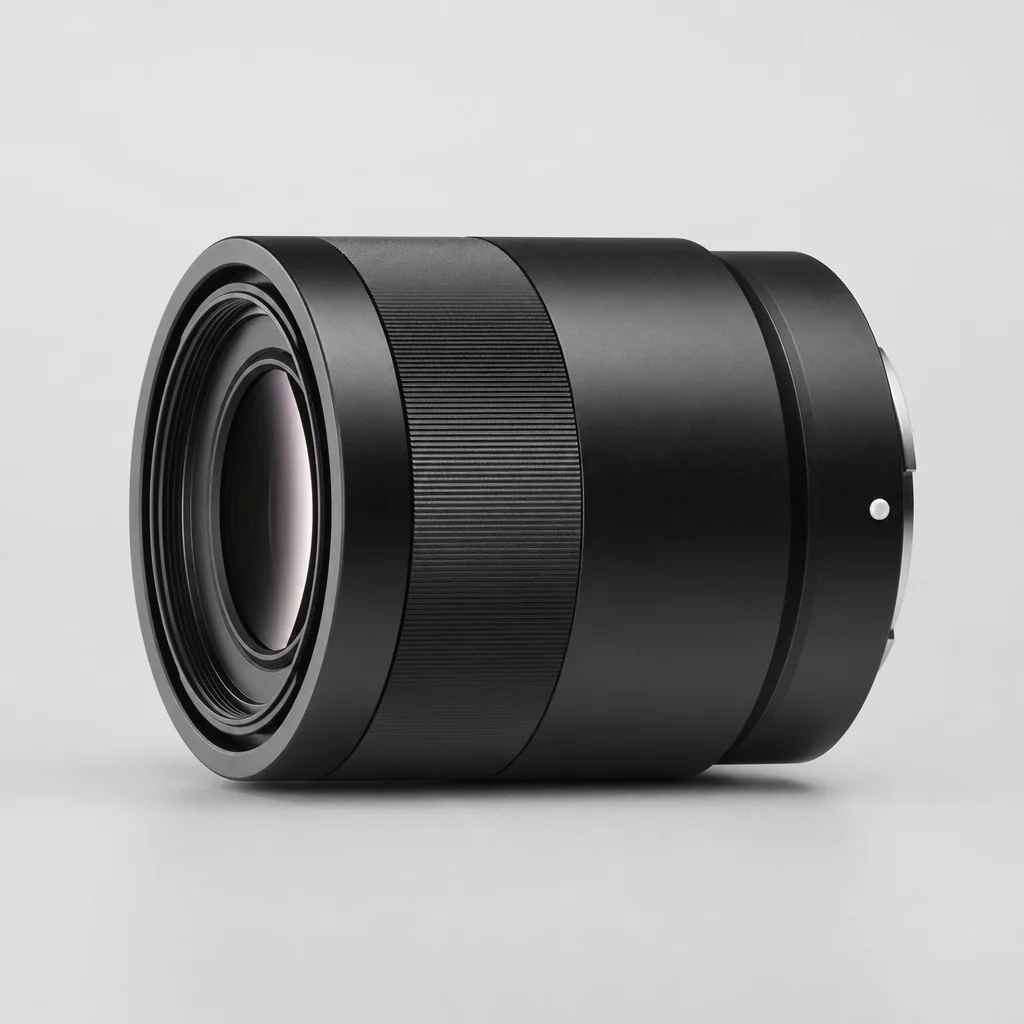
This is the lens that makes the argument for primes. A kit zoom at 55mm is typically down to f/5.6; this opens to f/1.8. That is roughly two and a third stops, which in practice means the camera can use a shutter speed about five times faster in the same light — the difference between a sharp photograph of someone moving indoors and a smeared one.
The second thing it buys is separation. At f/1.8 the background falls away, which is why portraits taken on a fast prime look different from portraits taken on the lens that came in the box, regardless of how good the camera is. Zeiss designed the optics and it carries the Sonnar T* coating, and at 281g it is light enough to leave on the camera permanently.
The limitation is honest: it does not zoom. On a full-frame body 55mm is a natural, slightly tight standard view — excellent for people and street, awkward for landscapes and useless for anything distant. That is the trade you are making.
Nikon Z 28-75mm f/2.8
£635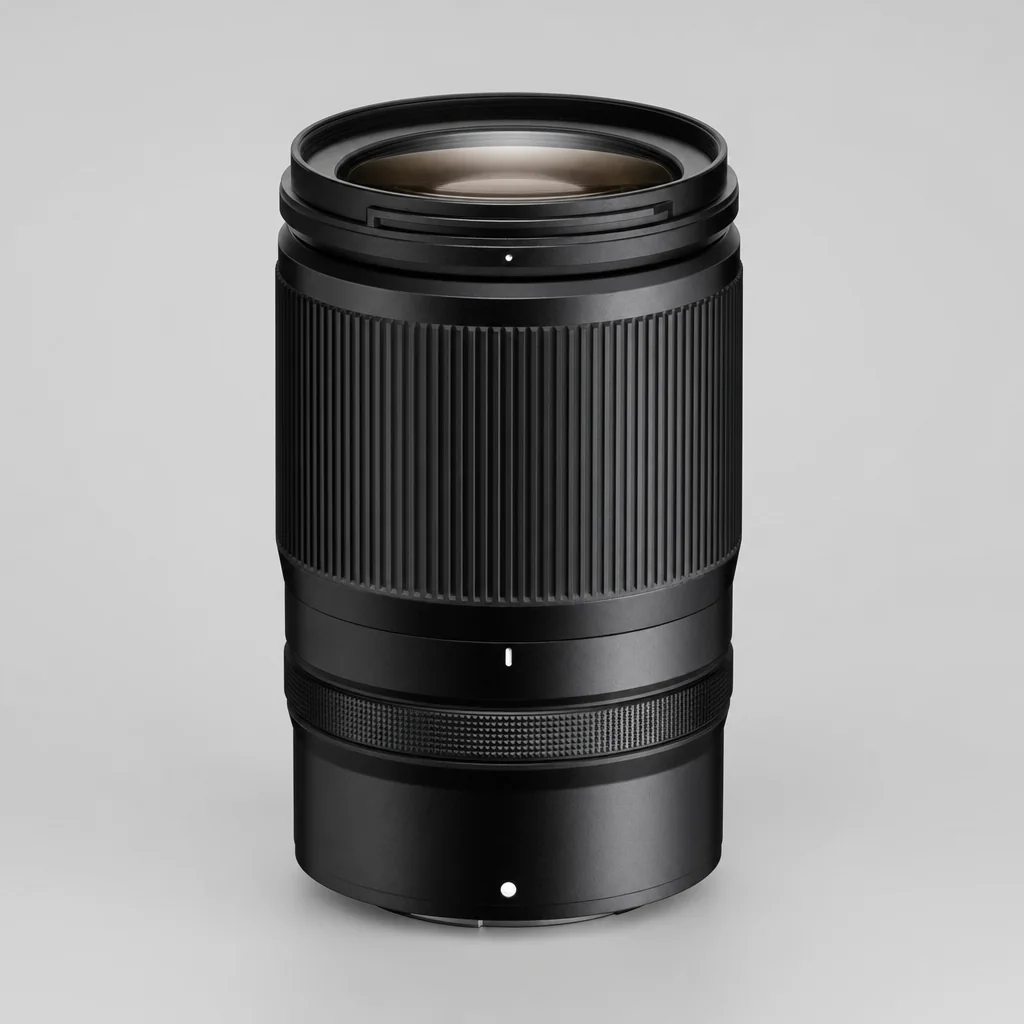
If the prime's fixed focal length is the sticking point, this is the alternative: a zoom that covers roughly the same range as a full-frame kit lens but holds f/2.8 across the whole of it. Constant aperture is the specification that matters here. A kit zoom gets dimmer as you zoom in, so the exposure changes as you frame; this does not, which makes it far more predictable and considerably more capable at the long end.
At 565g it is nearly double the weight of the Sony prime and it is a physically substantial lens at 120.5mm long before you zoom. That is the cost of constant f/2.8 across a zoom range, and no manufacturer has found a way round it.
Canon RF-S 18-150mm F3.5-6.3 IS STM
£469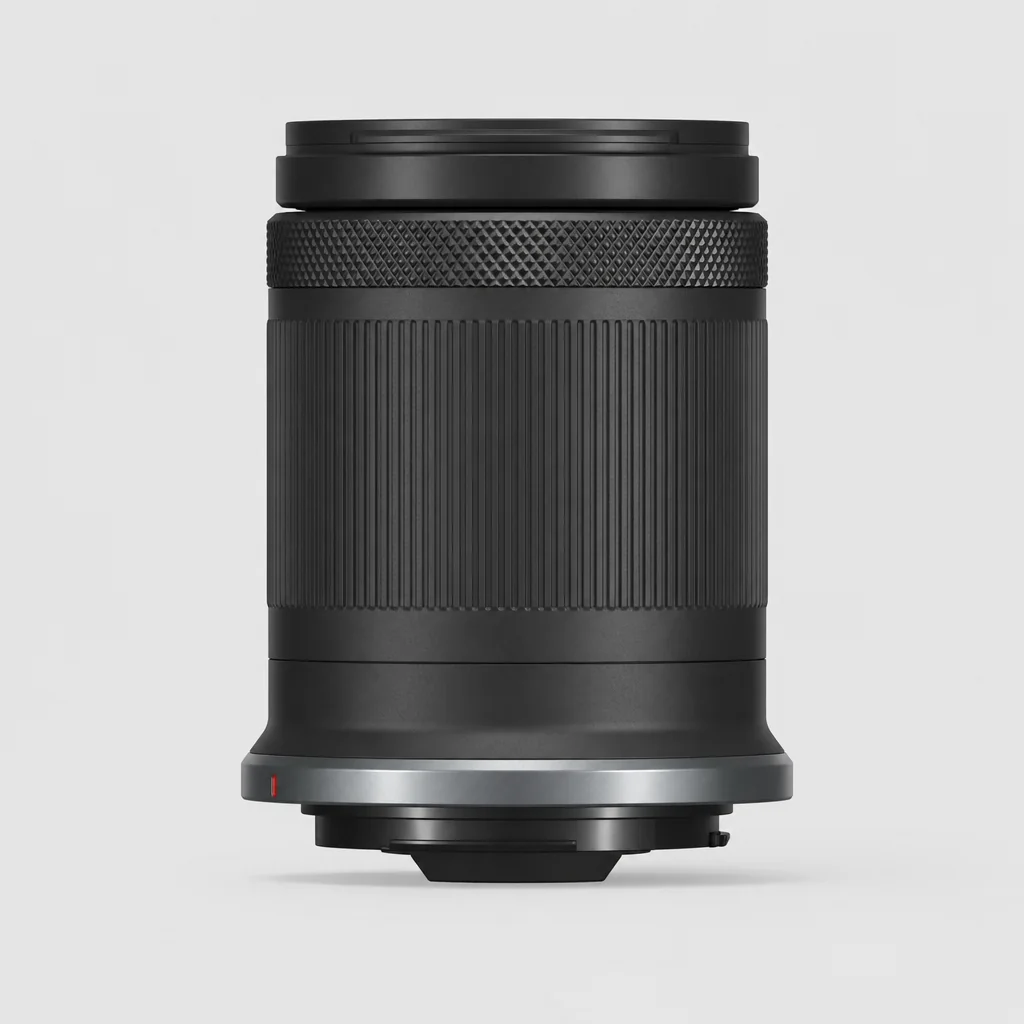
Not every upgrade is about aperture. If you own an EOS R50, R10 or R100 and the frustration is reach rather than light, this covers a 1.6x crop equivalent of 29-240mm from one barrel — wide enough for a street and long enough for a stage or a distant animal. It replaces both the kit zoom and the telephoto you would otherwise carry.
Be clear about what you are not getting. The maximum aperture drops to f/6.3 at the long end, which is dimmer than the kit lens it replaces, so this is a daylight and good-light lens. It buys convenience and reach, not low-light ability. The optical stabilisation helps with camera shake, which is a different problem from a moving subject.
Canon RF-S 10-18mm F4.5-6.3 IS STM
£279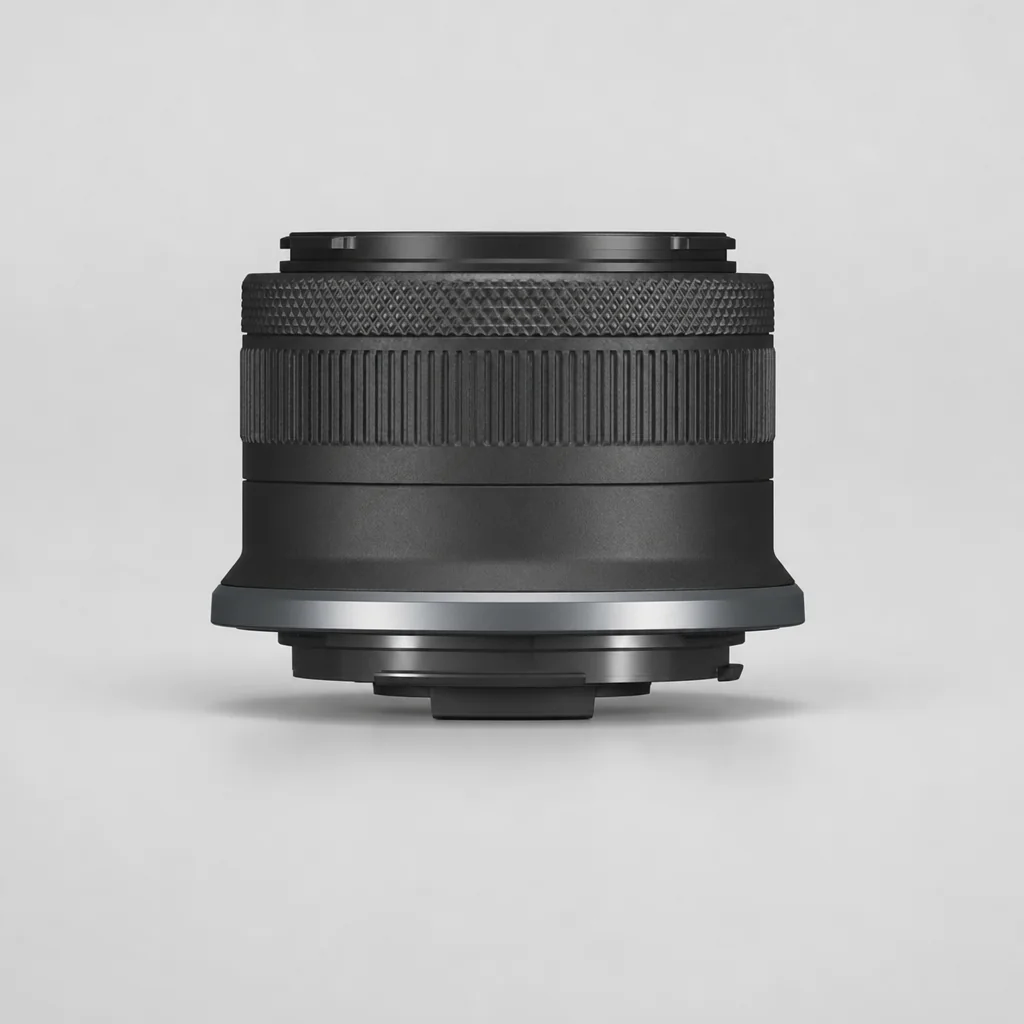
The cheapest lens here and, for a particular kind of photographer, the one that changes the most. A kit zoom starts at 18mm, which on APS-C is a 29mm-equivalent view — wide-ish, but not wide enough to fit a room, a church interior, or the whole of a building you are standing in front of. This starts at a 16mm equivalent, and the difference is not subtle.
At around 150g it is remarkably light for an ultra-wide, and it is stabilised, which matters because ultra-wides get used indoors where light is short. The trade is aperture again: f/4.5 at its widest is not bright, so this is a lens for tripods, daylight and static subjects rather than a low-light tool.
Nikon Z 50mm f/1.4
£449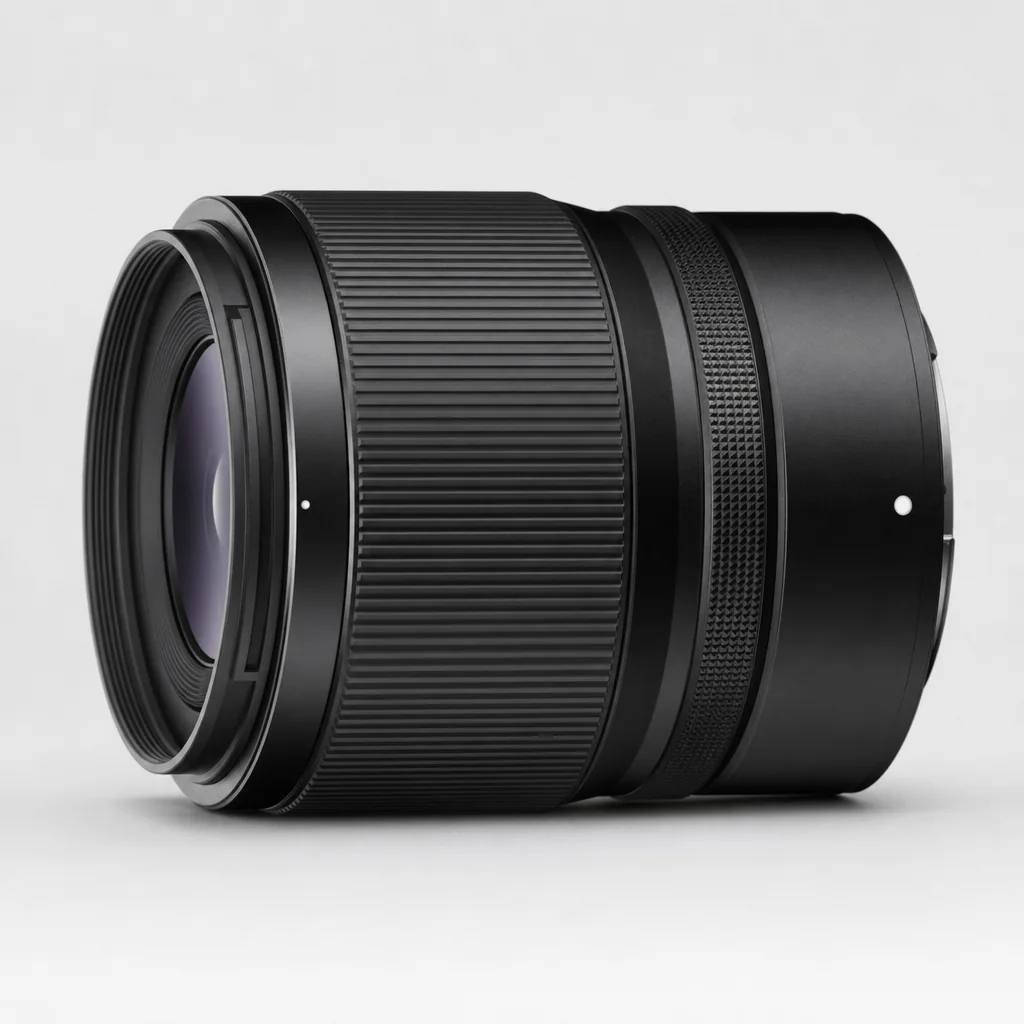
The Nikon Z equivalent of the Sony argument, and it goes a stop further: f/1.4 rather than f/1.8. On a full-frame Z body a 50mm is the classic standard lens — roughly what your eye picks out of a scene — and at f/1.4 it will photograph a candlelit room without the camera reaching for an unusable ISO.
It is heavier than the Sony at around 420g, which is the price of the extra stop. Note also that Nikon's Z line has a separate, more expensive S-line 50mm; this is the more affordable of the two and the sensible starting point.
Nikon Z 24-120mm f/4 S
£849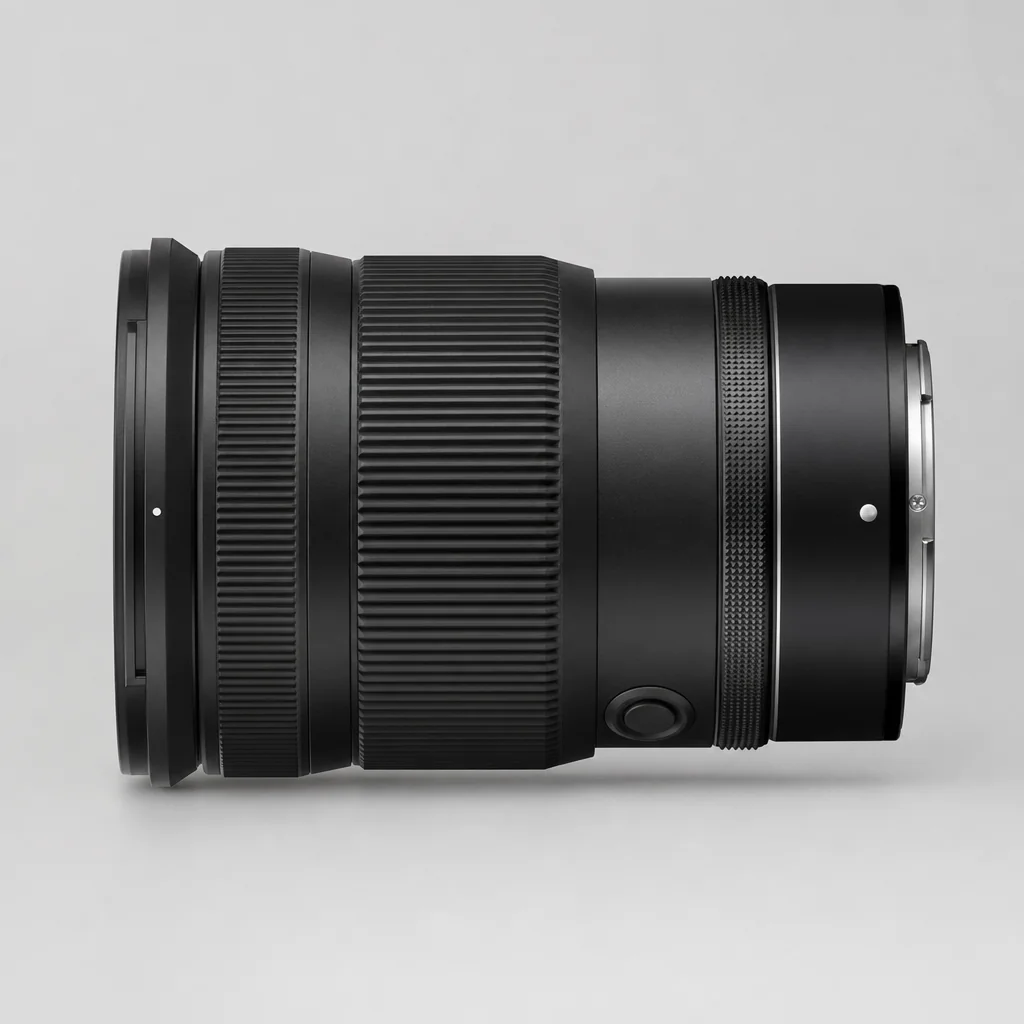
Nikon's S-line designation marks its higher optical tier, and the 24-120mm is the lens a lot of Z owners end up leaving on the camera permanently. A five-times zoom range from usefully wide to genuine short telephoto, at a constant f/4 — not as bright as the 28-75mm f/2.8, but a stop brighter than a kit zoom at the long end and covering considerably more ground.
At 630g and 118mm it is the largest lens here. That is the honest trade for the range, and it is the reason people who own both this and a small prime tend to carry the prime when they are not working.
No camera yet? Start here instead
Olympus OM-D E-M10 Mark IV kit
£522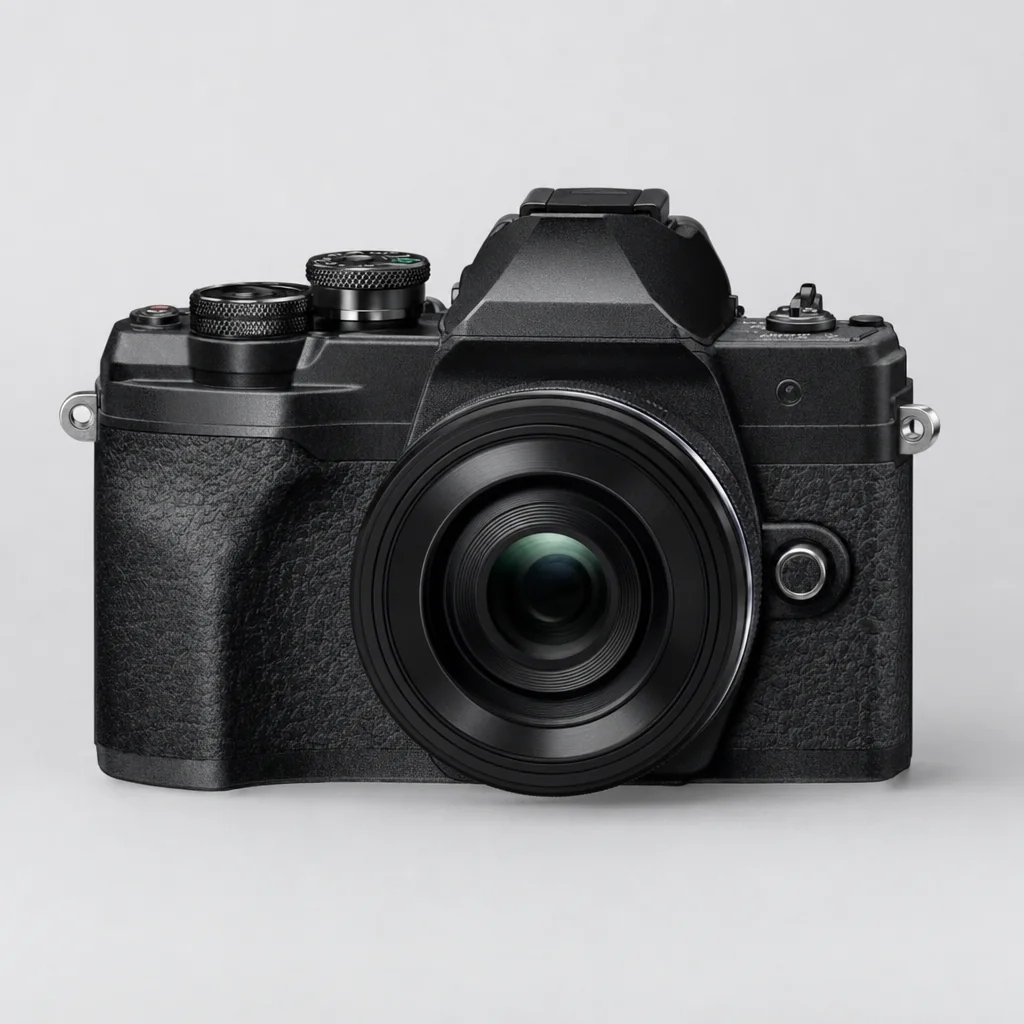
Everything above assumes you already own a camera. If you do not, the arithmetic is different, and this is the listing worth knowing about: the E-M10 Mark IV as a kit with a lens is currently around £522, while the body on its own has been listed from about £699 at UK retailers. Buying the kit and selling nothing is cheaper than buying the body alone.
It is a 20.3-megapixel Micro Four Thirds camera with in-body stabilisation and 4K video, and the format is the reason it is small: the crop factor is 2x, so lenses are physically tiny compared with full-frame equivalents. The counterpart is that a smaller sensor gathers less light and gives less background separation at the same aperture, which is the trade-off the whole format is built around.
Two caveats worth stating plainly. Olympus cameras are now made by OM Digital Solutions rather than Olympus, and UK stock of this generation is thinning — check availability before setting your heart on a colour.
Which direction should you go?
Three upgrades, three different problems. Work out which one you actually have before spending.
Your indoor photographs are noisy or blurred
You need aperture, which means a prime. The Sony 55mm f/1.8 or the Nikon Z 50mm f/1.4 are the answers here, and nothing else in this guide is. A stabilised zoom does not solve this: stabilisation counteracts your hand shake, not a subject who is moving. Only a shorter shutter speed does that, and only a brighter lens allows one.
Backgrounds are cluttered and everything looks flat
Also aperture, for a different reason. A wide aperture throws the background out of focus and separates your subject from it. This is the single most recognisable difference between a snapshot and a photograph that looks deliberate, and it is why a £449 prime on a modest body beats an expensive body with a kit zoom for portraits.
You keep not fitting things in, or not getting close enough
This is a focal-length problem, not a light one, and the answer is a zoom: the RF-S 10-18mm if the frame is too small, the RF-S 18-150mm or Z 24-120mm if things are too far away. Buying a fast prime will not help and will make the problem worse, because a prime cannot move.
Four things to check before you order
- The mount and the format. Covered above, and it is the mistake that costs the most. RF-S and DX lenses are for APS-C bodies; fitting one to a full-frame camera crops your image and wastes the sensor you paid for.
- Whether your body has stabilisation. If it does not — and many entry-level bodies do not — a lens with its own optical stabilisation matters far more. Both Canon RF-S zooms here carry optical IS. Nikon does not list optical VR for either Z lens in this guide, so on those you are relying on whatever the body provides — worth checking before you assume you are covered.
- Filter thread size. If you already own filters, check the diameter. The Sony 55mm takes 49mm, which is unusually small and means most filter sets will not fit it without a step ring.
- The used market. Lenses hold value and outlast bodies by a decade or more. A used copy from a dealer with a warranty is often the sensible purchase, particularly for the older designs here. Buying used privately without a return window is where people get caught.
Questions people actually ask
Should I upgrade the lens or the camera first?
The lens, in almost every case. A new body brings more megapixels, faster autofocus and better video, all of which are real but none of which change how a photograph looks. A brighter lens changes how it looks immediately. Bodies also depreciate hard; lenses barely do.
Is a prime really worth losing the zoom?
It depends entirely on whether you can move. If you photograph people in rooms, you can step forward and back, and the prime wins on brightness and image quality for the money. If you photograph from a fixed position — a school hall, a touchline, a stage — a zoom is not a compromise, it is a requirement.
What does f/1.8 actually mean in practice?
Each full stop doubles the light reaching the sensor. Going from a kit lens at f/5.6 to a prime at f/1.8 is about two and a third stops, so roughly five times more light. In a dim room that is the difference between the camera choosing 1/15th of a second, which blurs anything that moves, and 1/80th, which does not.
Are third-party lenses worth considering?
Often yes, and Sigma and Tamron in particular make well-regarded lenses for several of these mounts at lower prices. They are outside the scope of this guide because none appeared in the promotion it was drawn from, which is a limitation of the list rather than a judgement about the lenses.
Why is Amazon more expensive than the camera shops here?
Because specialist camera retailers compete hard on lens pricing and Amazon's listings often come from third-party sellers rather than Amazon itself. It is not universal — the Sony 55mm here is genuinely cheaper — but on lenses specifically it pays to check a comparison site every time.
Where this leaves you
If you own a full-frame Sony and photograph people, the FE 55mm f/1.8 ZA at £499 is both the strongest upgrade here and the only one currently cheaper on Amazon than elsewhere. That combination makes it the pick of this guide.
For Nikon Z owners, the honest advice is to buy the Z 28-75mm f/2.8 at £635 if you want one lens for everything, or the Z 50mm f/1.4 if low light is the problem — but buy the 50mm from whoever is charging £390 rather than £449.
For Canon APS-C, the two RF-S zooms solve opposite problems and both sit at roughly the going rate. Decide whether your frustration is that things are too far away or that they will not fit, and buy accordingly.
And if you have no camera at all, the Olympus OM-D E-M10 Mark IV kit at £522 costs less than its own body does separately, which is the kind of pricing anomaly worth acting on while it lasts.
GadgetScout earns a commission on purchases made through the links above. It does not affect the price you pay, and it did not decide which lenses appear here — one was removed from this guide for being priced well above the going rate.
 Olympus OM-D E-M10 Mark IV kitView on Amazon
 Sony FE 55mm f/1.8 ZA — £499View on Amazon
 Nikon Z 28-75mm f/2.8View on Amazon
 Canon RF-S 18-150mm IS STMView on Amazon
 Canon RF-S 10-18mm IS STMView on Amazon
 Nikon Z 50mm f/1.4View on Amazon