Bose Lifestyle Ultra Soundbar First Look: is Sonos finally under threat?
Bose's new flagship bar promises cinema sound from one tidy box, with a wireless upgrade path when you want more. We weigh the published evidence against Sonos and Samsung.

Black Friday week is on at Amazon until 30 November. See Amazon's deals
Slim, premium bar with AirPlay 2, Google Cast, clear dialogue and very low eARC latency, though Sonos offers wider standalone Atmos.
Check price on AmazonWe link to the exact model on Amazon UK. Prices change often, so check the live price before you buy. As an Amazon Associate we earn from qualifying purchases.
It's Friday night, the film is queued, and the explosion that should rattle the sofa comes out of your TV like someone scrunching a crisp packet. That's usually the moment people start pricing soundbars, and at around £1,000 the shortlist has long been Sonos's to lose. Bose's Lifestyle Ultra went on sale in May with a pitch that's hard to ignore: one slim bar, one cable to the TV, and a wireless route to full surround later. The question is whether "simple" here means elegant or just compromised.
The short answer
If you want a stylish, low-profile bar that streams beautifully, keeps dialogue clear and plays nicely with games consoles routed through your TV, the Bose Lifestyle Ultra is a credible choice. It doesn't topple the Sonos Arc Ultra as a standalone cinema bar, though: independent lab results give Sonos the wider soundstage and steadier bass. If you own Blu-rays with DTS soundtracks or want maximum immersion straight from the box, look elsewhere. Buy the Bose for its design, streaming breadth and the option to grow into a wireless Bose cinema system over time.
First Look: Bose Bets Big on an Expandable Ecosystem
This is a researched first look rather than a review. We haven't assigned a score; instead, we've pulled together the published lab measurements and specialist reviews of this exact 2026 model (credited in full at the end) and worked out what they add up to for a UK buyer.
Bose announced its Lifestyle Collection in the UK on 5 May 2026, and the soundbar went on sale on 15 May 2026 with a launch RRP of £999.95. It replaces the Smart Ultra Soundbar from 2023, which itself succeeded the Smart Soundbar 900. Bose's stated goal for the new model was a wider soundstage, deeper and fuller bass and greater clarity than its predecessor.
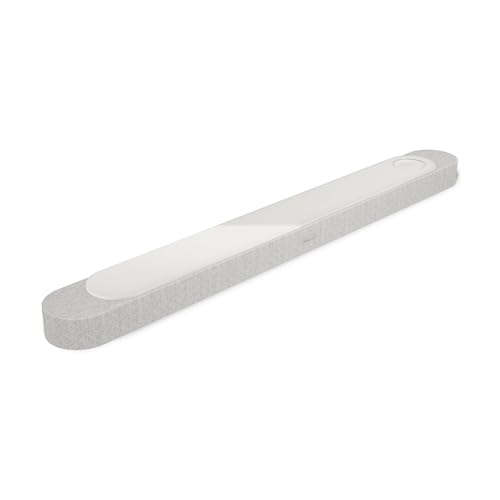
The collection is really three products. Alongside the bar sit the Lifestyle Ultra Subwoofer and the Lifestyle Ultra Speaker, which doubles as a standalone smart speaker or a wireless rear channel. The version covered here is the bar on its own, in the White Smoke finish (a Black version is also sold). That matters, because much of the excitement around Bose's new system depends on the extras.
The real question for UK buyers
Can a wireless-first, one-cable soundbar deliver cinema immersion to rival the Sonos Arc Ultra and Samsung's boxed HW-Q990F system? Or does the tidy setup come at the expense of the scale and flexibility that £999.95 ought to buy? The evidence points to a nuanced answer: strong on everyday living-room duties, more modest on big-screen spectacle unless you keep spending.
Bose Lifestyle Ultra: Inside the Bar, What Bose Actually Built
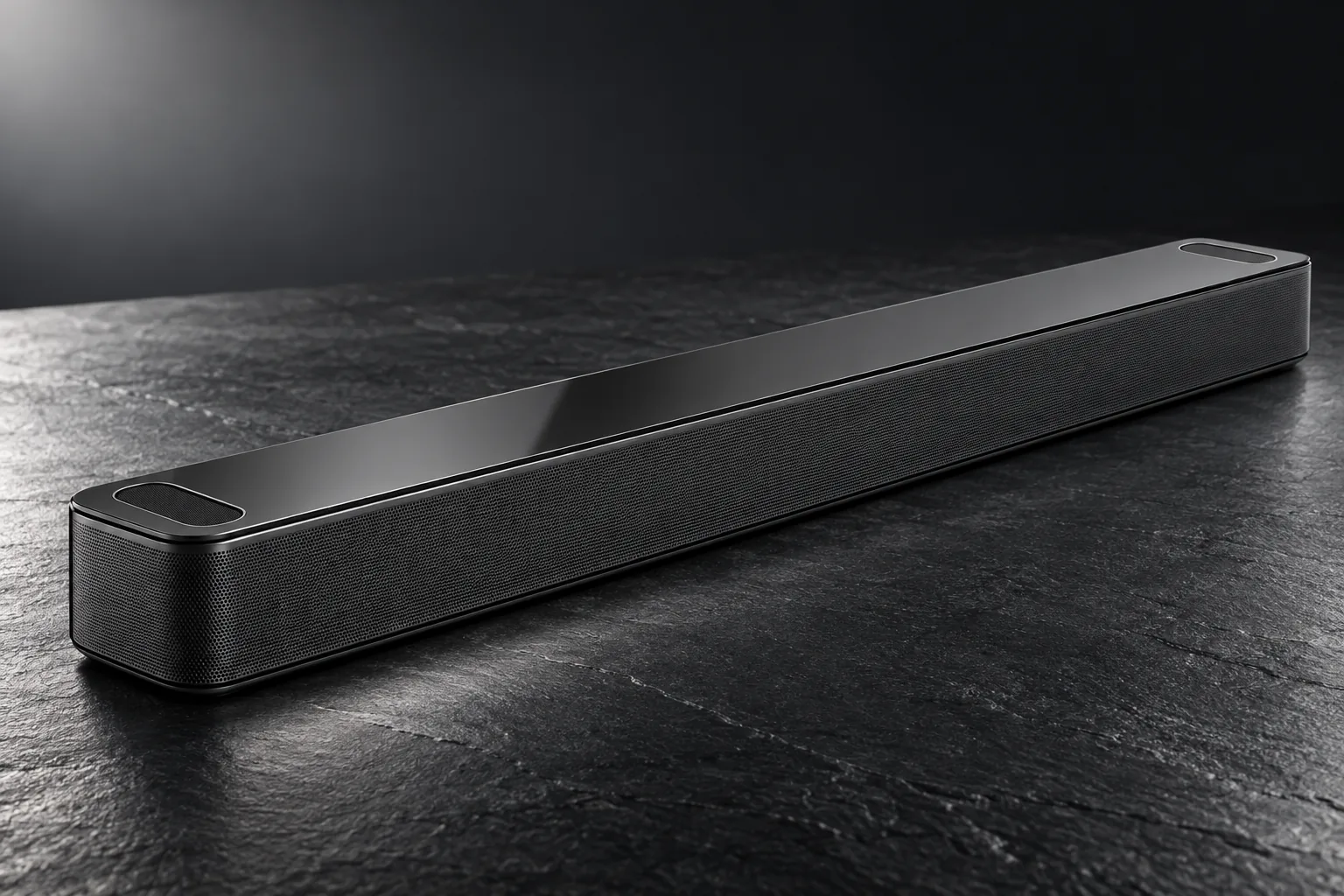
On its own, the bar runs a 5.1.2-channel layout. There are nine drivers in total: six full-range units (four facing forward, two firing upwards to bounce height effects off your ceiling), a dedicated centre tweeter for dialogue and two of Bose's PhaseGuide drivers, which are designed to steer sound sideways and make the soundstage feel wider than the cabinet.
Check today's price: Bose Lifestyle Ultra on Amazon UK
Bose layers its own processing on top of Dolby Atmos decoding. CleanBass manages low-frequency output from a bar with no separate subwoofer, SpeechClarity lifts voices, and CustomTune calibrates the sound to your room using your phone and the Bose app. Supported audio formats are Dolby Atmos and LPCM.
The physical numbers tell their own story. At roughly 1105mm wide it suits TVs from around 50 inches upwards, yet at just 67mm tall it's notably low for a flagship Atmos bar. Bose's own figure is about 6.5kg for the speaker alone; other published figures put it nearer 6.7kg, a difference down to how each source weighs it.
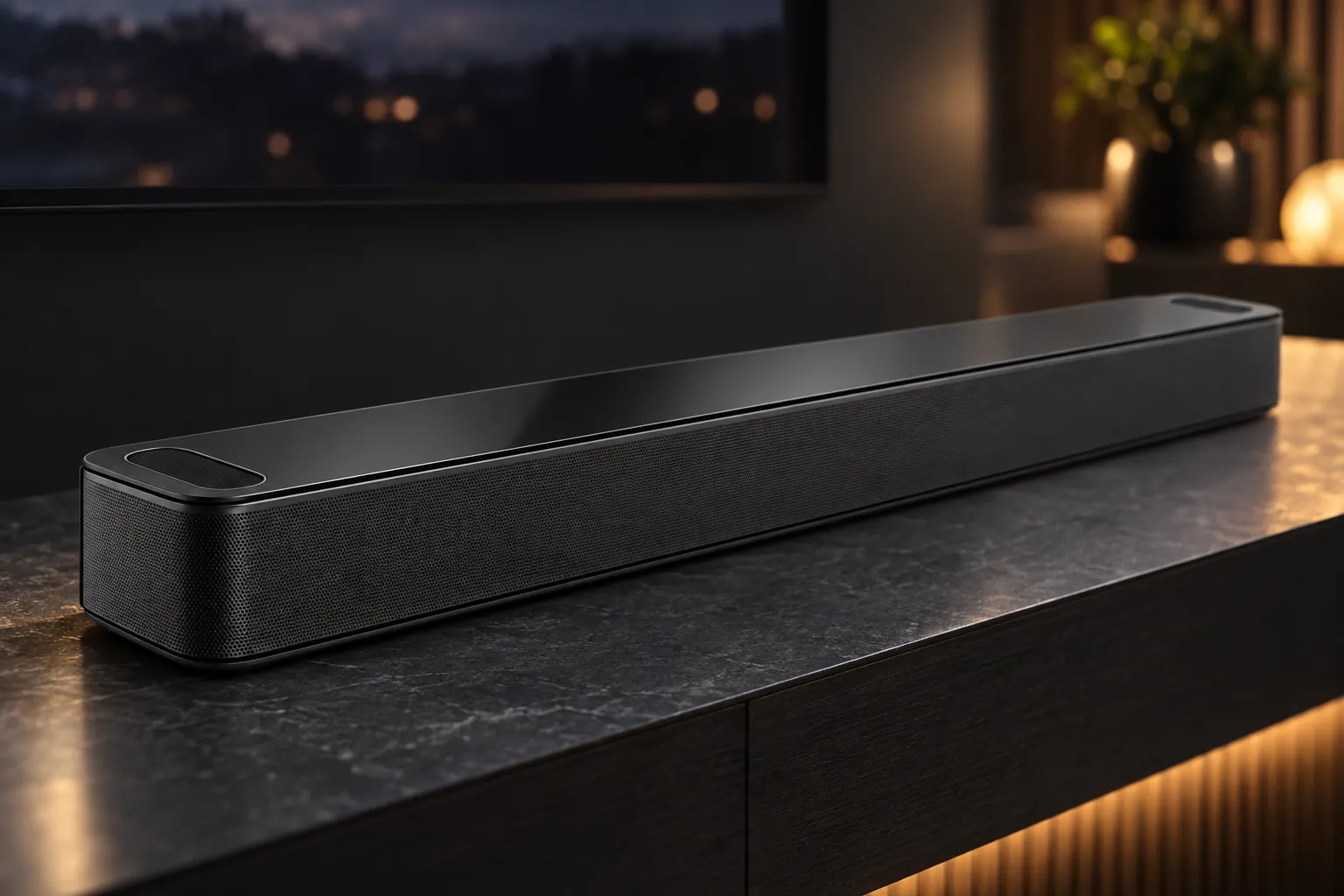
The materials are where Bose has clearly spent money. The body is PC-ABS plastic wrapped in fabric, topped with a glass panel and finished with rubber feet. Reviewers consistently called it premium-feeling, and the glass top with its touch controls gives it a more furniture-like look than a typical all-fabric bar. The box contains the bar, a power cable, an HDMI cable and a quick-start guide.
The Elephant in the Room: No HDMI Inputs, No DTS
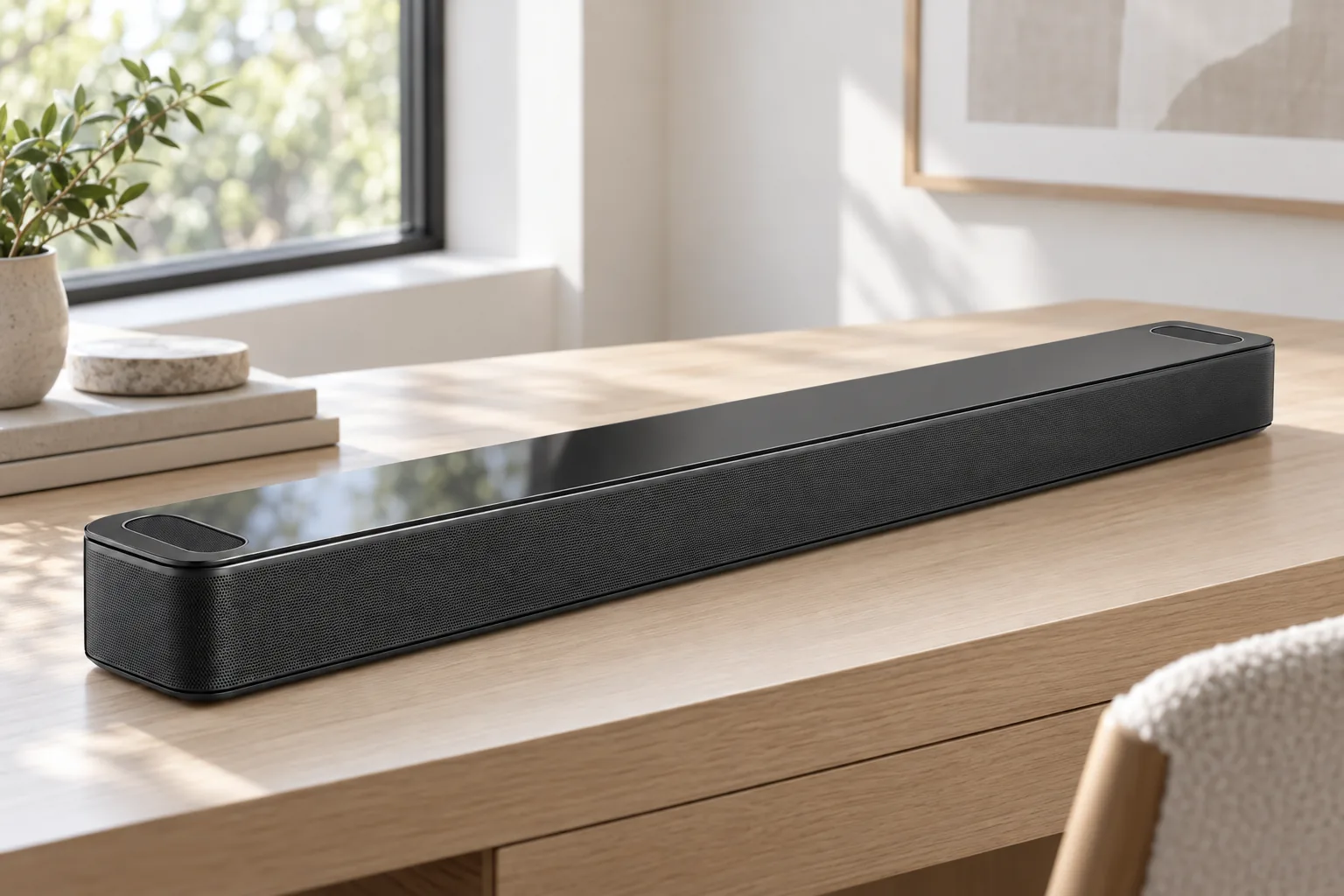
Turn the bar around and you'll find the most important buying caveat. There is a single HDMI connection supporting eARC and ARC, and that's your only route for TV audio. There are no HDMI inputs and no passthrough, so you can't plug a console or 4K Blu-ray player into the bar and feed video onwards to the TV. Everything has to go into the TV first, with sound sent back down the eARC cable.
There's no optical input either. If you have an older TV without HDMI ARC, or a set-top box you were hoping to connect directly, this bar simply won't accommodate it. The USB port is for servicing only, though there is an Ethernet socket for a wired network connection, which is handy if your Wi-Fi is patchy behind the TV cabinet.
Then there's DTS. The Lifestyle Ultra doesn't support DTS, DTS:X or DTS-HD, which will sting if your film shelf leans on discs mastered in those formats. Your Blu-ray player or TV will need to convert those tracks to LPCM, and you lose the original object-based mix in the process. Streaming services lean heavily on Dolby formats, so this matters far less if Netflix and Disney+ are where you watch most of your films.
Before you buy, check your TV's HDMI sockets. The bar depends entirely on your TV's eARC (or ARC) socket. With eARC, a modern TV can pass Dolby Atmos from its apps and connected devices. If your consoles and players already plug into the TV, the missing inputs may never bother you. If your TV is short on HDMI ports, they will.
Connection upsides
- One HDMI cable keeps the setup tidy and HDMI-CEC lets your TV remote control volume
- Ethernet socket for a stable wired network connection
- Optional subwoofer and rear speakers connect wirelessly, so no speaker cable across the room
- Bose's older Bass Module 700 can be connected by wire
Connection downsides
- No HDMI inputs or passthrough for consoles or disc players
- No optical input for older TVs or kit
- No DTS, DTS:X or DTS-HD support
- Older Bose Surround Speakers and Surround Speakers 700 won't work as rears
- No dedicated remote in the box
That last point catches out existing Bose owners. If you already own Surround Speakers 700 from an earlier Bose system, they won't pair with this bar. You'd need the new Lifestyle Ultra Speakers instead.
Streaming and Smarts: Where the Bar Pulls Ahead
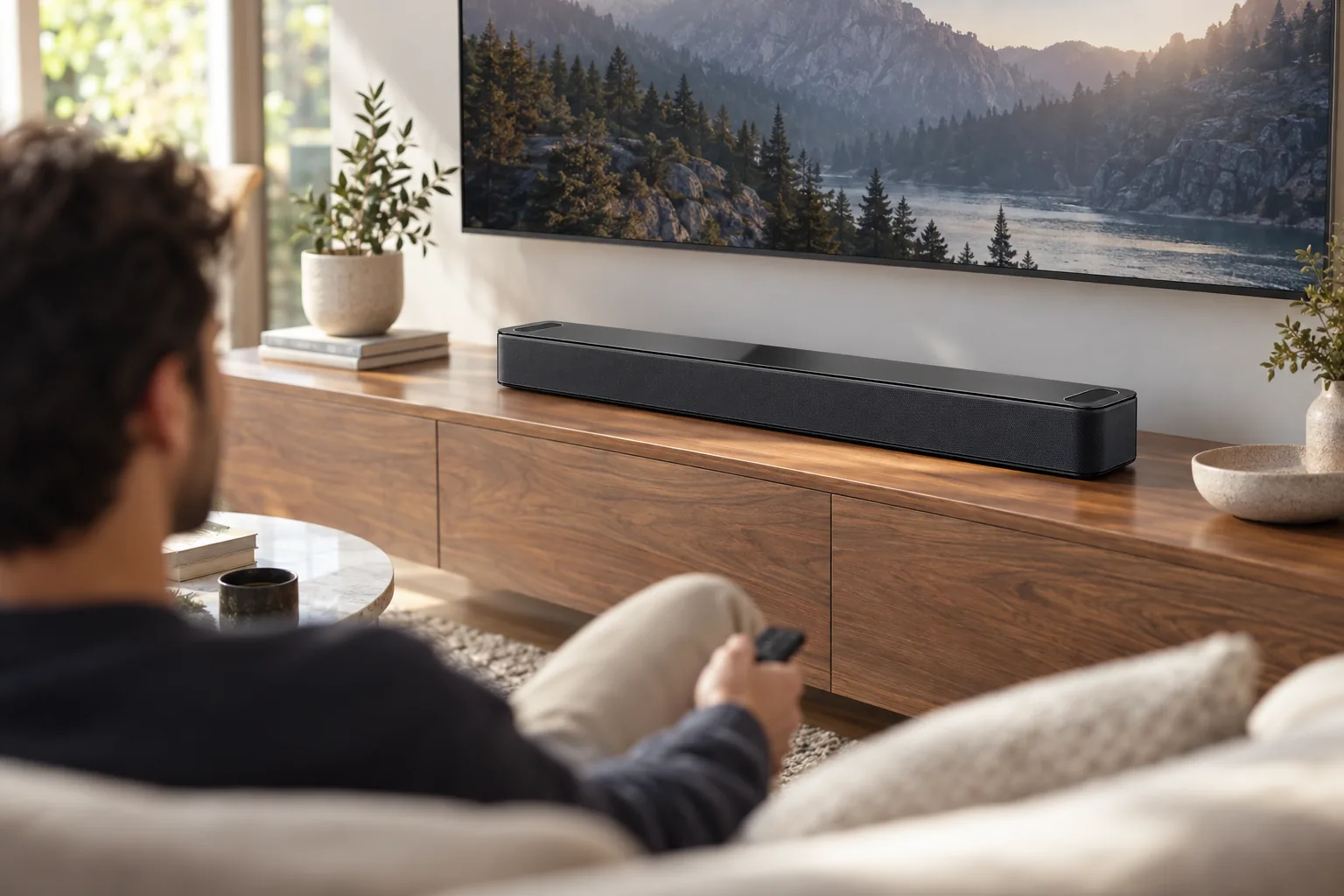
If the rear panel is sparse, the wireless feature list is generous, and this is where the Lifestyle Ultra makes its strongest case. It's as much a music system as a TV speaker, and it doesn't care much which phone you own.
AirPlay 2, Google Cast and Spotify Connect
iPhone and Android households both get native casting, and Spotify users can hand off playback from the app. It's broader support than earlier Bose bars offered, and it makes the bar a genuine music hub for the living room.
Bluetooth 5.3 with Low Energy
A quick fallback for guests, tablets or apps without casting, with no Wi-Fi setup needed.
Amazon Alexa built in
Voice control for playback, volume and smart-home commands. Bose has talked about Alexa+ readiness for the US, but has made no equivalent UK promise, so don't buy it expecting Amazon's newer assistant here.
Bose app with deep manual control
The app handles setup, CustomTune room calibration, a three-band EQ and separate adjustments for the centre, surround and height channels. That's more granular than Sonos offers, and useful for nudging dialogue up or taming over-eager height effects.
Multi-room grouping
The bar can join other Bose speakers on your network, including the Lifestyle Ultra Speaker, for whole-home audio.
SoundGuys rated the connectivity 9/10 and gave the bar 8/10 overall, the most enthusiastic score among the major reviews. The catch is that control is almost entirely app-, voice- or TV-remote-based. There's no IR remote in the box, just the top-mounted touch controls. If your household includes someone who simply wants a familiar clicker, rely on HDMI-CEC working well with your TV.
On music services, Tidal Connect and Qobuz Connect weren't supported when the first reviews appeared, though Bose said both were planned. If either is central to your listening, check the app's current list before buying.
Gaming Edge: The Latency Number Nobody Else Is Shouting About
Here's a strength Bose barely mentions in its marketing. RTINGS measured the bar's HDMI eARC audio latency and described it as exceptionally low, singling it out as one of the bar's clearest advantages, including over the Sonos Arc Ultra.
We'd love to give you the millisecond figure, but RTINGS keeps exact latency results behind its paid membership and Bose doesn't publish one. So treat this as a firmly established direction (very low, and lower than Sonos) rather than a number we can quote. We won't invent one.
What this means for UK console gamers
Because the bar has no HDMI inputs, your PS5 or Xbox plugs into the TV, which keeps its own gaming features such as high refresh rates intact, and the audio travels back to the bar over eARC. Low latency on that return trip means footsteps, gunfire and lip movements stay in sync. For fast-paced shooters and rhythm games, that's a practical benefit you'll notice every session, and it partly offsets the missing passthrough.
Samsung's HW-Q990F takes the opposite approach, with HDMI connectivity and Game Mode Pro on the bar itself. That suits people who want the soundbar as a hub. The Bose suits people whose TV is already the hub, which in 2026 describes most modern living rooms.
Does It Sound Like a £999.95 Flagship? What the Reviews Agree On
Start with what nobody disputes. The tonal balance is smooth, treble is natural rather than spiky, and dialogue is clear, with the centre channel prominent enough that you shouldn't be reaching for subtitles. Bass from the bar alone is unusually strong for a single-box design; Trusted Reviews highlighted it as one of the bar's surprises, and described the overall presentation as clear, punchy and energetic.
The disagreement is about scale and drama. What Hi-Fi judged the sound "too restrained for the price", with too little dynamic punch, height and size, and found that Atmos effects stayed fairly close to the screen. Lab results point the same way: the bar gets loud enough for medium-sized living rooms, but it doesn't deliver the deep, physical rumble a subwoofer provides, and its overhead and surround effects are less convincing than its Atmos badge suggests. Stereo objects also panned less smoothly across the front than on some rivals.
SpeechClarity divides opinion too. It helps with mumbled drama dialogue, but RTINGS found it could make voices sound shouty, so use it as a fix for difficult content rather than leaving it on permanently.
Room calibration is the other variable. One reviewer found Atmos sounded noticeably flatter until CustomTune had been run; another couldn't get the calibration to complete reliably at all, and felt the soundstage needed manual adjustment to gain height and width. If your first impression is underwhelming, running CustomTune and then tweaking the height and surround levels in the app looks like the right first step.
Sound strengths
- Clear, prominent dialogue from the dedicated centre tweeter
- Smooth, natural tonal balance that's easy to live with
- Surprisingly full bass for a bar without a subwoofer
- Loud enough for medium-sized UK living rooms
- Manual EQ and channel levels to fine-tune the balance
Sound weaknesses
- Atmos height and surround effects stay close to the screen from the bar alone
- Lacks deep, physical low-bass rumble without the subwoofer
- More compression at high volume than the Sonos Arc Ultra
- Restrained dynamics; big crescendos lack drama
- CustomTune calibration proved inconsistent in one review
Published scores at a glance
These are other publications' scores, shown as a percentage of each scale so you can compare them. They are not Gadget Scout ratings.
The pattern is telling: design and connectivity score highly everywhere, while sound quality for the money is where opinion splits.
Bose vs Sonos vs Samsung: Who Actually Wins Immersion?
On the headline question, the lab evidence is fairly clear. In RTINGS' direct comparison, the Sonos Arc Ultra delivers more consistent bass, compresses less when you turn it up and produces a wider, smoother soundstage with better object tracking. What Hi-Fi reached the same conclusion by ear, calling the Sonos the more involving listen.
Bose does have counterpunches. The app offers more manual adjustment, with a three-band EQ and independent centre, surround and height levels, and its eARC latency measured lower than the Sonos. Google Cast support is a plus for Android households. Neither bar has HDMI inputs, and neither supports DTS, so those weaknesses don't separate them.
Samsung's HW-Q990F plays a different game. It's an 11.1.4-channel package with a subwoofer and two rear speakers in the box, plus HDMI connectivity, optical and DTS:X. Sitting genuine speakers behind you is something no standalone bar can match, so out-of-the-box immersion goes to Samsung. The price is more boxes, more power sockets and more to place around the room.
| Feature | Bose Lifestyle Ultra | Sonos Arc Ultra | Samsung HW-Q990F |
|---|---|---|---|
| What's in the box | Soundbar only | Soundbar only | Soundbar, subwoofer and two rear speakers |
| Channels out of the box | 5.1.2 | 9.1.4 as commonly specified | 11.1.4 |
| Launch pricing (UK) | £999.95 RRP | Around £999 at launch | Retail pricing varies |
| Dimensions | approx. 1105 × 67 × 125mm | approx. 46.18 × 3.13 × 4.35in | Not confirmed |
| HDMI inputs / passthrough | None | None | HDMI connectivity listed |
| DTS support | No | No | DTS 5.1 and DTS:X listed |
| Bass (lab and review findings) | Respectable; lacks deep rumble without sub | More consistent; less high-volume compression than Bose | Dedicated subwoofer included |
| Soundstage (lab and review findings) | Narrower; effects stay near the screen | Wider and smoother than Bose | Expansive and precise with included rears |
| eARC latency (RTINGS) | Exceptionally low; lower than Sonos | Higher than Bose | Not confirmed |
| Expansion route | Lifestyle Ultra Subwoofer, two Lifestyle Ultra Speakers (7.1.4) | Sonos Sub or Sub Mini, compatible Sonos speakers | Complete system as supplied |
So, is Sonos under threat? Bose has built a genuine rival rather than a replacement. As a single bar for cinema sound, the Arc Ultra holds its ground on the published evidence. The Bose wins on looks, casting flexibility, adjustability and gaming latency, which for plenty of households matter more than the last metre of soundstage width.
Building the System: What the Subwoofer and Speakers Actually Add
Bose's 7.1.4 claim depends on buying the full set: the bar, the Lifestyle Ultra Subwoofer and two Lifestyle Ultra Speakers as rears. None of those extras comes with the standalone bar.
The good news is that the extras transform the experience. SoundGuys spent a week with the bar on its own and then with the add-ons. Alone, the bass was respectable but lacked physical weight. With the subwoofer, it found substantially deeper bass and far more impact, with explosions, punches and cannon fire gaining real heft. With the two speakers added behind the seating, the system became a much more convincing surround setup, with height and surround effects finally wrapping around the room.
Setup is the "complicated" question in our brief, and the answer is mixed. Tom's Guide found setup quick and painless in its early preview, and judged the bar a credible Arc Ultra rival with or without the subwoofer. SoundGuys, by contrast, ran into problems pairing the bar, subwoofer and rear speakers over Wi-Fi. The bar alone is plug-and-play; the full system leans heavily on the Bose app and your home network behaving.
Spending order matters. The evidence suggests the subwoofer brings the biggest jump in cinematic impact, while the rear speakers bring the surround and height effects the bar struggles to create alone. If films are your priority, the subwoofer is the first upgrade to budget for. The subwoofer can connect wirelessly or by cable.
Here's what the system costs at launch RRP. These are simple sums of individual prices; bundle deals can change what you actually pay, and stands or wall brackets are extra.
Soundbar alone
5.1.2 channels
Bar + two speakers
Adds rear surround; speakers are £299.95 each
Bar + subwoofer
Adds deep bass; subwoofer is £899.95
Full system
Bar, subwoofer and two speakers for 7.1.4
That full-system figure is the sobering part. Nearly £2,500 for everything puts the Bose well above a single premium bar, and Samsung's Q990F includes its own subwoofer and rears in one box. Bose's advantage is that you don't have to spend it all at once. The bar works on its own today, and the Lifestyle Ultra Speakers are useful smart speakers in another room until you decide to move them behind the sofa.
Design, Placement and Living-Room Fit
Bose has designed this bar to be looked at, not hidden, and that shows in the details that matter in a real UK living room.
Low enough for most TV stands
At 67mm tall it should sit in front of most TVs on a stand without nudging into the bottom of the picture or blocking the TV's IR receiver. That's a real everyday advantage over taller flagship bars.
White Smoke or Black
The White Smoke finish, pairing pale fabric with a glass top, is a deliberate break from the black slabs that dominate the category, and it sits more naturally in lighter rooms. Black is the conventional alternative. The glossy glass does collect fingerprints: handsome on day one, rather less so after a film night involving popcorn.
Keep the top and sides clear
The up-firing and side-steering drivers need open space. Bose recommends centring the bar below the TV and advises against tucking it into a shelf recess, where the height and width effects you're paying for would be muffled.
Wall mounting
Supported with the separately sold Bose Soundbar Wall Bracket. Leave at least 10cm between the bar and the TV, and don't mount it above the screen, which Bose doesn't recommend.
Touch controls on top
A top-mounted touch dial handles basic control, though most people will end up using the TV remote, the app or Alexa.
The bar is mains-powered and has no IP rating, so it's strictly an indoor product. For most buyers, the practical point is simpler: if your TV sits on a low unit with open space above, this bar will look tidy and sound as Bose intended. If it lives in an alcove under a shelf, the Atmos effects will suffer.
Who Should Actually Consider This Soundbar
Matching the bar to the right household is the key to whether £999.95 feels well spent. Here's how the evidence sorts buyers.
Style-led streamers
A strong fit if you want a low-profile, good-looking bar with AirPlay 2, Google Cast, Spotify Connect, Bluetooth 5.3 and Alexa, clear dialogue for everyday TV, and you aren't chasing maximum Atmos scale. It suits small to medium rooms particularly well.
Console gamers
A good fit if your PS5 or Xbox already plugs into the TV and sends audio back over eARC. The very low measured latency keeps sound locked to the action, and you won't miss passthrough you'd never use.
Step-by-step system builders
A good fit if you'd rather start with one tidy bar and add the subwoofer and rear speakers later as budget allows, without speaker cable across the floor.
Who should skip it
Physical media collectors with DTS soundtracks, anyone needing HDMI inputs or optical, and buyers wanting the biggest out-of-the-box cinema effect. The Sonos Arc Ultra is the stronger standalone bar on lab evidence; Samsung's boxed HW-Q990F offers far more channels from day one.
Common Questions Before You Buy
First Look Verdict: Confirmed Strengths, Open Questions
Bose has built a Sonos rival, not a Sonos beater
The Bose Lifestyle Ultra's strengths are clear: a genuinely premium, low-slung design, unusually broad streaming support, clear dialogue and very low eARC latency for gamers. Its weaknesses are just as clear: Atmos effects that stay near the screen, no DTS, no HDMI inputs or optical, and more compression at volume than the Sonos Arc Ultra.
For cinema immersion from a single bar, the published evidence still favours Sonos. For surround from one box, Samsung's HW-Q990F brings far more hardware. Bose's winning argument is a different one: a beautiful bar that's simple to live with today and can grow into a convincing wireless 7.1.4 system later, if you're prepared to pay for it.
This is a first look built on published lab results and independent reviews, not our own verdict, so there's no score here. One gap remains: the lab's exact loudness, frequency-response and latency figures sit behind a paywall, so we've reported what they show rather than invent numbers. Our recommendation stands: buy it for style, streaming and a staged upgrade path; skip it if DTS discs or maximum out-of-the-box scale come first.
Sources
- Bose UK: Lifestyle Ultra Soundbar product page
- Bose UK: Lifestyle Collection launch announcement
- RTINGS: Bose Lifestyle Ultra Soundbar review
- What Hi-Fi?: Bose Lifestyle Ultra Soundbar review
- Trusted Reviews: Bose Lifestyle Ultra Soundbar review
- SoundGuys: Bose Lifestyle Ultra Soundbar review
- Tom's Guide: early preview of the Bose Lifestyle Ultra Soundbar
- What Hi-Fi?: Sonos Arc Ultra review
- Samsung: HW-Q990F product page
- John Lewis: Bose Lifestyle Ultra Soundbar model listing
- Bose Lifestyle UltraBest for streaming and styleView on Amazon
Sources and evidence (29)
- johnlewis.com (retailer)
- bose.co.uk (other)
- bose.co.uk (other)
- rtings.com (other)
- courts.com.sg (other)
- samarafoundation.com (other)
- soundguys.com (other)
- whathifi.com (other)
- tomsguide.com (other)
- trustedreviews.com (other)
- tomsguide.com (other)
- bose.com (other)
- samsung.com (other)
- bose.com (other)
- tomsguide.com (other)
- techradar.com (other)
- soundguys.com (other)
- whathifi.com (other)
- bose.co.uk (other)
- bose.com (other)
- support.bose.com (other)
- whathifi.com (other)
- assets.sonos.com (other)
- rtings.com (other)
- homesandgardens.com (other)
- whathifi.com (other)
- manuals.plus (other)
- images.samsung.com (other)
- techradar.com (other)