UK to Ban Under-16s From Major Social Media Platforms in 2027
The Government plans to require major social platforms to block under-16s from spring 2027, with age checks enforced by Ofcom.
What you need to know
- Under-16s are set to be blocked from Snapchat, TikTok, YouTube, Instagram, Facebook and X from Spring 2027.
- Platforms, not parents, will be responsible for age checks and could face fines of up to 10% of global annual revenue.
- Livestreaming and stranger communication will also be restricted for children, including stranger contact in games.
The UK Government plans to ban major social media platforms from providing services to under-16s from Spring 2027, under proposals announced by Prime Minister Keir Starmer on 15 June.
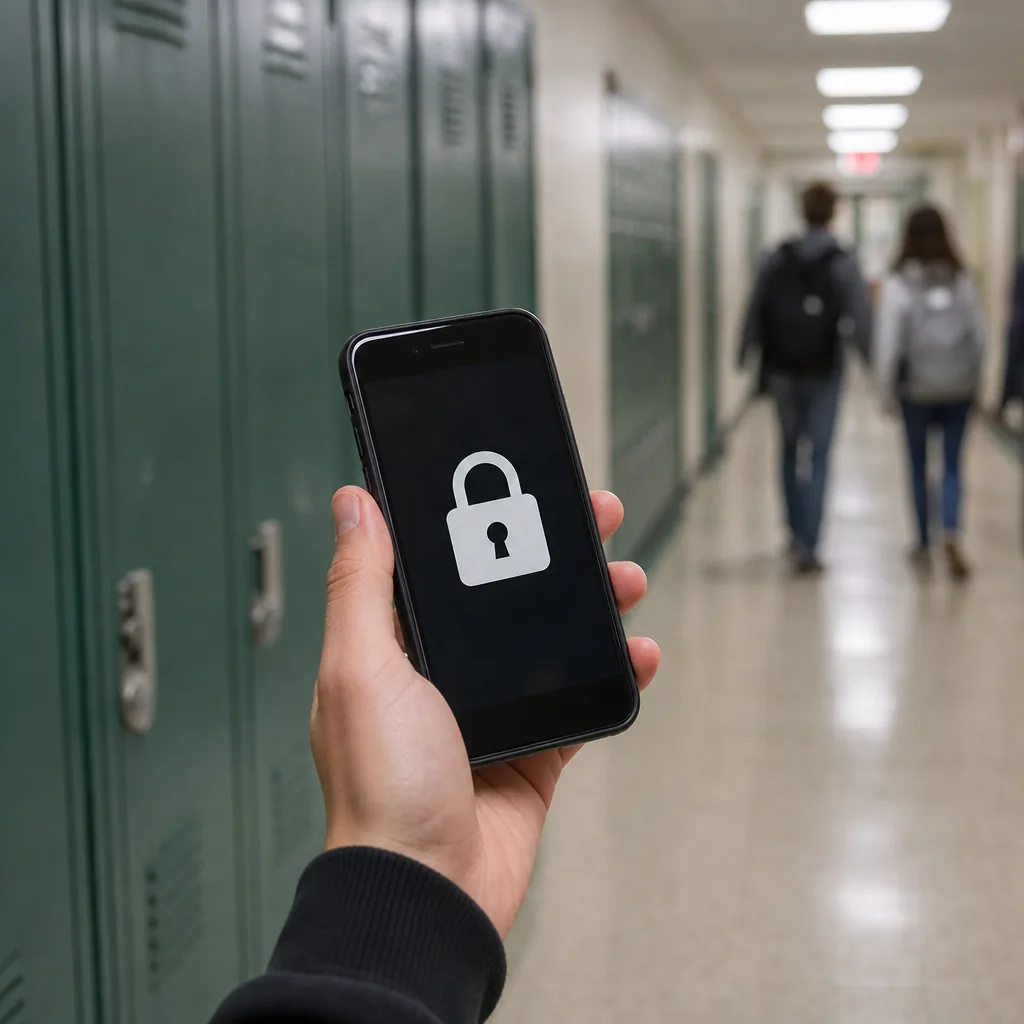
Snapchat, TikTok, YouTube, Instagram, Facebook and X are among the services expected to fall within the restrictions. Platforms will be legally required to verify that users are 16 or over before they can create or access an account, with Ofcom responsible for enforcement.
The measures are not yet in force. The Government intends to bring its first regulations before Parliament by the end of 2026, using powers created by the Children’s Wellbeing and Schools Act 2026. Starmer said he hoped the regulations would pass by late December, allowing the ban to begin next spring.
“We’re going further than any country in the world by banning social media for under-16s and putting wider protections in place to give kids their childhood back.”
Which services are covered?
The Government has named Snapchat, TikTok, YouTube, Instagram, Facebook and X as platforms affected by the under-16 ban. YouTube Kids will remain available, while messaging services including WhatsApp and Signal are excluded.
A narrowly defined list of other exemptions is also expected to keep educational services, e-commerce platforms and music-streaming services outside the rules. However, the exact legal definition of a social media service has not yet been finalised.
That distinction will matter. YouTube is listed among the platforms covered despite its role as a video service, while its dedicated children’s product is not. YouTube has opposed a blanket restriction, saying: “Blanket bans push kids out of such curated, supervised, beneficial experiences and towards anonymous, less-safe services.”
More than an account ban
The plans go beyond stopping under-16s opening social accounts. Livestreaming will be banned for under-16s across all platforms, a measure intended to reduce the risk of child sexual abuse and exploitation. Stranger communication will also be prohibited for under-16s, including in games, to address grooming by people children do not know.
The Government is also targeting sexualised AI services. So-called “romantic companion” chatbots designed to simulate sexual relationships or roleplay will have to enforce a minimum age of 18. Similar intimate features on more general AI chatbot services will be restricted for under-18s.
For 16- and 17-year-olds, the new livestreaming, stranger-contact and AI protections are intended to be switched off by default. The Government says this is designed to avoid “a cliff-edge at 16”. It is also considering overnight curfews and breaks in infinite scrolling for under-18s, with further detail expected in July.
Age checks will be central
The central challenge is how platforms establish a user’s age. A self-declared date of birth will not be sufficient under the proposed system. Ofcom is considering methods including matching government ID and facial age estimation.
The Secretary of State has asked Ofcom’s chair and chief executive to carry out a rapid study into effective ways of verifying whether someone is over 16 by October 2026. That work is intended to inform Parliament’s debate on the regulations. Ofcom is also due to publish age-assurance recommendations during July, while draft codes and regulations are expected to be laid before Parliament later this year.
The system will not be limited to children. If a platform must establish that every account holder is at least 16, adults will need a way to demonstrate that they are not underage too. That makes this a major shift in how UK users access mainstream online services, rather than a simple parental-control setting.
Platforms face the penalties, not parents
Families will not be fined if a child gets around the restrictions. The legal duty will rest entirely with the companies operating the platforms.
Ofcom will be able to fine repeat offenders up to 10% of their global annual revenue. It could also seek a court order to block a service in the UK if a company refuses to comply. The Government has said it could introduce further legislation compelling compliance, with criminal liability for technology executives described as a last resort.
The enforcement model builds on Ofcom’s existing work on age assurance for pornography services, where the regulator has begun issuing fines for weak checks. The largest fine cited by the Government was £1.35 million in February 2026.
Why the Government is acting now
The announcement follows a consultation running from March to May, which generated 116,000 responses from parents, technology firms and children. According to the Government, nine in 10 parents backed a social media ban for under-16s, while two-thirds of young people agreed that under-16s should not be allowed to use at least some social platforms.
The UK’s approach is modelled on Australia’s under-16 social media ban, which took effect on 10 December 2025, but adds further restrictions around livestreaming, stranger contact and sexualised AI. Early evidence from Australia suggests its rules have been widely circumvented through VPNs and parental account sharing.
Privacy and security concerns will remain a major part of the debate. In March, 438 security and privacy scientists and researchers across 32 countries called for a moratorium on age-assurance deployment, warning that such checks can be circumvented, privacy-invasive and error-prone.
For now, parents should not expect accounts to disappear immediately. The next decisive step is Parliament’s scrutiny of the regulations and Ofcom’s eventual technical standards. If the timetable holds, the practical change arrives in Spring 2027 — and it will test whether major platforms can make age checks work without turning everyday social media access into a cumbersome identity process.
Why it matters
This is likely to affect far more than children’s accounts: adults may also need to prove they are over 16 before accessing major social platforms. For UK families, the legal responsibility will sit with tech companies rather than parents, but the practical effects will depend on how accurate, private and accessible Ofcom’s eventual age-assurance rules are.