Google Pixel Watch 4 vs Galaxy Watch Ultra vs Apple Watch Ultra 3: Which should you buy?
Three premium smartwatches, three very different phone ecosystems — and a decision that matters long before your first run, hike or commute.
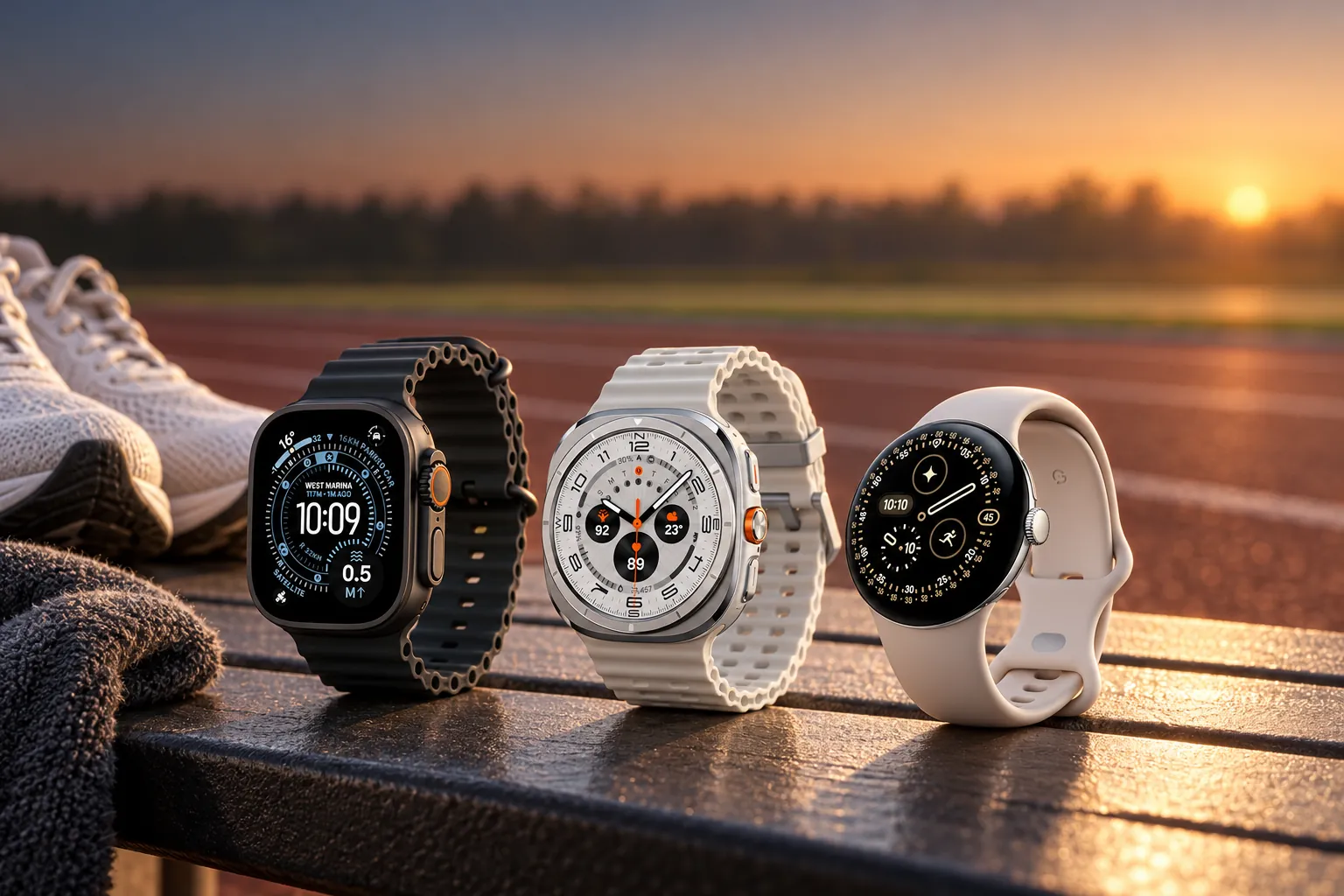


Satellite features, strong reported GPS and heart-rate accuracy, cellular and dive-capable hardware make it the iPhone choice.
Check price on Amazon
LTE, titanium and sapphire construction, 590mAh battery capacity and dual-frequency GPS suit Samsung owners who spend time outdoors.
Check price on Amazon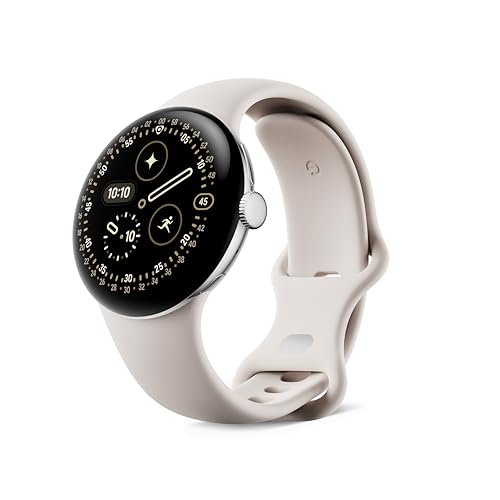
Its 31g case, domed display, rapid charging and broad Android compatibility suit lighter everyday smartwatch use.
Check price on AmazonWe link to the exact model on Amazon UK. Prices change often, so check the live price before you buy. As an Amazon Associate we earn from qualifying purchases.
You are heading out for a long run, leaving your phone in a locker, or trying to read a notification in bright October sun. The right watch should disappear into that moment; the wrong one becomes a heavy, expensive reminder that the phone in your pocket chose it for you.
Three Ultras, One Decision: Why This Comparison Matters
The short answer: buy Google Pixel Watch 4 if you use Android and want the lightest, least expensive everyday option in this group. Buy Samsung Galaxy Watch Ultra if you own a Samsung Galaxy phone and want LTE, rugged construction and longer potential endurance. Buy Apple Watch Ultra 3 if you use an iPhone and want highly accurate fitness tracking, satellite communication and a deep smartwatch app ecosystem.
These were all 2025 watches. By 10 October 2026, Google had released Pixel Watch 5, Samsung had released Galaxy Watch Ultra 2, and Apple had released Apple Watch Ultra 4. That makes remaining stock of these models more interesting when discounted, but it also changes the value calculation: a full-RRP prior-generation watch needs a compelling reason to earn its place.
Compatibility narrows the field immediately. Google Pixel Watch 4 requires Android 11 or later and does not support iPhone. Samsung Galaxy Watch Ultra is an Android watch, but Samsung reserves several health functions — including ECG and blood-pressure features — for compatible Galaxy phones. Apple Watch Ultra 3 requires an iPhone.
For UK buyers, the linked listings are not like-for-like trims. The Pixel is the £349-launch-RRP 41mm Wi-Fi model, whereas Samsung's £599 watch and Apple's £749 watch include cellular hardware. That matters if you expect to make calls, receive data or use safety features without your phone. It also means a cheaper Pixel is not automatically a bargain against the two Ultras: adding LTE on Pixel Watch 4 raised the original 41mm price to £449. Before comparing retailer discounts, check the case size, supplied band and whether the listing is Wi-Fi or cellular, especially as older stock can be mixed with newer successors.
| At a glance | Google Pixel Watch 4 | Samsung Galaxy Watch Ultra | Apple Watch Ultra 3 |
|---|---|---|---|
| Linked configuration | 41mm Wi-Fi | 47mm LTE | 49mm GPS + Cellular |
| UK launch RRP | £349 | £599 | £749 |
| Case material | Recycled aluminium | Grade 4 titanium | Grade 5 titanium |
| Case weight, without band | 31g | 60.5g | 61.8g |
| Display | 320ppi AMOLED LTPO | 1.5in AMOLED, 480 × 480 | LTPO3 OLED, 422 × 514 |
| Peak brightness | 3,000 nits | 3,000 nits | 3,000 nits |
| Storage | 32GB | 64GB | 64GB |
| Positioning | Dual-frequency GPS | Dual-frequency GPS | Dual-frequency GPS |
| Water protection | 5ATM and IP68 | 10ATM and IP68 | 100m water resistance and IP6X |
| Phone requirement | Android 11 or newer | Android 11 or newer; Galaxy phone for full health suite | Compatible iPhone |
| Buy | Check price | Check price | Check price |
Design and Durability: Aluminium Dome vs Titanium Tank vs Titanium Tool
The physical contrast is stark. Google Pixel Watch 4 is a compact 41mm round watch at 12.3mm thick and 31g before its band. Samsung Galaxy Watch Ultra is 47.4 × 47.1 × 12.1mm and 60.5g before the Marine Band. Apple Watch Ultra 3 measures 49 × 44 × 12mm and weighs 61.8g in the Black Titanium configuration.
That makes the Pixel the easier watch to sleep in and the least conspicuous under a cuff. The Ultras make a different argument: their broad titanium cases, flat protected screens and physical controls are built for use where scrapes, water and gloves are part of the day.
31g
MIL-STD-810H
Google uses custom 3D Corning Gorilla Glass 5 over its curved display. It looks distinctive and reviewers liked the tactile, watch-like effect of swiping over the curve, but it is not sapphire. Samsung uses sapphire crystal, 10ATM water resistance, IP68 protection and MIL-STD-810H durability claims. Samsung also specifies use from -20°C to 55°C and from roughly -500m to 9,000m altitude.
Apple's flat sapphire crystal prioritises impact resistance over the Pixel's rounded visual flourish. Apple rates Ultra 3 for 100m water resistance under ISO 22810:2010, includes IP6X dust resistance, and supports recreational scuba diving to 40m under EN13319. For swimmers, hikers and people who simply want fewer worries about knocks, the two titanium watches make the stronger case.
Day to day, size is more important than a specification sheet suggests. A lighter Pixel is easier to leave on for sleep, but its supplied Active Band is aimed at ordinary smartwatch wear rather than the Ultra watches' overtly outdoor focus. Conversely, Samsung's Marine Band and Apple's Ocean Band reinforce their water-ready positioning, yet add to the sensation of wearing a substantial device. If you mostly check messages at work, track sleep and take occasional runs, try not to buy an Ultra purely for its tougher materials. If you frequently swim, travel or work outdoors, the added bulk is a trade-off for hardware that is better aligned with those conditions.
Display Showdown: Domed Glass, Flat Sapphire and the Sunlight Test
All three quote a 3,000-nit peak brightness, so each has the hardware for a legible outdoor screen. Notebookcheck measured 3,192cd/m² from Samsung Galaxy Watch Ultra, slightly beyond Samsung's quoted maximum. Reviews of both Google Pixel Watch 4 and Apple Watch Ultra 3 also described them as easy to read in direct sunlight.
| Screen detail | Google Pixel Watch 4 | Samsung Galaxy Watch Ultra | Apple Watch Ultra 3 |
|---|---|---|---|
| Panel | Actua 360 AMOLED LTPO | Super AMOLED | Always-On Retina wide-angle OLED |
| Resolution / density | 320ppi | 480 × 480, about 327ppi | 422 × 514, 326ppi |
| Refresh behaviour | 1–60Hz | Always-on display | Down to 1Hz |
| Screen form | Domed Gorilla Glass 5 | Flat sapphire crystal | Flat sapphire crystal |
Pixel Watch 4's screen is its aesthetic advantage. Google said it had 15% smaller bezels and 10% more active display area than Pixel Watch 3, while reviewers praised the way the dome makes information feel closer to the edge. It is the most jewellery-like option here.
Samsung's circular 1.5-inch display gives it an immediately familiar sports-watch layout. Apple's 1,245mm² rectangular panel puts a large amount of map, notification and workout data on screen at once. The deciding factor is not brightness but preferred shape: Google looks elegant, Samsung feels like a rugged round instrument, and Apple gives data the broadest canvas.
Choose the screen with the rest of the watch
The Pixel's curved glass is visually appealing but its aluminium case and Gorilla Glass make it the least hard-wearing proposition. A sapphire display is more relevant than a few pixels per inch if your watch regularly meets rock, gym equipment or luggage.
Battery Life Reality Check: Marketing Claims vs What Reviewers Reported
The headline figures are useful, but they are not interchangeable. Google rates this 41mm Pixel Watch 4 for up to 30 hours with always-on display enabled and up to 48 hours in Battery Saver. Samsung quotes up to 60 hours with always-on display enabled, 80 hours with it off and up to 100 hours in Power Saving. Apple quotes up to 42 hours normally and 72 hours in Low Power Mode.
For the exact 41mm Google model, 9to5Google reported about 36 hours before the watch reached the 15% Battery Saver threshold. That is a useful gain over older Pixel Watches, but the reviewer still preferred charging each night. Google's rapid dock softens the compromise: it is specified at 50% in around 15 minutes and a full charge in around 45 minutes.
Samsung's endurance spread shows why a single headline can mislead. Notebookcheck reported about 48 hours with always-on display and full functionality, while Android Central reported around 72 hours and roughly three days with always-on display after software-drain fixes. Consumer Reports recorded 27 hours under its typical-use laboratory routine. LTE, GPS and display settings all shift the result sharply.
Apple's figures sit between the two Android approaches. OutdoorGearLab reported about two full days of mixed use with workouts, notifications and always-on display, alongside 16 hours of continuous full GPS. Wareable finished an all-day GPS hike in Snowdonia with roughly 50% remaining. Apple specifies 80% in about 45 minutes; OutdoorGearLab recorded 76 minutes to full, while Macworld recorded around two hours in a separate charge cycle.
For overnight sleep tracking, charge behaviour matters as much as maximum runtime. Pixel Watch 4 is the quickest to recover during a short morning routine; Samsung needs more time at the puck, while Apple's short-charge claim is useful before bed.
Chips, Software and the Walled Gardens
Google Pixel Watch 4 runs Wear OS 6 on Qualcomm's Snapdragon W5 Gen 2 with a Cortex-M55 co-processor, 2GB RAM and 32GB storage. Its character comes from Google services: Fitbit-derived health tools, Google Wallet, maps, notifications and Gemini features including Raise to Talk and Smart Replies. Reviewers found the interface smooth after early software issues, though Gemini's voice activation was not consistently reliable.
Samsung Galaxy Watch Ultra uses Samsung's five-core, 3nm Exynos W1000 processor with 2GB RAM and 64GB storage. It launched with One UI 8 Watch based on Wear OS 6. The extra storage matters if you want offline music, apps and maps, while its software is tightly woven into Samsung Health and Galaxy AI summaries.
Apple Watch Ultra 3 uses Apple's S10 dual-core processor and four-core Neural Engine, with 64GB storage and watchOS 26 at launch. It offers the broadest watch app catalogue of these three and deeply integrates with iPhone calls, messages, Apple Pay, maps and health data. That experience is not portable to Android.
Wear OS 6
2GB RAM
Software is also where Samsung's limitation matters. Galaxy Watch Ultra can pair with Android phones running Android 11 or newer, but Samsung says full compatibility requires a Galaxy smartphone. Pixel Watch 4 works with Android more broadly. If you own a non-Samsung Android phone, the Google watch is the cleaner fit.
Fitness and Health Tracking: The Numbers That Matter
All three include dual-frequency GPS, optical heart-rate monitoring, ECG capability, skin-temperature sensing, sleep tools and safety functions. The meaningful difference is confidence in the data under exertion, plus how much interpretation each platform gives you afterwards.
| Reported comparison | Google Pixel Watch 4 | Samsung Galaxy Watch Ultra | Apple Watch Ultra 3 |
|---|---|---|---|
| Heart-rate comparison | About 13bpm average difference against Polar H10 in TechRadar's four-mile run | Android Central described heart-rate results as impressively accurate | About ±1bpm against Polar H10 in OutdoorGearLab's comparison |
| GPS | Dual-frequency GPS | Dual-frequency L1 + L5 GPS | Dual-frequency L1 + L5 GPS |
| Step counting | 29 steps from manual count in Tom's Guide comparison | Broad exercise and body-composition suite | Running, multisport and Training Load tools |
| Specialist sensor | cEDA body-response sensing | Bioelectrical impedance body-composition sensor | Depth gauge and water-temperature sensor |
The Pixel's quantified heart-rate result is the cautionary statistic. TechRadar saw an average gap of about 13bpm against a Polar H10 during a four-mile run and judged it adequate for broad guidance rather than athlete-level precision. Tom's Guide found its step total was 29 steps from manual counting, which is a more reassuring result for everyday activity tracking.
Samsung's Galaxy Watch Ultra pairs its dual-band positioning with body-composition analysis, sleep-apnoea detection, stress tracking and route tools. Android Central described its GPS and heart-rate performance as impressively accurate, but did not publish a numerical error figure. Its blood-pressure function requires a compatible Samsung phone, regional availability and periodic calibration.
Apple has the strongest disclosed comparison evidence in this group. OutdoorGearLab recorded exactly 2.0 miles on a known two-mile course and found average heart-rate readings within about ±1bpm of a Polar H10. TechRadar also found only a 1bpm average difference in a cycle and running comparison. Macworld reported 96.1% cumulative correlation against a Polar H10 across workouts.
For a serious runner who already owns an iPhone, that evidence is persuasive. For Android athletes, Samsung is the more robust outdoors choice, while Pixel Watch 4 is more suited to general fitness, sleep tracking and daily health context than strict pace and heart-rate analysis.
The practical choice depends on what you do with the result. Someone tracking walks, sleep and recovery trends can reasonably prioritise Pixel Watch 4's comfort and Fitbit-led presentation. A Galaxy owner training for long rides, swims or hikes gains more from Samsung's tougher construction, LTE and larger battery, even if the watch is less pleasant to wear overnight. An iPhone runner who uses structured workouts and wants the closest chest-strap comparison evidence should lean towards Apple. None replaces a dedicated long-endurance sports watch for expeditions: the review evidence and manufacturer claims show all three lose endurance when GPS, cellular and always-on display use rise.
Built for the Edge: LTE, Safety and Adventure Features
The linked Google Pixel Watch 4 is a 41mm Wi-Fi/Bluetooth model. It has no standalone mobile connectivity, and it does not have the LTE-only satellite SOS functions found in other Pixel Watch 4 configurations. That makes this section mainly a Samsung-versus-Apple decision.
Samsung Galaxy Watch Ultra: LTE as standard
The single UK 47mm configuration includes eSIM LTE, so calls, messages and data can work away from the phone with a compatible plan.
Samsung Galaxy Watch Ultra: emergency siren
Samsung rates its siren at 86dB and says it can be heard up to 180 metres under its stated conditions. A programmable Quick Button can trigger workouts and shortcuts.
Apple Watch Ultra 3: satellite services
Emergency SOS, Messages and Find My via satellite are supported where regional and carrier conditions allow. Apple included satellite emergency features for two years after activation.
Apple Watch Ultra 3: water-focused hardware
A depth gauge, water-temperature sensor and 40m recreational scuba capability give Apple a practical advantage for divers and water-sports users.
Samsung takes the hardiness route: titanium, sapphire, 10ATM, IP68, a loud siren, Track Back functions and a 590mAh battery. Apple takes the communications-and-navigation route, pairing cellular with satellite capability, an Action button, dual speakers, a three-microphone array with wind-noise mitigation, and water hardware built into watchOS's wider ecosystem.
For remote hiking, the Apple Watch's satellite support has a distinct practical advantage. For an Android user taking regular swims, rides and long day walks who wants LTE at the wrist, the Samsung's tougher build and longer potential runtime are the stronger fit.
The Pound-for-Pound Verdict: What Each Watch Actually Costs You
At launch, these were separated by sizeable steps. Google Pixel Watch 4 41mm Wi-Fi started at £349, with the 41mm LTE version at £449. Pixel Watch 4 45mm started at £399 for Wi-Fi and £499 for LTE. Samsung Galaxy Watch Ultra launched at £599, with LTE included. Apple Watch Ultra 3 launched at £749, also with cellular included.
Google Pixel Watch 4
41mm Wi-Fi launch RRP. The lightest route into this comparison, but not a standalone cellular watch.
Samsung Galaxy Watch Ultra
47mm LTE launch RRP. Titanium, sapphire and LTE are included rather than optional extras.
Apple Watch Ultra 3
49mm GPS + Cellular launch RRP. It carries the highest entry price and requires an iPhone.
Street pricing for discontinued or superseded watches changes quickly by band, colour and retailer, so launch pricing remains the fair comparison point. A meaningful discount can reshape the decision, especially for Apple Watch Ultra 3, but do not pay close to original RRP simply because a retailer still lists it as premium stock.
Samsung's value question is specific: Android Central argued that the 2025 refresh was a poor upgrade for owners of the 2024 Ultra because most improvements arrived through software, apart from the move to 64GB storage and a new colour. That does not make it a weak first Galaxy Watch Ultra purchase; it means existing owners should be wary of paying a large upgrade premium.
Google Pixel Watch 4: Where It Wins and Where It Is Outclassed
Google Pixel Watch 4 is the everyday watch in this trio. It combines a 31g case, striking domed display, broad Android compatibility and quick charging in a form that is easier to wear from sleep tracking through to the office. Google's redesigned construction also permits display and battery replacement, and Tech Advisor reported an iFixit repairability score of 9/10.
Check today's price: Google Pixel Watch 4 on Amazon UK
Reasons to choose it
- At 31g, it is markedly lighter than both Ultra watches.
- Its 15-minute charge to 50% suits short daily top-ups.
- It works with Android phones generally, not only Pixel handsets.
- The domed 3,000-nit display is distinctive and readable outdoors.
Reasons to think twice
- The linked 41mm Wi-Fi model lacks LTE and standalone satellite SOS.
- Its roughly 36-hour reported endurance remains modest beside Samsung.
- Gorilla Glass 5 is less protective than the Ultras' sapphire.
- Some advanced health and coaching features sit behind Google Health Premium.
Choose it if comfort, notifications, sleep tracking, Google services and repairability are the priority. Skip it if you need a watch for rough outdoor use, need cellular independence, or want the strongest disclosed heart-rate accuracy for structured training.
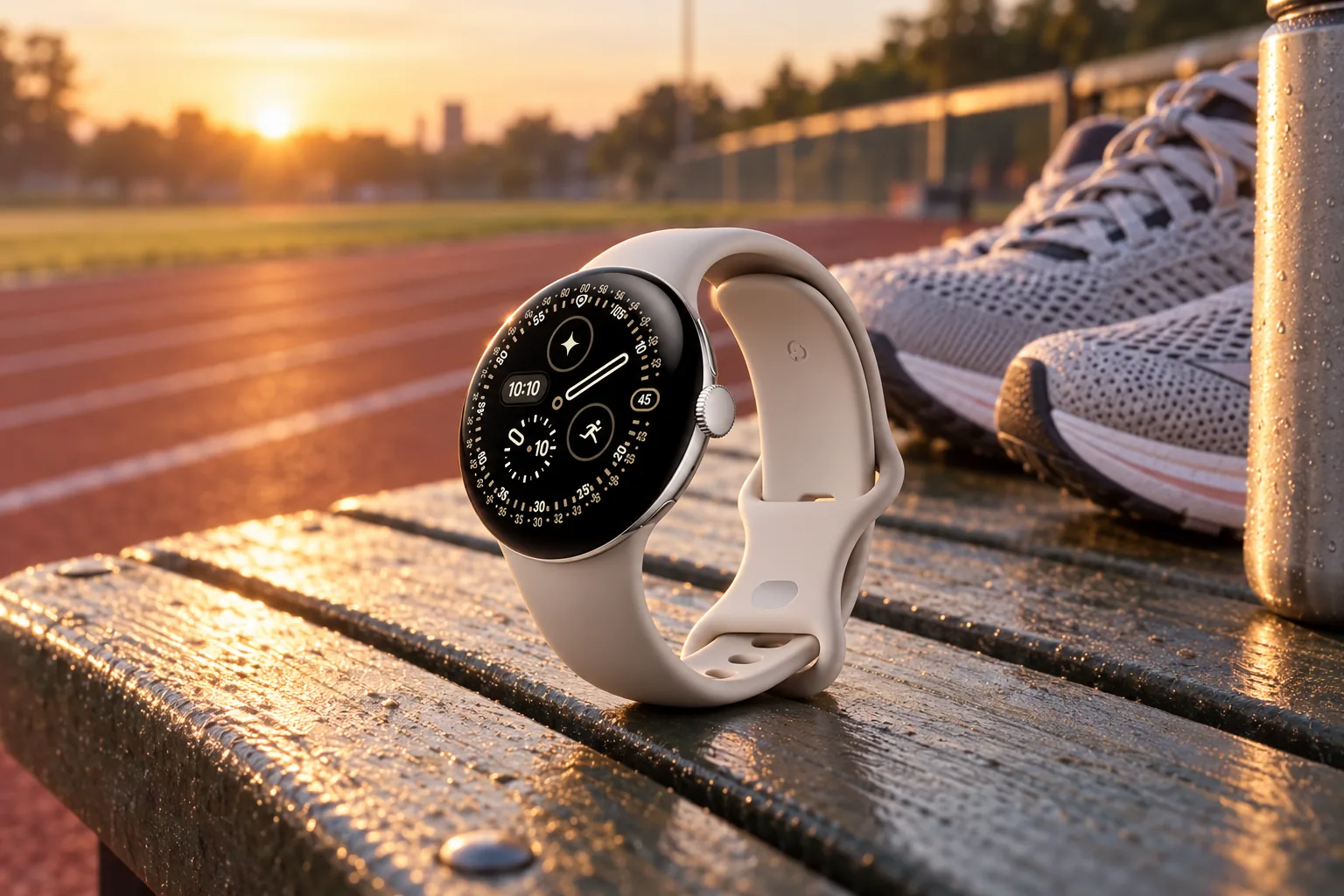
Samsung Galaxy Watch Ultra: Where It Wins and Where It Is Outclassed
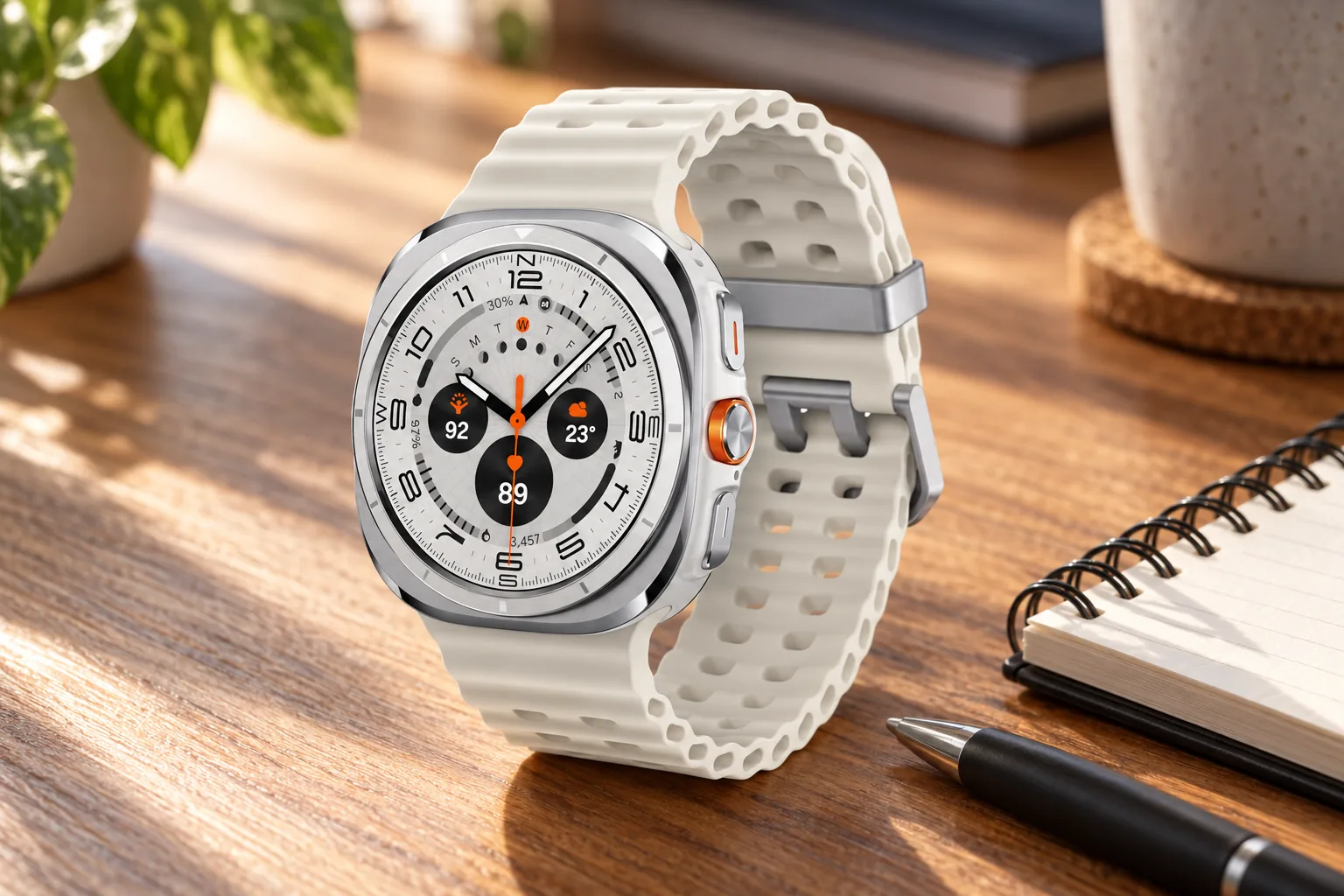
Samsung Galaxy Watch Ultra is the Android adventure watch. Its 590mAh battery, titanium case, sapphire screen, dual-frequency GPS, LTE, 64GB storage and physical Quick Button form a practical package for someone who wants to leave a phone behind without leaving smart features behind.
Reasons to choose it
- LTE is standard, alongside 64GB storage and dual-frequency GPS.
- 10ATM, IP68 and titanium construction suit outdoor and water-focused use.
- Reported endurance reached about 48 to 72 hours in two reviews.
- Its siren, route tools and Quick Button suit active use.
Reasons to think twice
- It is bulky; Consumer Reports and Android Central listed about 94g with Marine Band.
- Notebookcheck recorded around 95 minutes to full, while Consumer Reports recorded 126 minutes.
- Its full health feature set favours Samsung Galaxy phone owners.
- The 2025 version offered limited hardware progress over the 2024 Ultra.
The Galaxy Watch Ultra makes most sense for a Galaxy phone owner who hikes, swims, runs or travels and wants several practical advantages over a compact everyday watch. It is much less persuasive for a small wrist, a person who charges during a quick morning routine, or a non-Samsung Android owner who would lose part of the health suite.
Apple Watch Ultra 3: Where It Wins and Where It Is Outclassed
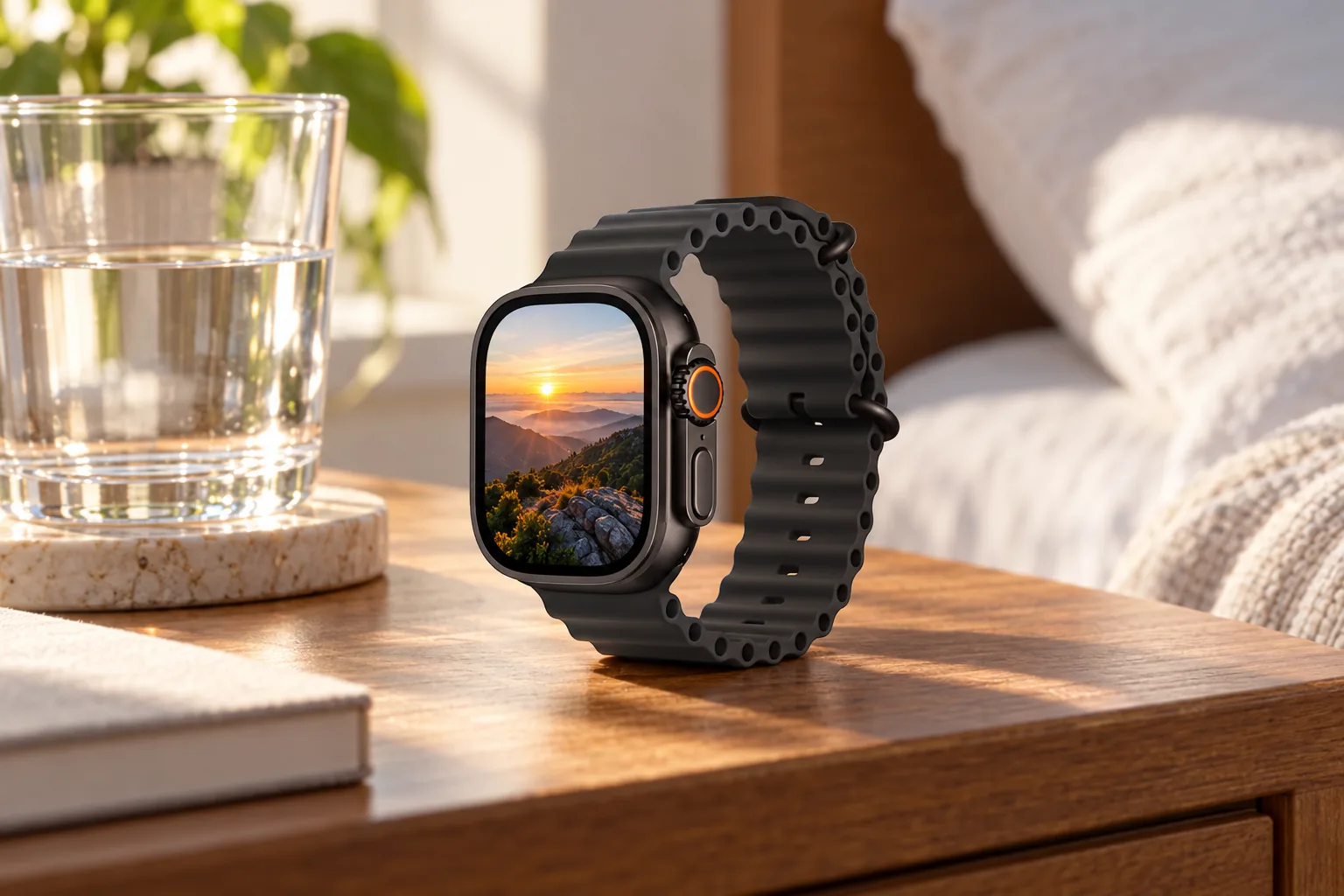
Apple Watch Ultra 3 is the iPhone-only performance option. Its evidence on GPS and heart-rate accuracy is unusually strong, it includes cellular, it has satellite safety capabilities, and it adds meaningful outdoor hardware such as an Action button, depth gauge and water-temperature sensor.
Reasons to choose it
- OutdoorGearLab recorded 16 hours of full GPS, exceeding Apple's 14-hour workout claim.
- Heart-rate comparisons against Polar H10 were within about ±1bpm in OutdoorGearLab's report.
- Satellite Emergency SOS, Messages and Find My add reassurance beyond mobile coverage.
- Its sapphire screen, 100m water rating and 40m dive capability suit serious water use.
Reasons to think twice
- It is the highest-priced watch here at a £749 launch RRP.
- At 61.8g before a band, it is large for continuous wear.
- It cannot pair with Android phones.
- Oceanic+ dive functions require a subscription.
For a committed iPhone owner, Apple Watch Ultra 3 offers an unusually complete blend of smartwatch convenience, safety tools and sports hardware. Its native training analysis is less deep than specialist sports-watch platforms, as Wareable noted, but the app ecosystem gives motivated athletes room to build a more detailed setup.
Frequently Asked Questions
Final Call: Matching the Watch to Your Phone and Your Miles
Android everyday user
Google Pixel Watch 4 is the sensible choice for someone who wants a light, attractive Android smartwatch with rapid charging, Google services and useful sleep and activity tracking.
Samsung Galaxy owner
Samsung Galaxy Watch Ultra earns its size with LTE, robust water and impact protection, a large battery, 64GB storage and outdoor-focused controls.
iPhone athlete or adventurer
Apple Watch Ultra 3 is the clear fit for strong reported fitness accuracy, satellite support, cellular connectivity and diving-capable hardware.
No single watch wins before the phone question is answered
We recommend Google Pixel Watch 4 for Android users who value comfort and everyday polish over ruggedness. Samsung Galaxy Watch Ultra is the purchase for Galaxy owners who need LTE independence, larger-battery potential and a tougher case. Apple Watch Ultra 3 is the logical choice for iPhone owners who want highly credible sports data, satellite communication and a broad app ecosystem — provided the 49mm case and premium price suit them.
Sources: Google Pixel Watch 4 UK specifications and product pages; Samsung UK Galaxy Watch Ultra product pages and launch announcement; Apple Watch Ultra 3 technical specifications and UK launch announcement; 9to5Google, Tech Advisor, TechRadar, Tom's Guide, WIRED, Notebookcheck, Android Central, Consumer Reports, PhoneArena, OutdoorGearLab, Macworld and Wareable.
- Apple Watch Ultra 3iPhone performanceView on Amazon
- Samsung Galaxy Watch UltraGalaxy adventureView on Amazon
- Google Pixel Watch 4Android everydayView on Amazon
Sources and evidence (55)
- support.google.com (other)
- techadvisor.com (other)
- store.google.com (other)
- 9to5google.com (other)
- tomsguide.com (other)
- wired.com (other)
- techadvisor.com (other)
- techradar.com (other)
- cdn.uc.assets.prezly.com (other)
- blog.google (other)
- store.google.com (other)
- support.google.com (other)
- tomsguide.com (other)
- androidauthority.com (other)
- womanandhome.com (other)
- argos-support.co.uk (other)
- samsung.com (other)
- news.samsung.com (other)
- wareable.com (other)
- notebookcheck.net (other)
- androidcentral.com (other)
- consumerreports.org (other)
- phonearena.com (other)
- androidcentral.com (other)
- androidcentral.com (other)
- samsung.com (other)
- samsung.com (other)
- lasystems.be (other)
- apple.com (other)
- support.apple.com (other)
- outdoorgearlab.com (other)
- macworld.com (other)
- techradar.com (other)
- wareable.com (other)
- tomsguide.com (other)
- support.apple.com (other)
- apple.com (other)
- apple.com (other)
- tomsguide.com (other)
- techradar.com (other)
- wareable.com (other)
- macworld.com (other)
- outdoorgearlab.com (other)
- lasystems.be (other)
- apple.com (other)
- apple.com (other)
- apple.com (other)
- store.google.com (other)
- image-us.samsung.com (other)
- idealo.co.uk (other)
- cdn.uc.assets.prezly.com (other)
- androidcentral.com (other)
- androidcentral.com (other)
- wareable.com (other)
- tomsguide.com (other)