
Google Officially Launches Pixel 11 Phones, Watch 5 and Pixel Tag
Google has confirmed the Pixel 11 range’s Tensor G6 chip, 20 August shipping date and UK prices, alongside the Pixel Watch 5 and Pixel Tag.
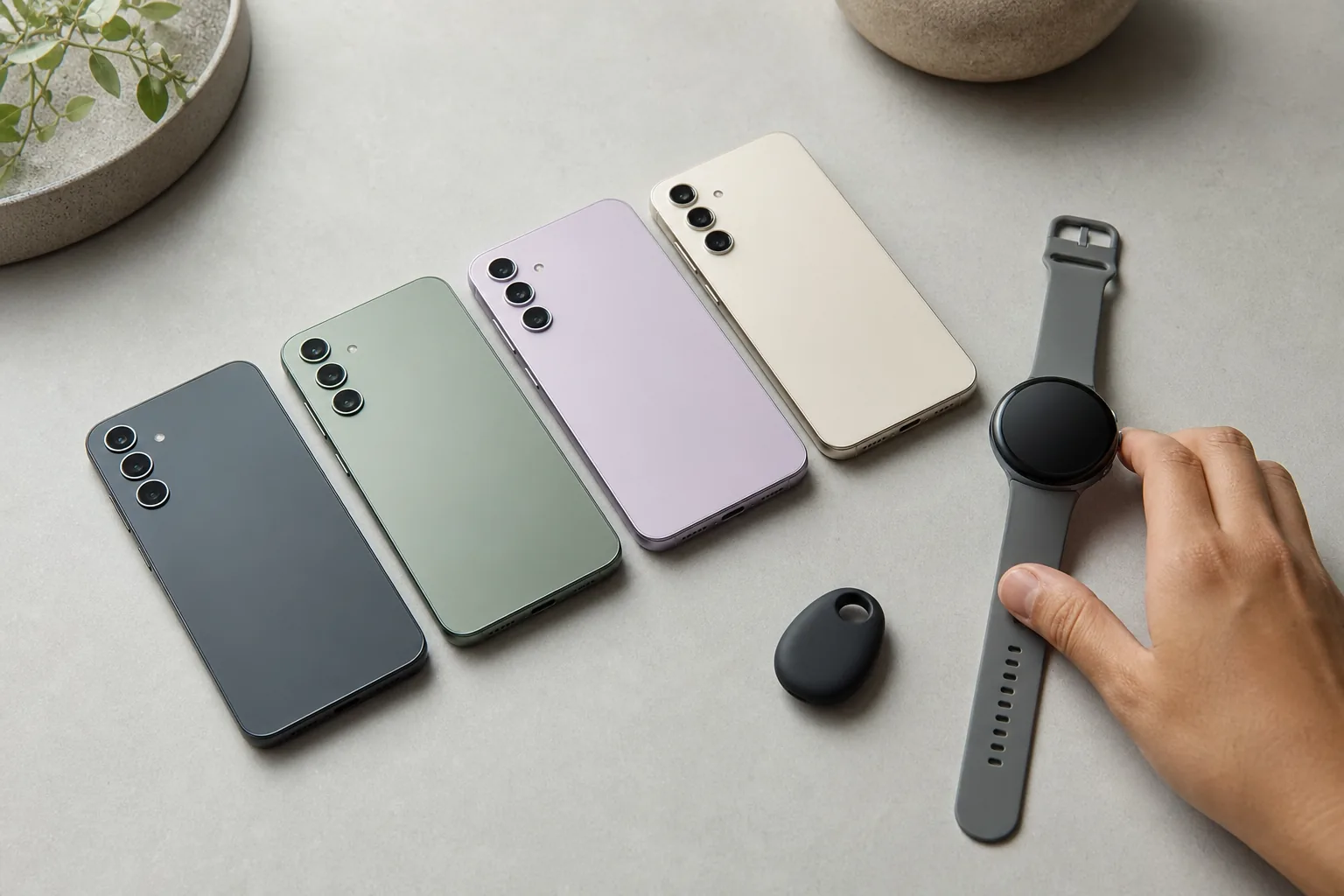
What you need to know
- Google has unveiled four Pixel 11 phones, all powered by its Tensor G6 processor and running Android 17.
- UK Pixel 11 prices start at £879, while the Pixel Watch 5 starts at £369.
- Pixel Tag is Google’s first Pixel-branded Bluetooth tracker, although its UK release timing is not confirmed.
Google has officially launched its Pixel 11 phone range, Pixel Watch 5 and first Pixel-branded Bluetooth tracker, Pixel Tag, at its Made by Google event in New York on Wednesday 12 August. The four phones are available to pre-order now and Google says they will begin shipping on 20 August, with UK prices starting at £879.
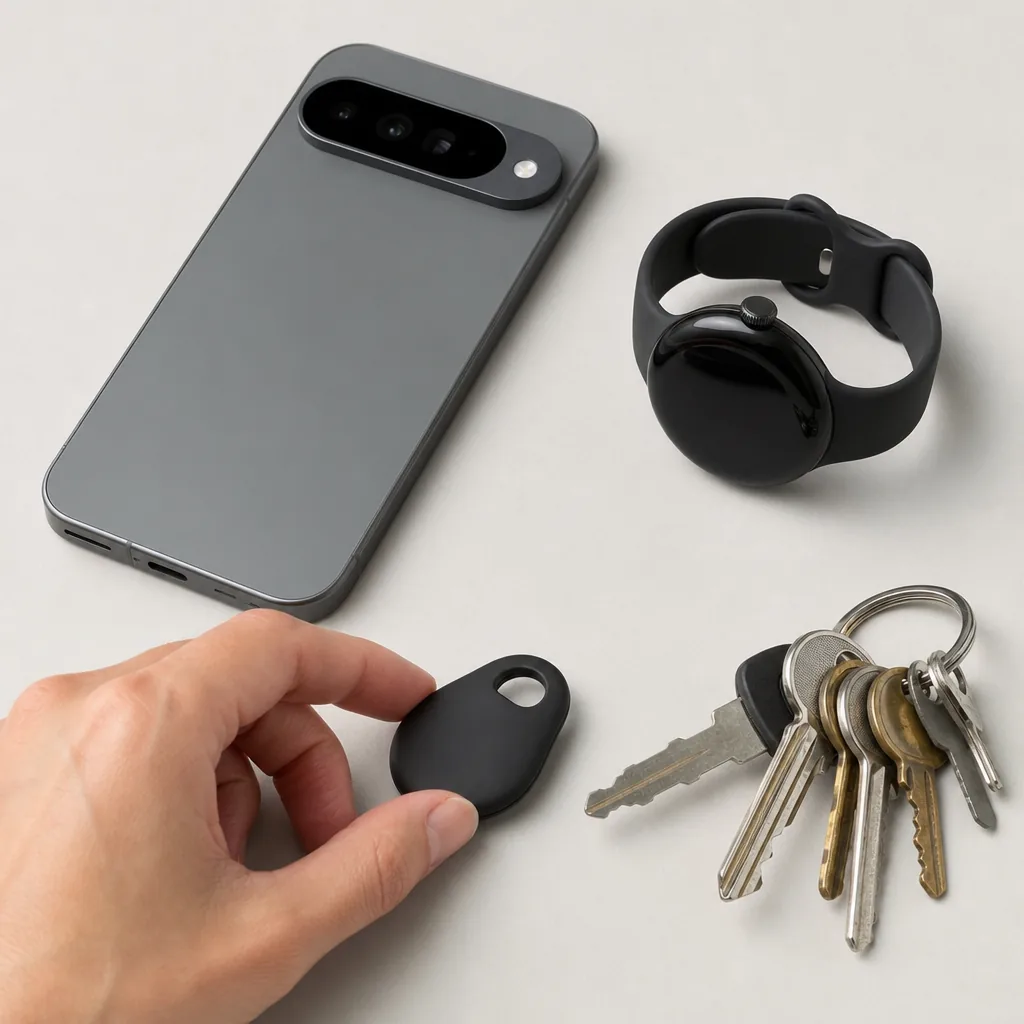
The announcement confirms the core details that had previously appeared in Google’s own Amazon listing. The Pixel 11 family consists of the Pixel 11, Pixel 11 Pro, Pixel 11 Pro XL and Pixel 11 Pro Fold, all running Android 17 and using Google’s new Tensor G6 processor.
Pixel 11 prices start at £879 in the UK
Google has dropped 128GB as the entry-level storage option across the range. Every model now starts with 256GB, a welcome baseline for a premium phone line, though it also contributes to a higher starting cost than the previous generation’s cheapest versions.
- Pixel 11: £879, with 256GB storage
- Pixel 11 Pro: £1,079, with 256GB storage
- Pixel 11 Pro XL: £1,279, with 256GB storage
- Pixel 11 Pro Fold: £1,799, with 256GB storage
TechRadar and T3 reported the UK prices. In the US, every equivalent Pixel 11 model costs $100 more than its Pixel 10 predecessor, although the doubled base storage partly offsets that increase on the standard Pixel 11 and Pixel 11 Pro.
Google says Tensor G6 delivers up to 20% greater power efficiency than Tensor G5, alongside 25% faster web browsing, 15% faster app loading and a Tensor Processing Unit that is 50% more powerful. It also claims faster on-device Gemini Nano processing, including lower-latency live translation and low-light image capture up to 4.5 times faster. Those are Google’s own figures, and independent performance testing has not yet been confirmed.
More zoom, brighter screens and new camera tools
The standard Pixel 11 has a 6.3-inch OLED display with a 1,080 x 2,424 resolution, brightness of up to 3,000 nits and IP68 water and dust resistance. Its camera system comprises a 48MP main camera, 13MP ultrawide and 10.8MP telephoto lens. Google has increased its maximum Super Zoom level to 30x, from 20x on the Pixel 10.
Its 4,985mAh battery is slightly larger than the Pixel 10’s 4,970mAh cell. Google claims more than 30 hours of battery life, although that will naturally vary by settings and use. Colours are Frost, Pistachio, Hibiscus and Obsidian.
The Pixel 11 Pro and Pro XL gain up to 120x Pro Zoom, advanced cooling vapour chambers, up to 1TB of storage and a new circular LED array around the flash called HiLight. According to Google, HiLight can show when Gemini is listening, processing or responding; it can also be assigned colours for favourite contacts and light up for their calls when the handset is face-down.
Google also announced Magic Capture, which takes a series of photos and video with one press before automatically cropping and unblurring the material, plus Camera Looks for consistent HDR+ styles. The Pro models support up to 8K video stabilisation and Creator Suite tools including a teleprompter and enhanced speech processing.
The Pixel 11 Pro Fold has a 6.5-inch outer display, 0.1 inches larger than before, while its outer screen now supports a 1Hz to 120Hz refresh rate. Both displays can reach 3,600 nits, according to Google. The foldable is reported to be 1mm thinner and weighs 8.4oz, down from 9.1oz, although its battery capacity has fallen to 4,750mAh. It comes in Obsidian and Olive.
Pixel Watch 5 adds storage and health features
Google’s Pixel Watch 5 arrives in 41mm and 45mm versions, priced from £369 and £399 respectively in the UK. LTE versions cost extra. The watch uses Qualcomm’s Snapdragon W5 Gen 2 Accelerated chipset, has 64GB of storage — double the Pixel Watch 4’s capacity — and an Actua 360 domed display protected by Gorilla Glass.
Google claims the chip is 20% faster than that of the Pixel Watch 4. Battery estimates are up to 30 hours for the 41mm model and 40 hours for the 45mm version, or up to 72 hours in battery saver mode. Both have an IP68 rating and water resistance to 50 metres.
New and expanded fitness features include blood-pressure pattern tracking, insulin-resistance trends, Breathing Emergency Detection, sleep-breathing-quality data, a redesigned Morning Brief and Readiness Score. TechRadar reported that insulin-resistance trends are expected in September rather than at launch, although that timing could change. Google describes the watch as “your active partner, with audio and visual cues for every set and rest period.”
Pixel Tag enters the tracker market
Pixel Tag is Google’s first tracker under the Pixel name. It works with Android 9 or later through the Android Find Hub network, combining Bluetooth with an ultra-wideband chip for precision finding. Owners can make it ring via a Pixel Watch or control it through Gemini on Pixel Buds.
US pricing is $30 for one Tag or $100 for a four-pack. Google has not confirmed UK pricing, and the tracker’s precise UK availability remains unclear: Engadget reported an initial 20 August shipping date for the announced devices, while Android Central reported that Pixel Tag would not ship until November. For now, the confirmed 20 August date applies to the Pixel 11 phones.
Why it matters
Google is raising the entry price of its mainstream handset, but the move to 256GB as standard means buyers are no longer paying flagship money for 128GB storage. The more meaningful question is whether Tensor G6’s claimed efficiency, AI and camera improvements hold up outside Google’s own testing. For UK buyers, the Pixel Tag’s lack of confirmed local pricing and release timing leaves Apple’s AirTag and existing Android tracker options relevant for now.