
Pixel 11 Pro First Look: Is Google's AI flagship ready for the iPhone 18?
Google's compact Pro phone arrived with a brighter screen, familiar camera hardware and a long software promise. The harder question is whether Tensor G6 makes its Gemini ambitions feel convincing beyond the launch presentation.
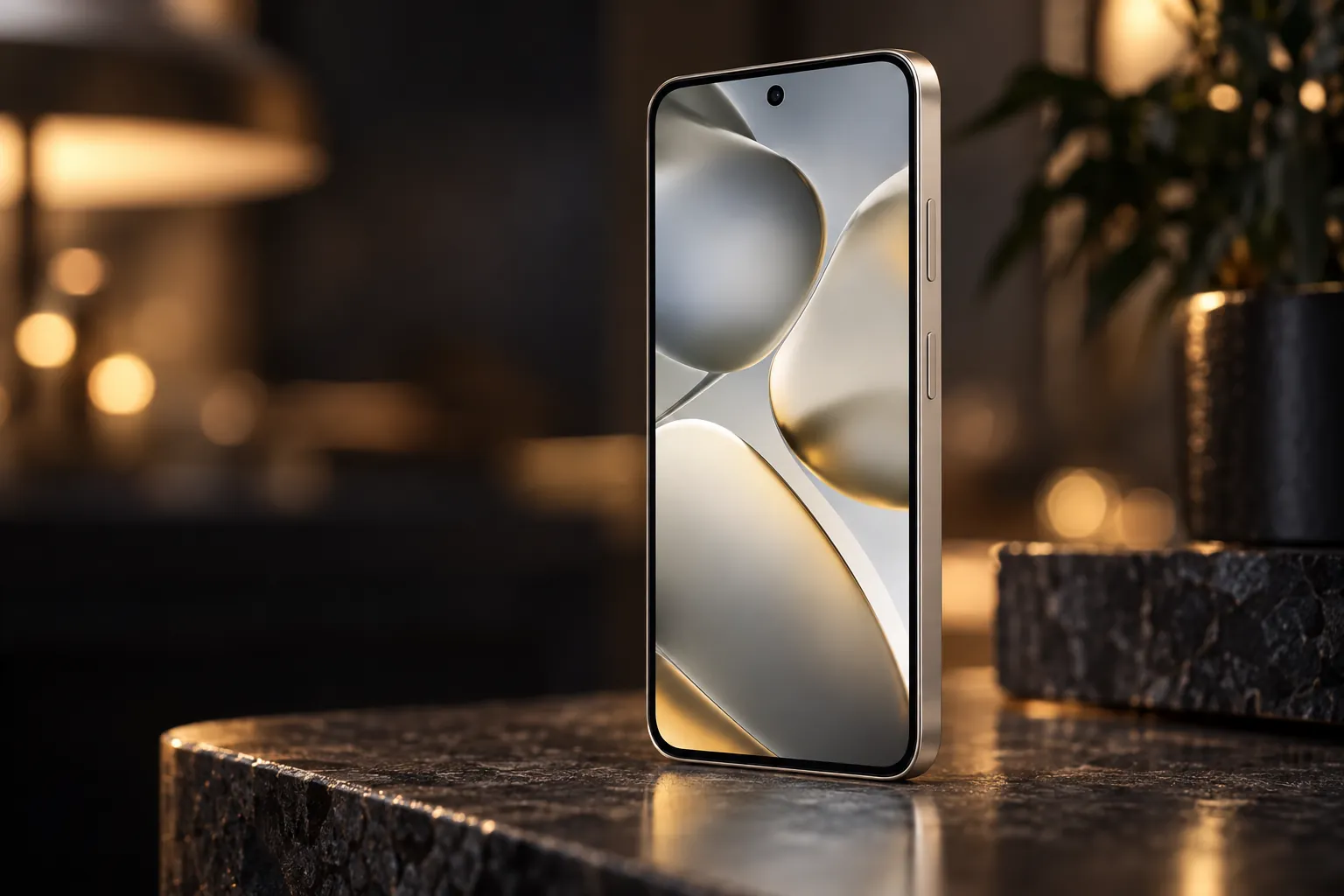


Choose it for the bright 6.3-inch display, versatile cameras, useful Pixel software and seven years of updates.
Check price on AmazonWe link to the exact model on Amazon UK. Prices change often, so check the live price before you buy. As an Amazon Associate we earn from qualifying purchases.
You are standing on a crowded train platform, trying to frame a moving subject before the moment vanishes, dictate a coherent message without pecking at a screen, and keep the display readable in autumn glare. The short answer: we recommend the GOOGLE Pixel 11 Pro - 256 GB, Obsidian for buyers who want a pocketable Android flagship centred on photography, voice-led Google software and seven years of updates. It is less persuasive for demanding games, sustained heavy workloads or buyers who want maximum memory headroom at this price.
The Pixel 11 Pro went on general sale in the UK on 20 August 2026 after Google announced the range on 12 August. It arrived in a market where the iPhone 18 conversation is as much about performance and ecosystem confidence as it is about cameras. Google's answer is characteristically different: use Tensor G6 not to chase the largest benchmark figure, but to make the camera and Gemini tools feel more woven into daily tasks.
For a UK buyer choosing an unlocked phone, that makes the decision unusually practical. The handset supports one nano-SIM and eSIM, so it can suit someone moving an existing physical SIM while also needing an eSIM line. Its UK model is specified for Sub-6GHz 5G rather than being a generic imported variant. That is useful reassurance, but it does not alter the core question: whether you value Google's software experience more than outright gaming power, faster competing chips or the longest measured battery results.
| At a glance | GOOGLE Pixel 11 Pro - 256 GB, Obsidian |
|---|---|
| UK configuration | 256GB storage, 12GB RAM, Obsidian finish |
| Display | 6.3-inch Super Actua LTPO OLED, 1–120Hz |
| Processor | Google Tensor G6 with Titan M3 security coprocessor |
| Rear cameras | 50MP wide, 48MP ultrawide, 48MP 5x telephoto |
| Battery | 4,850mAh typical capacity |
| Charging | Up to 55% in about 30 minutes with a 30W USB-C PPS charger or higher |
| Support commitment | Seven years of Android OS, security and Pixel Drop updates |
| UK RRP at launch | £1,079 |
GOOGLE Pixel 11 Pro - 256 GB, Obsidian: What's Actually New?
This is the standard-size Pro rather than the 6.8-inch Pixel 11 Pro XL. The exact UK handset is model GA10869-GB, with Google's UK network specification listed as GM45K. It pairs 256GB of fixed storage with 12GB of RAM; there is no microSD expansion.
Check today's price: GOOGLE Pixel 11 Pro - 256 GB, Obsidian on Amazon UK
At 152.7 x 71.9 x 8.4mm and 204g, it is a dense, compact flagship rather than a small phone. Its recycled-aluminium frame, silky matte glass back and IP68 rating put it firmly in premium territory, while the Obsidian version uses a matte, fingerprint-resistant finish. There are fingerprint and face unlock options, a nano-SIM slot alongside eSIM support, Wi-Fi 7, Bluetooth 6, NFC, ultra-wideband and USB-C 3.2.
In day-to-day terms, the standard Pro makes most sense for somebody who wants full Pro camera hardware but regularly uses a phone one-handed, carries it in a smaller pocket or simply finds a 6.8-inch handset cumbersome. The trade-off is clear when compared with the Pro XL: the larger model has a 6.8-inch display, a bigger 5,115mAh typical battery and a more ambitious wired-charging claim, but it is also 226g and substantially taller and wider. Neither model has expandable storage, so choosing capacity before purchase matters more for people who keep large photo and video libraries on-device.
TechRadar's central criticism was that the Pixel 11 Pro looks and feels close to the Pixel 10 Pro it replaced. The headline physical changes are an all-glass camera bar, a brighter and more scratch-resistant display, and HiLight: a rear notification light intended to surface selected alerts without turning the handset over.
The upgrade context
For an owner of a Pixel 10 Pro, the design and camera hardware changes are restrained. For somebody on an older phone, especially a Pixel 9 generation handset or earlier, the compact Pro format, updated display and expanded Pixel software package make a more substantial case.
The Screen Google Wants You to Notice First
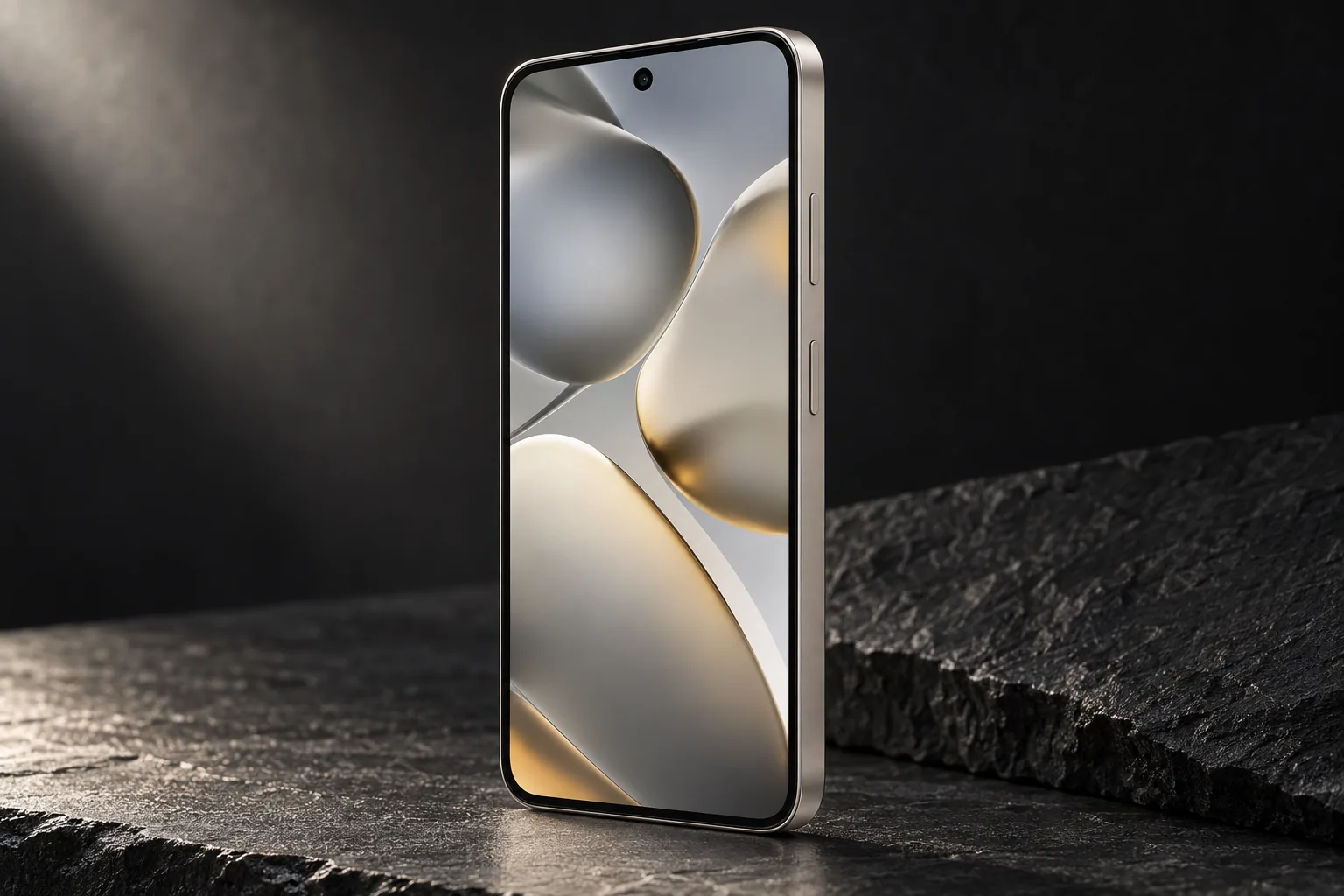
The 6.3-inch Super Actua panel is an LTPO OLED with a 2,856 x 1,280 resolution, 495ppi density and a variable 1–120Hz refresh rate. It is protected by Gorilla Glass Victus 2 with an anti-scratch coating. These are not merely specification-sheet upgrades: a sharp, high-refresh screen matters every time you scroll maps, read messages or line up a photo.
Google specifies up to 2,400 nits in HDR and 3,600 nits peak brightness. Tom's Guide recorded 2,860 nits peak brightness, a figure below Google's maximum claim but very close to the 2,877 nits recorded for the larger Pixel 11 Pro XL. Tom's Guide described the Pro models as the brightest phones it had measured, while TechRadar praised crisp text, vivid colour and outdoor visibility.
The distinction matters. Manufacturer peak figures and publication measurements use different conditions, so neither number replaces the other. The meaningful buying point is that independent reporting supports the claim that the display is highly readable outdoors, while the 6.3-inch footprint remains easier to manage than Google's larger Pro XL.
That combination will be felt more often than a benchmark score. A commuter checking a platform display, a walker using maps outside or a parent trying to view camera framing in daylight has a concrete reason to value the panel. The 1–120Hz range also gives Google scope to balance fluid scrolling against efficiency, though it does not turn the Pixel into a battery-life leader. Buyers who mainly want a bigger canvas for video, documents and editing should still consider whether the Pro XL's 6.8-inch screen is worth its added size and weight.
Inside the Phone: Tensor G6 Under the Benchmark Microscope
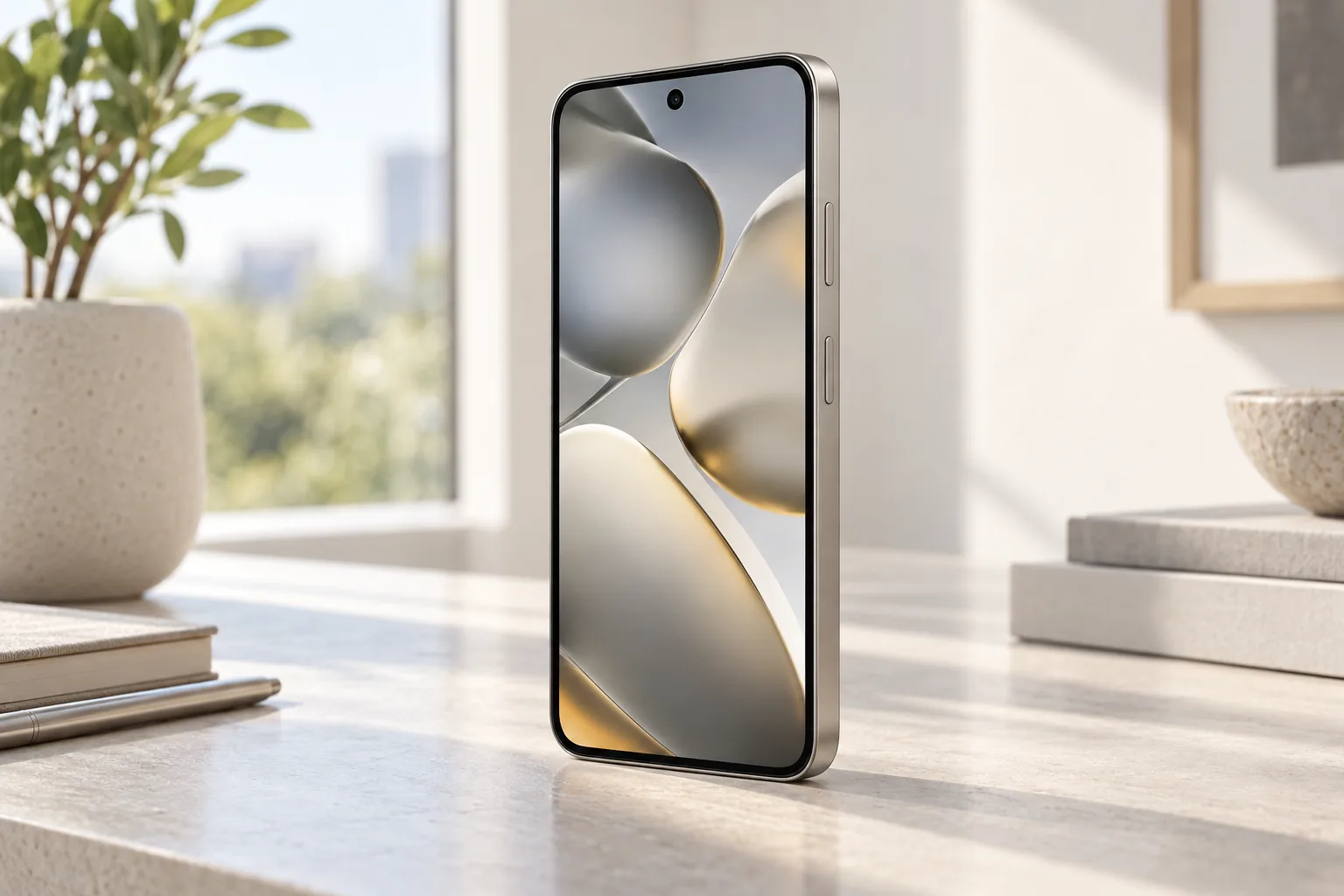
Tensor G6 powers the Pixel 11 Pro alongside Google's Titan M3 security chip. This Amazon UK configuration has 12GB RAM; the 512GB and 1TB Pixel 11 Pro versions have 16GB. That split is uncomfortable in a phone marketed around Gemini and local AI capability, because the buyer who wants the greater memory allocation must also pay for more storage.
Tom's Guide reported Geekbench 6 scores of 2,649 single-core and 7,164 multi-core, plus 3,113 in 3DMark Wildlife Extreme Unlimited at an average 18.65fps. Its Geekbench AI score was 9,148. Those are useful indicators of potential rather than a complete prediction of everyday responsiveness, but they establish where Google sits against the flagship performance conversation.
| Tom's Guide figures | Pixel 11 Pro | Galaxy S26 Ultra | iPhone 17 Pro Max |
|---|---|---|---|
| Geekbench 6 single-core | 2,649 | 3,785 | 3,871 |
| Geekbench 6 multi-core | 7,164 | 11,563 | 9,968 |
| 3DMark Wildlife Extreme Unlimited | 3,113 / 18.65fps | 6,645 / 39.8fps | 5,855 / 35.03fps |
| Geekbench AI | 9,148 | 83,047 | 48,549 |
Tensor G6 therefore trails substantially in these figures, particularly graphics and AI benchmarking. Tom's Guide also reported that the iPhone 18 Pro reached 4,022 single-core and 11,543 multi-core in Geekbench 7, although Geekbench 7 results should not be treated as directly interchangeable with the Geekbench 6 numbers above.
Performance figures explain why the Pixel is not the obvious choice for intensive gaming. They do not mean normal Android use is slow: TechRadar described the phone as responsive in daily use. The concern is value at £1,079 when workloads become sustained, graphics-heavy or memory-hungry.
A sensible way to read this is by workload. Messaging, maps, browser tabs, camera use and Google's own assistant features are the routine tasks for which reviewers found the phone dependable. A buyer who treats a handset as a gaming device, repeatedly runs demanding titles or values the strongest possible graphics reserve should place more weight on the Galaxy S26 Ultra or Apple alternatives. There is no confirmed independent sustained-temperature measurement here, so it would be wrong to claim a precise thermal result; the benchmark gap and reported gaming weakness are enough to make the trade-off clear.
Gemini, Rambler and the Software Case for Buying a Pixel
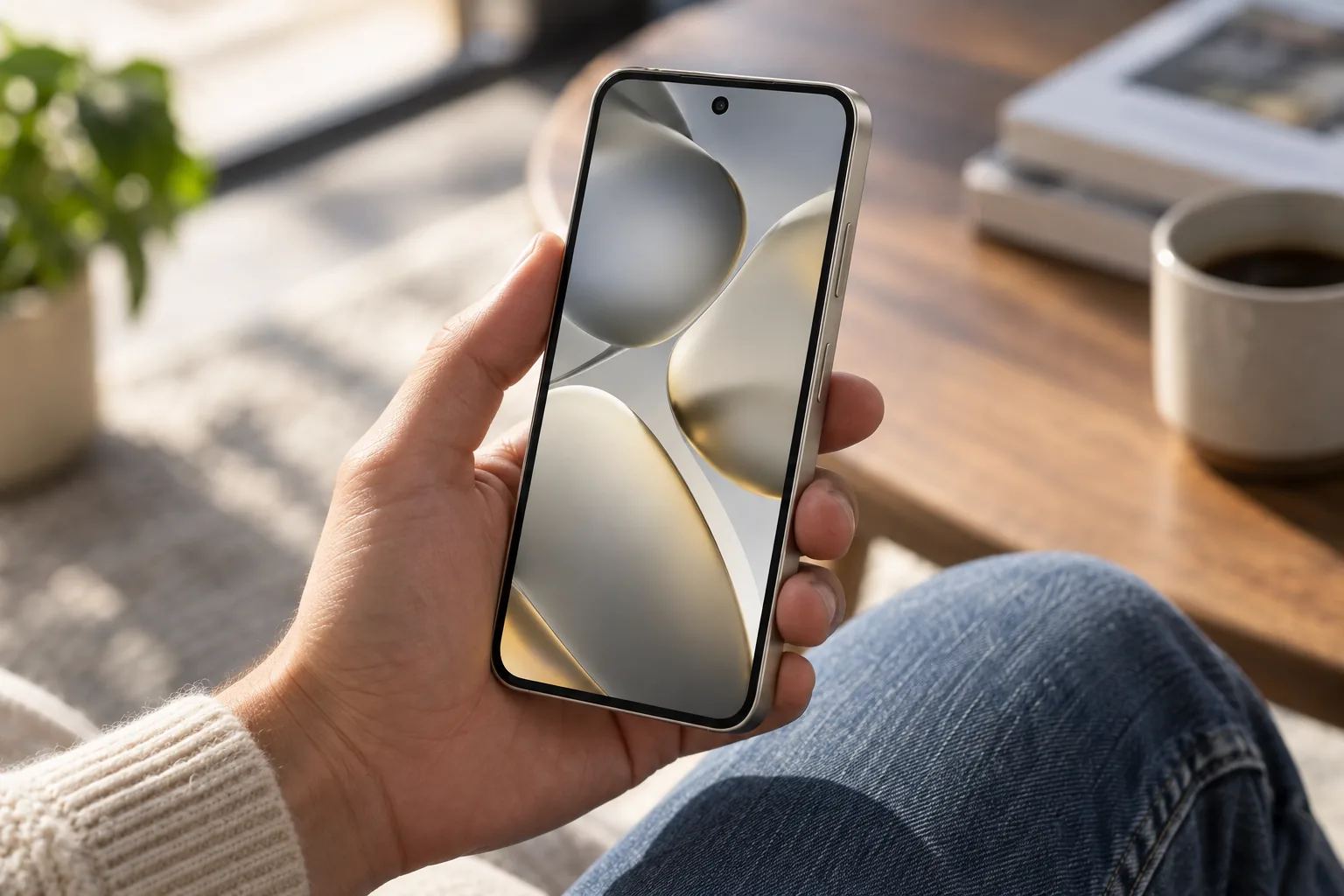
Google's software is the part of the Pixel 11 Pro that most clearly tries to answer Apple's ecosystem pull. Gemini Intelligence, Gemini Nano, Gemini Live, Gemini apps, Circle to Search, Live Translate, Call Assist and HiLight are all part of the package. Some features will matter more than others, but the appeal is a phone that tries to reduce small daily frictions rather than merely generate novelty images.
Rambler voice typing
TechRadar and The Guardian praised Rambler in Gboard for removing filler words and turning loosely spoken thoughts into cleaner written prose.
Translation and calls
Live Translate and Call Assist are practical Pixel tools for travel, calls and messages, rather than camera-only AI features.
Gemini access
Gemini Live and Gemini Nano place Google's assistant tools close to the system experience, with Circle to Search available for visual lookup.
HiLight notification light
HiLight works for a small group of situations, including hands-free Gemini interaction and calls from favourite contacts when the phone is face-down.
Rambler is the more persuasive idea. Dictation is often fast but messy: a spoken note can carry hesitations, repetitions and verbal detours that look awkward when sent unchanged. Both TechRadar and The Guardian considered Rambler a notable improvement because it transforms that raw speech into usable text.
HiLight is less developed. TechRadar called it more gimmicky than essential because of its narrow activation rules. It may grow through software updates, but a buyer should see it as a small convenience rather than a reason to choose this handset.
Setup expectations should remain grounded. The strongest Pixel-specific tools are useful when they match an existing habit: dictating a reply, searching what is on screen, translating text or using Gemini hands-free. They are not a substitute for choosing the right hardware tier. Likewise, Google advertises six months of Google AI Pro, but availability and terms should be checked at checkout because promotional conditions can change. Treat any subscription offer as an extra, not as part of the phone's enduring value.
The Camera System: Where the Pixel 11 Pro Makes Its Strongest Case
Google has not rebuilt the rear camera platform from the ground up, but it has retained a serious three-camera arrangement. The main camera is a 50MP wide unit with an f/1.68 aperture and 1/1.3-inch sensor. It sits alongside a 48MP autofocus ultrawide with Macro Focus, f/1.7 aperture and 123-degree field of view, plus a 48MP telephoto with optical image stabilisation, f/2.8 aperture and 5x optical zoom.
Google lists optical-quality steps at 0.5x, 1x, 2x, 5x and 10x, while Pro Zoom extends to 120x using computational processing. That distinction is essential. At the long end, TechRadar and The Guardian both reported artefacts and painterly-looking results. The mode can be useful for distant reference shots, but it should not be mistaken for a 120x optical lens.
The Guardian described the triple-camera system as very capable across lighting conditions, specifically noting improved light capture and detail from the wide and telephoto cameras. Instant Night Sight drew particular praise because it shortened the wait associated with low-light photographs. Camera Looks provides more direct control over Google's processing character, while Magic Capture records video and automatically extracts still images.
The practical split is straightforward. For family gatherings, children playing or sport, Magic Capture offers an additional route to a usable still when timing is difficult. For architecture, close detail or product shots, the autofocus ultrawide and Macro Focus expand what the compact body can photograph. For concerts, wildlife or distant signs, the 5x lens is the dependable starting point; treat the very highest Pro Zoom levels as a computational option rather than evidence that the phone replaces a dedicated long lens. Video-focused buyers should also note that 8K is delivered through Video Boost, whereas 4K recording is available up to 60fps.
Camera reasons to consider it
- 5x optical telephoto gives the compact Pro more reach than a digital-only setup.
- Autofocus ultrawide camera supports Macro Focus.
- Instant Night Sight was praised by The Guardian for faster low-light capture.
- Magic Capture can help with moving subjects by preserving video and still-image options.
- Pro controls, Camera Looks and high-resolution portrait tools offer more creative input.
Camera limits to remember
- The rear hardware is an evolutionary rather than wholesale change from the previous generation.
- 120x results can look artificial, particularly at the extreme end of the zoom range.
- Many gains come from processing and speed rather than a radically new camera sensor layout.
- 8K recording relies on Video Boost rather than being a straightforward standard capture mode.
Battery and Charging: Solid, Not Spectacular
The Pixel 11 Pro has a typical 4,850mAh battery, with 4,707mAh as its minimum rated capacity. Google claims more than 30 hours under its stated conditions. It supports wired charging to up to 55% in approximately 30 minutes with a 30W USB-C PPS charger or higher, plus Pixelsnap Qi2.2 wireless charging at up to 25W.
Tom's Guide recorded 13 hours 25 minutes in its continuous 5G web-browsing battery run with the display set to 150 nits. That was slightly below the Pixel 10 Pro's 13 hours 43 minutes, the iPhone 17 Pro's 15 hours 21 minutes and the Pixel 11 Pro XL's 14 hours 28 minutes.
The Guardian's mixed-use observation paints a more encouraging everyday picture: just short of two days with about seven hours of active screen use across Wi-Fi and 5G browsing, messaging and photography. That is a useful real-world account, but it is not directly comparable with a controlled browser loop.
Charging does not transform the picture. Tom's Guide reported 51% after 30 minutes, while The Guardian recorded about 54% at that point and around 90 minutes to full using a 30W-or-higher adapter. The box contains a one-metre USB-C-to-USB-C cable and SIM tool, not a power adapter.
Budget for a compatible 30W USB-C PPS adapter if you do not already own one. Google's charging claim depends on the right charger and conditions, and the included cable is USB 2.0 despite the phone itself having a USB-C 3.2 port.
For ownership, this points to a simple routine rather than a miracle battery story. A moderate user may find the Guardian's mixed-use result reassuring; a heavy user who streams, games and spends much of the day on mobile data should expect to charge daily. Qi2.2 Pixelsnap charging offers an alternative for a desk or bedside setup, but wireless charging is not a remedy for the smaller Pro's middling laboratory endurance. If battery and faster wired top-ups outrank pocketability, the Pro XL is Google's more logical in-range alternative.
Value Check: What £1,079 Actually Buys in Late 2026
The exact 256GB and 12GB configuration covered here carried a £1,079 UK RRP. Google positioned the 512GB and 16GB RAM version at £1,199, while the 1TB and 16GB RAM tier was £1,429. The £120 move from the base model to 512GB is therefore also the point at which buyers gain the larger RAM allocation.
Covered configuration
256GB storage and 12GB RAM in Obsidian.
Higher-capacity tier
512GB storage and 16GB RAM.
Maximum-storage tier
1TB storage and 16GB RAM.
Tom's Guide's value criticism is difficult to ignore: the equivalent 256GB model cost more than the previous generation's comparable storage option while base RAM dropped from 16GB to 12GB. Its view was that a discounted Pixel 10 Pro could make more financial sense for buyers who do not need the latest Pixel software additions.
The more generous reading is that 256GB is a practical amount of storage for a camera-focused handset, and 12GB remains substantial for ordinary apps, photography, messaging and navigation. The tension appears when Google's headline story is on-device AI. A buyer investing at this level may reasonably expect the full 16GB allocation without being required to buy more storage.
UK shoppers should therefore compare the live checkout price with the £1,079 list price rather than assuming trade-in credit or a temporary bundle is equivalent to a discount available to everyone. Google Store promotions can change. The Amazon listing covered by this guide is specifically the unlocked 256GB Obsidian handset, so it is the relevant option for someone who wants that colour and storage tier without moving to the larger Pro XL. A cheaper Pixel 10 Pro, if available, is the more direct alternative for value-led buyers; the 512GB Pixel 11 Pro is the relevant alternative for someone who considers 16GB RAM essential.
Who This Phone Is Really For
The Google Pixel 11 Pro is not a universal flagship answer. Its appeal is specific: it is for people who value the Pixel approach to photos, language and useful software, and who do not want the bulk of a 6.8-inch device.
Photography-first buyers
The 5x telephoto, Macro Focus, Instant Night Sight, Camera Looks and Magic Capture are the clearest reasons to choose it.
Voice-heavy users
Rambler is particularly appealing for people who dictate notes, replies and rough drafts throughout the day.
Compact flagship fans
The 6.3-inch screen retains a Pro camera system without moving to the 6.8-inch Pro XL body.
It also suits long-term owners. Google committed to seven years of Android OS, security and Pixel Drop updates, which The Guardian reported would run through August 2033. That does not guarantee a phone will remain physically pristine for seven years, but it improves the case for keeping it rather than replacing it quickly.
Gamers should look closely at the Tensor G6 figures before buying. The graphics result and 18.65fps average in Tom's Guide's 3DMark result place it well behind the Galaxy S26 Ultra and iPhone 17 Pro Max figures in the same comparison. Buyers who keep many demanding applications open, or who want the largest available memory margin for future local AI features, should also account for this model's 12GB RAM.
Existing Pixel 10 Pro owners have the least urgent reason to switch. The display is brighter, the camera software has matured and HiLight is new, but multiple reviewers saw the broader hardware change as modest. Owners of considerably older Pixels have a more straightforward decision.
There is also a clear divide between buyers who need a phone and buyers who need a small production tool. For the former, the base model's camera, bright display, robust connectivity and update policy form a rounded premium package. For the latter, frequent 8K Video Boost work, large local media collections or intensive graphics tasks make the fixed 256GB storage, 12GB RAM and Tensor performance compromises more consequential. The Pixel 11 Pro Fold offers an 8-inch inner display and 16GB RAM, but uses the less capable 30x camera platform; it is not a simple camera upgrade from this Pro.
Quick Answers for UK Buyers
First-Look Verdict: Evolution Dressed Up as an AI Flagship
Google's AI flagship is ready for a particular type of iPhone 18 comparison, but not every one. The Pixel 11 Pro can credibly compete on the things people feel every day: screen readability, photo flexibility, long update support, voice dictation and software tools that help rather than simply decorate the interface. TechRadar, Tom's Guide and The Guardian all pointed to genuine strengths in the display, Magic Capture, Rambler and Instant Night Sight.
But the central contradiction remains. Google's Gemini-first marketing sits beside benchmark results where Tensor G6 trails Apple and Samsung substantially, plus a base configuration limited to 12GB RAM when higher Pixel 11 Pro capacities get 16GB. Battery life is workable rather than category-defining, and the hardware changes will not tempt every Pixel 10 Pro owner.
Decisive take
GOOGLE Pixel 11 Pro - 256 GB, Obsidian is a compelling compact Android flagship for camera-led buyers and people who will genuinely use Google's voice and AI tools. Buy it for the bright 6.3-inch display, capable 5x camera system and unusually long support commitment; pass if graphics power, maximum AI memory or longer measured battery runtime are your priorities.
Who should buy which
There is one verified product in this guide, and it is the right choice for the buyer who wants Google's compact Pro experience rather than a larger handset. The 256GB model is the sensible entry point for photography, navigation, calls, messaging and everyday apps. The case becomes weaker if your buying decision is driven by demanding games or the desire for 16GB RAM, because those needs are not met by this exact configuration.
Buy this precise Obsidian model when compact dimensions, the Pro camera system and Google's software are the priorities, and when 256GB is enough for how you manage photos and video. Move up within the range only if you have a clear reason: the 512GB Pixel 11 Pro adds 16GB RAM, while the Pro XL brings the larger display, battery and faster official charging claim. If your main aim is a lower-price Pixel experience and you can find a discounted Pixel 10 Pro, that previous model deserves a direct comparison before paying full price for this refinement-led generation.
Sources
- Google Store UK — Pixel 11 Pro specifications, charging, cameras, connectivity, box contents and update commitment.
- Tom's Guide — Pixel 11 Pro and Pro XL battery, charging, display and benchmark figures.
- TechRadar — Pixel 11 Pro design, display, software and camera observations.
- The Guardian — Pixel 11 Pro camera, battery and long-term support observations.
- John Lewis — UK configuration and hardware identification for the 256GB Obsidian model.
- GOOGLE Pixel 11 Pro - 256 GB, ObsidianCompact camera flagshipView on Amazon
Sources and evidence (16)
- johnlewis.com (retailer)
- techradar.com (other)
- store.google.com (other)
- tomsguide.com (other)
- theguardian.com (other)
- blog.google (other)
- store.google.com (other)
- business.currys.co.uk (retailer)
- blog.google (other)
- support.google.com (other)
- store.google.com (other)
- store.google.com (other)
- gsmarena.com (other)
- techadvisor.com (other)
- proxy.goincop1.workers.dev (other)
- techadvisor.com (other)