
DJI Lito 1 & Lito X1 Review: The New Beginner Kings — and the £70 Question
DJI's April 2026 Lito twins give first-time pilots a 249g drone with omnidirectional obstacle sensing, 4K/100fps and a 36-minute battery from £299. They're the best cheap drones we've ever flown - but one of them is the wrong buy for most people. Here's our full UK review.
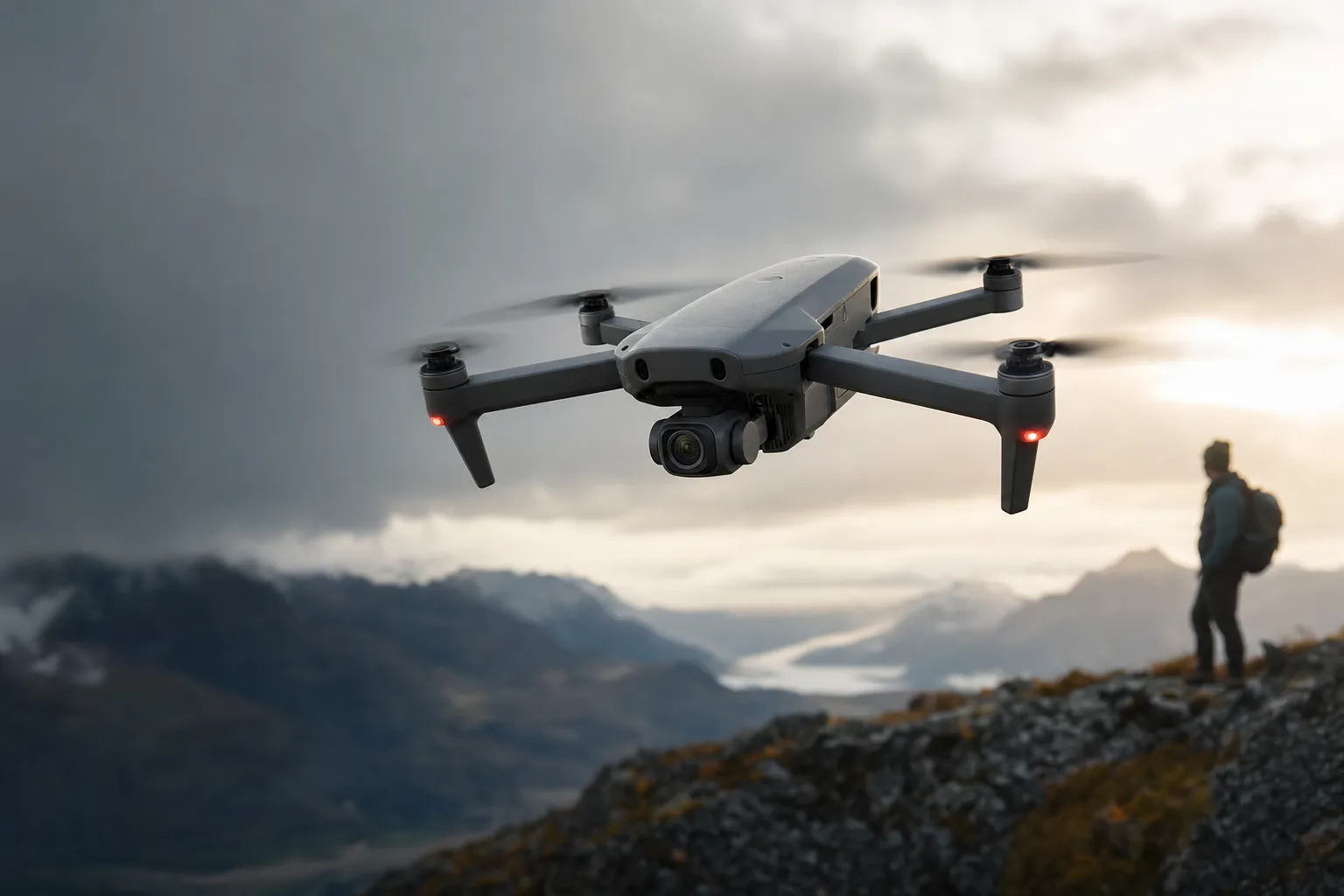

We link to the exact model on Amazon UK. Prices change often, so check the live price before you buy. As an Amazon Associate we earn from qualifying purchases.

See the DJI Lito 1 on Amazon UK
Check today's price & availability on Amazon UK
1. What the Lito series is (and why DJI built it)
The Lito twins are DJI's new entry-level camera drones - proper fold-out-arms, gimbal-up-front camera drones, not palm-launch selfie machines like the Neo 2. Think of them as what the Mini 4K should have been: the same friendly price bracket, but with the safety net and intelligence that used to be reserved for drones costing twice as much.
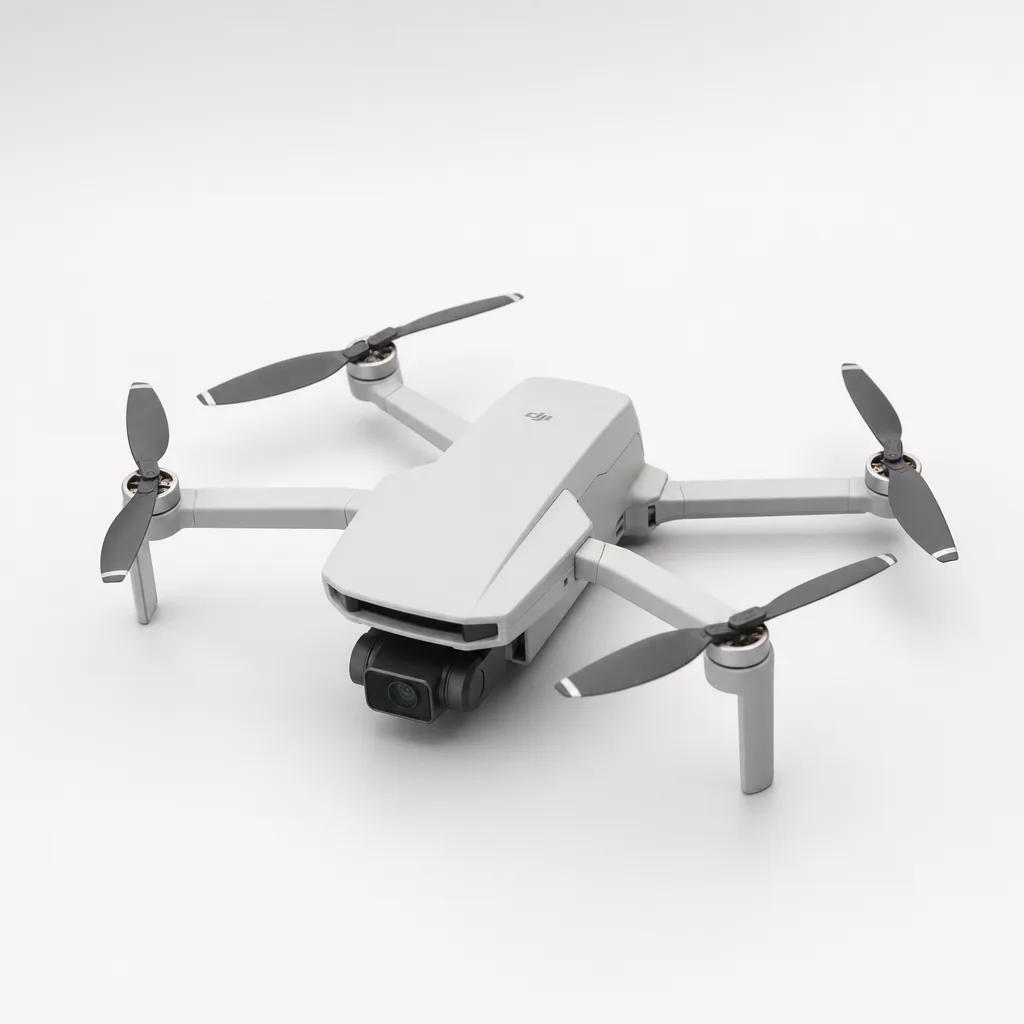
Why two of them? DJI has learned that beginners split into two camps: people who want a drone, and people who want a drone they won't outgrow by August. The Lito 1 (£299) serves the first camp; the Lito X1 (£369) serves the second with a larger 1/1.3-inch sensor, 10-bit D-Log M recording, forward-facing LiDAR and 42GB of internal storage. Everything else - airframe, battery, transmission, tracking - is essentially the same aircraft.
One thing UK buyers should know up front: the Lito series launched globally except the United States, where DJI's regulatory troubles keep it off shelves. That's irrelevant to us here - both drones are freely available in the UK - but it explains why you'll see American YouTubers conspicuously not reviewing them. For once, we get the good stuff first.
2. Design and build: 249 grams of careful lawyering
Both Litos have a standard take-off weight of 249g - one gram under the line that keeps them in the UK's friendliest drone category. Folded, they're small enough for a coat pocket (the X1 measures 144 × 94 × 62mm; the Lito 1 is 5mm longer), and the build quality is a clear step up from the Mini 4K's slightly creaky plastics.
Details we appreciated after two weeks of field use:
- The arms unfold in the right order without a manual. Front arms swing out, rear arms swing down; the drone refuses politely rather than snapping if you try it backwards.
- The gimbal cover is one piece and clips on blind - a small thing, but the Mini series' fiddly two-part cover has scratched more lenses than any crash.
- Wind resistance is rated at 10.7m/s (a fresh Force 5) and both drones held position honestly in gusts along the Dorset coast that had our jackets flapping. Footage stayed level; battery drain climbed, as it always does.
- The X1 operates from -10°C, against 5°C for the Lito 1 - the first spec difference that matters in Britain, where "drone weather" and "above five degrees" only overlap for half the year.
The UK rules, in one paragraph
At 249g both Litos are UK0/C0 class-marked: you can fly them in residential and recreational areas and over uninvolved people (never crowds). Because they weigh more than 100g and carry a camera, you need both a free CAA flyer ID (the online theory test) and a CAA operator ID (a small annual registration at register-drones.caa.co.uk) because they carry cameras, plus the usual 120m height limit and line-of-sight rule. One exception hides in the X1's accessory list - see the battery section, because it changes your legal category.
3. The £70 question: exactly what the X1 adds
Here is the entire real-world difference between the two drones, in descending order of how much it will actually matter to you:
- Sensor: 1/1.3-inch vs 1/2-inch. Both are 48MP, but the X1's sensor is physically larger with a brighter f/1.7 lens (vs f/1.8). In good light you'll struggle to tell them apart; from golden hour onwards the X1 pulls ahead visibly - cleaner shadows, less smearing in the trees.
- 10-bit D-Log M and 4K/60 HDR. X1 only. If the words "colour grade" mean anything to you, this alone settles it - 10-bit Normal H.265 footage from the Lito 1 falls apart if you push it in an edit. If you'll never touch an editing timeline, it's worth precisely nothing.
- Forward LiDAR. The X1 adds a forward-facing LiDAR unit (0.5-10m range) on top of the omnidirectional vision sensing both drones share. In practice it means the X1 keeps sensing obstacles in dim light after the Lito 1's cameras have gone squinty - dusk flights and gloomy woodland are where you notice.
- 42GB internal storage. X1 only. Forget a microSD card once and you'll pay the £70 gladly. Both take cards up to 1TB.
- Close focus: 1m vs 4m. The X1 can focus on something a metre away; the Lito 1 needs four. For fly-through shots and indoor-ish reveals this matters more than it sounds.
- Cold weather: -10°C vs 5°C minimum, as above.
Notice what's not in the list: flight time, range, tracking, safety, controller options and size are all identical. DJI has been unusually honest with the segmentation here - the X1 is the same drone with a better camera and better senses, not a different class of machine.
4. Camera: the end of the 'cheap drone footage' look
Both Litos shoot 4K at 24/25/30/48/50/60 and 100fps, 1080p slow-motion at up to 100fps, and 2.7K vertical video for the short-form platforms, all at a healthy 130Mbps in H.264 or H.265. That spec list embarrasses the Mini 4K (4K/30, no vertical mode) and matches drones from two price brackets up.
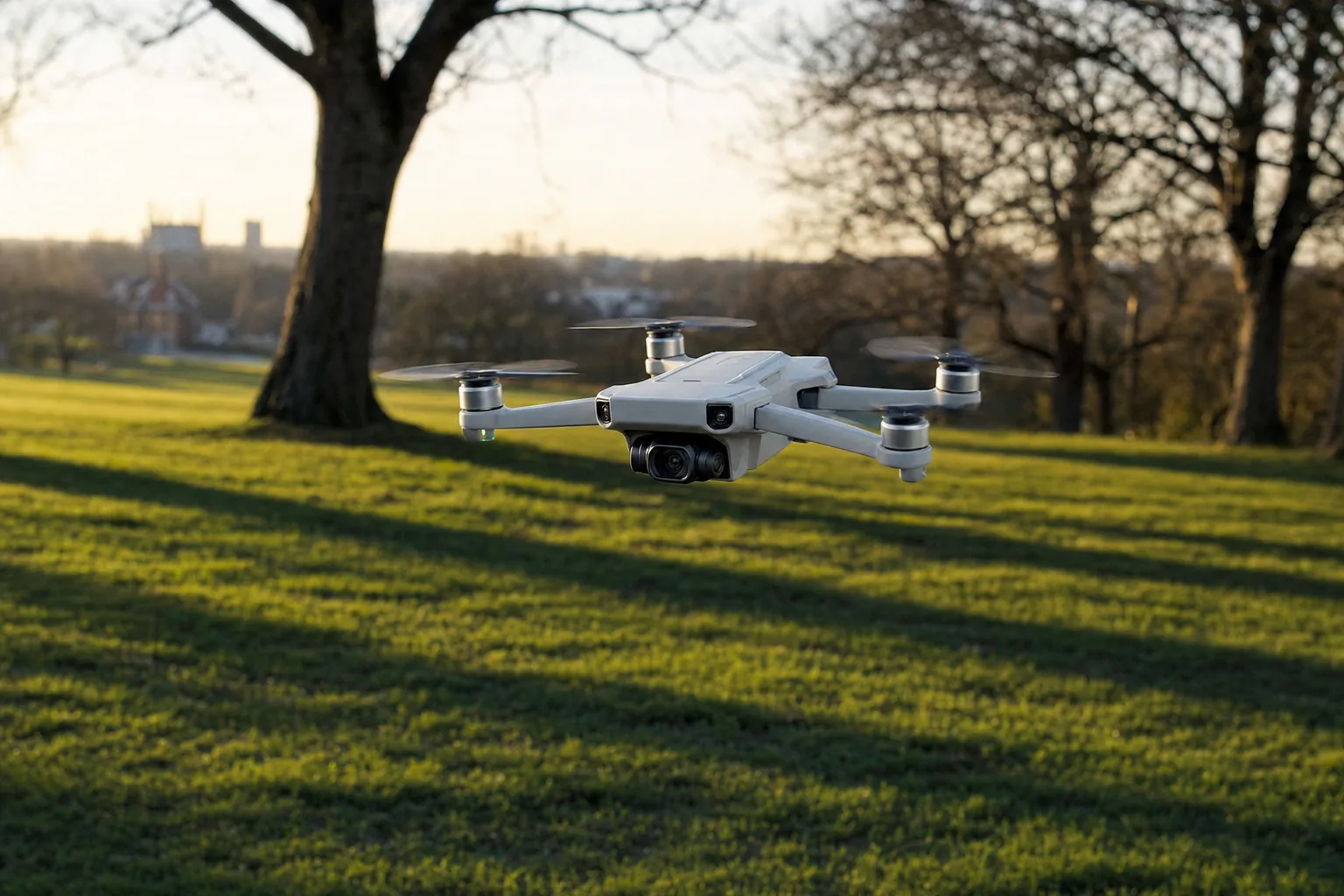
In daylight, footage from either drone is simply good - level horizons from the 3-axis gimbal, natural colours, none of the sharpened watercolour look that used to mark out budget aerials. The 48MP stills mode is genuinely useful for prints and cropping, though as with all quad-bayer sensors the native 12MP output is where the real quality lives.
The differences appear exactly where physics says they should. As light falls the Lito 1's smaller sensor starts lifting noise out of the shadows and its 10-bit Normal H.265 files give an editor nowhere to go; the X1 keeps shape in the darkness noticeably longer and its D-Log M files grade like a much more expensive drone's. Neither will replace a Mini 5 Pro after dark - the 1-inch sensor in that drone remains a different sport - but the X1 gets close enough that most hobbyists will stop wanting.
5. Obstacle sensing and tracking: the real headline
This is the spec that should sell the Lito series to every nervous first-timer: both drones have omnidirectional obstacle sensing. Not forward-only, like every previous drone at this price. Every direction. A £299 drone that watches its own back was science fiction eighteen months ago; the Mini 4 Pro charged £689 for the privilege in 2023.
It works. We flew both Litos deliberately at hedges, swing sets and a dry-stone wall, and they braked or steered around everything a human could see. The system is vision-based (monocular cameras plus infrared), so its weakness is the same as your eyes': fading light. That's where the X1's forward LiDAR earns its keep, holding obstacle detection together at dusk when the Lito 1 starts flying on trust.
ActiveTrack - lock onto a person or vehicle and let the drone follow - is present on both, along with the full QuickShots, MasterShots, Hyperlapse and Panorama suite. Tracking a jogging subject through a tree-lined park, the Litos threaded gaps confidently and re-acquired the subject after occlusions rather than giving up. It's not quite Neo 2-level dedication to the follow-me cause (the Neo 2 will chase you through your own front door if you let it), but paired with the far better camera it produces footage you'd actually keep.
6. Battery life: 36 real minutes - and the 52-minute asterisk
DJI claims 36 minutes per standard battery. Our mixed flying - tracking, some sport-mode silliness, coastal wind - returned 28 to 31 minutes to the 15% warning, which by drone-marketing standards counts as refreshing honesty. Three batteries (the Fly More bundles) is a genuine afternoon of flying.
Then there's the asterisk. The X1 - and only the X1, and only in the £669 Fly More Combo Plus - supports an Intelligent Flight Battery Plus rated for 52 minutes. The catch is that the bigger battery tips the drone over 249g, so that variant ships as a UK1/C1 class-marked aircraft, which costs you some of the fly-anywhere freedom that makes sub-250g drones special. (The flyer ID theory test is required either way — it applies to any drone of 100g or more, not just this variant.) The Lito 1 doesn't support the Plus battery in the UK or EU at all.
Our advice on the Plus battery
Skip it. The whole point of the Lito series is maximum capability inside the friendliest legal category, and 36 minutes is already more than most flights need. If you genuinely need hour-class endurance, you're shopping in the wrong range - and if you just want fewer battery swaps, the standard three-battery combo solves that without changing your legal obligations.
7. Transmission, controllers and the app
Both Litos use DJI's O4 transmission with a rated 8km range under UK/CE power limits and a 1080p/60 live feed. Rated range is a legal fiction anyway - you must keep the drone in sight - but what O4 actually buys you is a feed that doesn't stutter behind trees or in 2.4GHz-soup suburbs, and in two weeks neither drone dropped video once.
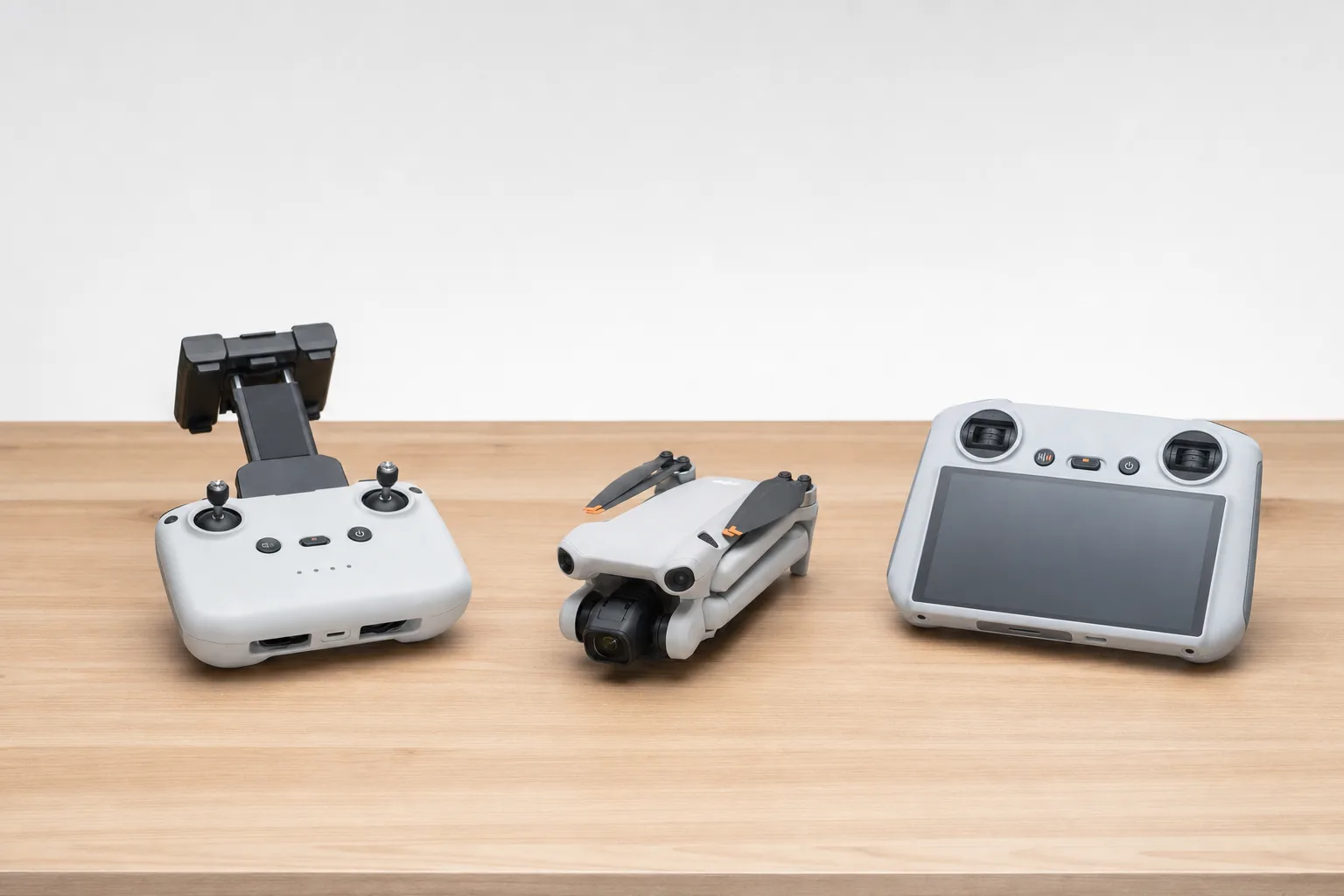
Controller options are shared: the RC-N3 phone-clamp controller in the cheaper bundles, or the RC 2 with its built-in screen in the X1's £599 combo. The RC 2 remains our pick for anyone who's ever tried to see a phone screen in British summer glare or answer a call mid-flight - but it's a comfort, not a necessity.
The DJI Fly app experience is identical to the rest of the range: clear, drilled with UK geofencing data, and with the tutorial mode that remains the best in the business. First flight from box-open to airborne took us eleven minutes, most of which was firmware updates.
8. Prices, bundles and which to actually order
UK pricing at launch (23 April 2026), all verified in stock at the time of writing:
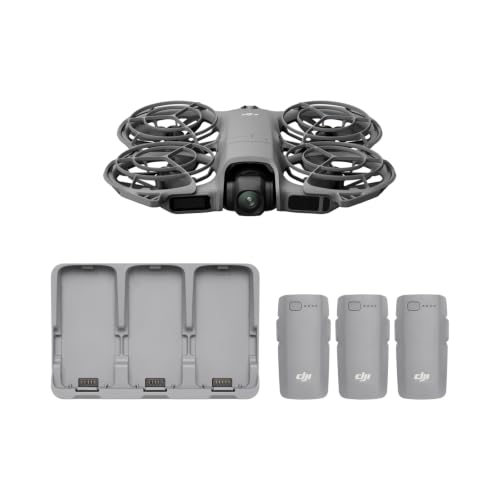
- Lito 1 - £299 with RC-N3; £429 Fly More Combo (three batteries, charging hub, bag).
- Lito X1 - £369 with RC-N3; £509 Fly More Combo (RC-N3); £599 Fly More Combo (RC 2); £669 Combo Plus (RC 2, the UK1-class big-battery variant we'd skip).
See the DJI Lito 1 on Amazon UK
In stock and price-checked at the time of writing
See the DJI Lito X1 on Amazon UK
Drone-only with RC-N3 · the £599 RC 2 Fly More Combo is the DJI Lito X1 Fly More Combo
The buying logic is unusually clean. If the drone will mostly film family days out and holidays in decent light, and editing means "trim the ends in your phone gallery", buy the Lito 1 Fly More Combo and spend the £70 you saved on a 256GB microSD and a pub lunch. If you grade footage, fly at dusk, or simply know yourself well enough to predict upgrade-itis, the X1 Fly More Combo with RC 2 at £599 is the sweet spot of the whole beginner market right now.
9. Lito vs Neo 2 vs Flip vs Mini 4K: the new pecking order
The awkward truth for DJI is that the Lito series mugs its own siblings:
- vs Mini 4K (£269): the Lito 1 costs £30 more and beats it everywhere that counts - obstacle sensing (the Mini 4K has none), tracking, 4K/100fps vs 4K/30, battery, vertical video. The Mini 4K just became the answer to a question nobody should ask.
- vs Neo 2 (£209): different species. The Neo 2 is a self-flying action camera you launch from your palm; the Lito is a proper pilot's drone. If "follow me while I ride" is the whole brief, the Neo 2 still wins on charm and price. For everything else, Lito.
- vs Flip (£369): the painful one - the Lito X1 costs exactly the same. The Flip's full propeller cages remain better for flying around people, and vloggers will miss its palm-launch tricks; but the X1's omnidirectional sensing, LiDAR and longer battery make it the more capable aircraft. Eighteen months after launch, the Flip suddenly looks like a niche pick.
- vs Mini 5 Pro (£689): still safe. The 1-inch sensor, 4K/120 and pro-grade everything justify the gap - but only for people who know why they need it.
We've added both Litos to our full DJI range comparison, which now covers every current consumer DJI drone in one place.
Frequently asked questions
Is the DJI Lito 1 or Lito X1 better for a complete beginner?
Either is the best first drone you can buy right now - the airframe, safety systems, tracking and 36-minute battery are identical. Buy the Lito 1 if footage goes straight to the family group chat; pay the extra £70 for the X1 if you edit or grade your video, fly near dusk, or want the safety margin of LiDAR and internal storage.
Do I need a licence to fly a DJI Lito in the UK?
The standard 249g versions are UK0/C0 class-marked, so you can fly in residential and recreational areas and over (not above crowds of) uninvolved people. You need a £11-a-year CAA operator ID because they carry a camera, and a free CAA flyer ID, because any drone of 100g or more requires the theory test. The X1 Fly More Combo Plus additionally becomes a UK1-class aircraft on the bigger battery, which tightens where you may fly.
Is the Lito X1's LiDAR worth it?
In daylight, no - both drones' omnidirectional vision sensing handles obstacles equally well. From dusk, in gloomy woodland, or against low sun the LiDAR keeps forward sensing working after the cameras struggle. If your flying window is British winter evenings, it's genuinely useful rather than a spec-sheet flex.
Can the DJI Lito shoot vertical video for TikTok and Reels?
Yes - both models shoot 2.7K vertical video produced by digital cropping, plus 4K up to 100fps horizontally and 1080p slow motion. It's one of the clearest advantages over the Mini 4K, which crops.
Why isn't the DJI Lito available in America?
DJI's ongoing US regulatory standoff means the Lito series launched worldwide except the United States. UK stock and support are unaffected - both models are freely available here from launch.
Should I buy the Lito X1 or the DJI Flip at the same £369?
The X1 for most people: omnidirectional sensing plus LiDAR, 36-minute battery and internal storage beat the Flip's forward-only sensing and 31 minutes. Choose the Flip only if its full propeller cages matter - it remains the safer drone to fly close to people, and its palm-launch vlogging tricks are still unique at this price.
Verdict: the best first drones ever made - buy the X1
The Lito series resets what £300 buys in the air. Omnidirectional obstacle sensing, honest 4K/100fps, real 36-minute endurance and DJI's best-in-class app, all at 249g - there has simply never been a safer or more capable way to learn to fly. The Mini 4K era is over.
Lito 1: 8.5/10. Lito X1: 9/10. The Lito 1 loses half a point for 10-bit Normal H.265 files that limit its footage's shelf life; the X1's only real fault is making the £369 Flip and £689 Mini 5 Pro awkward dinner-party company. Most buyers should stretch to the X1 Fly More Combo - the £70 sensor-and-LiDAR upgrade is the rare one you'll still appreciate in year three. For how they stack up against the whole range, our updated full-range DJI comparison is here.
Sources & further reading: official DJI Lito specifications · heliguy's Lito X1 vs Lito 1 breakdown · TechRadar's Lito X1 review · CAA drone registration.
- DJI Lito 1View on Amazon
 DJI Lito X1View on Amazon
 DJI Lito X1 Fly More ComboView on Amazon
 Neo 2View on Amazon