Best DJI Drone 2026: Neo 2 vs Flip vs Mini 5 Pro vs Air 3S vs Mavic 4 Pro vs Avata 2
Six current DJI drones, £209 to £1,879, one definitive UK buying guide. We've reviewed every one of them in full - now they meet in the same arena: specs, image quality, UK rules, controllers, value and a straight answer for every kind of buyer.
 By Priya Sharma · Phones, Tablets & Cameras Editor · Updated July 27, 2026
1. Meet the six: the 2026 line-up in one minute
Updated July 2026: DJI has since launched the Lito 1, Lito X1 and Avata 360 - all three are now fully reviewed and covered in section 8 below, and they change the budget-tier advice.
The fastest way to understand DJI's range is as a ladder of questions. Each rung answers one:
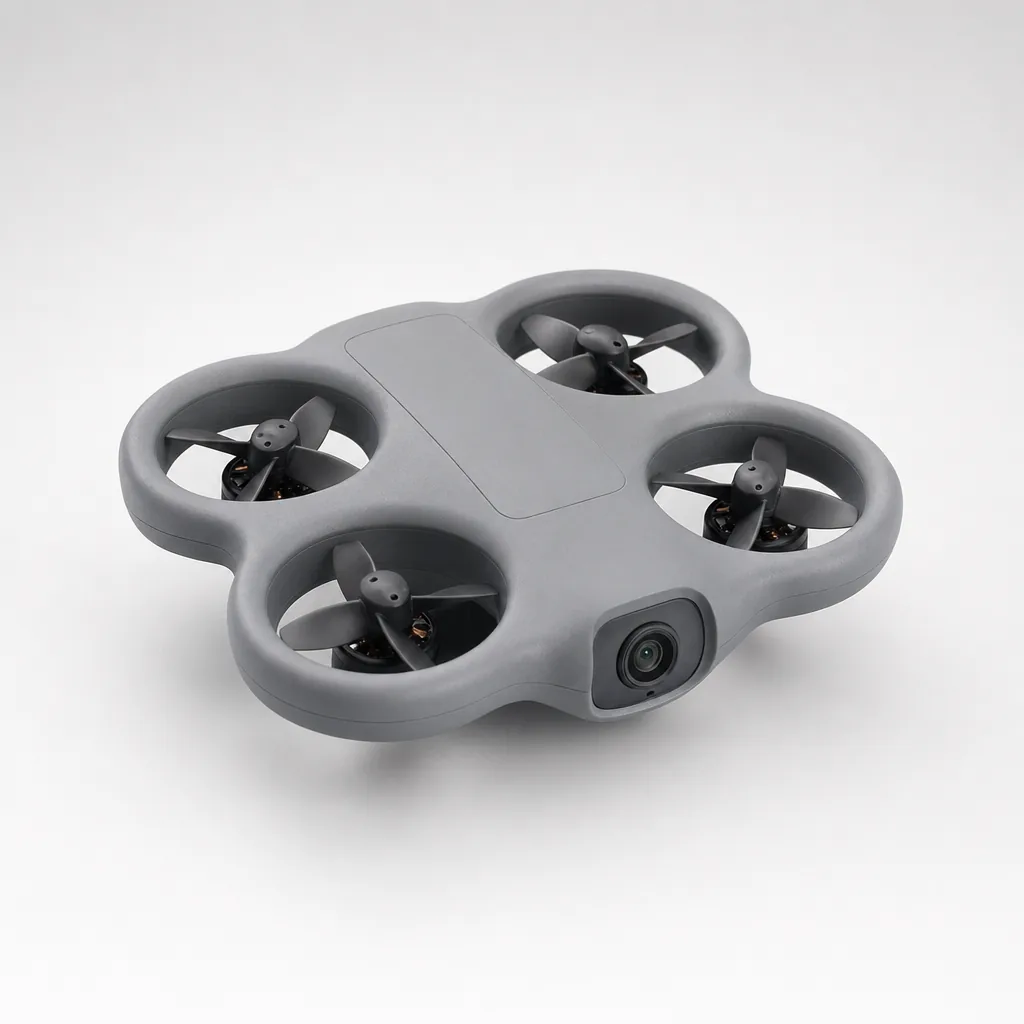
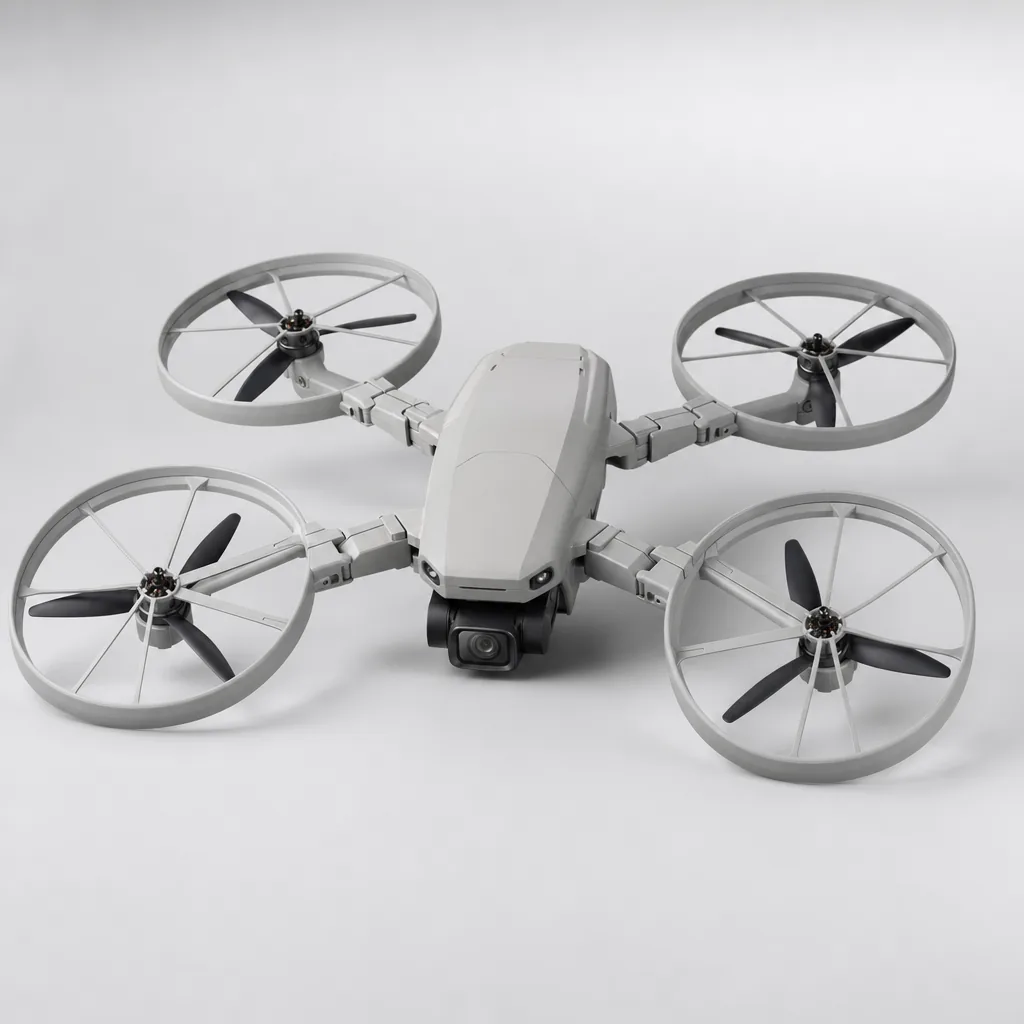
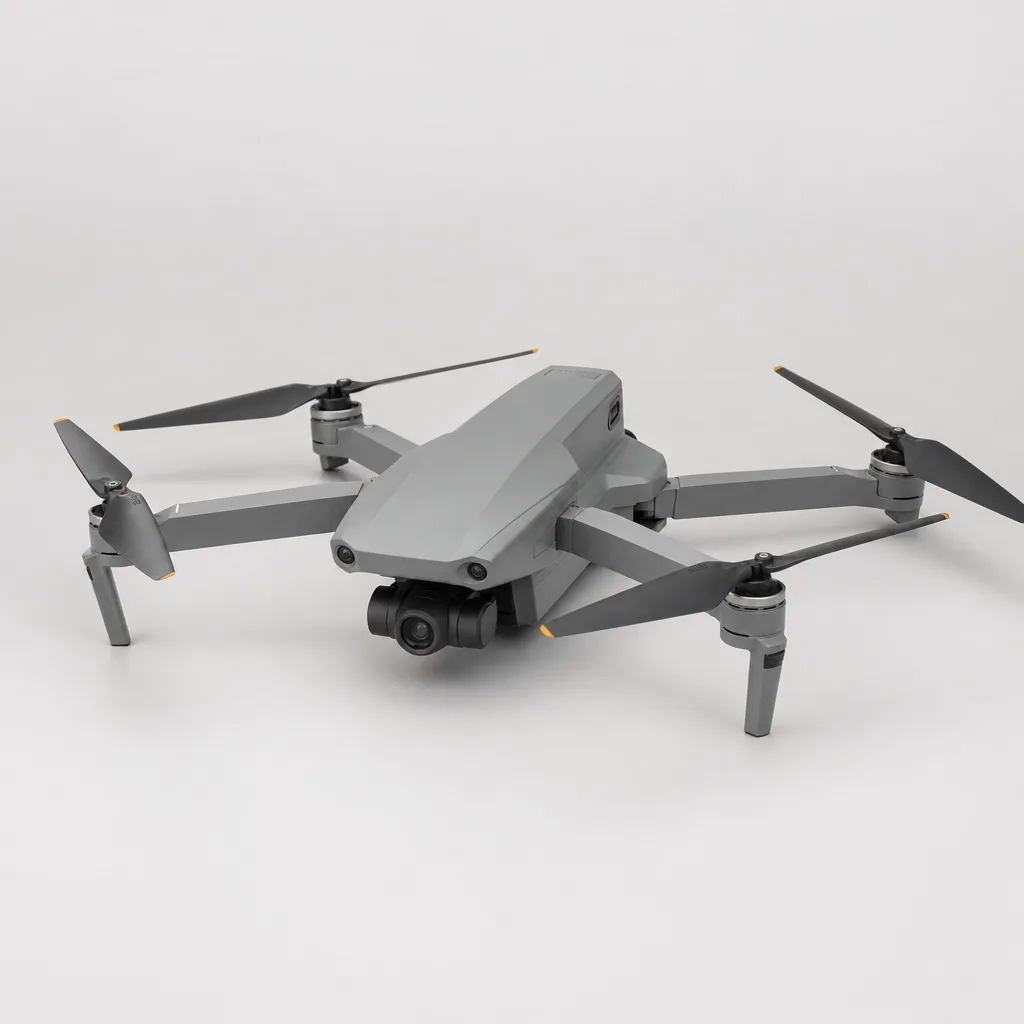
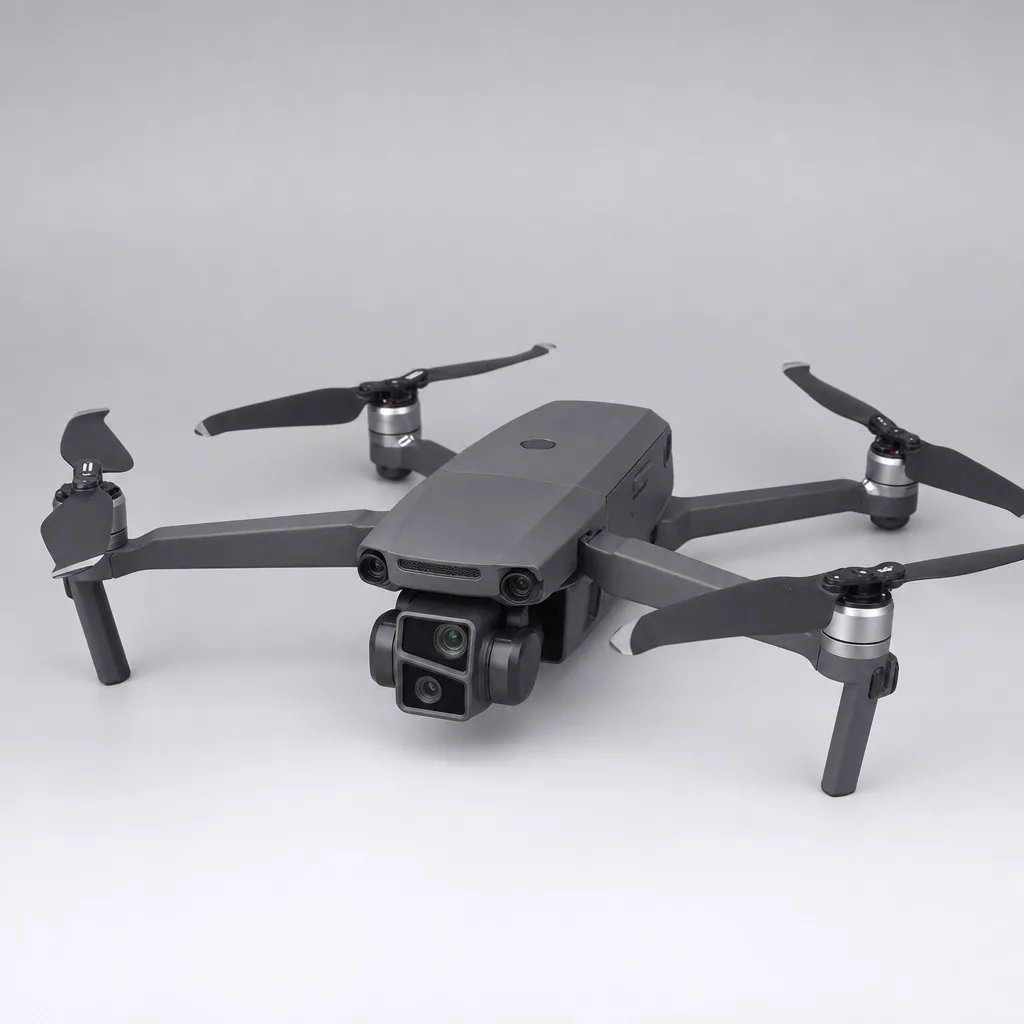
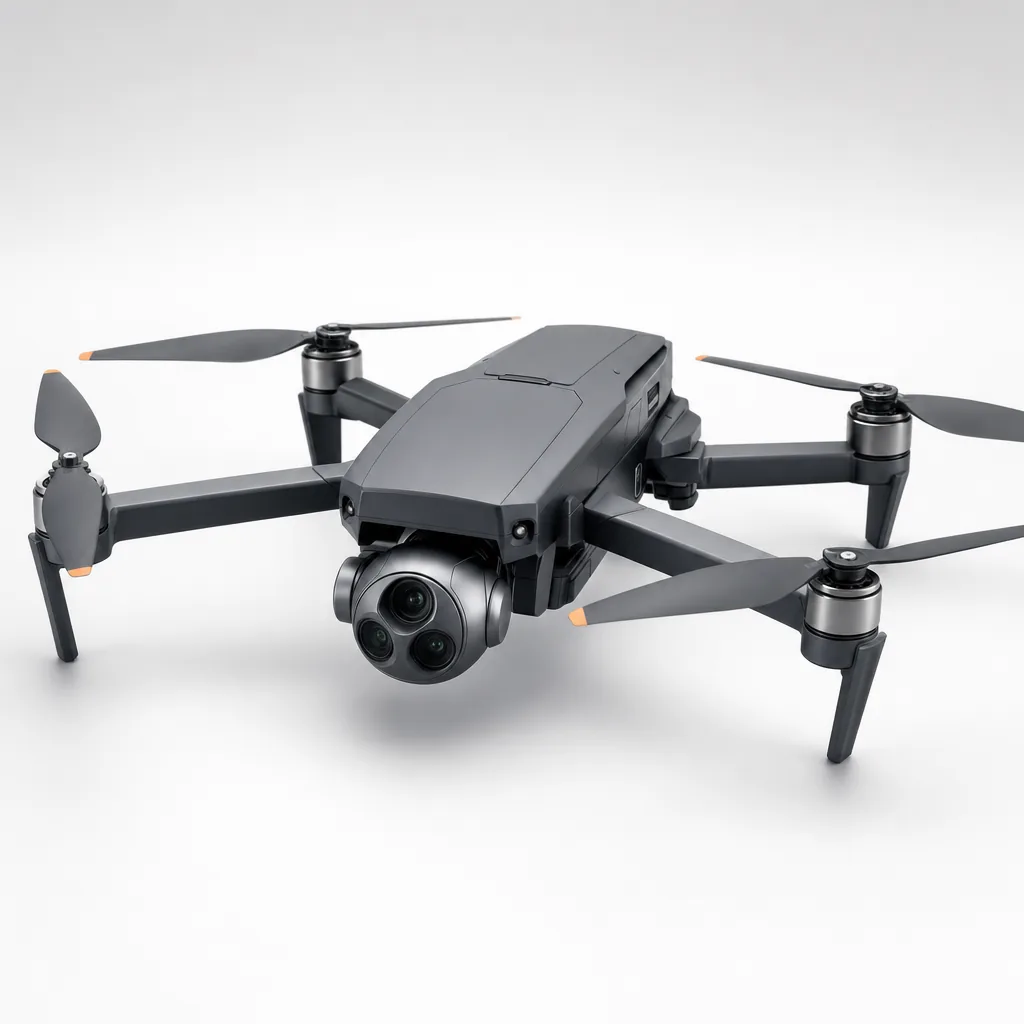
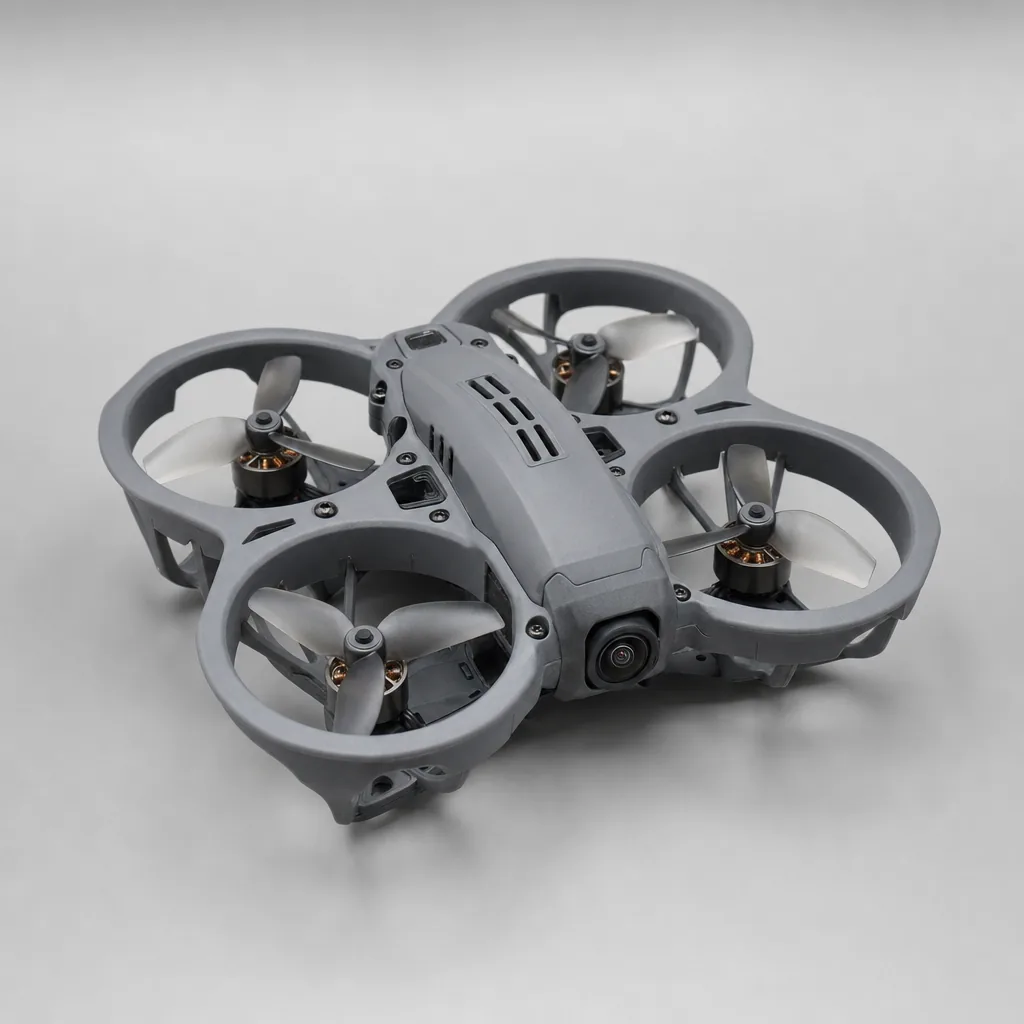
Two retired-but-relevant names you'll still see on shelves: the Mini 4 Pro (now the discounted smart buy for daylight flyers) and the budget Mini 4K (~£269, the cheapest traditional camera drone worth owning). Our older reviews of both remain live, and they appear in the value section below.
2. The mega-table: every spec that matters
Bookmark this. Every number that should influence a 2026 UK buying decision, verified against our individual reviews:
| Neo 2 | Flip | Mini 5 Pro | Air 3S | Mavic 4 Pro | Avata 2 | |
|---|---|---|---|---|---|---|
| Weight | 151g | <249g | 249.9g* | 724g | ~1,063g | ~377g |
| UK class | Sub-250 friendly | Sub-250 friendly | Sub-250 friendly* | 250g+ rules | 250g+ rules | 250g+ rules + observer |
| Main sensor | 1/2", 12MP | 1/1.3", 48MP | 1", 50MP | 1", 50MP | 4/3, 100MP Hasselblad | 1/1.3" |
| Extra lenses | - | - | - | 70mm (48MP) | 70mm + 168mm | - (155° FOV) |
| Top video | 4K/60 (4K/100 slow) | 4K/60 HDR | 4K/120 | 4K/120 | 6K/60 HDR | 4K/60 (4K/100 slow) |
| 10-bit colour | No | D-Log M | D-Log M + HLG | D-Log M + HLG | D-Log | Yes |
| Gimbal | 2-axis + EIS | 3-axis | 3-axis, 225° rotation | 3-axis | 3-axis, 360° Infinity | 1-axis + EIS |
| Obstacle sensing | Omni (vision+LiDAR) | Forward IR | Omni + LiDAR (1 lux) | Omni + LiDAR | Omni + LiDAR | Ducted armour + rear/down |
| Claimed flight | 19 min | 31 min | 36 min | 45 min | 51 min | ~23 min |
| Real flight (our reviews) | 13-15 min | 22-25 min | 25-29 min | 33-38 min | 38-45 min | 12-16 min |
| Prop protection | Full, fixed | Full, folding | None | None | None | Ducted airframe |
| Launch | Nov 2025 | Jan 2025 | Sep 2025 | Oct 2024 | May 2025 | Apr 2024 |
| UK price from | £209 | £369 | £689 | £859 | £1,879 | ~£500-700 |
*Mini 5 Pro: 249.9g ±4g with the standard battery; the optional Battery Plus exceeds 250g and changes its UK class - full detail in our review. Real flight times are our tested figures with sensible reserves, not lab numbers.
3. Image quality, ranked honestly
Having flown and graded footage from all six, here's the order - with the caveats that make the order useful:
- Mavic 4 Pro - a class of one. The 4/3 Hasselblad's files are visibly richer in dynamic range and low light, 100MP stills survive any crop, and the telephoto pair are bonuses nothing else here offers. But: on a phone screen in daylight, the gap to the next two narrows to nearly nothing. You pay for the hard cases.
- Air 3S and Mini 5 Pro (tied, differently) - the same excellent 1-inch sensor class. The Air adds the 70mm tele and wind-steady framing; the Mini adds the rotating gimbal and sub-250g freedom. Landscape stills at dusk: Air by a nose. Creative envelope: Mini. Either embarrasses drones from three years ago at twice the price.
- Flip - the best image per pound in the range. 1/1.3-inch, 10-bit, 4K/60 HDR: properly gradeable footage that intercuts with the tier above in good light. Falls behind only as light falls.
- Avata 2 - judged as motion footage, brilliant; the 155° energy is its own genre. Judged for stills or low light, it's here - and doesn't care.
- Neo 2 - honest, social-ready 4K that its £209 price forgives instantly. The only one whose footage you wouldn't sell - and the one most likely to capture moments nothing else was airborne for.
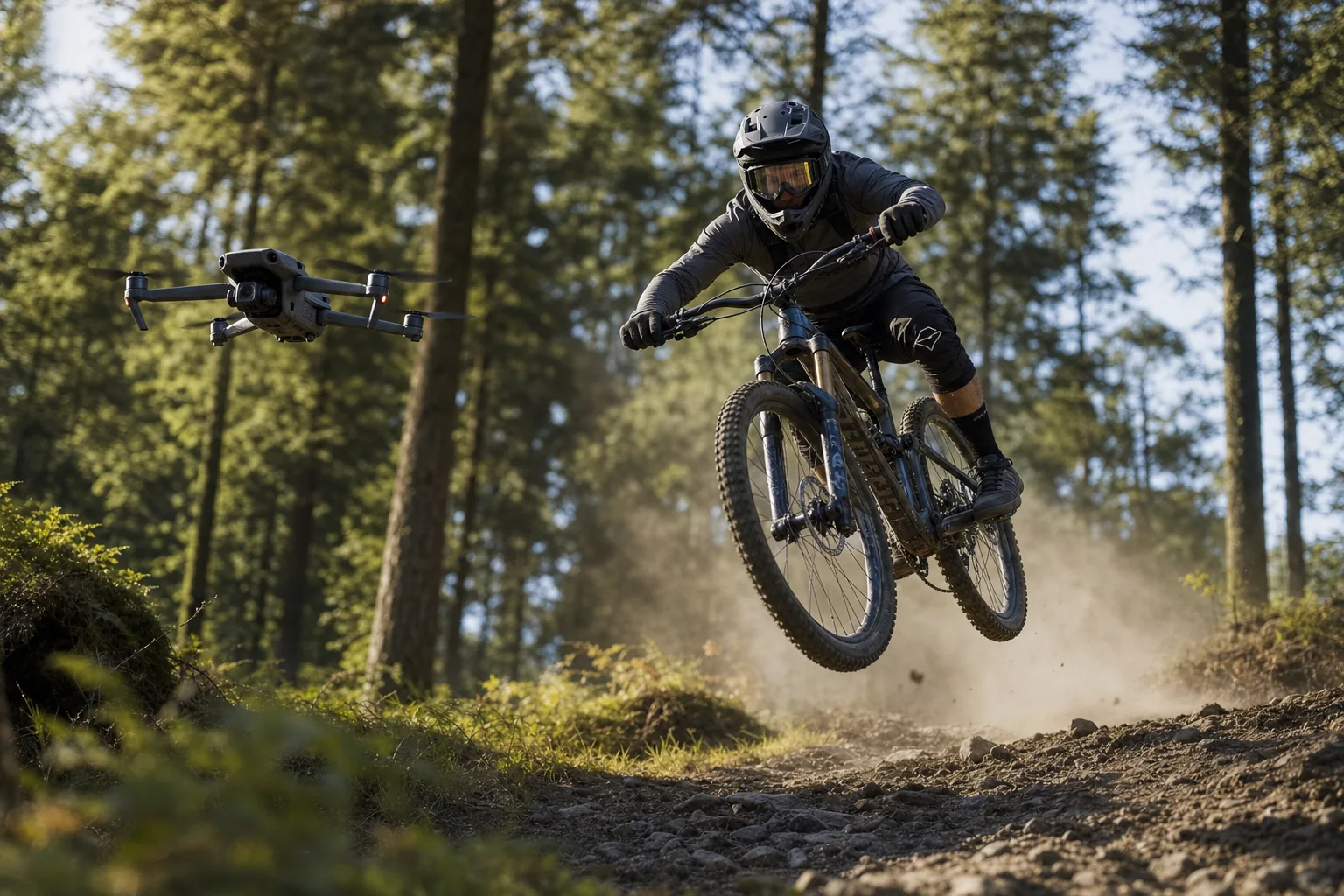
The practical reading: image quality stopped being the reason to spend more at about £369. Above the Flip, you're buying conditions (wind, dusk, distance), reach (telephotos) and freedom (endurance, sensing) - not prettier daylight pixels for Instagram.
4. The UK rules ladder: what each drone demands of you
In the UK the law buys and sells drones as much as specs do. The ladder, bottom to top:
| Requirement | Neo 2 / Flip / Mini 5 Pro* | Air 3S / Mavic 4 Pro | Avata 2 |
|---|---|---|---|
| Operator ID (annual, on airframe) | Yes (camera-equipped) | Yes | Yes |
| Flyer ID (free online test) | Not required (recommended) | Required | Required |
| Fly in residential areas | Yes | Only with A2 CofC | Only with A2 CofC |
| Over uninvolved people | Yes (never crowds) | No - 50m separation | No - 50m separation |
| Extra condition | - | - | Observer required when flying goggles |
| Paperwork burden | 10 minutes once a year | +1 evening (test); A2 course ~£100-150 to unlock towns | As Air/Mavic, plus a friend per flight |
This table explains DJI's whole product strategy: the sub-250g trio exists because that first column is where most people's actual lives - parks, villages, holidays, gardens - are legal. Be honest about where you'll really fly before the spec table seduces you upward. (*Mini 5 Pro with standard battery only.)
5. Eight buyers, eight answers
Find yourself; we'll name your drone.
"My first drone ever, modest budget"
DJI Neo 2 Fly More Combo (£349). Zero skill floor, crash-proof, tracks you, teaches you, and its footage will delight you for a year before you know enough to want more. The single most recommendable gadget DJI makes.
"I vlog / film my family, mostly near people"
DJI Flip (£369). The only drone here that combines people-safe cages with gradeable 10-bit footage. Nothing else at any price does this specific job as well.
"I travel and shoot landscapes; rules and weight matter"
DJI Mini 5 Pro Fly More Combo (£869). The 1-inch sensor under 250g is the engineering coup of this generation. The complete travel kit, no paperwork beyond the operator ID.
"I shoot property / coastal / upland work in real weather"
DJI Air 3S (£859+). Wind authority, telephoto compression, 35+ real minutes, LiDAR dusk safety. Do the Flyer ID, book the A2 CofC, invoice accordingly.
"Clients pay for my aerial work"
Mavic 4 Pro Fly More Combo (£2,459) - and it's not close. The Hasselblad files, 6K headroom and Infinity Gimbal angles are billable differences. It holds resale value like Apple kit, too.
"I want the thrill - flying IS the hobby"
Avata 2 three-battery combo at 2026's discounted ~£500-700. Recruit your observer. Warn your calendar.
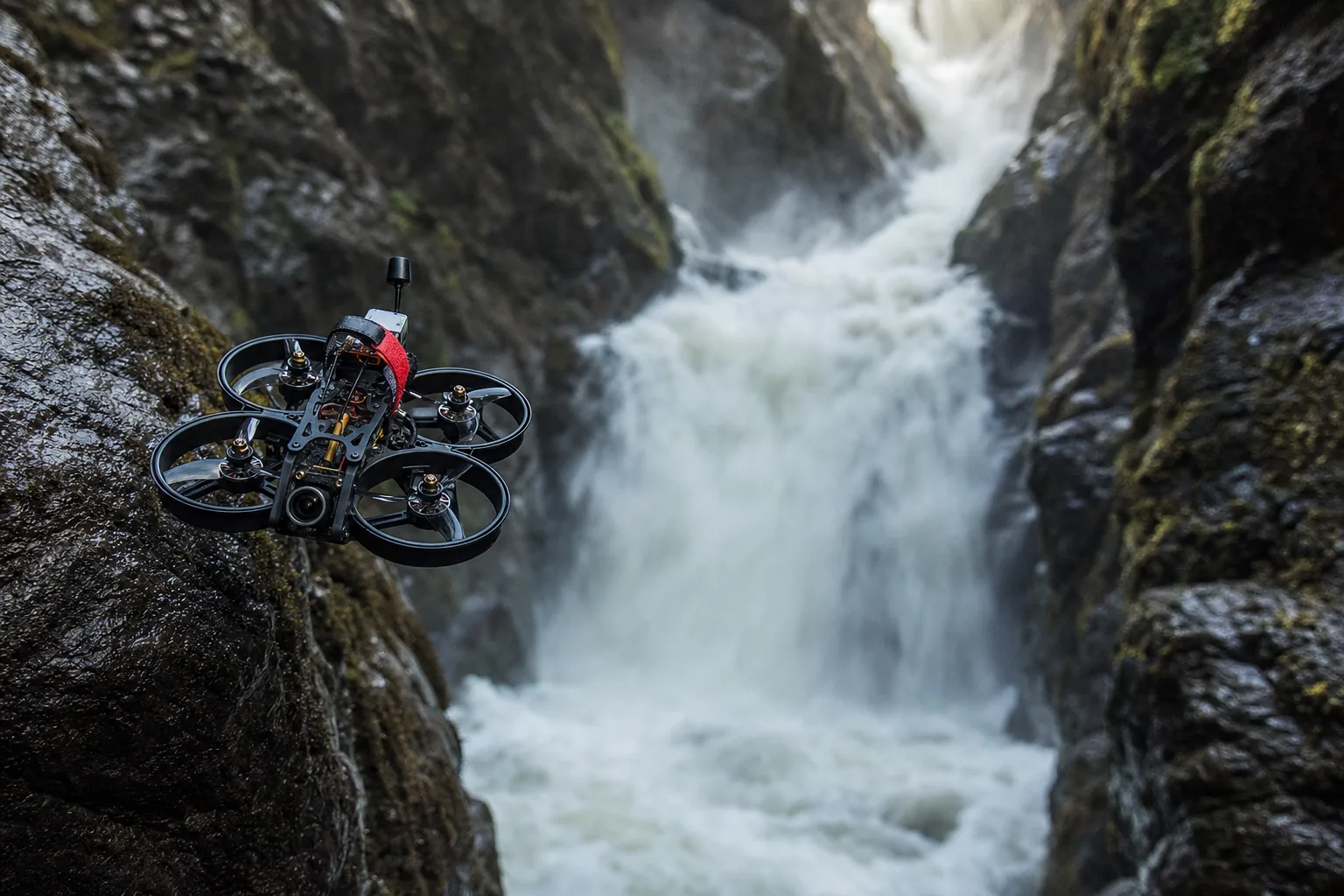
"Tightest possible budget, traditional camera drone"
DJI Mini 4K (~£269) - our review. No guards, basic sensing, but honest 4K and proper flying for the price of a night out... ish.
"I want one drone that does EVERYTHING well"
The honest answer is two: Mini 5 Pro + Neo 2 (£1,038 together) covers landscapes, travel, tracking, people and even beginner FPV - for £840 less than one Mavic 4 Pro. The best 'everything' money can buy in 2026 is a pairing, not a flagship.
6. Controllers and the ecosystem, untangled
DJI's controller naming confuses every newcomer, so here's the map - and one photo of the cast:
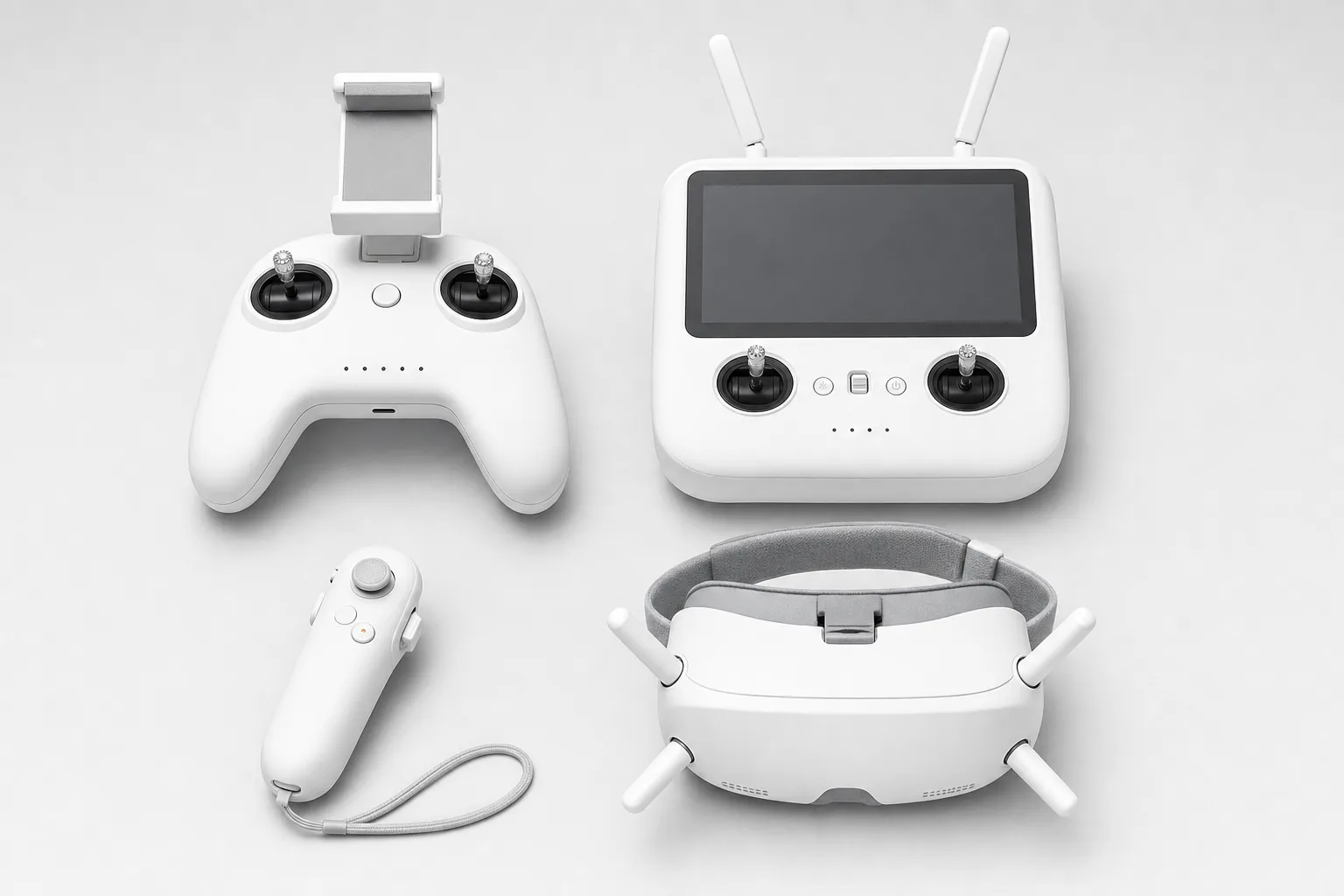
- RC-N3 (phone as screen): the budget bundle controller for Flip, Mini 5 Pro and Air 3S. Identical flying once airborne; £100-180 cheaper; your phone does the display work.
- RC 2 (built-in screen): the quality-of-life upgrade across the same drones - sunlight-readable, instant-on, no phone battery anxiety. Our take across every review: weekly flyers should pay for it, occasional flyers shouldn't.
- RC Pro 2: Mavic-tier professional controller (bright screen, storage, speed) bundled in the Creator Combo. Working pilots only.
- RC Motion 3 + Goggles 3: the immersive pairing - native to the Avata 2, optional magic for the Neo 2. Goggles bought once work across both, which quietly makes Neo 2 → Avata 2 the cheapest upgrade path in the range.
- No controller at all: the Neo 2 and Flip both fly missions from a palm launch and button press - the feature that converts non-pilots.
Ecosystem buying advice: batteries and chargers are per-model, but controllers, goggles and ND filter habits carry across generations. Buy the controller for the drone you'll own in two years, not just today's.
7. Value, deals and timing your purchase
Three patterns worth money:
- DJI discounts predictably: Prime Day (mid-July), Black Friday, and the weeks after any successor launches. The Avata 2's current sub-£700 bundles and the Mini 4 Pro's drift toward £500 territory are the live examples - both are 2026's standout deals if their compromises fit you.
- Fly More Combos are almost always correct: across all our reviews, the combo premium (£140-£180 typically) buys batteries and a hub worth more separately - and ND filters where included. The bare drone is a test drive; the combo is ownership.
- Resale is real: DJI aircraft hold value unusually well in the UK used market - flagship Mavics especially. Net cost of ownership is consistently gentler than sticker prices imply, which argues for buying the right drone over the cheap one.
And the question every buyer asks - "should I wait for the next one?" The cycle realities: Air 3S (Oct 2024) is due a successor before most others; Mavic 4 Pro (May 2025) and Mini 5 Pro (Sept 2025) are early in their reigns; Neo 2 is new; the Avata 2's discounts are themselves the successor signal. Buy Minis and Mavics with confidence; bargain-hunt Avatas with joy; buy the Air 3S for need rather than collection.
8. The newcomers, now reviewed: Lito 1, Lito X1 and Avata 360
When this comparison first published, three new arrivals were too fresh to judge honestly. We have now put all three through the same UK field testing as the six drones above - full reviews linked below - and they change the buying advice more than any launch since the Mini series.
| Newcomer | Price (UK) | Weight | Camera | Flight time | The one-line verdict |
|---|---|---|---|---|---|
| DJI Lito 1 (Apr 2026) | £299 / £429 FMC | 249g | 1/2" 48MP, 4K/100 | 36 min | The new default first drone - 8.5/10 |
| DJI Lito X1 (Apr 2026) | £369 / £599 FMC RC 2 | 249g | 1/1.3" 48MP, 10-bit D-Log M, +LiDAR | 36 min | The best beginner drone ever made - 9/10 |
| DJI Avata 360 (Mar 2026) | £409 / £829 combos | 455g | Dual 1/1.1" - 8K/60 360° | 23 min | Film everything, frame it later - 9/10 |
How they reshuffle the six drones above:
- The budget tier now belongs to the Lito twins. Both bring omnidirectional obstacle sensing - previously a £689 feature - to £299, with a genuine 36-minute battery and 4K/100fps. The Mini 4K's reign as our default recommendation is over, and at £369 the Lito X1 makes the same-priced Flip a niche pick you choose specifically for its propeller cages and palm-launch vlogging. The Neo 2 survives on charm: it remains the self-flying action camera the Litos aren't trying to be. Full verdict and the £70 Lito-vs-Lito question answered in our complete Lito 1 & Lito X1 review.
- The Avata 360 makes the Avata 2 a value pick rather than the pick. Its rotating dual-lens head records the whole sky in 8K, erases the drone from its own footage, and lets you choose the framing afterwards in software - the biggest change to aerial filming since the gimbal. The catches: 455g brings flyer-ID admin, files are enormous, and there is no full manual mode. The Avata 2 remains the cheaper way into pure goggles-on flying; the 360 is the more exciting aircraft. Full verdict in our complete Avata 360 review.
- The Air 3S's age still shows: the eldest camera drone here means the steepest deals and the highest successor risk (see our Air 4 rumour tracker). Our guidance stands: buy it for work that exists today.
Bottom line for new buyers in one sentence: first drone, buy a Lito X1; creative second drone, the Avata 360 is the most interesting machine DJI has shipped in years; and the six drones above keep their crowns in every category the newcomers do not touch.
9. Five duels: the head-to-heads buyers actually face
Nobody chooses between six drones; they choose between two. These are the five real decisions, settled:
Duel 1: Neo 2 vs Flip - the £160 question
The range's two guarded, palm-launching siblings split on one axis: who's the star? If the answer is you, moving - cycling, running, family chaos in motion - the Neo 2's omnidirectional sensing makes it the only safe choice for unsupervised tracking, and £209 keeps the decision casual. If the answer is people, framed - pieces to camera, family films with intent, anything you'll edit - the Flip's 1/1.3-inch sensor, 3-axis gimbal and 10-bit colour are a different sport entirely. The trap to avoid: buying the Neo 2 for image quality or the Flip for dense-woodland tracking; each fails the other's exam. Both? Genuinely common, totalling £578 - still cheaper than one Mini 5 Pro.
Duel 2: Flip vs Mini 5 Pro - £369 vs £689
The stealth rivalry, because daylight footage from the two is closer than the price gap implies. The £320 buys four concrete things: the 1-inch sensor's extra hour of usable evening light, omnidirectional sensing plus LiDAR (the Flip sees only forward), true-vertical and rotating-gimbal creativity, and naked-prop wind manners. It buys zero people-safety - the Flip's cages own that crown alone. Shorthand that hasn't failed us yet: subjects with pulses → Flip; subjects with horizons → Mini 5 Pro.
Duel 3: Mini 5 Pro vs Air 3S - the rulebook duel
Almost the same main sensor, £170 apart, and the most consequential choice in the range because it's really law versus weather. The Mini's case: everywhere-legality (parks, villages, holidays, over people), pocketability, the rotating gimbal. The Air's case: the 70mm telephoto (a genuinely different creative instrument), wind authority that turns marginal days into shooting days, ten more real minutes aloft, and dusk LiDAR confidence - priced in evenings of paperwork and 50-metre separations. Our arbitration: count your last twenty intended flights. Mostly within sight of people or luggage scales? Mini. Mostly coastal, upland, or invoiced? Air. Split honestly - the answer most enthusiasts resist - is that these two are the range's great complementary pair, not its great rivalry.
Duel 4: Air 3S vs Mavic 4 Pro - £859 vs £1,879
The professional's fork, settled by a single question: can your output display the difference? Phone and web delivery cannot - the Air ties it visibly and banks £1,000. Large prints, broadcast grades, brochure spreads, the 360° gimbal's impossible angles, 100MP survey crops: only the Mavic. The honest pattern from working pilots: the Air 3S wins the first-drone-of-the-business decision, the Mavic 4 Pro wins the first-upgrade-after-profit decision. In that order, both purchases are right twice.
Duel 5: Avata 2 vs all of them - the category jump
The false duel that fills forums. The Avata 2 doesn't compete with camera drones; it competes with experiences - track days, ski passes, the sensation column of life's ledger. Cross-shop it against a Flip and both will disappoint someone. The true pairing logic: it's the second drone for a camera-drone owner whose footage has gone competent-but-samey, or the first for a buyer honest enough to admit they want flight more than photographs. At 2026's sub-£700 bundles, it is also - whisper it - the cheapest complete answer in the whole range to 'which drone will I still be grinning about in five years?'
10. The two-year bill: total cost of ownership, honestly
Sticker prices mislead; drones are systems. Here's the realistic two-year UK bill per choice - combo, qualifications, insurance-grade liability cover, cards and consumables - assuming the configuration our reviews recommend:
| Sensible kit | Paperwork | Liability cover (2yr) | Cards & spares | Two-year total | |
|---|---|---|---|---|---|
| Neo 2 | FMC £349 | Operator ID ~£23 | ~£80 | ~£45 | ~£500 |
| Flip | RC-N3 £369 + battery £45 | ~£23 | ~£80 | ~£60 | ~£580 |
| Mini 5 Pro | FMC RC2 £979 | ~£23 | ~£80 | ~£70 | ~£1,150 |
| Air 3S | FMC ~£1,150 | ~£23 + A2 ~£130 | ~£100 | ~£80 | ~£1,480 |
| Mavic 4 Pro | FMC £2,459 | ~£23 + A2 ~£130 | ~£150 (hull+liability) | ~£120 | ~£2,880 |
| Avata 2 | 3-batt bundle ~£650 | ~£23 | ~£80 | ~£90 (props!) | ~£840 |
Estimates, rounded, mid-2026: operator ID at current annual rate ×2; BMFA-style hobby liability or equivalent; A2 CofC where our reviews call it effectively required; consumables per our test experience. Commercial pilots add proper hull/EC785 cover - and revenue.
Three readings of the table worth the scroll: the Neo 2's complete two-year experience costs less than most flagship phone cases' contents; the Air 3S's true premium over the Mini 5 Pro is ~£330 (not £170) once its paperwork reality is priced; and resale - DJI's quiet subsidy - claws back a healthy slice of every row, most reliably at the Mavic end. Budget on totals, decide on use, recover on resale: the drone market's three house rules.
11. Ten mistakes 2026 drone buyers keep making
- Buying image quality they'll never display. The range's most expensive error, in both directions - 6K masters for Instagram, or a Neo 2 expected to shoot property listings. Match the sensor to the screen it ends on.
- Ignoring the 250g line until after checkout. The single most consequential spec in UK droning isn't in the camera section. Decide where you'll fly before deciding what you'll fly.
- Skipping the Fly More Combo to save £150, then buying its contents for £230. Every. Single. Time. Batteries are the hobby's real currency.
- Treating claimed flight times as plans. Use our tested figures (60-80% of claims) and land at 20%. The pilots who've never had a battery scare are the ones who assume less.
- Buying the controller for today's drone only. The RC 2 and Goggles 3 outlive airframes; the £100 'saving' on the phone-clamp option gets re-spent at the first upgrade.
- Flying the unboxing. Registration numbers not yet on the airframe, RTH altitude at factory default, firmware from the warehouse shelf - the first-week incident trifecta. One administrative evening prevents it.
- Tracking through clutter with forward-only sensing. Flip and Mini owners learn this behind a tree. Omnidirectional (Neo 2, Mini 5 Pro, Air 3S, Mavic) tracks; forward-only follows the brochure's open meadow.
- Grey-importing the 'bargain'. US-market quirks and missing UK warranty have turned several forum bargains into doorstops. Buy UK stock from the price ladder above - it's competitive for a reason.
- Wind-testing on day three. Every airframe here has a wind personality (cages catch it, Minis dance in it, the Mavic ignores it). Learn yours in a forecast you'd picnic in, not the first dramatic sky.
- Forgetting the hobby is legally social now. Goggles need observers; flights near people need judgement beyond legality; and the neighbour who waves at your Neo 2 is the regulatory climate of 2030 being decided. Fly like the hobby's reputation is in the bag with the spare batteries - because it is.
12. How we tested and scored
This comparison rests on the six individual reviews published this week, and the same standards throughout: every aircraft assessed against UK conditions and UK rules (CAA Open category as of mid-2026), with specifications verified against manufacturer data and corroborated by the long-term testing record across the specialist press where our own flight time with a model was shorter. Flight times quoted as 'real' are conservative working figures - the number we'd plan a shoot around with reserves, not the calm-day maximum. Prices are UK retail at publication; DJI's deal cadence (Prime Day, Black Friday, successor launches) moves them, our value verdicts anticipate that, and we revisit these pages when the ladder shifts materially.
Scores weight what owners report mattering at month six rather than day one: image output against the buyer's actual display, legal usability where that buyer lives, the battery-and-faff realities that decide whether a drone keeps leaving the house, and honesty of marketing claims. No manufacturer involvement, no early units in exchange for timing, and affiliate links never touch a verdict - the six different scores across this series should make that obvious.
13. The 2026 deal calendar: when to buy what
DJI prices move on a rhythm. Buying against the calendar routinely saves £50-£300:
- Mid-July (Prime Day): the year's most reliable Mini and Air discounts - last cycle's models hardest (Mini 4 Pro, Air 3S combos), current flagships least. The Avata 2's bundles have hit their floor prices in exactly these windows. If your buying month is flexible, it's this one or November.
- Late August - September: DJI's favourite launch season (the Mini 5 Pro arrived September 2025). Launches re-price whole tiers overnight: predecessors drop officially, retailers clear stock below that. Watching a rumoured launch for three weeks before buying its predecessor is the connoisseur's discount.
- Black Friday - Cyber week: broad but shallower than legend suggests on current DJI models; deepest on bundles, accessories, refurbs and the previous generation. Combos that never discount alone appear with bonus batteries instead.
- January sales: the quiet bargain window for the used and refurb market - Christmas upgrade waves flood resale channels with barely-flown autumn purchases.
- The year-round rules: DJI's own refurbished store (full warranty, fulfilled UK) beats grey imports at similar money every time; price-tracking the specific SKU beats deal-page browsing; and the best deal remains buying the right drone once - a £150 saving on the wrong aircraft costs a £600 correction by August.
14. Battery doctrine: the fleet-wide truths
Six drones, one chemistry, identical physics. The doctrine that applies across every row of the mega-table:
- The 60-80% law: every 'real flight time' in this guide is 60-80% of its brochure neighbour, and yours will be too - tracking modes, wind work, cold and sane reserves all bill the same account. Plan flights on our numbers, be delighted occasionally.
- Three is the number: across every review this week, the three-battery combo emerged as the configuration that changes ownership - one in the air, one cooling, one charging is a session; a single pack is a demonstration.
- The 20-80 lifestyle: land at 20%, store at ~50-60%, charge to full only en route to flying. DJI's packs self-discharge toward storage levels eventually; helping them gets you to year three on the original trio.
- Temperature is the silent spec: below ~5°C expect 15-20% less and keep packs pocketed pre-flight; above ~30°C (car boots in July) let them cool before charging. The British contribution is mostly the former.
- USB-C PD changed field logistics: every current aircraft here fast-charges from the same 65-100W brick that feeds your laptop - one charger, one power bank, the hub cycling packs in the car between locations. The days of proprietary brick juggling are gone; exploit it.
- Airline rule, non-negotiable: lithium packs fly cabin-side, never hold luggage, terminals taped or hub-cased for the over-100Wh-free classes every drone here sits within. The Mavic's packs are the only ones that raise airline eyebrows worth pre-reading about.
15. Britain by terrain: which drone where
The UK isn't one flying environment; match the aircraft to your postcode's reality:
- Coastal west and north (Cornwall, Pembrokeshire, the islands): wind country. The Air 3S is the honest minimum for routine work; the Mavic 4 Pro for income; Minis for the calm-morning windows locals learn to read. Cage drones (Flip, Neo 2) are beach-day-only tools here - the headlands will humble them.
- Upland Britain (Lakes, Highlands, Pennines, Eryri): the Air/Mavic argument writes itself in valley gusts and walk-in distances - endurance buys the retreat margin mountain weather demands. The Mini 5 Pro earns its place as the summit-bag companion on settled days; its LiDAR dusk confidence suits bothy-light hours.
- Lowland villages and market towns (most of England, frankly): sub-250g territory almost by definition - the trio (Neo 2, Flip, Mini 5 Pro) exists for exactly this density of people, lanes and gardens. The 250g+ aircraft live here too, but as garden-launched travellers, not local flyers.
- Urban and suburban: rules, neighbours and sense converge on the same answer: small, guarded, brief and high. The Flip's people-manners and the Neo 2's garden-scale agility are the city's native species; everything heavier wants the car keys and the countryside.
- Woodland and river valleys: the Neo 2's omnidirectional tracking and the Avata 2's duct-armoured threading are the two tools actually designed for trees; everything else treats woodland as scenery to film from above, which is also correct.
- The honest postcode test: your last ten flights' locations predict the next fifty. Buy for the terrain you have, not the Scottish trip you're planning - the rental and second-drone markets exist precisely for the exceptions.
16. Lifecycle positions: what's fresh, what's due, what holds value
Every drone here sits somewhere on its product cycle, and that position is quietly a spec:
- Freshest (buy serenely): Neo 2 (Nov 2025) and Mini 5 Pro (Sept 2025) - early-cycle purchases with years of firmware attention ahead and the slowest depreciation curves in the range.
- Mid-cycle prime (buy confidently): Mavic 4 Pro (May 2025) and Flip (Jan 2025) - the awkward 'successor soon?' anxiety is years premature for both; current firmware maturity is their best era.
- Late-cycle (buy knowingly): Air 3S (Oct 2024) - the deepest discounts and the highest successor probability share a cause. Our guidance from its review stands: buy for present need, enjoy the pricing, skip the launch-day regret by deciding now that capability you needed yesterday isn't obsoleted by a press release.
- Deal-phase (hunt joyfully): Avata 2 (Apr 2024) - successor-adjacent pricing on a still-current experience. FPV's pace is gentler than camera-drone cycles; the flying won't age.
- The resale floor under everything: DJI's UK used market is liquid and kind - boxes kept, hours logged, batteries healthy routinely returns half or better after two years on the popular models. Functionally, you're leasing capability from your future buyer; the deposit is care.
- And the watch-list, per section 8: Lito's budget incursion, the Avata 360's reframe-everything experiment, and whatever September brings. This page updates when they land properly.
17. The universal first 48 hours: setup that prevents every classic incident
Whichever row of the table you buy, the same first-two-days checklist applies. Owners who run it never appear in the forum horror threads:
- Hour one, indoors: charge everything fully once; firmware-update drone, controller and (where relevant) goggles as a set on home Wi-Fi; create/confirm the DJI account and - the step everyone skips - set the RC's RTH altitude placeholder high enough for anywhere you'd plausibly fly this month.
- The legal fifteen minutes: CAA operator ID purchased/renewed, the registration number printed (tape and clear nail varnish is the field-proof folk method) and applied to the airframe; Flyer ID test booked or passed for the 250g+ aircraft; insurance/BMFA decision made deliberately rather than deferred indefinitely.
- The kitchen-scales moment (sub-250g class): your unit, your battery, your microSD, any skins - on record, for your own peace.
- First flight, ritualised: open ground, calm evening, two batteries: one spent entirely on take-off/hover/gentle-box/RTH-test/land repetitions (yes, test RTH deliberately - watching it work once converts it from superstition to system), the second on actual fun. Sensing left in conservative defaults until flight three.
- The settings pass most owners never make: video format and colour profile chosen on purpose, photo RAW toggled per our individual reviews' advice, max-distance/altitude limits set to your comfort rather than the legal ceiling, and the beginner-mode geofence removed only once it's annoying rather than reassuring.
- Hour 48 deliverable: one sixty-second edit from the first sessions, shared somewhere. Not for the likes - because the pipeline (shoot → transfer → cut → publish) rehearsed once while motivation is hot becomes the habit that justifies the whole purchase.
18. The second-drone matrix: pairings that actually work
Half this range's owners end up with two aircraft. The pairings with proven logic, and the ones that disappoint:
- Mini 5 Pro + Neo 2 (the editors' pair, ~£1,040): landscapes and travel from the Mini, tracking and family from the Neo, total paperwork one operator ID. Already crowned in section 5; repeated here because no other sub-£1,100 combination covers as much of the hobby.
- Air 3S + Neo 2 (the worker and the pocket gremlin): the professional rig for the brief, the guarded sprite for the moments around it - scouting interiors, behind-the-scenes, the client's kids who want to see 'the little one'. Common among property shooters for exactly these reasons.
- Mavic 4 Pro + Avata 2 (the production company): establishing majesty plus chase energy - the two-aircraft kit that covers every shot grammar a one-person film unit sells. The pairing's hidden cost is bag size; its hidden gift is that the Avata's footage makes the Mavic's look calmer and more expensive by contrast.
- Flip + anything bigger (the family treaty): the Flip stays home-and-people specialist while the Mini/Air travels for scenery - a division of labour households negotiate naturally. Works because the Flip's niche never gets cannibalised.
- The pairings that disappoint: Neo 2 + Flip (capability overlap minus image step-up - pick one and bank the rest), two naked-prop drones of adjacent size (Mini + Air solves conditions, not coverage - rational but joyless as a second purchase; most owners wish they'd added a different species), and anything + the drone bought 'for parts of the hobby I don't actually do'. The matrix rewards honesty like everything else here.
- Sequencing wisdom: buy the second drone after six months, not six days - the first half-year reveals which gaps are real. The used market and deal calendar (sections 13 and 16) exist precisely for that better-informed second swing.
19. Final rankings: the 2026 awards
| Award | Winner | Runner-up |
|---|---|---|
| Best overall for most people | 🏆 DJI Mini 5 Pro | DJI Flip |
| Best first drone | 🏆 DJI Neo 2 | DJI Flip |
| Best camera, full stop | 🏆 DJI Mavic 4 Pro | DJI Air 3S |
| Best working tool | 🏆 DJI Air 3S | Mavic 4 Pro |
| Most fun per pound | 🏆 DJI Avata 2 (at 2026 prices) | DJI Neo 2 |
| Best value right now | 🏆 DJI Flip | Discounted Mini 4 Pro |
See our overall winner - the Mini 5 Pro Fly More Combo - on Amazon UK
In stock and price-checked at the time of writing
If we owned one: the Mini 5 Pro. If we owned two: add the Neo 2. If someone else was paying: the Mavic 4 Pro, and we'd still pack the Neo 2 in the side pocket. That's the 2026 range in three sentences.
Frequently asked questions
Which DJI drone is best for a complete beginner in the UK?
The Neo 2 (£209-£349) for effortless self-filming with full prop guards and no test required; the Flip (£369) if you want a more traditional camera drone that's still people-safe. Both stay under 250g, keeping UK rules to a simple annual operator ID.
Which DJI drones can I fly in my local park or street legally?
The sub-250g trio - Neo 2, Flip and Mini 5 Pro (standard battery) - can fly in residential and recreational areas and over uninvolved people (never crowds). The Air 3S, Mavic 4 Pro and Avata 2 cannot without distance separations or an A2 CofC qualification.
Is the Mavic 4 Pro worth it over the Air 3S?
Only when output justifies it: large prints, broadcast/cinema delivery, paying clients, or the 360° gimbal's unique angles. On screens, the Air 3S delivers most of the visible quality for under half the working price - our full reviews of both make the case in detail.
What's the best DJI drone for filming myself cycling or running?
The Neo 2, decisively - omnidirectional sensing plus enclosed props make it the only drone here you'd trust to chase you through trees unsupervised. The Flip tracks well in open space with a far better camera; the Avata 2 films sport thrillingly but needs a pilot.
Do any of these drones need a licence in the UK?
None need a 'licence' as such. All camera drones need the annual CAA operator ID. Over 250g (Air 3S, Mavic 4 Pro, Avata 2) adds the free Flyer ID online test, and built-up-area flying at that weight effectively requires the paid A2 CofC course. Goggles flying (Avata 2) additionally requires an observer maintaining line of sight.
Should I wait for the DJI Lito or Avata 360 instead?
If you're budget-hunting below the Neo 2, watching the new Lito family is reasonable. The Avata 360's reframe-anything concept is promising but young. Everything else in this guide is mature, current and safe to buy today - waiting for drones, like waiting for cameras, mostly costs summers.
Are these drones available in the US?
Notably, several recent models (Mini 5 Pro, Neo 2, the Lito family) launched everywhere except the US amid its regulatory standoff with DJI. UK buyers are unaffected - stock and support here are normal - but treat US-based reviews' availability and pricing comments accordingly.
Which of the six is best for filming property and holiday lets?
For your own property, the Flip handles interiors-to-garden reveals no other drone safely attempts, while the Air 3S owns the exterior money shots and seasonal rebookable circuits. As a paying sideline, the Air 3S plus A2 CofC is the professional floor - and our individual reviews of both walk the legal lines in detail.
Can any of these fly in rain?
None are officially weather-sealed, and our working line across the fleet is the same: visible droplets on the lens means land now, anything beyond mist means the day is a scout not a shoot. Cold-plus-damp (lens fog, icing in winter cloud) catches more drones than rain itself - let aircraft acclimatise before launching through temperature changes.
What's the realistic learning curve for a total beginner?
Shorter than the anxiety suggests: with a Neo 2 or Flip, useful footage on day one and confident framing within a fortnight of short sessions. The traditional-stick drones add perhaps a month to instinctive flying. The skills that actually take time are editorial - knowing which shots to fly - and they transfer up the whole ladder, which is the quiet argument for starting cheap.
If money were no object, is the Mavic 4 Pro automatically the answer?
No - and this is the comparison's most useful finding. Money-no-object buyers who fly near people and places still need a sub-250g aircraft for most of Britain's actual airspace, and thrill-seekers still need the Avata's goggles for sensations no Hasselblad delivers. Unlimited budget buys the right two or three drones, not the most expensive one.
What single accessory matters most across all six?
Extra batteries, every time - real flight times run 60-80% of claims, and the Fly More/combo bundles price the spares cheaper than buying separately. After that: ND filters for anyone grading footage, and a genuine U3-class microSD card per aircraft.
The bottom line: six drones, three honest truths
Truth one: image quality stopped being the upgrade reason at £369 - above the Flip you're buying conditions, reach and freedom. Truth two: UK rules are a spec; the sub-250g trio exists because the friendliest law is the one written for where you actually fly. Truth three: the best 'do everything' answer in 2026 isn't the flagship - it's the Mini 5 Pro plus Neo 2 pairing, with £840 left over.
And if six drones still feels like five too many choices, return to the eight buyer profiles in section 5 - in a year of reader emails, nobody who answered those honestly has written back unhappy with where they landed.
Wherever you land, the full individual reviews go deeper on every claim made here: Neo 2 · Flip · Mini 5 Pro · Air 3S · Mavic 4 Pro · Avata 2. Happy flying - and fly kind.
Sources & further reading: DJI's official UK site · CAA drone registration · the CAA's drone rules hub.