
ROG Xbox Ally vs Ally X: Is the Premium Model Really Worth It?
Same 7-inch screen. Same handheld idea. A £300 and $400 gulf. Here is where the ROG Xbox Ally X earns it — and where the cheaper ROG Xbox Ally makes much more sense.
The ROG Xbox Ally and ROG Xbox Ally X shared the same familiar handheld format, but their processors, memory, storage and battery capacity were very different propositions.
The £300 Question Every Handheld Gamer Needs to Answer
The ROG Xbox Ally launched at £499 / $599.99. The ROG Xbox Ally X launched at £799 / $999.99. That is a chunky £300 or $400 difference before you have bought a game, a case or the sort of expensive snack that somehow becomes mandatory during a three-hour RPG session.
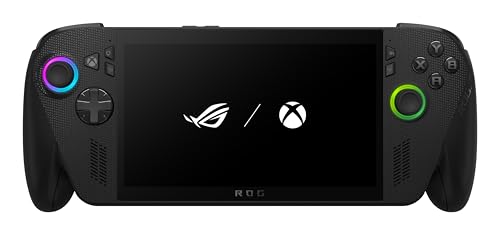
See ROG Xbox Ally on Amazon UK
£949.00price at 23 Aug, may change
On the surface, these two machines looked remarkably alike. Both arrived on 16 October 2025 with a 7-inch Full HD 120Hz IPS display, a portable Windows gaming focus and an Xbox-branded identity. If you only looked at the front, you could reasonably assume this was simply a storage upgrade story.
It was not. The standard ROG Xbox Ally used AMD's Ryzen Z2 A: four Zen 2 CPU cores and eight RDNA 2 graphics compute units. The ROG Xbox Ally X stepped up to the Ryzen AI Z2 Extreme, with eight Zen 5 CPU cores, 16 RDNA 3.5 compute units and a 50 TOPS NPU. It also brought 24GB of memory, 1TB of storage, an 80Wh battery, USB4 and Impulse Triggers.
That list explains the price gap on paper. The more important question is whether it changes the games you can actually enjoy. In the numbers that matter, it often did. Tom's Hardware recorded 43.28fps from the regular Ally and 63.44fps from the Ally X in the same Metro Exodus stress test: a 20.16fps gap, or 47% in favour of the more expensive machine. That is not the usual "a few frames if you squint" upgrade. It is the difference between a game hovering around the awkward 40fps region and pushing into convincingly smooth territory.
The short version
The ROG Xbox Ally X was not a luxury trim of the standard Ally. It was a substantially more capable handheld with a better battery, twice the GPU compute units, double the CPU core count, more RAM and double the storage. The standard model still had a real role, though: it was the sensible choice for anyone who wanted a lighter, lower-cost Game Pass, indie and older-game machine rather than a pocket-sized AAA PC.
That distinction will guide this entire comparison. I am not going to pretend that an extra £300 is trivial. For plenty of people, it is the whole decision. But nor is it helpful to call the £499 Ally "basically the same" when its performance ceiling landed in a different class. Let's get into the real hardware rather than admiring product names on a box.
Spec Sheet Face-Off: What Your Money Actually Buys
The shared display made this unusually clean as a same-family comparison. Asus did not reserve a brighter panel, faster refresh rate or larger screen for the premium model. The money went primarily into the hardware that drives the games, the capacity that keeps it running, and a few welcome quality-of-life extras.
ROG Xbox Ally
See ROG Xbox Ally on Amazon UK
£949.00price at 23 Aug, may change
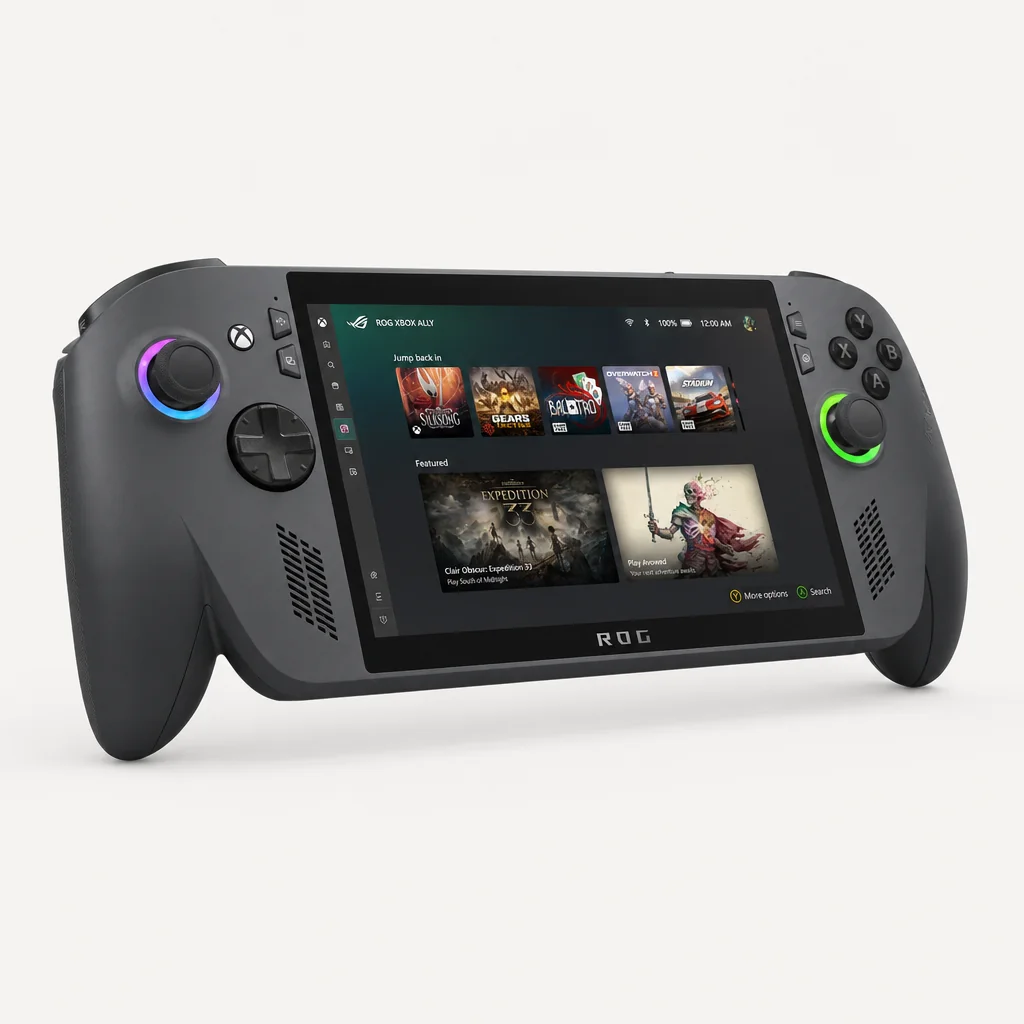
4 Zen 2 cores
compute units
6400MHz
120Hz
ROG Xbox Ally X
See ROG Xbox Ally X on Amazon UK
£949.00price at 23 Aug, may change
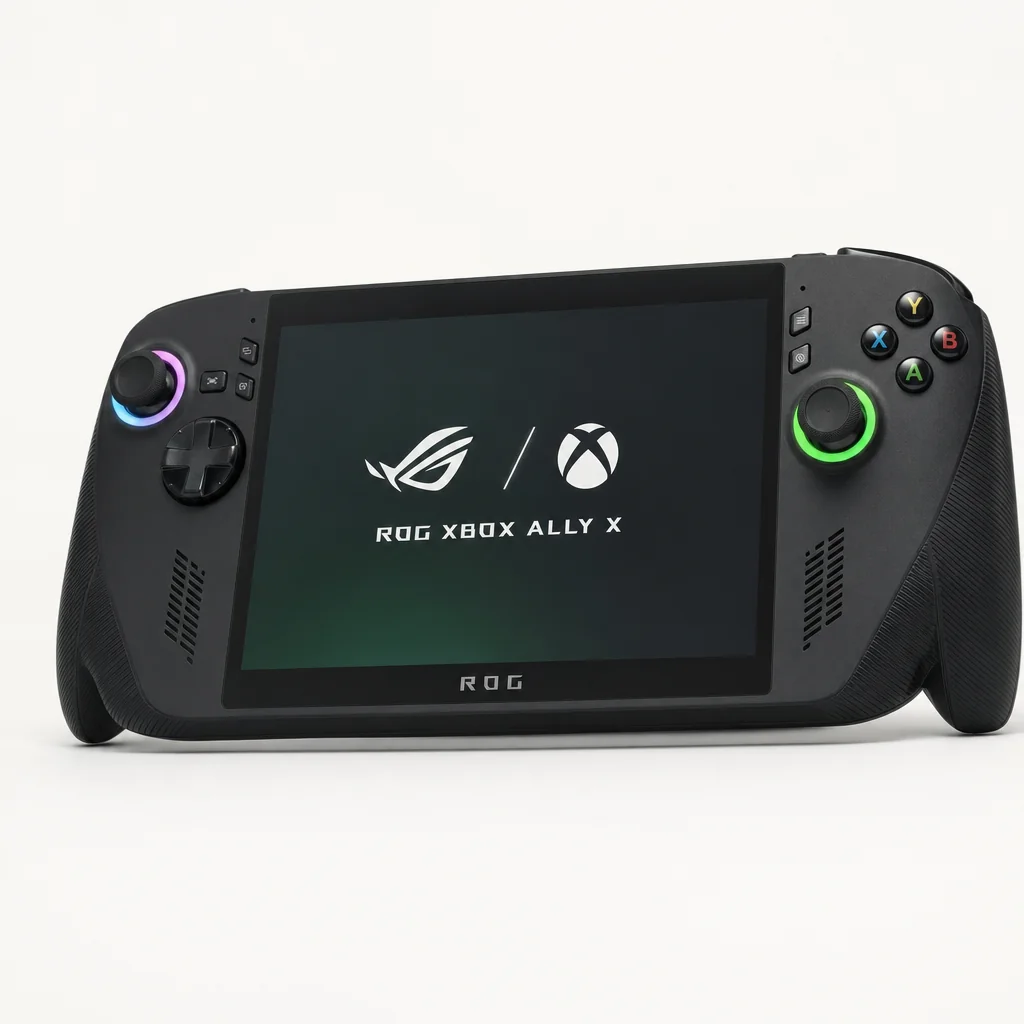
8 Zen 5 cores
compute units
120Hz
| Key specification | ROG Xbox Ally | ROG Xbox Ally X |
|---|---|---|
| CPU | Ryzen Z2 A, 4 Zen 2 cores | Ryzen AI Z2 Extreme, 8 Zen 5 cores |
| GPU | 8 RDNA 2 compute units | 16 RDNA 3.5 compute units |
| NPU | None on the Ryzen Z2 A | AMD XDNA, 50 TOPS |
| Memory | 16GB LPDDR5X-6400 | 24GB LPDDR5X-8000 |
| Internal storage | 512GB PCIe Gen 4 | 1TB PCIe SSD |
| Display | 7-inch, 1920×1080 IPS, 120Hz | 7-inch, 1920×1080 IPS, 120Hz |
| Weight | 670g | 715g |
| Ports and extras | USB-C, microSD, vibration | USB4, USB-C, microSD, Impulse Triggers |
The CPU and GPU split is the headline. Eight Zen 5 cores against four Zen 2 cores is a huge generational and numerical step. The graphics side is equally stark: 16 RDNA 3.5 compute units against eight RDNA 2 units. You should not interpret that as an automatic doubling of frame rates — real games are messy, power limits exist and Windows has its own opinions — but it does explain why the Ally X had much more headroom.
Memory matters too. A handheld PC shares its memory pool between operating system and gaming workloads, so 24GB on the Ally X was a useful practical advantage, not merely a bigger number on a spec sheet. The 1TB SSD was similarly welcome. Modern PC games do not exactly arrive on a floppy disk and apologise for their size. Starting with double the capacity made the premium device much less likely to demand instant storage housekeeping.
The big internal divide was not cosmetic: the Ally X paired eight Zen 5 cores and 16 RDNA 3.5 compute units with 24GB of memory and 1TB of storage.
Both handhelds included USB-C and microSD expansion. The Ally X added USB4 capability, which made it the more flexible machine for buyers who wanted faster external connectivity alongside portable play.
Display Deep Dive: A Draw Before We Even Start
Here is the refreshingly simple bit: neither model had a display advantage. Both used the same 7-inch IPS screen at 1920×1080, with a 120Hz refresh rate, a 7ms response time and 500 nits brightness. If one screen appealed to you, the other screen did too. No caveats. No "but the expensive one has the good panel" nonsense.
That matters enormously in a comparison like this because it strips away a common source of confusion. Every performance difference later in this article came from the platform behind the panel, not a lower-resolution screen flattering the cheaper device or a fancier screen making the premium one look faster than it was. Same resolution. Same refresh ceiling. Same basic visual canvas.
At 7 inches, 1920×1080 works out at roughly 315 pixels per inch. In plain English: it looked very sharp at normal handheld distance. Individual pixels are not something you should be thinking about when you are sitting around 30 to 40cm away, unless you have made a hobby of inspecting displays with your nose pressed to them. Please do not. The screen is lovely; your neck will not thank you.
The 120Hz refresh rate also gave both models room for lighter games to feel exceptionally responsive when their frame rate could climb. It did not magically turn demanding AAA releases into 120fps machines, of course. A panel can only show the frames the hardware produces. But it ensured that neither product imposed a low refresh ceiling on less demanding games, older titles or well-optimised favourites.
Display verdict: a genuine tie
Do not buy the Ally X expecting a superior display. Buy it for the ability to feed the same display more frames, more consistently. Conversely, do not avoid the regular Ally because you fear a budget-grade screen. This was exactly the same 7-inch 1080p, 120Hz, 500-nit IPS experience.
Performance Showdown: When £300 Buys You a 47% Frame-Rate Lead
The fairest place to begin is the identical Metro Exodus stress test. The ROG Xbox Ally reached 43.28fps. The ROG Xbox Ally X reached 63.44fps. That 20.16fps absolute difference worked out at a 47% advantage for the X.
It is worth pausing on how meaningful that is. Frame-rate percentage gains can sound abstract until you convert them into the feel of a game. Around 43fps, a title can be perfectly playable but often sits in a slightly compromised zone: fluid enough to enjoy, not quite smooth enough to forget about performance. At 63fps, the premium machine was beyond the 60fps line. That is a noticeably more polished result on the same 120Hz display.
Metro Exodus is useful precisely because it is not a cosy little showcase designed to make every machine look heroic. It is a combined GPU-and-CPU workload with ray-tracing elements, closer to the sort of pressure demanding modern PC games can put on a handheld. It exposed the gap between these chips rather than hiding it.
Cyberpunk 2077 reinforced the point. The Ally X delivered 42fps at high settings with FSR upscaling. The standard Ally recorded 38.8fps at 20W. That may sound closer than the Metro result, and in one sense it is: both were operating in playable territory. But the context matters. The Ally X got there with the substantially stronger silicon, more memory and more battery capacity behind it. The cheaper Ally was asking a lot of its more modest hardware merely to stay near 40fps.
Forza Horizon 5 showed the brighter side of the Ally X as well, reaching 76fps at high settings with FSR upscaling. That is the sort of result that makes the 120Hz panel feel like a deliberate choice rather than a number for the marketing department. It will not always be 120fps, but it is comfortably beyond 60fps in a major modern game.
| Measured gaming result | ROG Xbox Ally | ROG Xbox Ally X |
|---|---|---|
| Metro Exodus stress test | 43.28fps | 63.44fps |
| Metro Exodus performance gap | — | 47% ahead |
| Cyberpunk 2077 | 38.8fps at 20W | 42fps, high settings with FSR upscaling |
| Forza Horizon 5 | — | 76fps, high settings with FSR upscaling |
| Doom: The Dark Ages | — | 70fps at 18W with FSR, ray tracing and frame generation |
The Doom: The Dark Ages result is especially revealing because it combined aggressive visual features with sensible power use. At 18W, with FSR upscaling, ray tracing and frame generation enabled, the Ally X reached 70fps in intensive sequences while its temperature remained stable at 57°C. The point is not that every game will behave this neatly. It will not. The point is that the Ally X had enough efficiency and performance to make a lower power setting feel viable rather than like an apology.
In the Metro Exodus stress test, the Ally X reached 63.44fps against 43.28fps from the standard Ally — a clear 47% advantage rather than a marginal premium-model uplift.
Real-World Settings: What the Extra Headroom Changes
There is a habit in handheld coverage of reducing everything to one sentence: "just lower the settings." It is not wrong, exactly. It is simply incomplete. Lowering settings is a tool, and it can be a very good one. But the amount you need to lower them determines whether a machine feels flexible or permanently on the back foot.
The regular ROG Xbox Ally was best understood as a capable lower-cost handheld for Game Pass titles, indie games and older AA releases. For these workloads, it did not need to win a benchmark war. It needed to feel quick to pick up, easy to carry and affordable enough that you could enjoy the library rather than worry about having bought the wrong tier. At £499 / $599.99, that was a coherent proposition.
The Ally X was the more credible choice when modern AAA games were part of the plan. Its 16 RDNA 3.5 compute units, eight Zen 5 cores and 24GB memory pool gave it room to use techniques such as FSR and frame generation more effectively while retaining higher settings in the games that supported them. The Cyberpunk, Forza and Doom figures all point in the same direction: this was the model built to chase a proper PC-handheld experience, not merely survive it.
That does not mean the Ally X made compromises disappear. A 7-inch Windows handheld is still a device balancing power draw, heat, resolution and game settings. Anyone promising a desktop PC in a handbag is being wildly optimistic, or has never tried to fit a desktop PC in a handbag. But the X shifted the compromise from "can I make this work?" towards "which setting mix gives me the best result?" That is a much nicer place to be.
ROG Xbox Ally: the practical 40fps-minded option
The standard model's 38.8fps Cyberpunk 2077 result at 20W illustrated its usable but more constrained position. It made the most sense for less demanding libraries and buyers comfortable with sensible settings compromises.
ROG Xbox Ally X: the higher-settings, higher-ceiling option
Its 42fps Cyberpunk result at high settings with FSR, 76fps in Forza Horizon 5 and 70fps Doom result at 18W showed much more breathing room across demanding games.
50 TOPS NPU on the Ally X
The premium model included a 50 TOPS NPU, whereas the standard Ally did not. It was another part of a wider platform designed around newer hardware, even though gaming performance remained the main reason to pay more.
ROG Xbox Ally strengths
- £300 / $400 cheaper at launch.
- 45g lighter for more relaxed portable play.
- 16GB LPDDR5 and 512GB Gen 4 storage were sensible for its target use.
- A strong fit for Game Pass, indies and older games.
ROG Xbox Ally limitations
- Four Zen 2 cores and eight RDNA 2 compute units left less AAA headroom.
- Metro Exodus ran 47% behind the Ally X.
- No NPU, USB4 or Impulse Triggers.
- 512GB fills faster than anyone would like.
Battery Life and Power Efficiency: The 80Wh Advantage
The Ally X had an 80Wh battery, and it was one of the most persuasive reasons to pay more. Raw performance is exciting, but battery capacity is what determines whether that performance can travel with you without the charger becoming an emotional-support accessory.
Under a heavy workload in Turbo mode, the Ally X ran for approximately 2 hours and 9 minutes. That is not an all-day number. Nobody should pretend otherwise. Demanding PC games at high power do not become magically frugal just because they happen to be playing on a seven-inch screen. But it was a meaningful result for a high-performance Windows handheld, and it represents a realistic floor rather than the whole story.
When running less demanding indie titles, the Ally X's power draw could fall below 8–9W. This is where a big battery begins to earn its keep. Lower demand meant considerably longer sessions than the Turbo result, making the machine more plausible for long train journeys, hotel evenings or simply playing away from a socket without constantly doing battery maths in your head.
The efficiency evidence was just as important as the capacity. Doom: The Dark Ages managed 70fps at 18W with FSR, ray tracing and frame generation enabled, and the machine stayed at 57°C in intensive sequences. The Ally X did not only have the option to brute-force its way through games at higher power. It could find useful performance at a more restrained 18W level, which helped both comfort and runtime.
The Ally X's 80Wh battery gave it a real practical advantage, especially once less demanding games allowed power draw to drop below 8–9W.
Battery reality check
Approximately 2 hours and 9 minutes in Turbo mode was the demanding-workload result, not a promise that every game lasts that long. Lighter games could run much longer because their draw fell below 8–9W. Your favourite game, settings and performance target will matter more than any single battery figure.
The standard Ally did not have the X's confirmed 80Wh capacity, so it could not make the same straightforward battery argument. That does not automatically make it unsuitable for portable gaming; its lower-tier hardware could be entirely appropriate for lower-demand titles. But if battery longevity was a major purchasing priority, the Ally X had the much stronger and clearer case.
Build Quality, Ergonomics and the 45-Gram Question
The standard ROG Xbox Ally weighed 670g. The ROG Xbox Ally X weighed 715g. The difference was 45g: roughly the weight of a small chocolate bar, or the kind of object you forget is in a coat pocket until the coat goes in the wash. In a spec table, it is modest. In your hands for an evening, it can matter.
Neither model belonged in the ultra-lightweight end of portable gaming. The regular Ally's 670g weight was already a substantial handheld, and the X added a little more heft in exchange for its bigger battery and more ambitious internal hardware. There is no mathematical trick that makes 715g feel like 500g. Your wrists know.
Still, 45g is not an automatic deal-breaker. For many adults, the performance, storage and battery upgrades of the Ally X will outweigh its extra mass. The more relevant question is how you play. If your sessions are typically an hour on the sofa, the difference is unlikely to dominate the decision. If you play in bed, commute standing up, have smaller hands or are prone to wrist strain, the lighter standard Ally has an honest ergonomic advantage.
Impulse Triggers were also exclusive to the Ally X. In supported games, they added enhanced haptic feedback to trigger input, making acceleration, resistance and similar effects feel more tactile. It was not a reason to spend £300 on its own — nobody should buy a four-figure handheld purely for the vibes in a trigger — but it was a genuinely premium touch alongside the faster hardware.
ROG Xbox Ally: 670g
The lower weight made it the more portable and potentially more comfortable choice for players who value reduced wrist load over maximum performance.
ROG Xbox Ally X: 715g
The extra 45g came with a substantial hardware package: 80Wh battery, 1TB storage, 24GB memory, USB4 and more powerful silicon.
Impulse Triggers on Ally X
Enhanced haptic trigger feedback was a small but tangible premium-model perk in games that supported it.
Storage, Memory and Connectivity: The Quietly Expensive Upgrades
Frame rates grab headlines, as they should. But the Ally X's 24GB of LPDDR5 memory and 1TB SSD were arguably the upgrades you would notice most often outside an actual game. The standard Ally's 16GB and 512GB were not bad specifications in isolation. They were simply less generous in a category where games, patches and background system demands can all pile up quickly.
The 1TB drive was twice the standard Ally's 512GB PCIe Gen 4 capacity. More capacity does not make a game run faster by itself, but it means you can keep more of your library installed and spend less time deciding what has to go. Handheld PCs are supposed to make a large library feel accessible. Being forced into constant storage triage rather takes the shine off that freedom.
More memory on the X served the same broader purpose: it gave the machine more room to manage a Windows gaming workload and the game itself. This was especially aligned with its stronger processor. The premium model was not only faster in a benchmark; it was better balanced as a whole system. That is why it felt more like a cohesive performance tier than a CPU upgrade bolted into the same chassis.
USB4 was another distinguishing feature. Both devices had USB-C and microSD, so both could cover core charging and expansion needs. But USB4 gave the Ally X an additional connectivity advantage for buyers who wanted the broadest possible external options. It is the sort of specification that means little to a player who will only ever use the handheld on the sofa, and a lot to someone trying to make one device do several jobs.
Storage was not a footnote here: the Ally X started with 1TB, double the standard Ally's 512GB, alongside 24GB rather than 16GB of memory.
Price and Value: Is the 67% Premium Sensible?
This is where the argument gets properly awkward. The ROG Xbox Ally cost £499 / $599.99. The ROG Xbox Ally X cost £799 / $999.99. The premium was £300 in the UK and $400 in the US: approximately 60% more in pounds and 67% more in dollars. That is an enormous upgrade fee in anyone's language.
ROG Xbox Ally
Ryzen Z2 A, 16GB LPDDR5, 512GB storage, 670g weight and the same 7-inch 120Hz display.
ROG Xbox Ally X
Ryzen AI Z2 Extreme, 24GB LPDDR5X-8000, 1TB storage, 80Wh battery, USB4 and Impulse Triggers.
Pure price-to-performance arithmetic does not hand the X an effortless victory. In Metro Exodus, it was 47% faster, while the UK launch price was around 60% higher and the US price around 67% higher. If your only measure is frames per pound or dollar, the standard Ally has a reasonable argument. It got you into this family of hardware for dramatically less money.
But "frames per pound" is not how people live with a handheld. The Ally X brought a much more capable CPU and GPU, 50% more memory, twice the storage, an 80Wh battery, USB4 and Impulse Triggers. Buy all of that separately and you cannot quite recreate the package, because the core performance and battery design are built into the device. Its value was about avoiding limitations as much as gaining frame rate.
My blunt read is this: the £300 premium was worth it only if you intended to use the extra capability. If you were mainly playing indie games, older releases and a Game Pass library that did not lean heavily on current AAA blockbusters, the regular Ally was the financial win. If Cyberpunk, Forza, Doom and similarly demanding games were central to your plans, the cheaper model was a false economy risk. Saving £300 is excellent. Saving £300 and then regularly wishing you had bought the faster machine is less excellent.
How They Sat Against Steam Deck OLED and the Original ROG Ally X
Context helps here, but it needs to be honest context. The Steam Deck OLED was able to reach 60fps or more in Forza Horizon 5 at the low preset. That remains a useful reminder that a well-chosen setting mix can make demanding games enjoyable without chasing maximum hardware. It also shows why a product's target buyer matters more than simple bragging rights.
The ROG Xbox Ally X and the wider current generation of ROG handhelds were considerably faster than Valve's handheld in the available comparison context. Meanwhile, testing of the Ryzen AI Z2 Extreme against the previous-generation Z1 Extreme in the original ROG Ally X found the move was evolutionary rather than revolutionary. Both chips used TSMC's N4 process, and a 35W sustained power limit constrained how much architectural improvement could show in frame rates.
That makes the new Xbox-branded range slightly unusual. The Ally X was not necessarily a huge leap from every high-end ROG handheld that came before it. But it was a very large leap from the Z2 A-based ROG Xbox Ally sitting beside it. This comparison was not about tiny benchmark deltas between expensive siblings. It was about two genuinely different levels of hardware sharing a name and a screen.
| Handheld context | Confirmed figure or result | What it tells us |
|---|---|---|
| ROG Xbox Ally | 43.28fps in Metro Exodus stress test | The lower-cost Xbox Ally targeted lighter and more compromise-friendly gaming. |
| ROG Xbox Ally X | 63.44fps in the same Metro Exodus stress test | The premium model held a 47% lead over the standard Ally. |
| Steam Deck OLED | 60fps+ in Forza Horizon 5 at low preset | Settings choices still mattered enormously in portable PC gaming. |
| Original ROG Ally X | Z2 Extreme upgrade described as evolutionary over Z1 Extreme | The new chip's biggest contrast was against the Z2 A, not necessarily every earlier premium ROG handheld. |
The premium Xbox Ally X made most sense against its cheaper sibling: its gap over the Z2 A model was much more dramatic than the generational change from the original ROG Ally X's Z1 Extreme.
Best For: Which ROG Xbox Ally Should You Actually Buy?
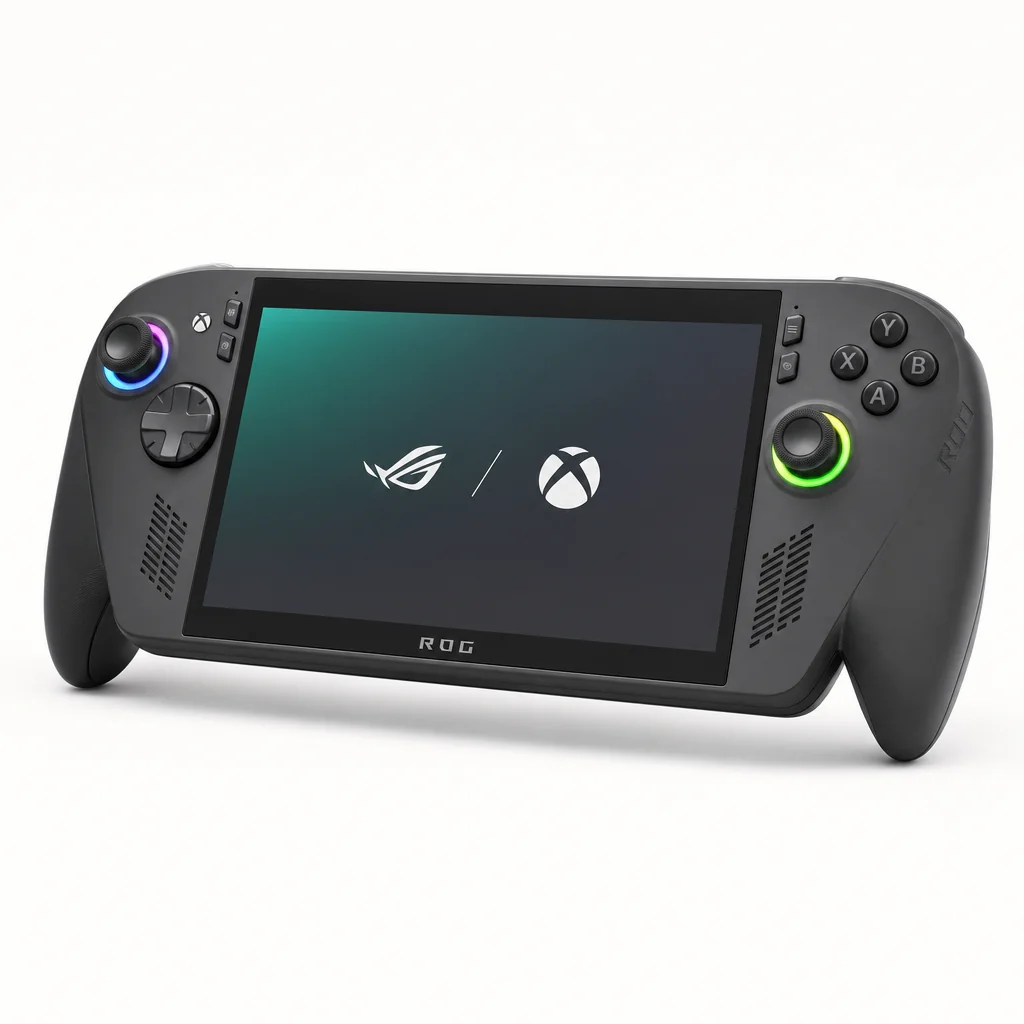
Right, decision time. Not "both are excellent, pick whichever one speaks to your soul." That is not useful when £300 is sitting between the two products. These were the buyers each model suited best.
Best on a budget: ROG Xbox Ally
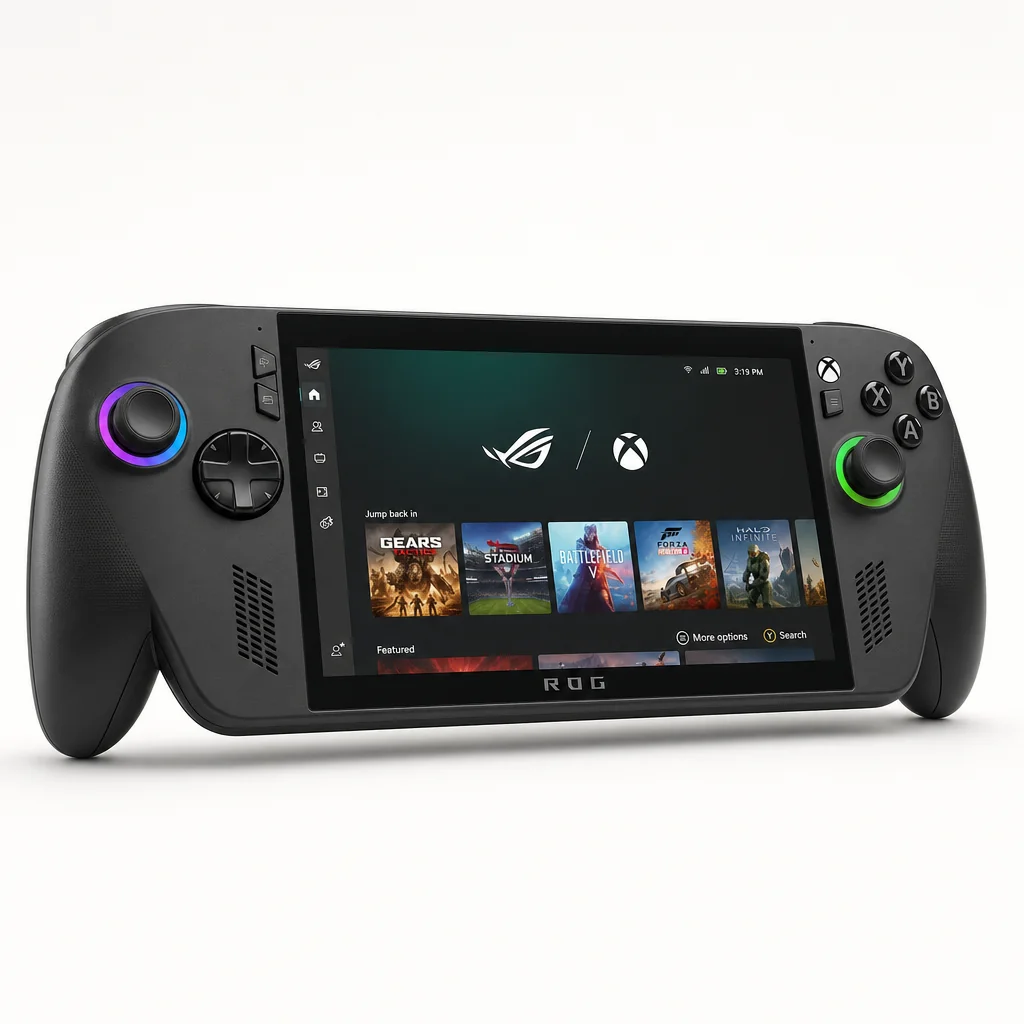
Choose the standard Ally if £499 / $599.99 is your sensible ceiling. You still got the same sharp 7-inch 1080p 120Hz display, 512GB storage, microSD expansion and a lighter 670g handheld. It was the better buy for the player who would rather preserve £300 for games, accessories or, frankly, normal life.
Best premium pick: ROG Xbox Ally X
Choose the Ally X if your priority was modern AAA performance, better battery capacity and a more generous system specification. Its 63.44fps Metro Exodus result, 1TB SSD, 24GB memory and 80Wh battery made it the no-compromise choice of the two.
Best for indies and older games: ROG Xbox Ally
For lower-demand games, the Z2 A platform was much easier to justify. The shared 120Hz display still gave lighter games a responsive home, while the lighter body was a small but real win for frequent casual play.
Best for travel and longer unplugged play: ROG Xbox Ally X
The 80Wh battery was the decisive upgrade here. Heavy Turbo use produced approximately 2 hours and 9 minutes, whilst lighter games drawing below 8–9W could stretch sessions much further.
Best for lighter hands: ROG Xbox Ally
The 45g difference is not enormous, but the 670g Ally was the more considerate option for players sensitive to wrist fatigue or those who regularly play without a stand or cushion support.
Best all-rounder: ROG Xbox Ally X
If the budget permitted it, the Ally X was the more complete machine. It paired stronger frame rates with more storage, memory, battery capacity, USB4 and haptic extras rather than relying on one flashy specification.
The buyer who should save the money is very clear: the Game Pass-first player whose library is mainly indies, older titles and less demanding releases. That person does not need to pay for a performance ceiling they will rarely touch. The buyer who should spend is just as clear: anyone buying a handheld specifically to play modern big-budget PC games away from a desk. For that player, the Ally X's advantages were not theoretical.
Final Category Winners
| Category | Winner | Why |
|---|---|---|
| Display | Draw | Both used the same 7-inch 1920×1080 IPS panel with 120Hz, 7ms response time and 500 nits brightness. |
| Raw performance | ROG Xbox Ally X | 63.44fps versus 43.28fps in Metro Exodus, a 47% lead. |
| AAA gaming headroom | ROG Xbox Ally X | Eight Zen 5 cores, 16 RDNA 3.5 compute units and 24GB memory made the stronger platform. |
| Battery capacity | ROG Xbox Ally X | Confirmed 80Wh battery and approximately 2 hours 9 minutes under heavy Turbo workload. |
| Portability | ROG Xbox Ally | 670g versus 715g. A modest gap, but a real one in the hands. |
| Storage and memory | ROG Xbox Ally X | 1TB and 24GB versus 512GB and 16GB. |
| Upfront value | ROG Xbox Ally | It cost £300 / $400 less while retaining the same display and core handheld experience. |
| Best overall capability | ROG Xbox Ally X | It was the more balanced, longer-lived and more powerful package. |
The decision ultimately came down to priorities: the regular Ally kept the same display in a lighter, cheaper package, while the Ally X delivered the performance and battery headroom demanding games needed.
ROG Xbox Ally vs Ally X FAQ
Verdict: The Better Buy Depends on the Games You Actually Play
Buy the ROG Xbox Ally if saving £300 matters more than chasing AAA performance.
The standard ROG Xbox Ally was the smart purchase for budget-conscious Game Pass players, indie fans and anyone who valued its lighter 670g weight. It retained the same sharp 7-inch 120Hz display, delivered a proper handheld PC experience and left a large amount of money in your pocket.
Buy the ROG Xbox Ally X if you want the handheld to be your serious modern-game machine. Its 47% Metro Exodus advantage, 24GB memory, 1TB SSD, 80Wh battery, USB4 and Impulse Triggers made the premium feel substantial rather than decorative. At £799 / $999.99 it was expensive, unquestionably. But for the player who wanted Cyberpunk, Forza Horizon 5, Doom: The Dark Ages and future demanding releases to feel like the point of ownership rather than a test of patience, it was the better all-round buy.
The honest answer to the £300 question, then, is simple: save it if your library is light. Spend it if your expectations are heavy.