
Microsoft and Nvidia to unveil Surface Laptop Ultra
The forthcoming 15-inch Surface pairs Nvidia’s RTX Spark platform with up to 128GB of unified memory, but UK pricing and availability remain unconfirmed.

What you need to know
- Microsoft and Nvidia are expected to introduce the Surface Laptop Ultra at a San Francisco event on 7 October.
- The laptop uses Nvidia RTX Spark technology, with a Blackwell RTX GPU and up to 128GB of unified memory.
- It is not confirmed as being on sale in the UK, and Microsoft has not announced a price or firm delivery date.
A Surface built for local AI
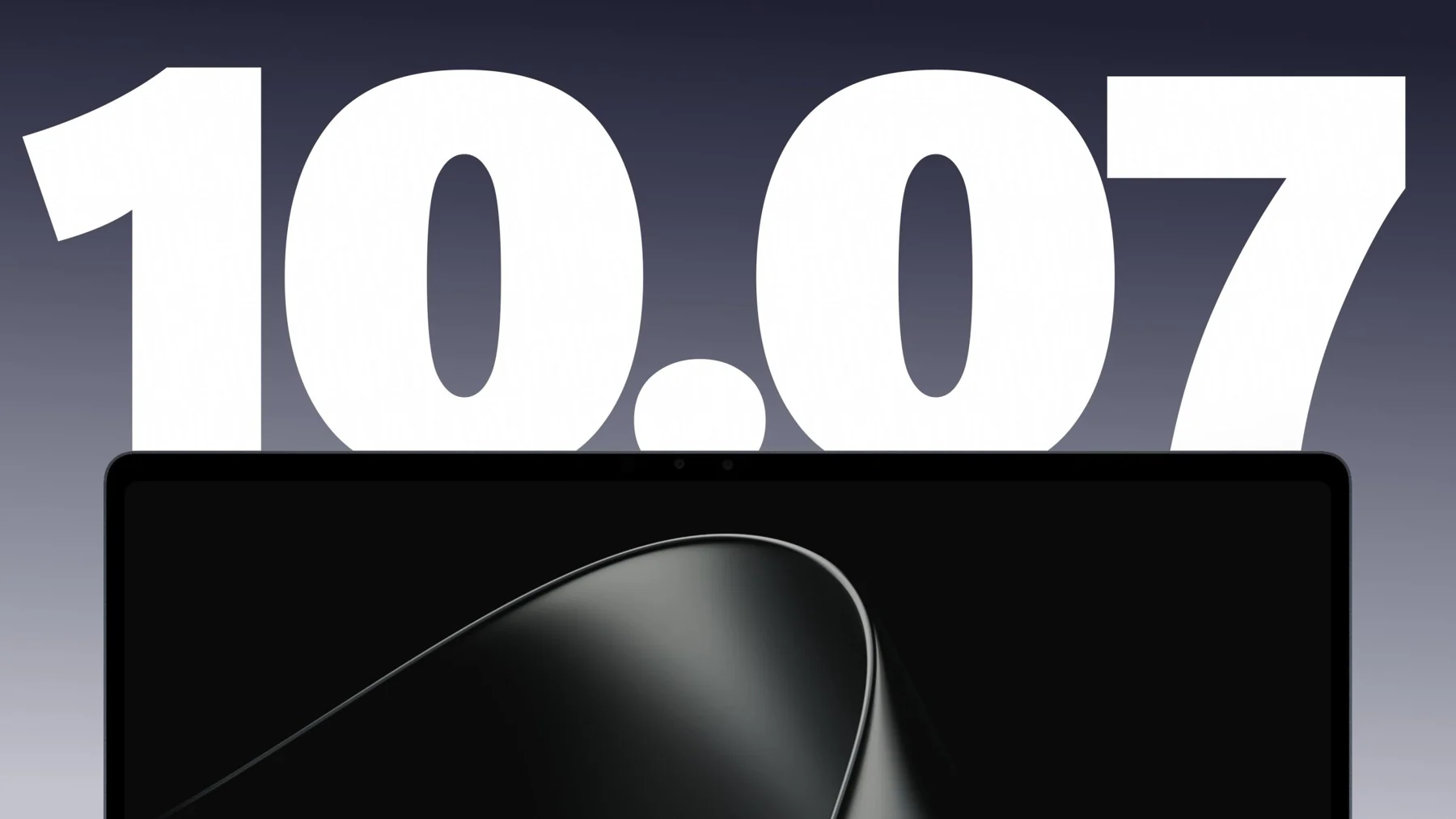
Microsoft and Nvidia are expected to introduce the Surface Laptop Ultra at a Windows and Surface event in San Francisco on Wednesday 7 October. Reuters reported that Microsoft chief executive Satya Nadella and Nvidia chief executive Jensen Huang were due to present the machine, which Microsoft first announced in May.
It is a forthcoming product rather than a confirmed retail launch. Microsoft says it will be available “later this year”, but has not confirmed UK pricing, a firm shipping date or pre-orders. Its UK product page also says the laptop has not yet been authorised under UK electromagnetic compatibility rules, with sale and delivery dependent on the relevant regulatory requirements.
Nvidia hardware in a Surface laptop
The Surface Laptop Ultra is based on Nvidia’s RTX Spark platform, combining an ultra-efficient CPU with an Nvidia Blackwell RTX GPU. Microsoft says it will offer up to 128GB of unified memory, shared dynamically between the CPU and GPU, and up to one petaflop of AI compute. That figure is based on Nvidia’s theoretical FP4 performance using sparsity.
Microsoft says the highest-specification model will be capable of running AI models with up to 120 billion parameters locally, although independent performance testing has not been published. Full CUDA support is confirmed, alongside Windows ML and TensorRT support for local AI workloads.
- 15-inch mini-LED PixelSense Ultra touchscreen with a 3:2 aspect ratio
- Up to 2,000 nits peak HDR brightness and 262ppi pixel density
- Less than 18mm thick and under 2kg
- USB-C, USB-A, HDMI, headphone jack and a full-size SD card reader
- Replaceable SSD, with repair guides and parts planned subject to market availability
Aimed at developers and creators
Microsoft is targeting developers, creators and AI builders handling local models, large datasets, 3D rendering and demanding creative work. Brett Ostrum, Microsoft’s corporate vice-president of Surface, called it “the most powerful Surface Laptop ever built.”
The company also claims up to 2.5 times the thermal capacity of the Surface Laptop 15-inch, 7th Edition, while describing battery life only as “all-day” based on pre-release internal testing. No final battery rating has been published.
Part of a wider Windows push
The laptop is part of a broader Microsoft and Nvidia effort to move more AI processing from data centres onto Windows PCs. Microsoft says RTX Spark systems from Asus, Dell, HP, Lenovo, MSI and Microsoft will begin appearing in the autumn, supported by Windows work on scheduling, power management, thermals and unified memory.
For now, the Surface Laptop Ultra’s appeal is clear mainly to buyers who need Nvidia’s CUDA software ecosystem and substantial memory in a portable machine. Everyone else will need to wait for confirmed UK configurations, pricing and independent testing before judging whether it is a practical alternative to a conventional high-performance laptop.
Why it matters
This is Microsoft’s clearest attempt yet to put workstation-level Nvidia AI hardware into a Surface laptop. For UK buyers, the promise is local AI work, CUDA support and powerful creative performance without relying as heavily on cloud services, but the price, real-world battery life and UK availability will determine how practical that promise is.
Sources and evidence (5)
- blogs.windows.com (other)
- news.microsoft.com (other)
- microsoft.com (other)
- investing.com (other)
- blogs.windows.com (other)