
Report: Apple Smart Glasses Delayed to 2027 Over Privacy Work
Apple’s display-free N50 glasses are now reportedly set for a June 2027 WWDC reveal as the company works through its camera and privacy strategy.
What you need to know
- Apple’s N50 smart glasses have reportedly moved from an expected 2026 introduction to a June 2027 reveal.
- Camera privacy, including the role of recording indicators and on-device processing, is reportedly a central unresolved issue.
- The delay leaves Samsung and Google with an earlier route into the screen-free AI glasses market.
Apple has reportedly pushed back its first smart glasses again, with the display-free device now expected to make its public debut at WWDC in June 2027 before reaching consumers later that year.
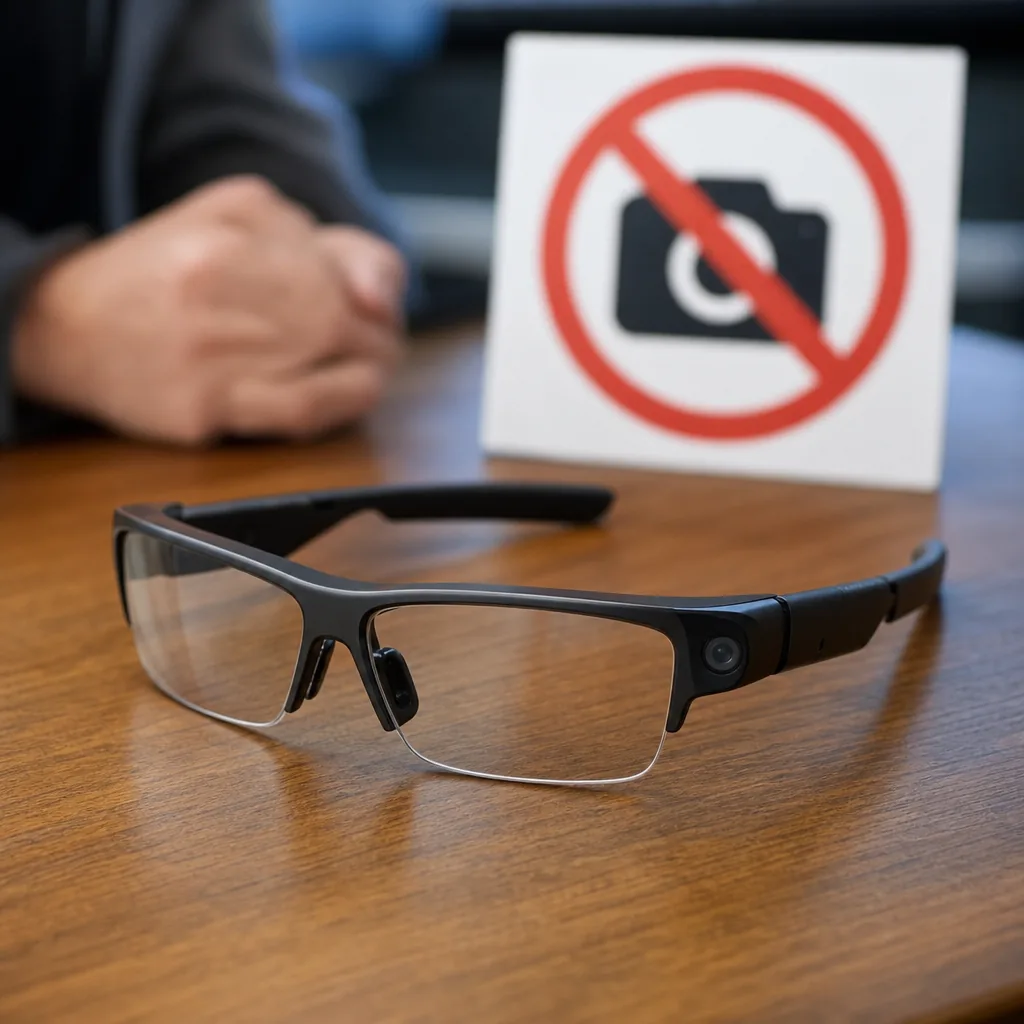
According to Mark Gurman’s Power On newsletter, published on 26 July, the glasses are internally codenamed N50 and had previously been expected to appear later in 2026, followed by a consumer launch in early 2027. The revised plan amounts to a delay of roughly six months.
The key issue is reportedly not manufacturing capacity or battery life. Instead, Apple is still working out how cameras should fit into the product — and how it should explain the privacy implications to customers. Gurman reported that privacy is the top priority for teams in Apple’s Vision hardware group and elsewhere in the company.
Camera question remains unsettled
Apple has reportedly considered three routes for N50. The first is the most familiar: conventional cameras that can take photos and video, much like Meta’s Ray-Ban smart glasses. The second would use a camera solely to supply Siri’s Visual Intelligence with information about the wearer’s surroundings, without offering a shutter button. The third would remove the camera entirely.
The most likely outcome, according to Gurman, is still a camera-equipped model with stronger privacy protections than rival products. But a final decision on whether the glasses will ship with a working camera has reportedly not been made, despite the planned WWDC 2027 unveiling being less than a year away.
Apple is said to be prototyping new hardware and software privacy features that are not available on its current products. Specific features were not detailed, but the company is expected to stress on-device data processing, avoid facial recognition and decline to train AI on user data. Tamper-proof privacy indicator lights are also reportedly part of the planned approach.
That strategy would distinguish Apple from the idea of always-on environmental analysis. Gurman reported that Apple wants to avoid anything resembling Meta’s proposed “super-sensing” mode, in which a device would continuously analyse what surrounds the wearer without activating its recording indicator.
A screen-free Apple wearable
N50 is not expected to be a miniature Vision Pro. The first-generation glasses are reportedly display-free, using cameras, microphones and speakers for features including calls, music playback, photo and video capture, and voice-controlled help through Siri.
The glasses will require an iPhone to work, with most processing — including Siri responses and Visual Intelligence queries — handled on the phone rather than the frames. Apple is reportedly testing several looks, including Wayfarer-style rectangular frames and smaller round designs, in colours such as black, light brown and blue.
Gurman has put the US price at between $200 and $500. There is no confirmed UK price. Analyst projections have suggested a base model could land around £399 to £499, but those figures are not official and will depend on the final feature set and Apple’s UK pricing.
An in-lens display is planned for a later generation once the technology is ready, according to the report. For now, Apple’s focus appears to be on making a more conventional-looking pair of glasses that can serve as an AI and audio accessory for an iPhone.
Privacy scrutiny has changed the market
The timing matters because camera-equipped glasses have become a privacy flashpoint. Meta has sold more than seven million pairs of Ray-Ban smart glasses, but its devices have drawn complaints over covert recording. A BBC investigation found male influencers using smart glasses to secretly film women for content, while Kenyan data workers reported being asked to review intimate footage captured by the devices.
Meta and Luxottica are also facing a US lawsuit filed in March by plaintiffs Gina Bartone and Mateo Canu, who alleged insufficiently clear disclosures over the transmission, cloud processing and human review of captured media. The UK’s Information Commissioner’s Office has opened its own inquiry into Meta’s Ray-Ban glasses, according to the BBC.
Meta has updated its second-generation glasses so that their camera shuts off if the recording LED is tampered with or destroyed. Instagram head Adam Mosseri also said in July that the platform would remove accounts posting smart-glasses videos used to secretly film and harass strangers.
The concerns are now reaching public institutions. New York State’s Unified Court System banned camera- and microphone-equipped eyewear from all 1,240 of its courthouses from 20 July, concluding that indicator lights could not replace confiscating the hardware at the entrance.
Samsung and Google gain time
Apple’s delay gives rivals a clearer opening. Samsung and Google unveiled their Galaxy Glasses at Galaxy Unpacked in London on 22 July, with a retail launch expected in autumn 2026. Their first screen-free model, codenamed Jinju, is camera-equipped and Gemini-powered, with a 12MP camera, Android XR software and a Qualcomm Snapdragon AR1 chip.
For ordinary UK buyers, the immediate consequence is simple: there will be no Apple smart glasses to buy before late 2027 at the earliest, if the reported schedule proves accurate. Buyers interested in AI glasses will see alternatives arrive sooner, but Apple’s slower approach suggests that the camera’s social acceptability — not merely its technical capability — may decide who wins this category.
Apple has not publicly commented on N50, its launch timetable or its privacy plans. The next major milestone, according to Gurman’s report, is WWDC in June 2027.
Why it matters
UK buyers hoping for an Apple alternative to Meta’s Ray-Ban glasses will face a wait until late 2027 at the earliest, if the reported timetable holds. More importantly, Apple appears to be treating privacy as a product-defining feature rather than a detail to be settled after launch. That could raise expectations for every camera-equipped wearable sold in the UK, where the ICO is already examining Meta’s glasses.