
Fitbit Air Review: Can Screen-Free Fitness Tracking Beat Whoop?
Google's £84.99 screen-free Fitbit strips away the distractions, keeps the sleep data and asks a surprisingly sensible question: do you really need another tiny screen on your wrist?
We link to the exact model on Amazon UK. Prices change often, so check the live price before you buy. As an Amazon Associate we earn from qualifying purchases.
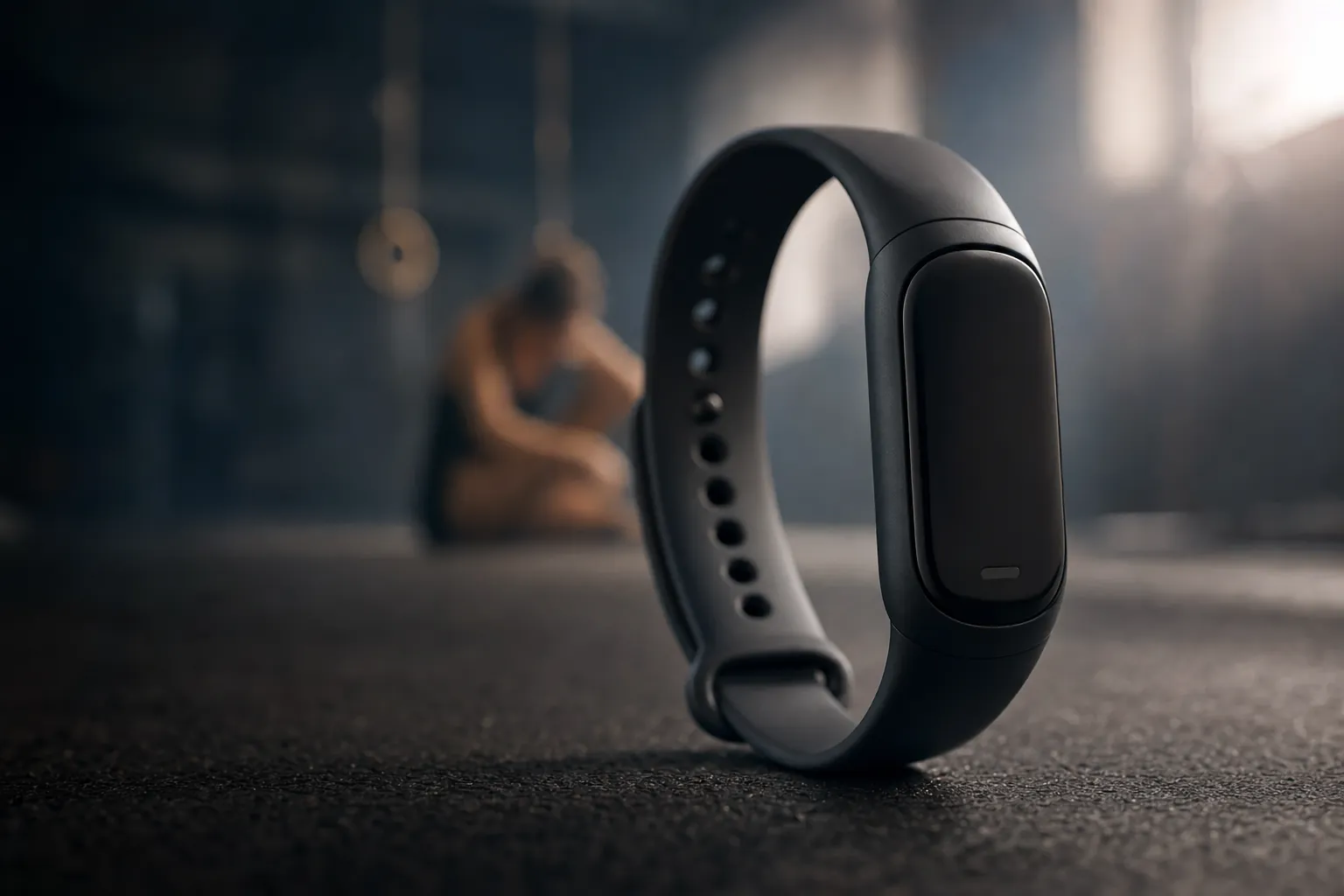
Fitbit Air's whole pitch is deliberate restraint: a tiny, screen-free tracker that collects the health data without becoming another source of wrist-bound distraction.
The Screen You Don't Miss: First Impressions of Fitbit Air
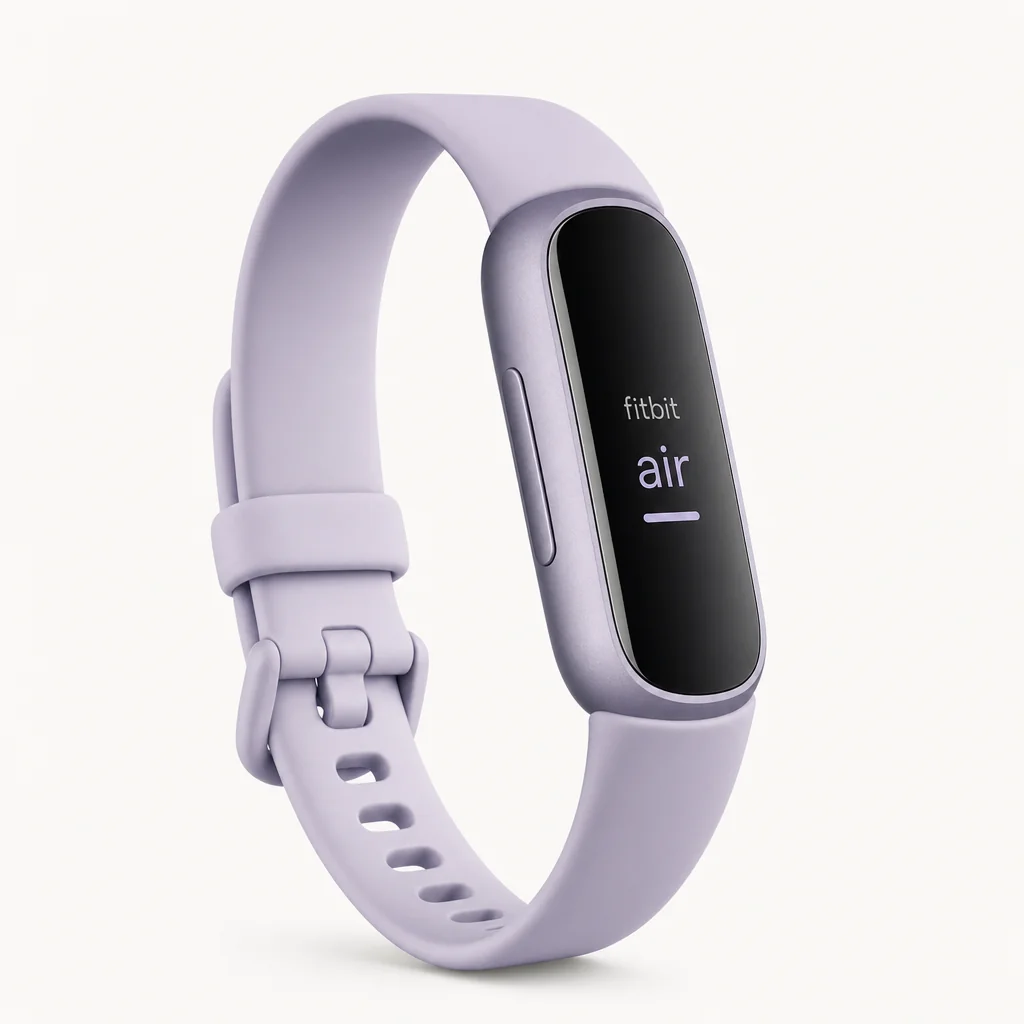
Fitbit Air is a rare fitness tracker that makes its biggest feature the thing it does not have. There is no display to tap, no flood of notifications, no little glowing rectangle asking for your attention halfway through dinner. It tracks, it vibrates for an alarm, and then it mostly gets out of your way. Frankly, that is rather refreshing.
At £84.99 in the UK and $99.99 in the US, Fitbit Air is Google's simplest wearable in years. It is a single tracker platform rather than a confusing family of almost-identical models; you choose a band and colour, not a processor, screen size or secret premium sensor package. The Stephen Curry Special Edition launched in the US at $129.99, but that extra spend bought a co-designed Performance Loop band with a water-resistant coating, a raised inner print for airflow and distinctive Rye-brown and orange styling. It did not buy better tracking hardware. Keep that distinction in mind before your inner sneakerhead gets involved.
The broader question is whether screen-free fitness tracking can genuinely compete with Whoop. Whoop had long owned this particular niche: discreet wearable, sleep obsession, recovery scoring, app-first experience, subscription attached like a limpet. Fitbit Air takes the sensible bits of that formula, then makes two important changes. It weighs much less, at 12g with its band, and its core tracking works without an ongoing membership.
That makes Air less of a direct smartwatch alternative and more of a wellness companion. It measures heart rate around the clock, sleep, readiness, cardio load, SpO2, skin-temperature variation and a handful of other useful trends. What it does not do is put any of that information on your wrist in the moment. You need the Google Health app to see the numbers, interpret them and act on them.
For some people, that will sound maddening. For others, it is exactly the point. I have sympathy with both camps. If you train by pace, lap splits and live heart-rate zones, you will feel the absence of a display very quickly. If, however, you have become the sort of person who checks a smartwatch merely because it lit up, Fitbit Air feels like a small act of technological self-control.
Tiny, Light, Deliberately Boring: Design and Build
Fitbit Air is 34.9 x 17 x 8.3mm without its band and weighs 5.2g as a bare tracker. With the supplied band fitted, it is still only 12g. Those are not just brochure-friendly numbers. They explain why reviewers repeatedly described the Air as something they could forget they were wearing, especially in bed.
That comfort matters more here than it would on a running watch. Fitbit Air's usefulness depends heavily on continuous wear: overnight sleep, quiet resting periods, ordinary working days and the unglamorous hours between workouts. A heavier tracker can be perfectly tolerable for a gym session and still become irritating at 3am. Air is built for the latter problem. It is substantially lighter than Whoop 5.0, which sits at roughly 26.5g without its strap and around 28g in one side-by-side test.
The tiny 5.2g tracker is the reason Fitbit Air works so well as an overnight wearable: it is unobtrusive in the way a sleep-focused tracker ought to be.
The housing uses recycled polycarbonate and PBT plastics, while the standard bands are textile or polyurethane with a stainless-steel buckle. Google said recycled materials accounted for at least 35% of the product by weight. It is a worthwhile detail, although the bigger sustainability test for any wearable will always be whether you still want to use it in two or three years rather than replacing it because a software feature moved behind a paywall.
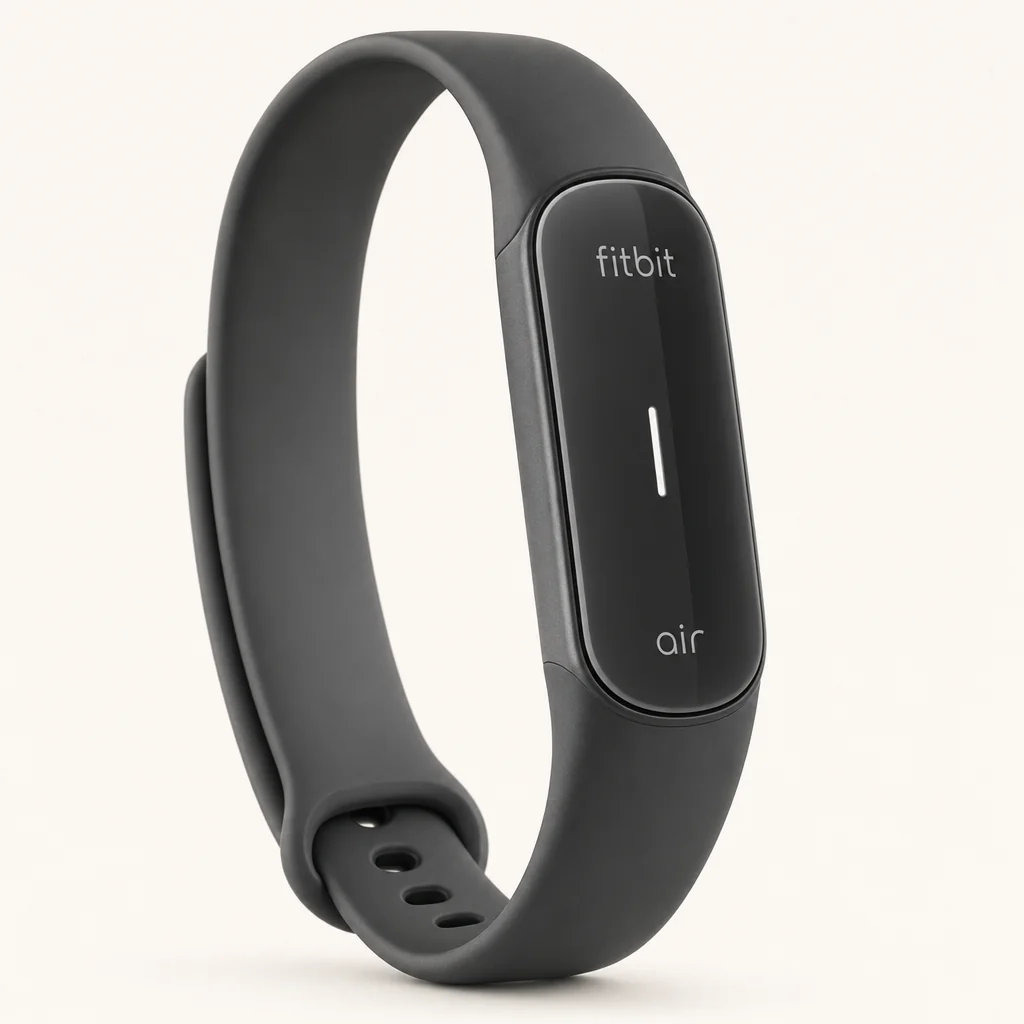
There is no display, GPS or NFC. That means no notifications, no pace screen on a run, no tap-to-pay coffee after a run and no map data without your phone. It also means fewer physical components, lower visual fuss and no temptation to turn your wrist into a tiny command centre. Fitbit clearly chose a lane here. It did not accidentally leave the clever bits out.
The design is intentionally one-note
Fitbit Air is not trying to be a smaller smartwatch. It is a passive tracker first. If your ideal wearable lets you leave your phone in a bag during a run, this is the wrong category. If your ideal wearable lets you stop checking your wrist every six minutes, it is unusually well judged.
What You Actually Gain By Losing the Display
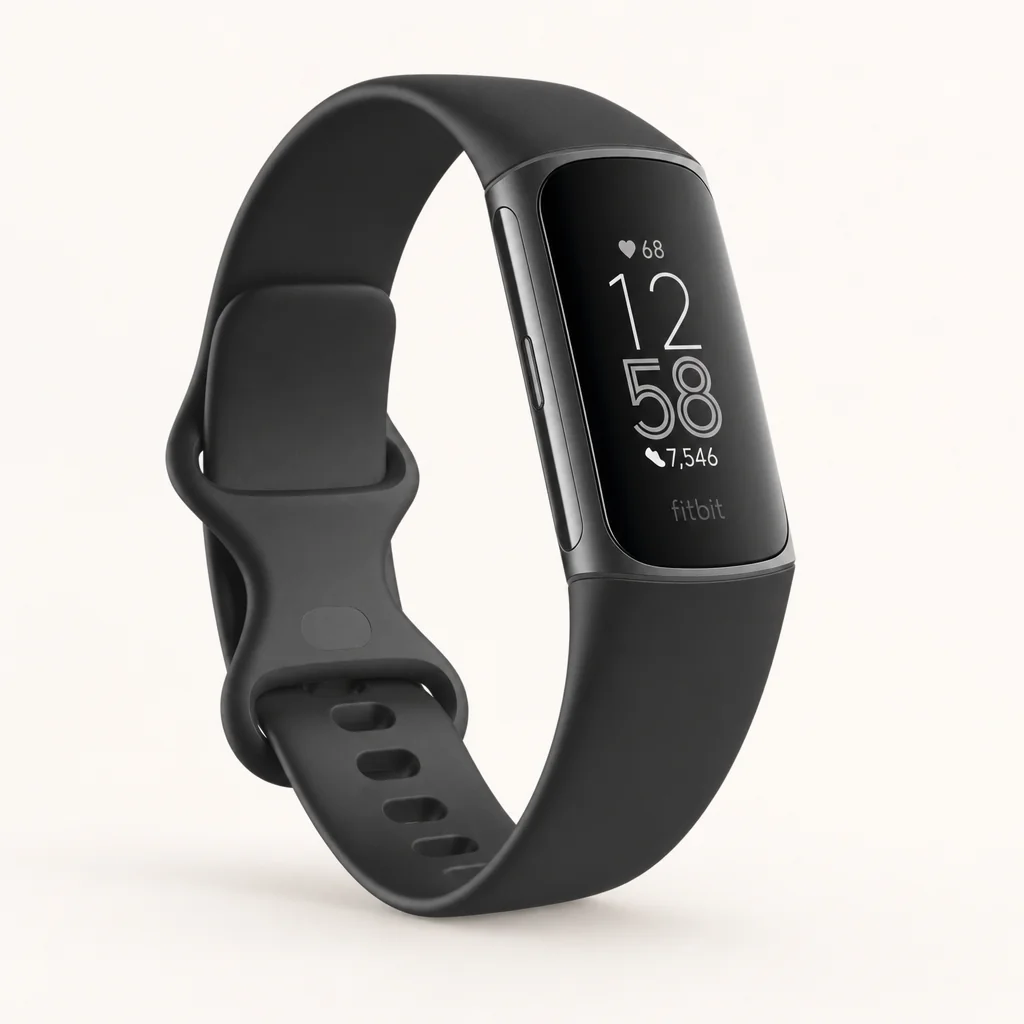
Screen-free is not automatically better. It is better for a specific sort of person. Fitbit Air gains comfort, simplicity and a little mental breathing room by removing the display. It loses immediacy. Your decision comes down to which side of that trade-off you value more.
Better overnight wear
At 12g with a band, Air is light enough to be much less noticeable in bed than chunkier watches and the heavier Whoop hardware.
Fewer interruptions
No screen means no message previews, buzzes from every app and no reflexive glance-checking when you should be concentrating on something else.
Data when you choose it
Your sleep score, readiness and cardio load live in Google Health rather than nudging you all day from your wrist.
A more limited workout tool
There is no live pace, route, heart-rate zone or elapsed-time screen on the tracker. Training feedback waits until you open the app.
That last point needs underlining. Air is terrific at turning fitness tracking into background infrastructure. It is not terrific if you want fitness tracking to guide a session minute by minute. A runner who trains to pace will want a watch, a phone mount or a very good tolerance for checking their phone. A cyclist who wants a device for navigation should look elsewhere entirely.
The lack of NFC creates a smaller but real compromise. Screen-free trackers often appeal to people who want to leave their phone alone, yet Fitbit Air cannot pay for anything whilst you are out. Again, this is not a flaw if you regard it as a sleep-and-health band. It is a flaw if you expect it to replace a smartwatch.
What the missing screen improves
- Excellent comfort for all-day and all-night wear.
- No notification clutter or compulsive wrist-checking.
- A clean, discreet look that does not scream "fitness gadget".
- Less pressure to interpret every workout in real time.
What you sacrifice
- No live workout data on the wrist.
- No on-device notifications or conventional watch functions.
- No NFC payments.
- No onboard GPS for phone-free route recording.
Under the Hood: Sensors, Specs and What They Enable
Under its plain exterior, Fitbit Air is not short of sensors. It has an optical heart-rate monitor, a 3-axis accelerometer, a gyroscope, red and infrared SpO2 sensors, a device-temperature sensor and a vibration motor. Heart-rate data is stored at two-second intervals, while the device keeps seven days of detailed minute-by-minute motion data, daily totals for the previous 30 days and heart-rate data for later syncing.
The sensor list enables the usual modern wellness dashboard: continuous heart rate, heart-rate variability, breathing rate, SpO2, skin-temperature variation, sleep metrics, readiness and cardio load. Fitbit also advertises heart-rhythm monitoring and Afib alerts, subject to regional and eligibility restrictions. These features are useful signals, not a replacement for medical advice or a reason to ignore symptoms because a wristband looked calm.
Fitbit Air requires the Google Health app for setup, syncing and viewing data. It works with Android 11 or newer and iOS 16.4 or newer. There is no screen-based setup route because, well, there is no screen. A Google Account is required.
Automatic workout detection was less impressive at launch. Reviewers found the implementation covered only five workout types, which is a narrow opening move compared with Whoop's 145-plus supported activities. The Air is perfectly capable of collecting broad activity signals, but its workout labelling and training context were clearly less mature than its sleep-first proposition.
Living With the Google Health App: Setup, Syncing and Everyday Use
With Fitbit Air, the app is the product almost as much as the band is. You pair it through Bluetooth Low Energy, complete setup in Google Health and then use your phone as the sole place to see your results. That sounds obvious, but it changes the rhythm of ownership. There is no half-glance at your wrist after a poor night. You have to make a conscious choice to open the app and look.
For casual users, that can make the information easier to digest. The app surfaces sleep score, sleep schedule, sleep duration, sleep stages, readiness, cardio load, heart rate and related wellness data in one place. It also supports logging for weight, nutrition, water, moods and cycles. Tom's Guide found Google Health easier to navigate than Whoop's denser app, which is not a trivial advantage when most people simply want to know whether they slept well and whether today is a good day to push themselves.
Without a display, every meaningful Fitbit Air interaction happens in Google Health — a calmer workflow for some users, but one that puts heavy pressure on the app's clarity.
There is another side to that story. TechRadar described the AI-led app experience as messy, and the free tier as noticeably less complete than the paid experience. That is a fair criticism. Fitbit Air's hardware is simple and good value, but the most interesting interpretation layer is increasingly tied to Google Health Premium. The dashboard can occasionally feel as though it is showing you the door to a smarter service rather than simply being that service.
Treat the app as a trends tool, not a daily judgement machine
Sleep and recovery scores are most useful across days and weeks. One low score after a late meal, difficult night or hard workout is context, not a character assessment. The sensible question is whether the trend explains how you feel, not whether the app has awarded you a gold star.
Syncing is straightforward through Bluetooth 5.0, with a stated range of up to 30 feet. The device's seven days of detailed movement storage gives you some breathing room if you forget to sync immediately, although regular syncing remains the sensible habit. The double-tap interaction is deliberately limited: it can dismiss an alarm and reveal battery-status LED information. That is about as close as Air gets to an on-device interface.
Sleep Tracking Under the Microscope: Duration Wins, Stages Wobble
Sleep is where Fitbit Air makes its strongest case. The tracker is light enough to wear overnight without much thought, and hands-on comparisons suggested that its sleep-duration and wake-time detection were broadly convincing. But there is a very important caveat: the deeper you go into sleep-stage readings, the less confidently you should treat any wrist wearable as an objective truth machine.
Tom's Guide compared Fitbit Air with a Garmin Forerunner 70 over the same night. Fitbit Air produced a sleep score of 73, against Garmin's 66. It estimated 7 hours 37 minutes asleep, while Garmin recorded 8 hours 9 minutes. Average heart rate was remarkably close: 66bpm on Fitbit Air and 65bpm on Garmin. So far, so reassuring.
Then come the sleep stages. Fitbit Air attributed 30 minutes to REM sleep, whereas Garmin estimated 1 hour 35 minutes. Fitbit logged 5 hours 59 minutes of light sleep and 41 minutes of deep sleep; Garmin recorded 5 hours 45 minutes light and 49 minutes deep. That REM discrepancy is not a rounding error. It is a reminder that consumer sleep-stage algorithms can look at the same restless human and tell rather different stories.
| Same-night sleep metric | Fitbit Air | Garmin Forerunner 70 |
|---|---|---|
| Sleep score | 73 | 66 |
| Sleep duration | 7h 37m | 8h 9m |
| Average heart rate | 66bpm | 65bpm |
| REM sleep | 30m | 1h 35m |
| Light sleep | 5h 59m | 5h 45m |
| Deep sleep | 41m | 49m |
TechRadar's Apple Watch comparison was more flattering on the basics. Fitbit Air's total sleep-time estimate was within five minutes of the Apple Watch on the night tested, and the reviewer said it consistently detected wake-up events, including brief interruptions. Air produced a sleep score of 81 versus Apple Watch's 90, which is close enough to point in the same direction but far enough apart to show that scores should not be compared like exam marks across platforms.
Fitbit Air's sleep proposition is strongest on duration and wake detection; stage estimates are useful as trends, but they can diverge sharply from another wearable's reading.
PhoneArena found the same pattern, just more dramatically. Sleep duration and wake time were convincing, but deep-sleep estimates differed heavily from an Apple Watch. Fitbit Air reported 1 hour 27 minutes of deep sleep on one night versus 28 minutes on the Apple Watch, and roughly 1 hour 30 minutes versus 32 minutes on another. Nobody should interpret that as proof that one device has discovered the secret truth about your brain. Neither is measuring brain activity directly.
The practical takeaway is simple. Fitbit Air appears good at telling you whether you had a shorter, longer, interrupted or generally poor night. That is the information most people can use: did your bedtime slide later, are you waking more often, is your resting heart rate moving, and do you feel as rough as the trend suggests? Sleep stages can add texture, but not certainty. Use them as a personal baseline, not as a medical report card.
Recovery and Readiness: How Deep Does Fitbit Air Really Go?
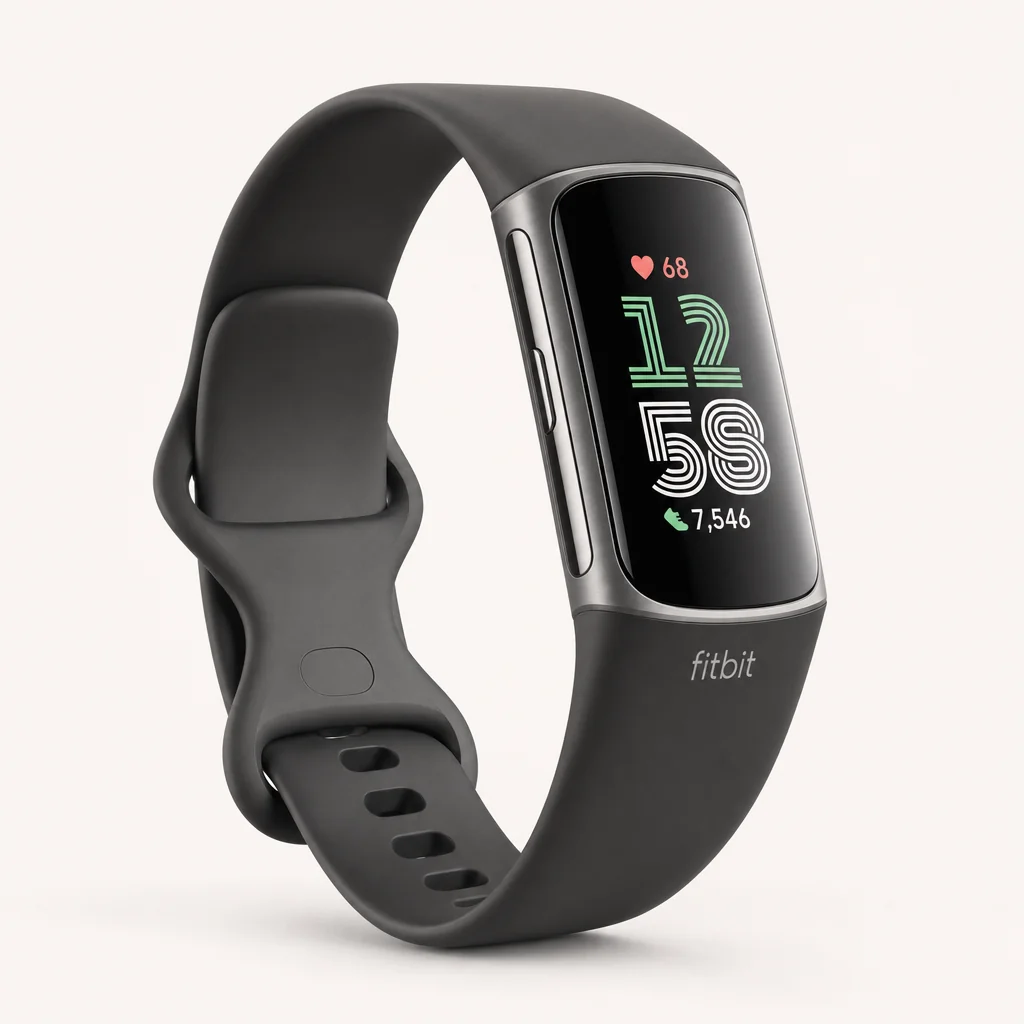
Fitbit Air's recovery story centres on readiness and cardio load in Google Health. Readiness pulls together signals including sleep and physiological trends into a simple sense of whether today looks like a day to push on or back off. Cardio load gives your activity a broader workload context. For someone who wants a friendly nudge rather than a spreadsheet of biological anxiety, that is a sensible level of ambition.
Whoop goes deeper. Its entire platform was designed around recovery, strain and sleep analysis, with far more activities supported and a much more performance-oriented interpretation style. It also collects sensor data at 26Hz according to Whoop's launch material, compared with Fitbit Air's stored heart-rate data at two-second intervals. That alone does not settle accuracy, but it illustrates the difference in philosophy: Whoop is built for athletes who want to inspect the workings; Fitbit Air is built for people who want a readable answer.
One evidence gap is worth stating plainly: no controlled chest-strap accuracy percentage, laboratory mean error or equivalent formal heart-rate benchmark was published in the reviews considered here. TechRadar used Fitbit Air during a 10K alongside an Apple Watch Ultra 3 and Polar H10 chest strap, but did not publish a formal accuracy figure. That does not make Air's heart-rate tracking poor. It simply means buyers should not pretend a precise independent accuracy score exists when it does not.
Fitbit Air's recovery guidance is best understood as general wellness context. If you need detailed training load, activity analysis and a more granular recovery model, Whoop remains the more specialised platform. If you want a clear daily steer without a compulsory membership, Fitbit Air is the friendlier option.
Seven Days and Counting: Battery Life in the Real World
Google claimed up to seven days from Fitbit Air's lithium-polymer battery, around 90 minutes for a full 0–100% charge and a day of battery from five minutes on the charger. Mercifully, those claims held up rather better than the usual "up to" battery folklore.
Tom's Guide had 15% remaining after exactly seven days, including roughly 12 workouts. TechRadar exceeded seven days in testing, reported about an hour for a full charge and found five minutes supplied roughly a day of use. PhoneArena saw the battery fall from 70% to 29% over four days, a rough 10% per day pace that implied eight to nine days under that reviewer's use. Engadget recorded around 15% drain per day with overnight tracking and regarded seven days as fair.
A realistic week between charges is one of Fitbit Air's quieter strengths, and the five-minute top-up is genuinely useful before a night away.
In real life, the answer is roughly seven to nine days depending on activity, syncing and your general habits. That is good, not class-leading. Whoop lasts around 14 days, and its on-wrist charging approach avoids a tracking interruption. Fitbit Air has to leave your wrist to charge, so there will be a small hole in your continuous data if you charge at an awkward moment.
The sensible charging routine is to top up while showering, working at a desk or getting ready in the morning. The quick-charge figure makes that viable. Just avoid making a habit of charging overnight if sleep tracking is the reason you bought it in the first place.
Free vs Premium: Does Google Health Premium Earn Its Keep?
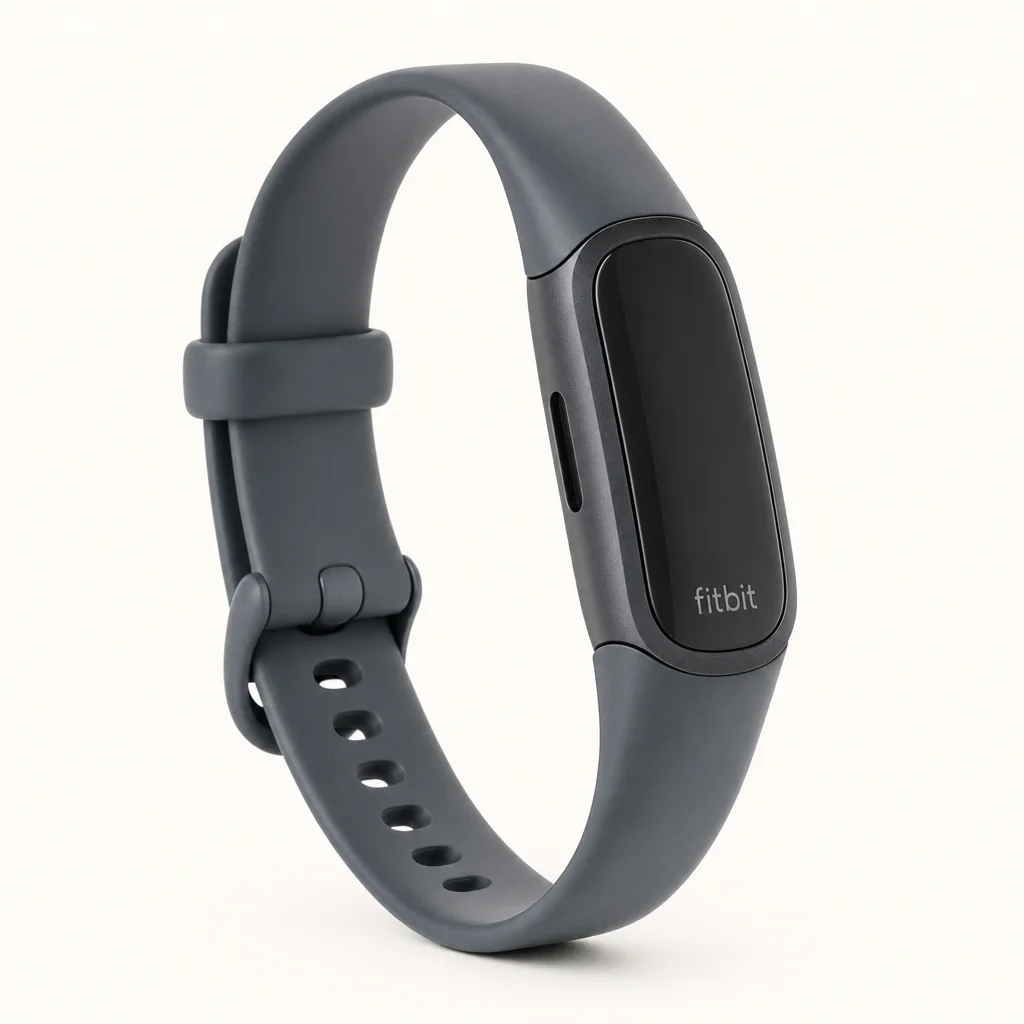
The key value point is refreshingly straightforward: Fitbit Air does not become a paperweight if you decline a subscription. Core tracking is included. You get steps, calories, distance, cardio load, readiness, sleep score, sleep duration and stages, heart rate, HRV, breathing rate, SpO2, skin-temperature variation and wellness logging without Google Health Premium.
Premium costs $9.99 a month or $99 a year in the US. It adds the Gemini-powered Health Coach, personalised health questions, adaptive fitness plans, detailed sleep coaching, proactive insights, workout content and mindfulness sessions. Those are meaningful extras, not meaningless wallpaper. They are also the bits most likely to make the app feel properly intelligent.
Fitbit Air UK
Core health and fitness tracking included without a required subscription.
Fitbit Air US
Standard tracker price before any optional Google Health Premium membership.
Google Health Premium
Or $9.99 monthly for AI coaching, plans and expanded insight features.
Compared with Whoop, this is a major structural advantage. Whoop's hardware is supplied through a membership, with annual plans from $199 for Whoop One through $239 for Peak and $359 for Life. It is a more comprehensive training system, but it asks you to keep paying just to remain in the ecosystem. Fitbit Air lets you buy the hardware, use the important health basics and decide later whether the premium coaching is worth it.
The free experience gets the essentials right
- Sleep scores, duration and stages remain available.
- Readiness, cardio load and heart-rate trends are included.
- SpO2, HRV, breathing rate and temperature variation are part of the core proposition.
- You can own the tracker without a subscription tax.
Premium holds the cleverest layer
- Gemini-powered Health Coach requires Premium.
- Adaptive plans and detailed sleep coaching sit behind the membership.
- Workout and mindfulness libraries are not part of the base experience.
- The app can feel designed to upsell the smarter features.
Fitbit Air vs Whoop 5.0 vs Garmin Cirqa
Fitbit Air has two obvious screen-free rivals, but they target slightly different buyers. Whoop 5.0 remains the serious performance and recovery pick. Garmin Cirqa is a newer subscription-free contender with a more training-oriented ecosystem. Fitbit Air sits between them as the affordable, light, lifestyle-friendly option.
| Feature | Fitbit Air | Whoop 5.0 | Garmin Cirqa |
|---|---|---|---|
| UK price | £84.99 | Membership model | £179.99 |
| US price | $99.99 | $199–$359 annual membership | $199.99 |
| Weight | 12g with band | Approx. 26.5g; 28g in one comparison | 14.8g |
| Battery | Up to 7 days | Up to 14+ days | Up to 10 days |
| Water resistance | 50m | IP68, up to 10m | 5 ATM |
| Onboard GPS | No | No | — |
| Core tracking without subscription | Yes | No | Yes |
| Buy | Check price | Check price |
The table makes Fitbit Air's appeal very clear. It is the cheapest option by a considerable margin, the lightest with its standard band and the least financially demanding over time. Whoop wins comfortably on battery duration, activity breadth and deeper recovery analysis. Garmin Cirqa offers longer battery life and Garmin Connect's more substantial free environment, but costs roughly twice as much as Fitbit Air.
The screen-free market now has clearer choices: Fitbit Air for affordability and comfort, Whoop 5.0 for deeper performance analysis, and Garmin Cirqa for a more training-led subscription-free route.
The short version
Fitbit Air does not beat Whoop 5.0 at being Whoop. It wins by refusing to play the same expensive game. If you want richer training analysis, more activity support, multiple wear locations and longer battery, Whoop remains ahead. If you want a featherweight tracker for sleep, readiness and general health without mandatory annual fees, Fitbit Air is the much easier recommendation.
The Good, The Gaps: Weighing Up Fitbit Air
Fitbit Air succeeds because it understands that plenty of people want health tracking but do not want another miniature computer competing for attention. It is comfortable, discreet, sensibly priced and unusually friendly to buyers who do not want a subscription. The seven-day battery claim held up in testing, sleep duration and wake detection were generally strong, and the app makes the core data approachable.
Its weaknesses are equally clear. The automatic workout support was narrow at launch, there is no GPS or NFC, charging requires removing the tracker and sleep-stage figures can differ wildly from another wearable. The app also has some growing up to do: its best coaching features are paid, and its AI-led presentation has been described as cluttered.
Reasons to buy Fitbit Air
- Exceptionally light 12g design that is easy to wear overnight.
- Sleep duration and wake detection performed well in hands-on comparisons.
- Battery comfortably reached a week and sometimes exceeded it.
- Core tracking works without a mandatory recurring subscription.
- £84.99 pricing makes it dramatically more accessible than Whoop.
- 50m water resistance suits swimming and everyday use.
Reasons to think twice
- Only five auto-detected workout types were reported at launch.
- No onboard GPS, NFC or live workout display.
- Sleep-stage estimates should be treated cautiously.
- Advanced coaching requires Google Health Premium.
- No published controlled heart-rate accuracy benchmark.
- Charging means a break in continuous tracking.
Who Should Actually Buy the Fitbit Air?
Fitbit Air makes most sense when your priorities are sleep, comfort, broad wellness trends and freedom from subscription pressure. It is not a serious sports watch in disguise. Nor is it trying to be. Buy it for the job it is good at, and it feels considered rather than limited.
Fitbit Air

See Fitbit Air on Amazon UK
Check today's price & availability on Amazon UK
At £84.99/$99.99, Fitbit Air is the clear screen-free value pick for buyers who want sleep, heart-rate and readiness tracking without signing up to an annual membership.
Fitbit Air
The 12g weight, unobtrusive design and useful sleep-duration tracking make it a particularly good fit for anyone who finds watches annoying in bed.
Whoop 5.0
Whoop remains the better choice for athletes who want more activity support, deeper strain and recovery analysis, longer battery life and flexible wear locations.
Garmin Cirqa
See Garmin Cirqa on Amazon UK
Check today's price & availability on Amazon UK
Garmin Cirqa costs much more, but its longer battery life and Garmin Connect ecosystem make it the stronger fit for buyers who favour training context over Fitbit Air's lifestyle simplicity.
Fitbit Air is ideal if you are sleep-focused, screen-weary or simply fed up with being asked for a monthly payment after buying hardware. It also works nicely for people with smaller wrists and for anyone who wants a wellness tracker that does not look like an expedition watch.
It is less suitable for runners and cyclists who need onboard GPS, route data and live pace. It is also not the right pick for someone who wants tap-to-pay, music controls, notifications or a watch face. Those are not oversights; they are the cost of the product's calmness. Still, calmness is not much consolation when you are standing outside a café with no way to pay for a coffee.
As for the Stephen Curry Special Edition, choose it because you like the performance band and colourway. The tracker hardware, sensors, software and battery proposition are otherwise the same. It is a style upgrade, not a performance upgrade.
Fitbit Air is at its best for people who want health tracking to fade into the background — useful enough to build better habits, quiet enough not to dominate the day.
Fitbit Air FAQ
Fitbit Air verdict
Fitbit Air is one of the most sensible fitness trackers Google has made in years. It is not a gadget for data-maximalists, hard-core runners or people who want every smartwatch convenience. It is a genuinely good choice for everyone else: light, comfortable, capable at the basics and free from the compulsory subscription model that makes Whoop so expensive to live with. The screen is missing. For the right buyer, that is precisely why it works.
- Fitbit AirView on Amazon
- Garmin CirqaView on Amazon