
Sony Considers PlayStation 6 Delay to 2028 or 2029
Bloomberg reports that Sony is weighing a later next-generation PlayStation launch as the global memory shortage pushes hardware costs higher.
What you need to know
- Bloomberg reported on 15 February that Sony is considering moving its next console launch to 2028 or 2029.
- Sony says it has not decided the timing or price of a new console as memory costs remain elevated.
- The standard PS5 now costs £569.99 in the UK after April’s global price rise.
Sony is considering delaying its next PlayStation console until 2028 or even 2029, according to a Bloomberg report published on 15 February. The potential shift is largely linked to the global shortage of memory chips, which has made the components needed for modern consumer hardware substantially more expensive.
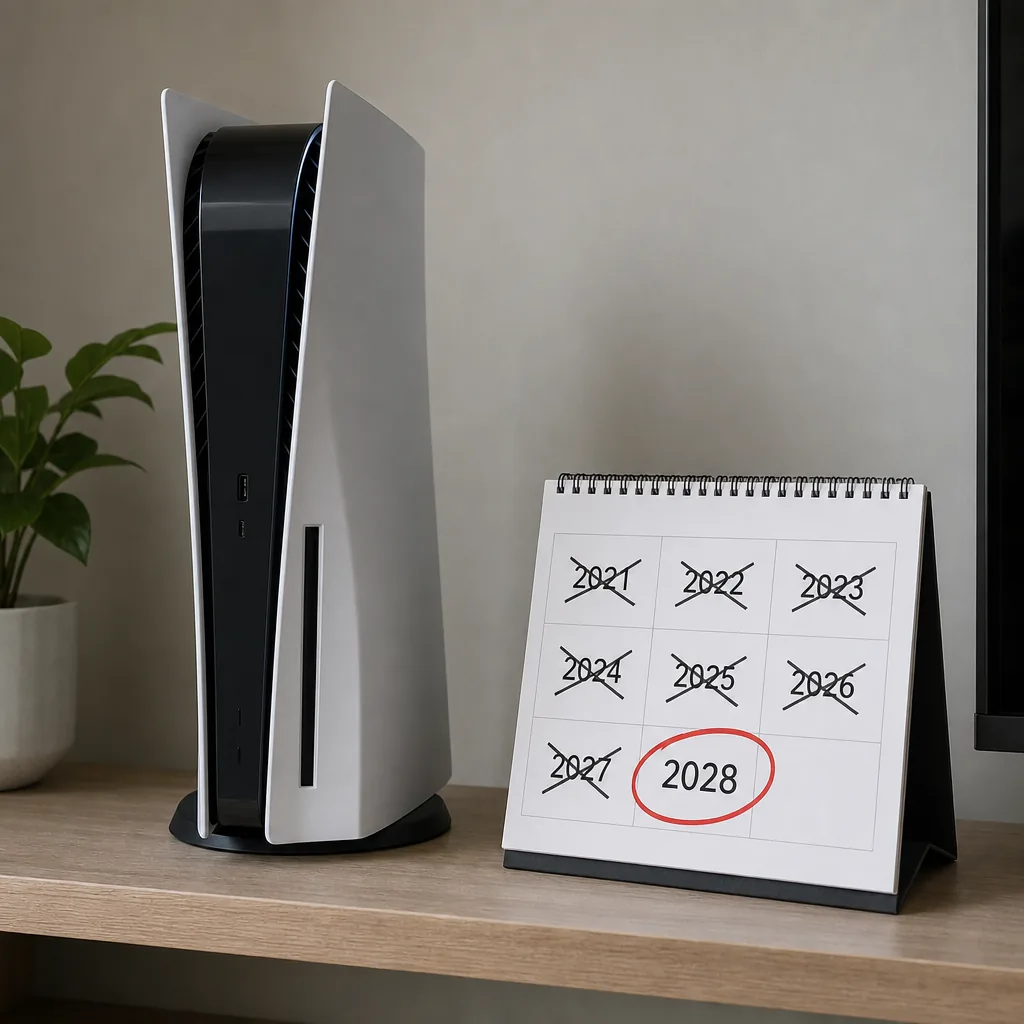
Neither a release date, a price nor even the PlayStation 6 name has been confirmed by Sony. But the Bloomberg report, which cited anonymous sources familiar with Sony’s plans, suggested that a launch beyond the widely expected 2027 window is now a concrete possibility rather than a distant contingency.
Sony and Nintendo representatives did not respond to Bloomberg’s requests for comment at the time.
Sony says timing and price are undecided
Sony President and CEO Hiroki Totoki addressed the next console directly during the company’s Q4 fiscal year 2025 earnings briefing on 8 May. Asked whether rising memory costs would affect the upcoming hardware, Totoki said: “We have not yet decided on at what timing we will launch the new console, or at what prices. So we would like to really observe and follow the situation.”
That does not confirm a delay, but it is a notably cautious position for a company approaching a new console cycle. Totoki said higher RAM prices are already affecting the bill of materials for current hardware. Sony has secured sufficient memory for the rest of 2026, he said, but expects prices to remain high through fiscal year 2027 as supply shortages meet expanding demand.
“We would like to think about various simulations, including changing business models, to come up with the best solution and strategy,” Totoki added. Sony did not specify what those business models could involve.
AI data centres are intensifying the memory squeeze
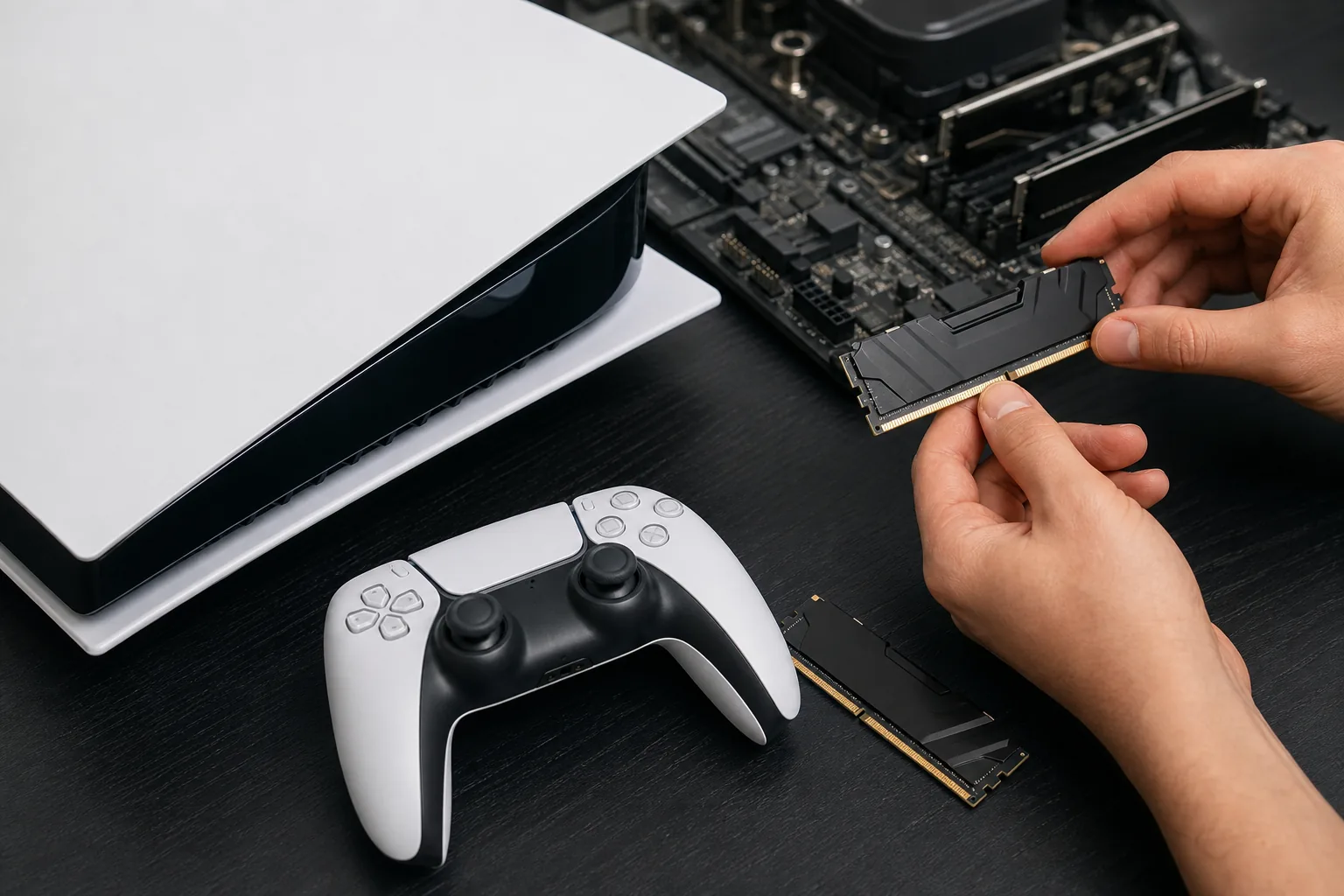
The central problem is a shortage of DRAM and NAND flash memory. Major companies including OpenAI are building AI data centres, increasing demand for memory chips beyond available supply and putting consumer electronics makers under pressure.
DRAM prices rose 172% through 2025, while NAND prices climbed 246% over the same period, according to the figures cited in the reports. The consequences are not limited to games machines. In February, Gartner said the shortage would cause PC shipments to fall 10.4% in 2026 and smartphone shipments to decline 8.4%, while prices for those products rise 17% and 13% respectively compared with 2025.
Lenovo Group CEO Yang Yuanqing described the situation to Bloomberg as a structural issue rather than a brief market wobble, saying: “This structural imbalance between supply and demand is not simply a short-term fluctuation.”
That matters especially for a new console, where Sony must secure huge volumes of memory while trying to hit a price that consumers will accept. Reports have circulated around unconfirmed PS6 specifications and potential tiered hardware plans, but Sony has not announced any technical details, models or pricing.
The PS5 is already becoming more expensive
For UK buyers, this is not an abstract supply-chain story. Sony raised PlayStation 5 prices globally on 2 April 2026, following a US-only increase in August 2025. The standard PS5 now costs £569.99 in the UK, around £90 more than its previous price, while the PlayStation Portal rose to £219.99.
In the US, the standard PS5 rose from $549.99 to $649.99, while the PS5 Pro increased from $749.99 to $899.99. Sony has also ruled out future PS5 discounts in a filing with the US Securities and Exchange Commission, citing soaring memory component costs.
The result is unusual for a console nearing six years on sale. Rather than receiving the customary late-generation price cuts, the PS5 has become more expensive than it was at launch.
A longer generation would reshape the market
A 2028 or 2029 launch would make the PS5 generation unusually long by PlayStation standards, departing from Sony’s typical six-to-seven-year console rhythm. It would also arrive as Nintendo’s Switch 2 builds momentum: Nintendo reported 19.86 million Switch 2 units shipped through 31 March 2026, a pace ahead of the original Switch over a comparable period.
PS5 unit sales, meanwhile, fell 58% year-on-year in May 2026, according to Circana data. Nintendo is also facing cost pressure, with its US Switch 2 price set to rise from $449.99 to $499.99 on 1 September. UK pricing after that increase has not been confirmed.
For anyone deciding whether to buy a PS5 now, there is no confirmed PS6 timetable to plan around. The more immediate reality is that current PlayStation hardware costs more, discounts are off the table, and Sony is openly assessing how memory shortages affect the timing and price of whatever comes next.
Why it matters
A later PS6 would leave UK buyers weighing a £569.99 PS5 against a potentially lengthy wait for its successor. It also means the familiar expectation that consoles become cheaper late in their lifespan no longer holds: memory shortages are raising costs across the industry. Sony has not confirmed a PS6 date or UK price, but its own comments make clear that component costs are now central to those decisions.