
Qualcomm Confirms Double-Digit Snapdragon Price Rise From 1 September
Qualcomm says higher supplier and memory costs will lead to double-digit price increases across most Snapdragon chips from 1 September 2026.
What you need to know
- Qualcomm will raise prices for most Snapdragon chips from 1 September.
- The company has confirmed only that increases will be in the double digits.
- Phones, PCs, wearables, tablets, smart glasses and VR hardware could all face added cost pressure.
Qualcomm has confirmed it will raise prices for most of its Snapdragon chips from 1 September, citing higher supply costs and pressure on its margins. The company has described the increases as double-digit percentage rises, but has not disclosed the exact amounts or published a platform-by-platform pricing list.
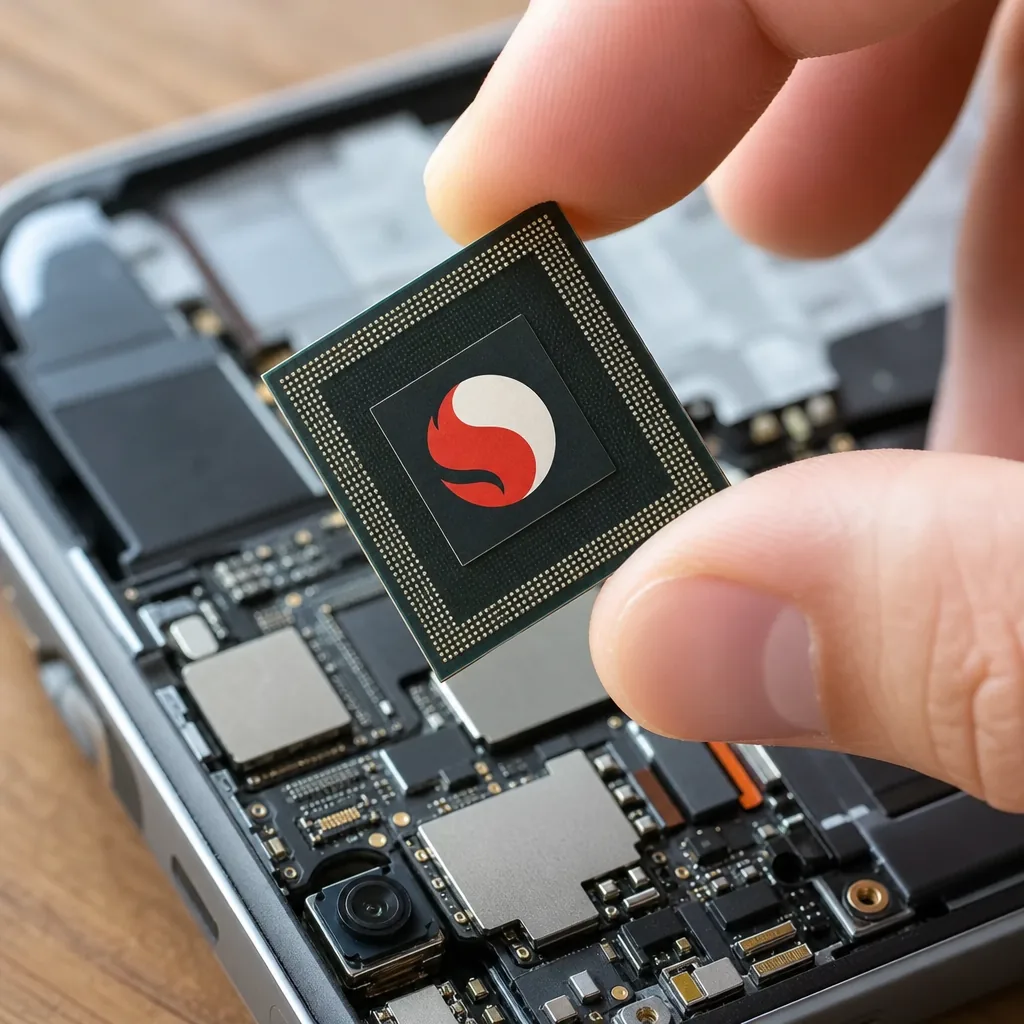
The move matters well beyond the next generation of premium Android phones. Qualcomm’s Snapdragon portfolio spans phone processors, tablet chipsets, Windows on Arm processors, wearable silicon, smart eyewear modules and connected IoT hardware. That means the consequences could eventually reach laptops, watches, headsets and other consumer devices, as well as handsets.
Chief executive Cristiano Amon confirmed the change while Qualcomm reported its fiscal third-quarter results on 29 July. In comments reported by CNBC, Amon said: “Cost went up, prices are going to go up.” He added that Qualcomm would “raise prices for most chips starting Sept. 1 while continuing efforts to improve supply-chain efficiency.”
Shipments after 1 September are affected
Qualcomm informed customers that the new pricing will apply to Snapdragon chips shipped after 1 September. The company had previously tried to source components from alternative suppliers before deciding it could no longer absorb escalating costs, according to a customer letter sent to hardware partners on 24 July.
There is an important distinction between Qualcomm’s confirmed position and the rumour mill around future flagship chips. The company has confirmed a double-digit rise, but not a precise percentage. Reports suggesting a future flagship Snapdragon could cost phone makers more than $300 have not been confirmed by Qualcomm, and neither has a report of a cheaper version of its current flagship platform.
Qualcomm’s financial results show why it is acting now. It reported fiscal third-quarter revenue of $9.947 billion and net income of $2.002 billion for the period from 30 March to 28 June. Revenue was down 4% year on year and net income fell 25%, with the company identifying rising memory prices as the main reason for the weaker performance.
Its smartphone chip revenue declined 20% year on year to $5.1 billion, which Qualcomm attributed to sales in China reaching their lowest point. Chief financial officer Akash Palkhiwala said unprecedented memory-price rises and supply constraints are expected to reduce fiscal 2026 QCT handset revenue by around 20% from the prior year.
Memory and foundry bills are climbing
Qualcomm’s decision arrives amid a wider squeeze on electronics component supply. Samsung, SK Hynix and Micron have redirected manufacturing towards high-bandwidth memory for AI servers, where returns are higher than in consumer products. That has left phone makers competing for a smaller pool of standard memory.
Bloomberg Intelligence data cited in the industry context shows data-centre demand accounted for roughly half of global DRAM consumption in 2025, up from around a third five years earlier. Market researchers expected sharp second-quarter 2026 price rises for mobile memory, including increases of at least 70% to 75% for LPDDR4X and 78% to 83% for LPDDR5X.
Foundry costs are rising too. TSMC is Qualcomm’s major manufacturing partner, and reports have indicated that it is preparing price increases depending on the chip and customer order size. That leaves Qualcomm facing higher bills both for making processors and for the memory market pressures affecting the wider device industry.
“There’s also a change in gross margin because of the high supply cost that you’re all hearing about. It’s a temporary, short-term thing we are addressing with price increases,” Amon said.
Whether the pressure proves temporary for buyers is less clear. SK Hynix has warned that the memory shortage could extend beyond 2030. Qualcomm’s price increase may therefore be one stage in a longer period of higher component costs, rather than an isolated adjustment.
What UK buyers should watch next
Qualcomm silicon powers a large share of premium Android devices, including Samsung’s Galaxy S26 series, OnePlus 15, Xiaomi 15 and Oppo’s Find X9 Ultra. It also has a growing role in Windows PCs, Meta’s Ray-Ban smart glasses and Quest headsets, Galaxy Watch 9, premium tablets and foldables.
Standalone VR headsets may have particularly limited room to manoeuvre: Meta Quest, Samsung Galaxy XR and Valve’s Steam Frame all rely entirely on Qualcomm silicon. A chip-price increase does not automatically mean an equivalent retail-price rise, but manufacturers will need to decide whether to absorb it, reduce margins, alter specifications or pass some of the cost on.
For UK shoppers, the immediate effect may be limited because existing products and already-secured component orders will not necessarily change price overnight. The larger risk is for flagships launching in 2027, depending on when each manufacturer buys its chips and how much other component costs rise in the meantime.
Amon also told CNBC that consumers are increasingly favouring the lower end of the premium category and last year’s phones because of memory-price increases. That could make older flagships and mid-premium models more attractive if the next wave of devices arrives with higher prices. For now, no manufacturer has confirmed UK retail price changes linked to Qualcomm’s 1 September increase.
Why it matters
For UK buyers, this is likely to become more visible in the price of devices launched in 2027, rather than on shop shelves immediately. Brands can choose to absorb the cost, adjust specifications or raise retail prices, but higher memory and component costs leave less room to protect flagship prices. The effect will not be limited to Android phones: Snapdragon’s reach now extends across PCs, wearables and standalone VR headsets.