
Apple's "Surprise and Shine" Event: Everything Expected on 9 September — and the Catch Nobody Is Pricing In
A foldable iPhone, a new Pro line, a faster Watch and Apple's first keynote under a new chief executive. Here is what is actually confirmed, what is only reported, and the number UK buyers should be bracing for.


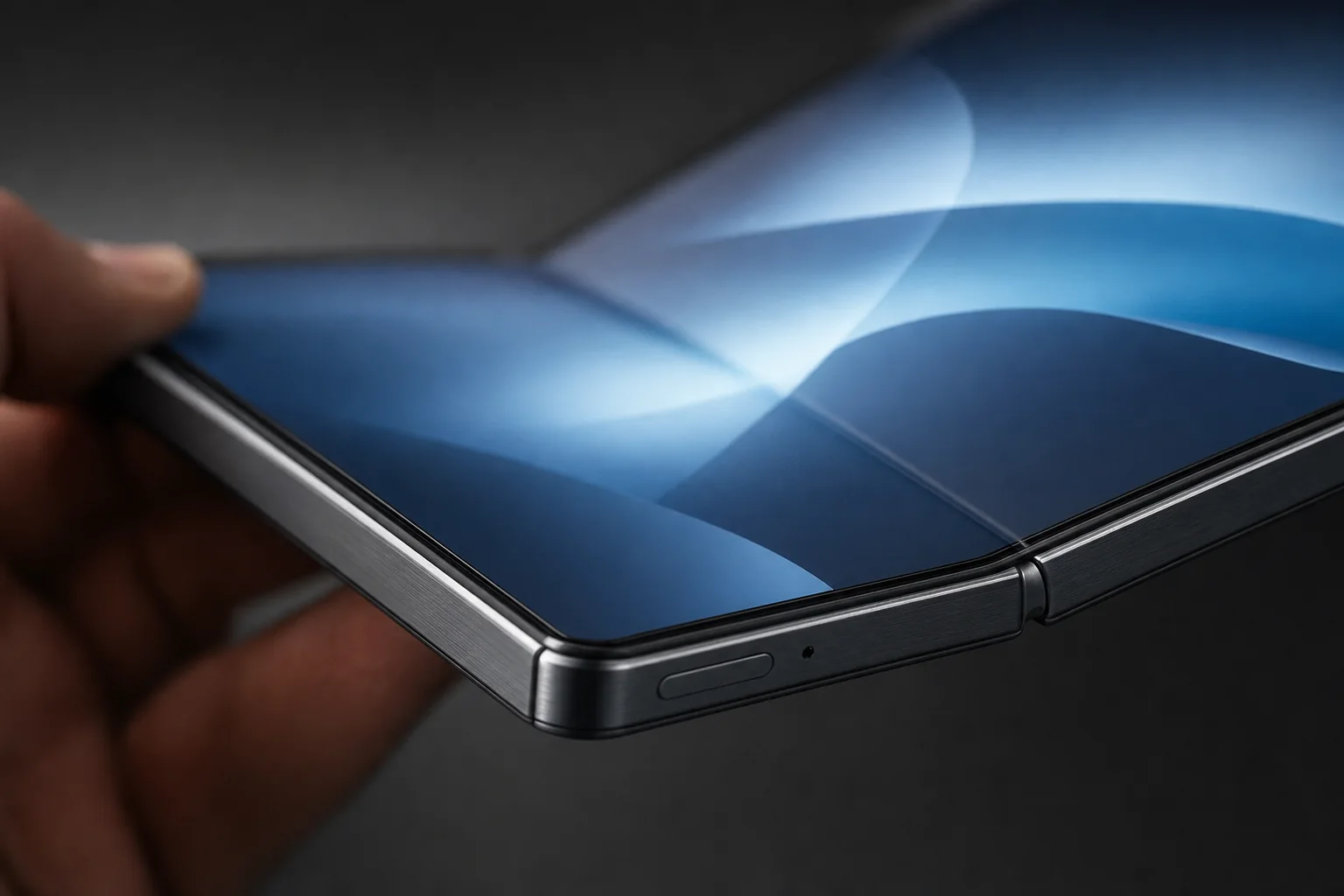
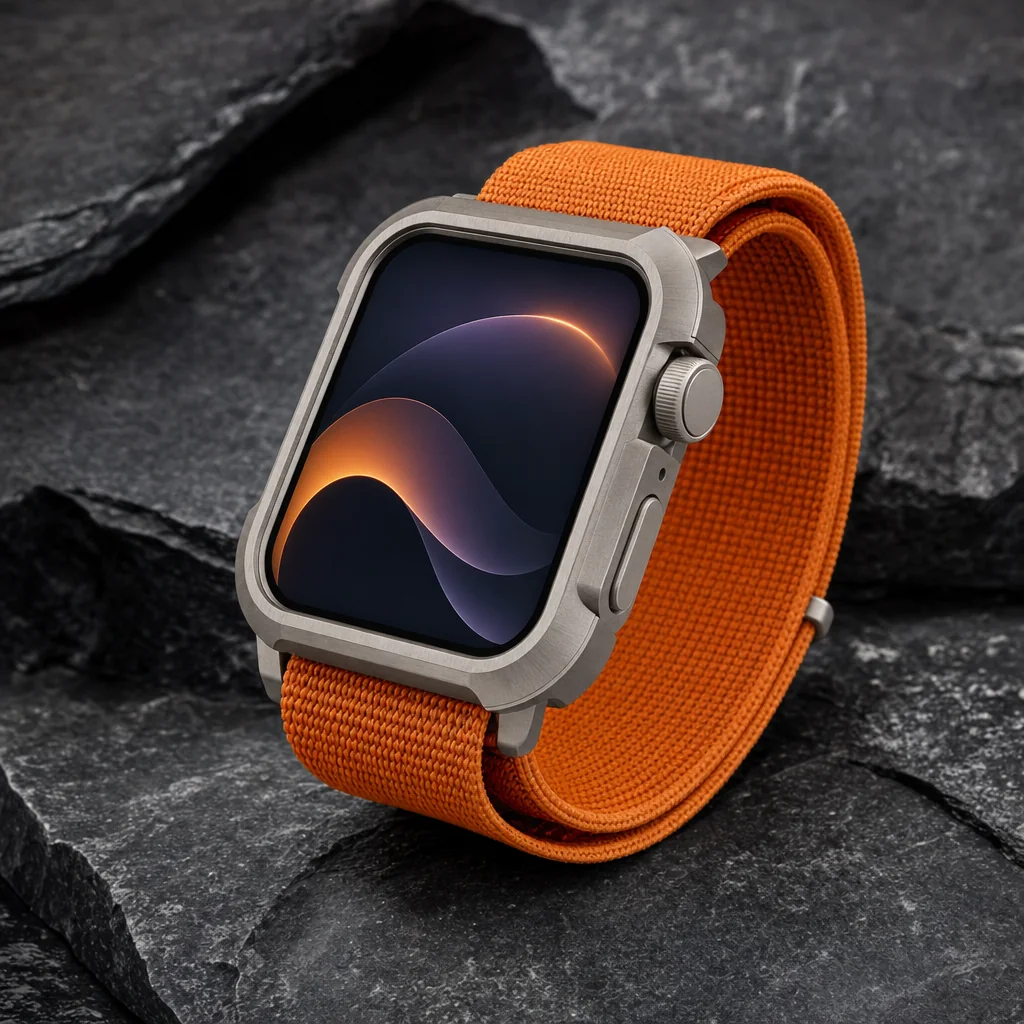
Every product image on this page is a concept visualisation drawn from published specification reports. None is a photograph of an Apple product, and none should be read as one.
Apple has set Wednesday 9 September for the presentation it is calling "Surprise and shine", and for once the tagline is doing some work. This is the keynote at which Apple is widely reported to be launching its first foldable iPhone — the product the company has been rumoured to be building since 2018, and has pushed back roughly once a year ever since. It is also the first major launch fronted by John Ternus, who took over as chief executive on 1 September.
What follows is a round-up of what the reporting currently says, sorted by how well each claim is sourced, with UK pricing put in pounds rather than converted dollars and left as a range where the range is genuinely wide. Two things are worth setting out before the list starts. The first is that a foldable iPhone at the rumoured price would be the most expensive phone Apple has ever sold in Britain by a considerable margin. The second is that almost nobody covering the launch is talking about what happens when you drop one — and that turns out to be the part with the biggest number attached.
The event: what Apple has actually confirmed
Strip away the leaks and Apple has committed to remarkably little. Its events page lists the tagline "Surprise and shine." and the time — 9 September at 10 a.m. Pacific — and tells people to "Tune in at apple.com or on the Apple TV app." That is the confirmed portion in full. Reporting from outlets attending places the presentation at the Steve Jobs Theater at Apple Park in Cupertino, in the pre-recorded format Apple has used since 2020, with press on site for hands-on time afterwards.
The 10 a.m. Pacific slot converts to 6pm BST, which is unusually civilised for British viewers — an evening watch rather than the late-night sessions Apple's spring events sometimes demand. Apple has also streamed to YouTube alongside its own channels for several years, so a simulcast is likely — but that is inference from past events, not something Apple has confirmed this time.
The leadership handover matters more than it looks
Tim Cook's final day as chief executive was 31 August; he moves to executive chairman of Apple's board. John Ternus, previously senior vice president of hardware engineering, took the top job on 1 September — eight days before this keynote. Ternus has fronted plenty of Apple video segments before, so he will not be an unfamiliar face, but there is a difference between presenting a Mac refresh and standing up the first new iPhone form factor in the company's history as your opening act.
That timing is the reason a lot of the commentary around this event has taken on a slightly breathless tone. A new chief executive launching a category-defining product in his first fortnight is a good story. It is also worth keeping in proportion: the foldable's development ran for years under Cook, and the launch date was set long before the handover.
Confirmed versus reported: Apple has confirmed the date, the time, the tagline and how to watch. Apple has confirmed no product, no name, no price and no specification. Every hardware detail on this page is reporting, not announcement.
The foldable iPhone: the reason anyone is watching
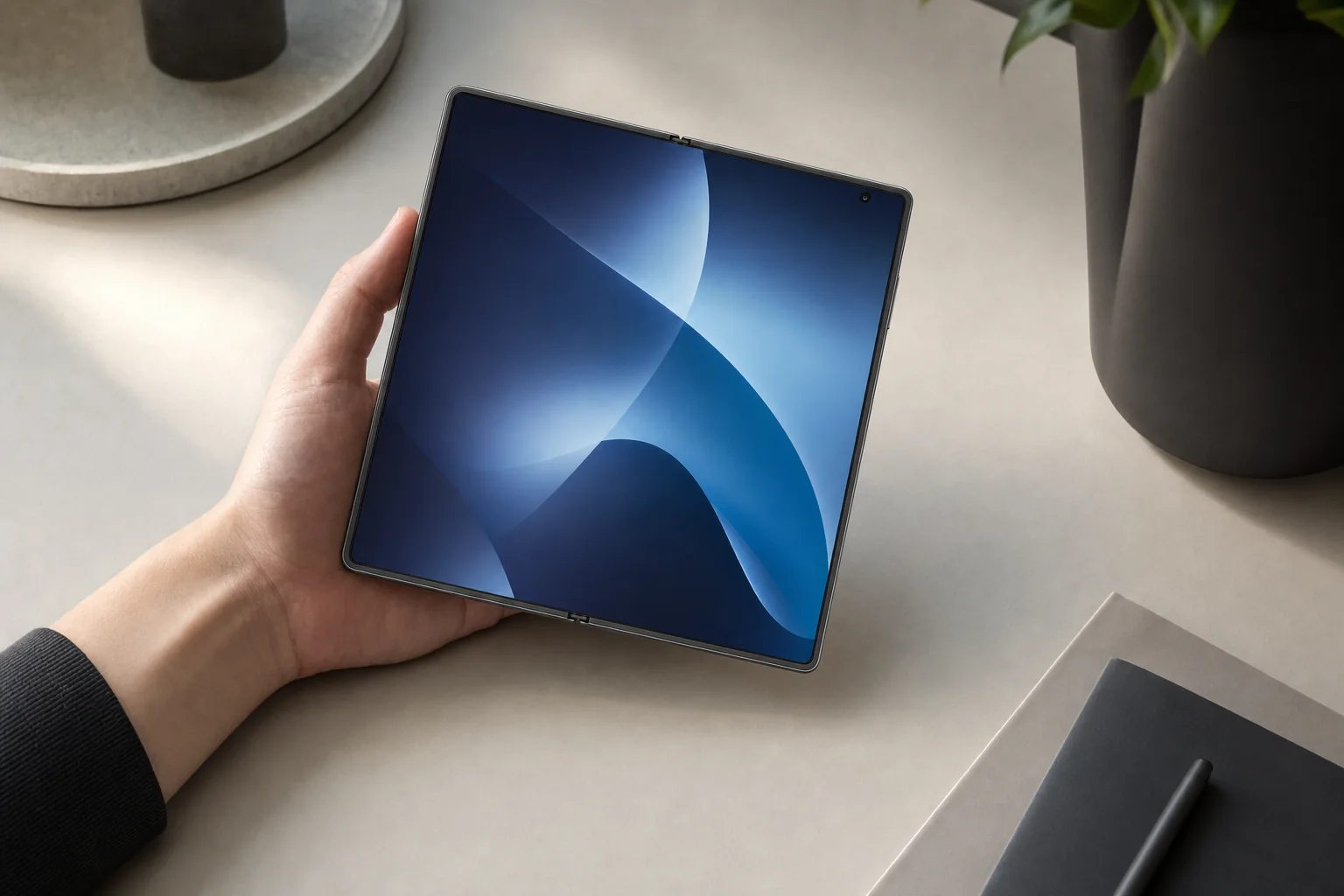
Reporting is close to unanimous that Apple will show a book-style foldable — one that opens like a notebook rather than flipping shut like a compact. Bloomberg's Mark Gurman has reported that the name Apple has used internally is iPhone Ultra, though he has been careful to frame that as the working name rather than the confirmed retail one. Other outlets have run with "iPhone Fold" throughout. Both are guesses until Ternus says a word on stage.
The crease is the whole pitch
Every foldable sold to date has a visible line down the middle of the inner screen. Reporting suggests Apple's answer to this is the single thing that has held the product back for years, and that the company pursued eliminating it more or less regardless of cost. The specifics that have leaked are unusually precise: a crease depth under 0.15mm and a crease angle under 2.5 degrees, achieved with ultra-thin glass from Lens Technology using Corning raw materials, a structural glass mid-frame, and a custom Samsung Display process that integrates the touch sensors into the panel and cuts around 19% of its thickness.
Ming-Chi Kuo has reported that Apple developed a laser-drilling technique for the metal support plate beneath the panel, which is the part that usually telegraphs the fold. Descriptions from people who have reportedly handled prototypes run from "nearly invisible" to "no visible crease". Treat that language with care: "nearly invisible" is not the same as absent, and it is exactly the phrase every foldable manufacturer has used about its own hinge for six years. Samsung made a similar claim in July about the Flex Titanium layer in the Galaxy Z Fold8.
Displays and dimensions
The reported figures cluster tightly, which usually indicates a shared supply-chain origin rather than independent confirmation. The inner display is put at 7.6 to 7.8 inches in a 4:3 aspect ratio — squarer than a phone, close to an iPad mini in shape. The outer display sits at 5.3 to 5.5 inches, also 4:3, which would make the closed device noticeably wider and stubbier than a normal iPhone. One leaker has published resolutions of 2,713 x 1,920 for the inner panel and 2,088 x 1,422 for the outer.
Thickness is where the claims get eye-catching. Unfolded, the device is reported at around 4.5mm — thinner than the 5.1mm iPad Pro. Folded, estimates run from 9mm to 11mm, with the spread reflecting genuine disagreement between sources rather than measurement noise. Analyst Jeff Pu has described a frame that uses titanium in the stress-bearing areas and aluminium where heat needs to escape.
| Reported specification | Figure | How well sourced |
|---|---|---|
| Inner display | 7.6–7.8in, 4:3 | Well corroborated |
| Outer display | 5.3–5.5in, 4:3 | Well corroborated |
| Thickness unfolded | ~4.5mm | Multiple reports, unverified |
| Thickness folded | 9–11mm | Sources disagree |
| Crease depth | Under 0.15mm | Single supply-chain claim |
| Chip | A20 Pro, TSMC 2nm | Well corroborated |
| RAM | 12GB | Analyst report |
| Rear cameras | Dual 48MP, no telephoto | Well corroborated |
| Biometrics | Touch ID in side button | Well corroborated |
| Battery | 4,883mAh combined (two cells) up to 5,800mAh | Sources conflict badly |
| Storage | 256GB / 512GB / 1TB | Multiple reports |
Two rear cameras, and the missing third
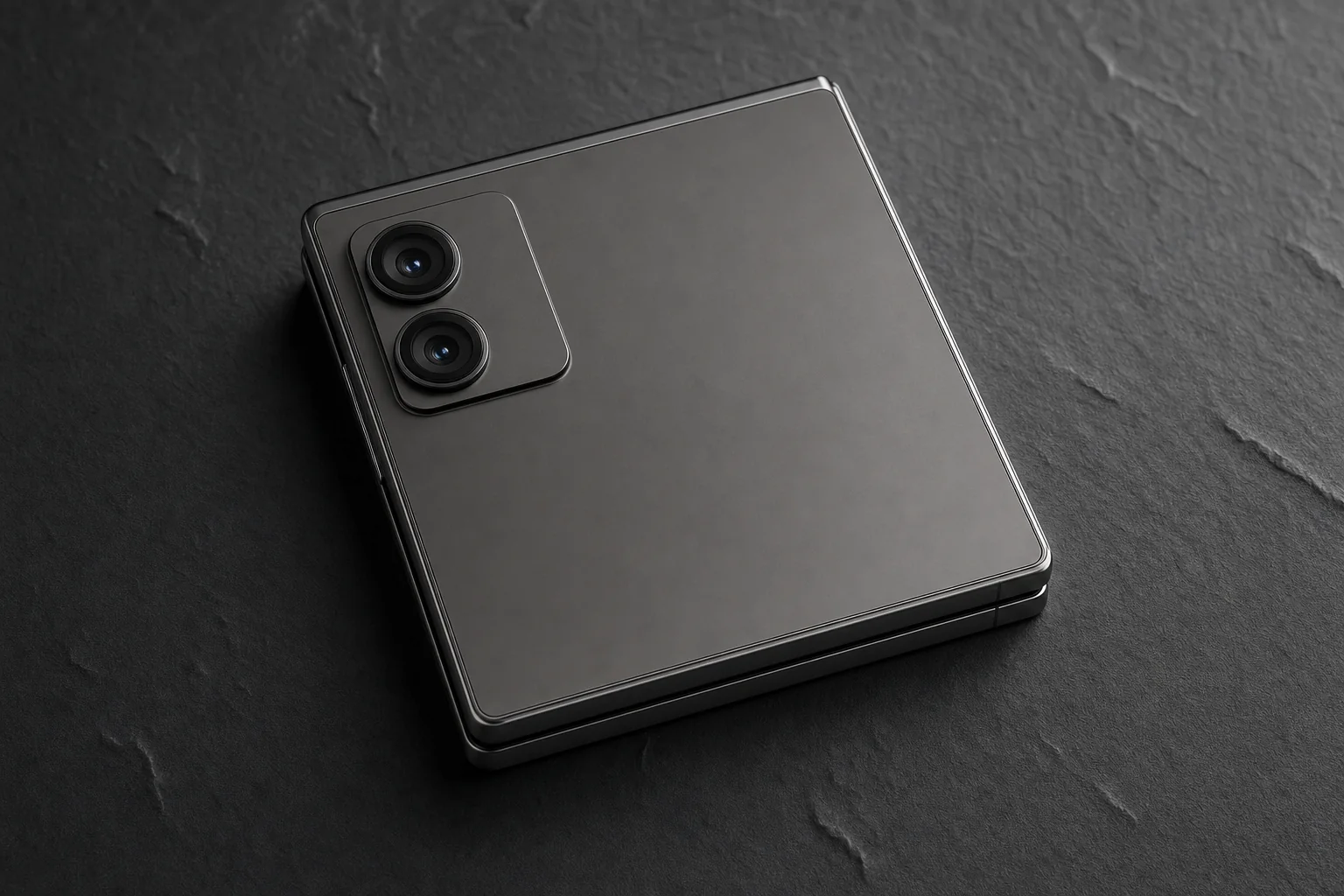
The rear camera system is reported as two 48-megapixel sensors — a main and an ultra-wide — mounted on a raised plateau that does not run the full width of the back. There is no telephoto lens. Front-facing, the reporting describes a hole-punch camera on the outer screen and, on the inner display, an under-display camera at 24 megapixels, which would be an industry first at that resolution.
Macworld's assessment of the missing telephoto is blunt, calling it a significant compromise at the money involved, and that is difficult to argue with. Apple has spent five years teaching people that the optical zoom is what separates a Pro iPhone from a standard one. Shipping a device at roughly twice the price of an iPhone 17 Pro Max without one is a genuinely awkward pitch, and it is the clearest sign that the physics of a 4.5mm chassis won this particular argument. A periscope module needs depth that simply is not there.
Touch ID returns, out of necessity
Face ID needs the TrueDepth array, and the TrueDepth array needs vertical space that a 4.5mm half-chassis does not have. The consistent report is that Apple has moved biometrics to a Touch ID sensor in the side power button, the same approach used on the iPad Air and iPad mini. For anyone who has used a recent iPad this is familiar and quick. For anyone who has spent seven years unlocking an iPhone by looking at it, it is a change, and one that will be felt every single time Apple Pay is used.
Silicon, memory and battery
The foldable is reported to use the A20 Pro, built on TSMC's 2nm process, with claims of up to 15% more speed and 30% better efficiency than the A19 generation. The interesting part is the packaging: reports describe Wafer-Level Multi-Chip Module construction, placing memory on the same wafer as the CPU, GPU and Neural Engine. In a device this thin, that is as much a space decision as a performance one. RAM is reported at 12GB, and a C2 modem plus Apple's N1 Wi-Fi and Bluetooth chip are expected alongside.
Battery claims are the least settled figures on this page. Reports range from a combined minimum rating of 4,883mAh across two cells — one at 1,921mAh, one at 2,962mAh — up to 5,400–5,800mAh, with Macworld landing at 5,000–5,500mAh. What the sources agree on is the shape of the answer: two cells rather than one, high-density chemistry, and a display driver IC shrunk from 28nm to 16nm to claw back power. Whether that yields good real-world endurance while driving a 7.8-inch panel is exactly the sort of question no leak can answer.
Things reported as absent
No Action Button and no MagSafe magnet ring are expected, both attributed to the thickness constraint. No physical SIM slot, following the iPhone Air. Apple is reported to have trialled Apple Pencil support without shipping it. The device is also reported not to run iPadOS or accept iPad apps — instead Apple is said to be bringing iPad-style side-by-side multitasking and left-hand sidebars into iOS itself.
Price: a wide range, and why it is wide
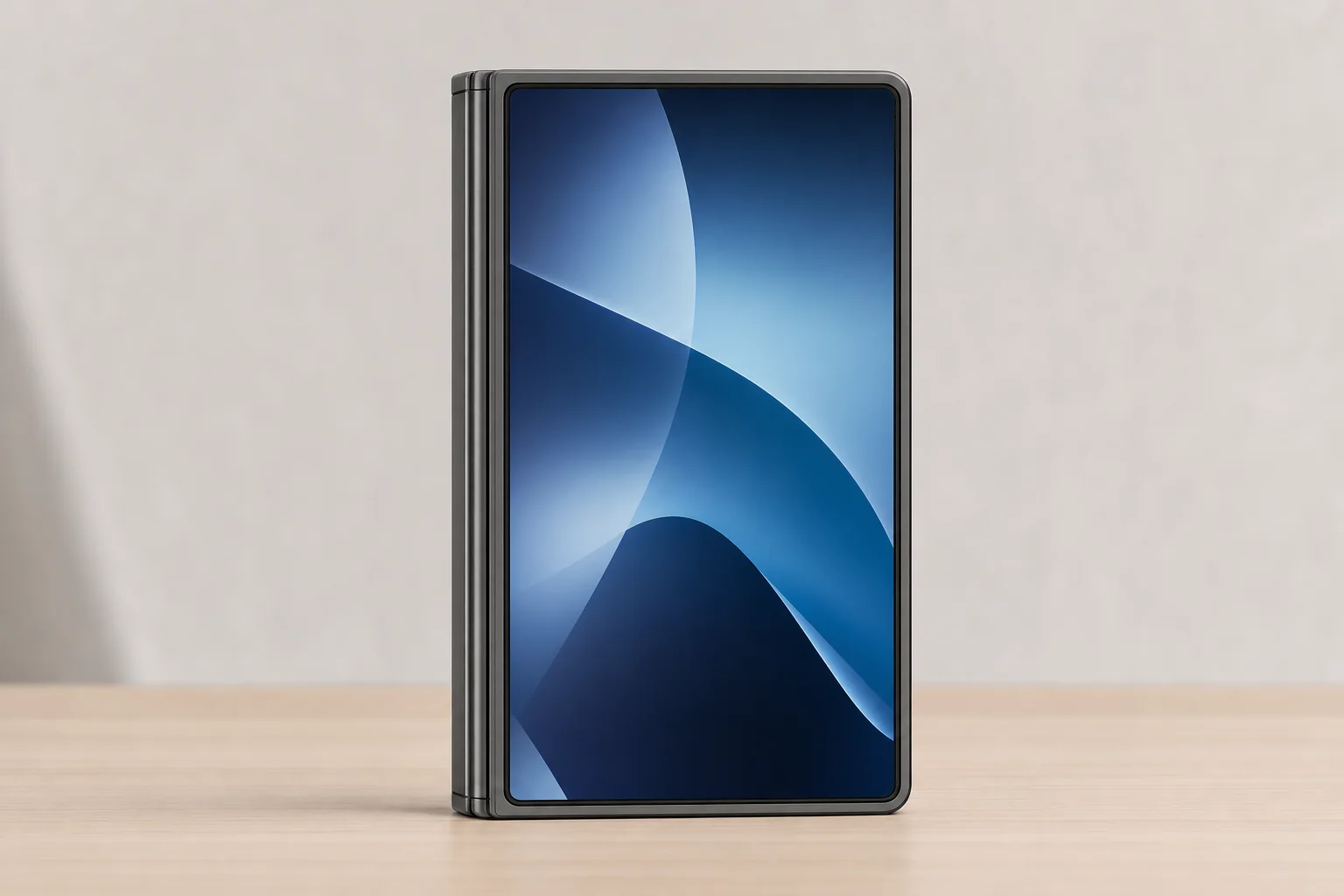
Analyst estimates for the foldable are further apart than for any Apple product in recent memory, and the spread itself is informative. UBS has put it at $1,800–$2,000. Ming-Chi Kuo has said $2,000–$2,500. Fubon Research has landed on $2,400. IDC has suggested an average selling price nearer $2,500, with top configurations approaching $3,000. Macworld has reported Chinese pricing of RMB 15,999–19,999 across the 256GB to 1TB range.
Converting those to sterling is not as simple as applying an exchange rate, because Apple prices per market and UK prices include VAT that US prices do not. Using Apple's current UK ladder as the anchor is more reliable. Right now, on Apple's own UK store, an iPhone 17 Pro starts at £1,099 for 256GB and an iPhone 17 Pro Max at £1,199, rising to £1,999 for the 2TB Pro Max. If the foldable lands where the mid-range analyst estimates point, a UK entry price somewhere in the £1,600 to £2,000 region for 256GB is the reasonable expectation, with 1TB configurations plausibly £2,400 or more.
Nobody should treat those as figures to budget against. They are inference from analyst dollar estimates, not leaked UK price lists, and the honest position is that the UK price is unknown.
The supply problem is not a footnote
Several strands of reporting point the same way: if this launches in September, there will not be many of them. Mass production was originally targeted for June, slipped to August, and was still in final adjustment as of July. Hinge units have reportedly struggled to meet quality standards under prolonged high-frequency opening and closing — not enough to move the launch date, according to those reports, but enough to constrain volume. A DRAM shortage is reported to have left TSMC holding around $1 billion of unpackaged processors waiting on memory.
Some reports suggest the device could be introduced in September but not reach buyers until December, and that constraints could push wider availability into 2027. A staggered rollout with the United States first is a live possibility, which for UK buyers is the detail that matters most. Nikkei reported an outright 2027 delay; Gurman publicly called that report off base. Both positions are on the record, and they cannot both be right.
What looks solid
- Book-style design with a 7.6–7.8in inner and 5.3–5.5in outer display
- A20 Pro on a 2nm process, with 12GB of RAM
- Dual 48MP rear cameras and Touch ID in the side button
- Titanium frame with a liquid-metal hinge
- Storage from 256GB to 1TB
What is still guesswork
- The retail name — "iPhone Ultra" is an internal working name
- UK price, which no leak has produced
- Whether Britain is in the first wave at all
- Battery capacity, where estimates span 900mAh
- Whether the crease claim survives contact with reviewers
iPhone 18 Pro and Pro Max: a quieter year
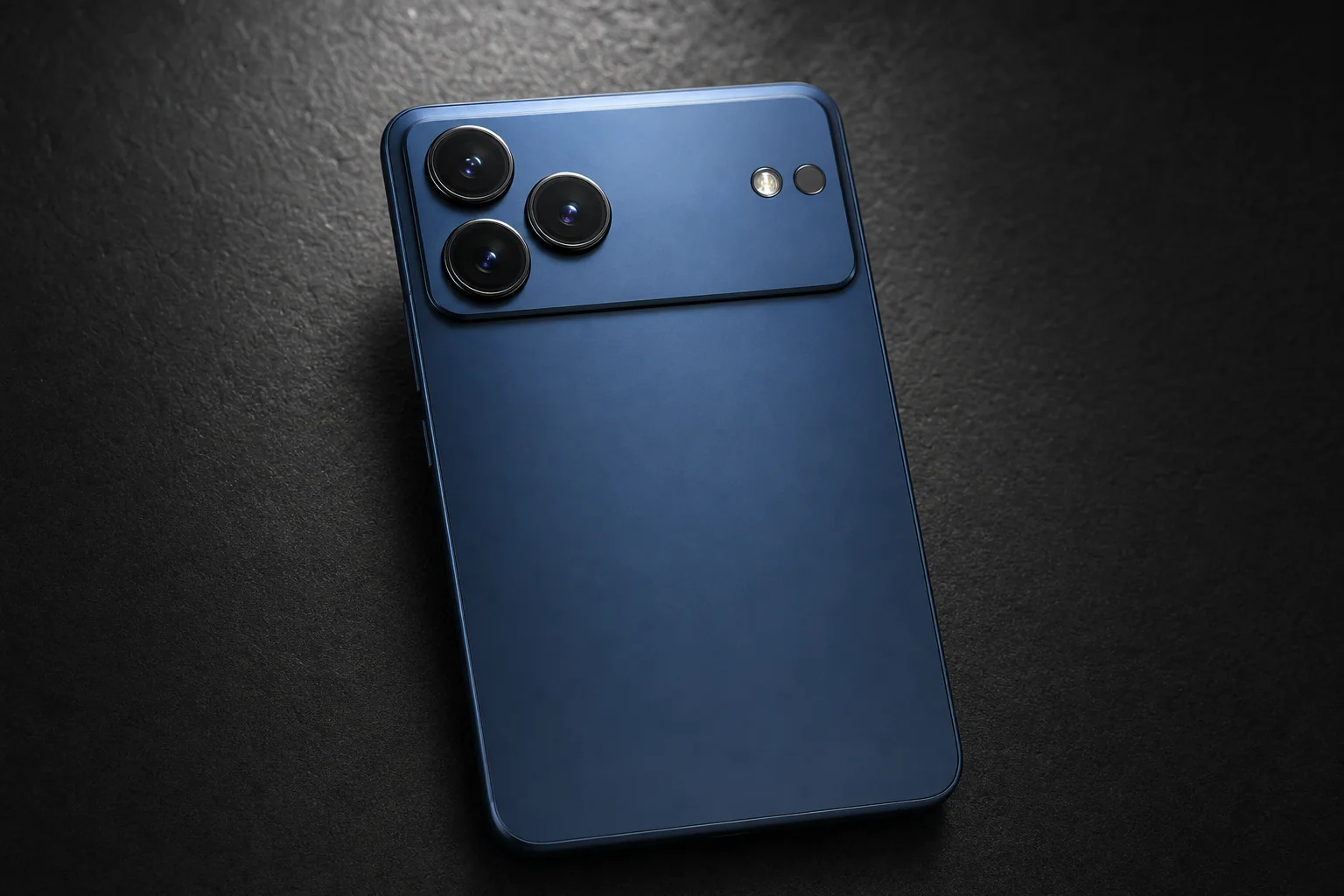
Alongside the foldable, Apple is expected to introduce the iPhone 18 Pro and iPhone 18 Pro Max. Reporting suggests these are an iteration rather than a redesign — no display size changes, the same general shape as the iPhone 17 Pro, and the same triple-lens plateau. Three upgrades come up repeatedly.
A variable aperture main camera
The headline change is a main camera with a variable aperture, letting the lens physically open and close rather than simulating depth of field in software. AppleInsider has suggested this may be limited to the Pro Max. If it ships, it is the first time an iPhone has offered real optical control over depth of field, and it would matter to anyone shooting portraits or working in mixed light. It is also the sort of feature that reads far better in a keynote demo than it does in most people's camera rolls.
A smaller Dynamic Island
The cutout is reported to shrink. AppleInsider has raised the possibility of under-display Face ID enabling that, which would be a significant engineering step; other outlets describe a smaller island without committing to the mechanism. This is one to file as reported-but-not-settled.
The C2 modem, and a regional wrinkle
Apple's own C2 modem with mmWave 5G support is expected, potentially displacing Qualcomm. Reporting suggests the changeover may be regional — Apple's silicon in some markets, Qualcomm in others — which historically has meant differences in real-world reception between otherwise identical handsets. Which side of that line the UK falls on is not known.
Beyond those three, expect the A20 Pro on 2nm, a possible 24MP front camera across the line-up, a Pro Max that is fractionally thicker than its predecessor, and a deep red or "dark cherry" finish that several outlets have mentioned independently.
On price: multiple analysts expect a rise. One projection reported by Uswitch puts it at £250–£300 more than the current generation. Against Apple's live UK prices of £1,099 for the iPhone 17 Pro and £1,199 for the Pro Max, that would push a 256GB Pro towards £1,349 and a Pro Max towards £1,449. This is an analyst projection, not a leaked price list.
What is not coming in the iPhone line
There will be no standard iPhone 18 at this event. Apple has split its iPhone launches across two windows, and the regular iPhone 18, the iPhone 18e and the iPhone Air 2 are all reported for spring 2027. If a £700-to-£900 iPhone is what is wanted, this keynote will not provide one, and the iPhone 17 will remain the current entry point for another six months.
Apple Watch Series 12 and Ultra 4
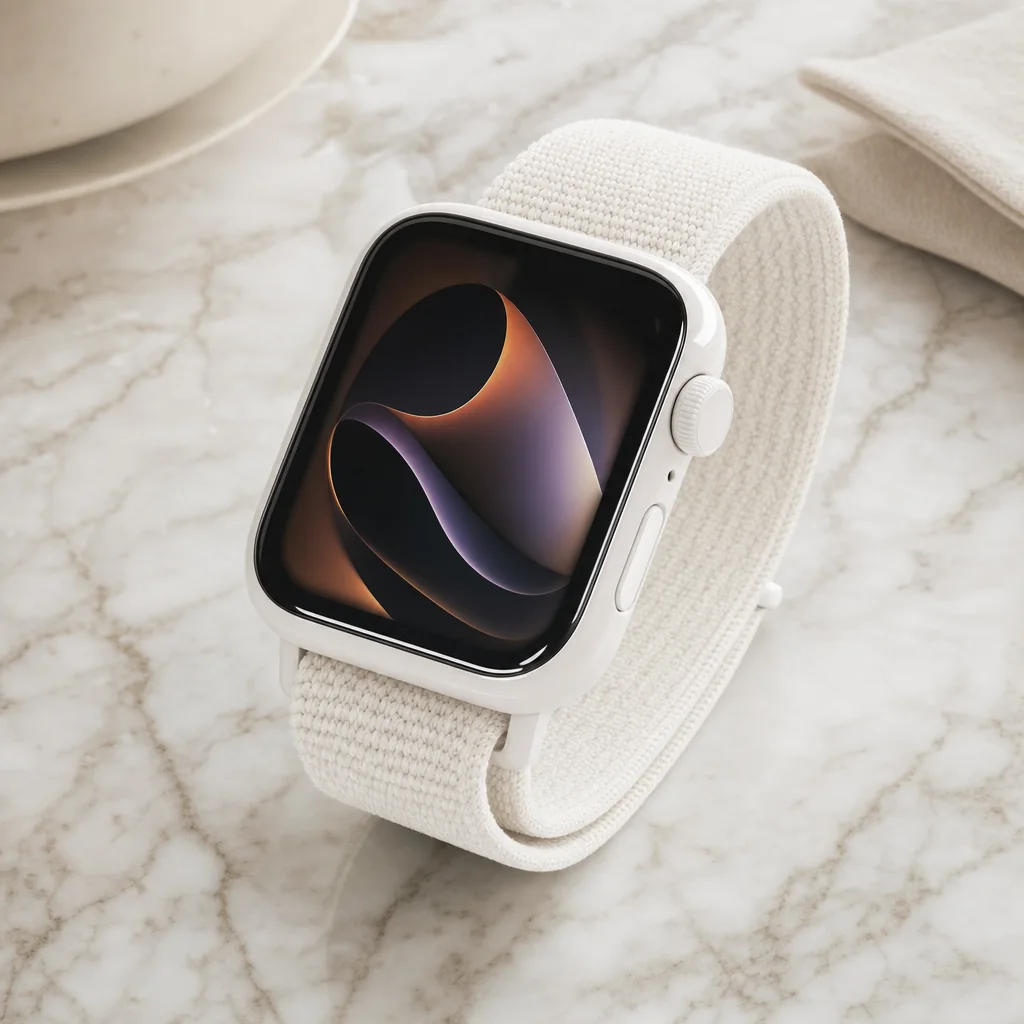
The Watch line is expected to get its first meaningful performance jump in years. Mark Gurman has reported a new chip — an S11 or newer — and framed it as the first real Apple Watch speed improvement in multiple generations, noting that processing performance has barely moved since the S9 arrived in 2023. Anyone who has waited for a complication to redraw on an older Watch will recognise why that matters more than the spec sheet suggests.
Gurman does not expect major design changes to either the Series 12 or the Ultra 4 relative to the Series 11 and Ultra 3. A ceramic case option is reported to return for the Series 12, in white and dark grey, echoing the finish Apple last offered on the Series 3 in 2017. Separately, reporting has suggested the Ultra 4 could be around 15% thinner, which after three generations on the same chassis would be the more noticeable change of the two — though this sits less firmly than the chip claim.
Health: continuous heart rate, and a longer wait for the rest
The health story is reported as continuous heart-rate data collected through the day rather than at intervals, feeding revamped Health and Fitness apps that present wellness metrics in the style Whoop and Oura have made popular. Blood pressure monitoring appears in some rumour round-ups; it is not in Gurman's most recent account of the feature set, and the two should not be treated as equally weighted.
Reported as not coming to the Watch this year
Touch ID, despite earlier rumours. A band with an embedded health sensor. An Apple Watch SE 4 — the SE 3 arrived in September 2025 and no replacement has been reported. Blood sugar detection, which reporting places around 2030. A larger redesign is described as a year or two away.
Why a UK release date for health features is a separate question
There is a wrinkle British buyers hit every year and it is worth stating before anyone pre-orders on the strength of a health headline. A wearable feature that interprets a physiological signal for a medical purpose is regulated software, not just a bullet point. In Great Britain that falls to the Medicines and Healthcare products Regulatory Agency, whose published guidance on software and AI as a medical device sets out that products meeting a clinical need are regulated as medical devices, with a risk-based approach and oversight across the product lifecycle.
The practical consequence is that Apple has repeatedly announced health features on stage that arrived in Britain later than in the United States, or in a reduced form, because clearance in one market does not carry to another. If a headline health feature is announced on 9 September, the sensible question is not what it does but when the MHRA has cleared it for use here. Apple's own regional availability footnotes, published after the keynote, are where that gets answered — not the keynote itself.
AirPods 5
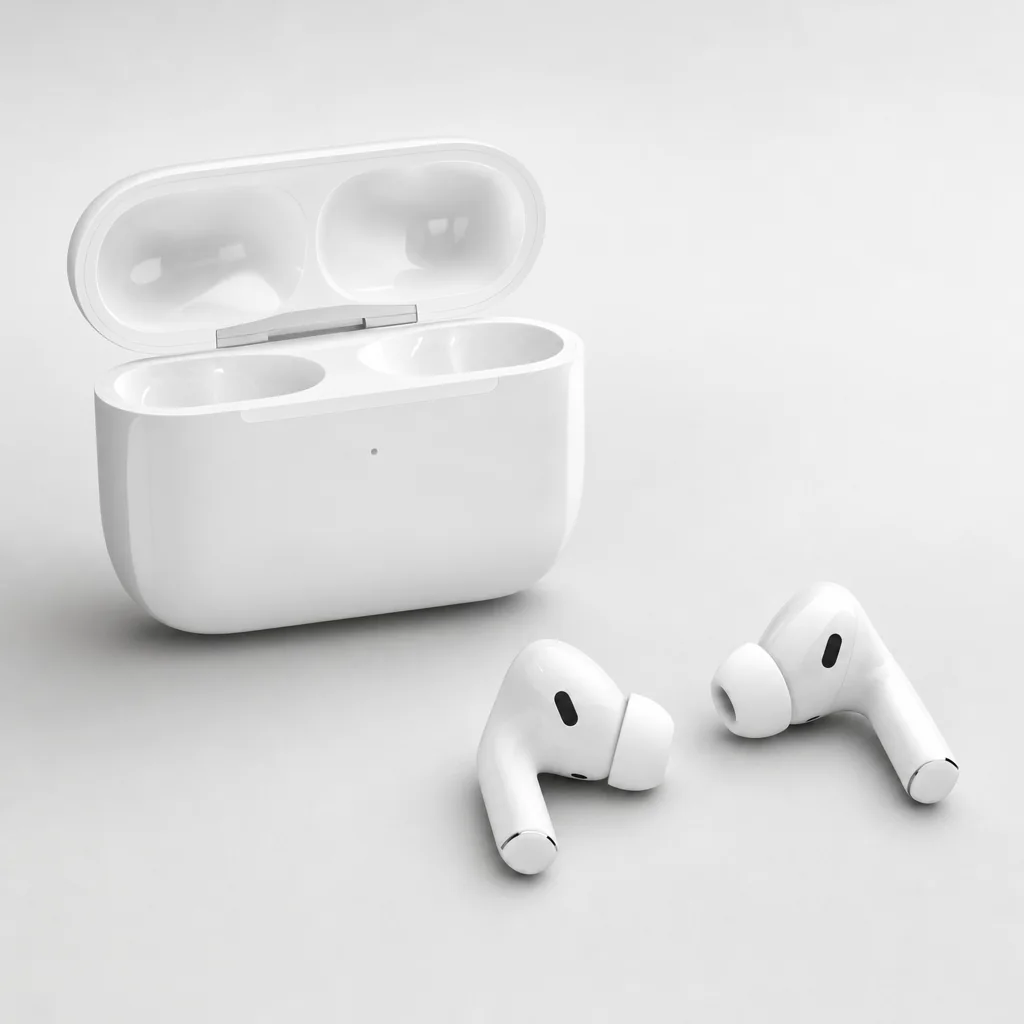
AirPods 5 are expected, and they are the least-leaked product on the bill — 9to5Mac has explicitly remarked on how few rumours have surfaced. Gurman has reported two models: one with active noise cancellation, one without, which would push ANC below the Pro tier for the first time. Apple is reported to be working on an H3 chip aimed at lower latency and better audio, but whether the standard AirPods get it is unclear; the H2 was initially held back for the Pro line.
A heart-rate sensor is not expected here, unlike the AirPods Pro 3. A temperature sensor is described as possible rather than reported. Camera-equipped AirPods have appeared in analyst notes for some time, but AppleInsider's reading places those in 2027 rather than this autumn.
The smart home wildcards
This is the part of the bill where outlets genuinely disagree, and it is worth saying so plainly rather than presenting a merged list as though everyone agrees.
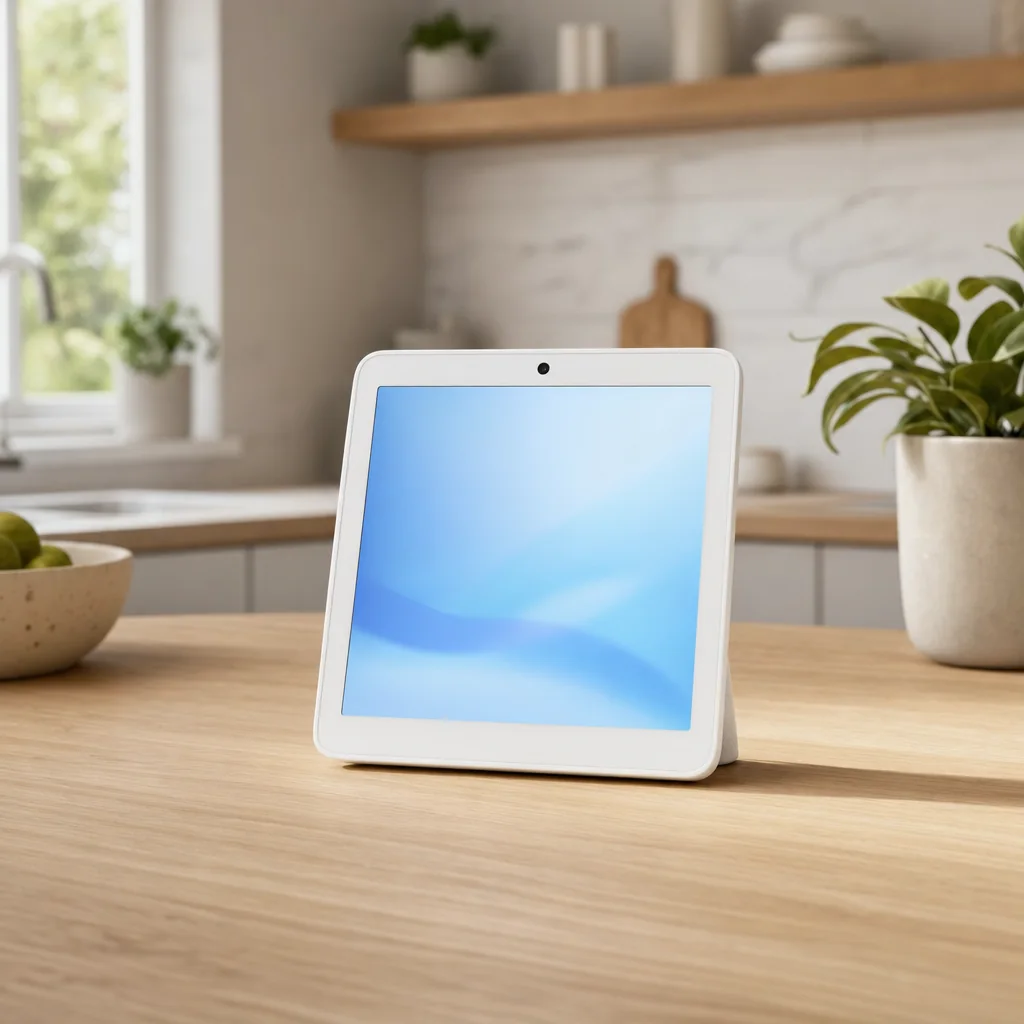
AppleInsider expects an Apple TV 4K refresh with support for the new Siri, a possible Siri Remote update, a HomePod mini with a newer chip, and a new home hub — a roughly 7-inch display with a FaceTime camera and magnetic mounting. It also lists an iPad mini 8 with an 8.4-inch OLED panel and an A20-class chip, without ProMotion.
MacRumors takes the opposite view, placing the iPad mini, Apple TV, HomePod mini and the smart home display in the "possibly delayed" column, and suggesting Apple may hold them for an October or November press release instead. Apple has historically kept September for iPhone and Watch and pushed everything else to a quieter announcement, which is the argument for the cautious reading.
The honest position: the smart home products are real and in the pipeline. Whether they appear on 9 September or in a press release six weeks later is genuinely unsettled, and anyone telling you otherwise is guessing.
iOS 27
Apple detailed the next generation of Apple Intelligence and Siri at WWDC in June, so iOS 27 is not a rumour in the way the hardware is. The headline is a rebuilt Siri capable of natural back-and-forth conversation, able to answer open-ended questions, draw on personal context from messages, email, photos and notes, understand what is on screen, and pull current information from the web. It gets a dedicated app for revisiting past conversations, pinning threads and continuing them across devices via iCloud.
Elsewhere there are expanded Writing Tools, image generation running on a private cloud model, revised Photos editing, improved parental controls and general performance work. Compatibility is reported to reach back to the iPhone 11, but the more advanced Apple Intelligence features are expected to require an iPhone 17 Pro or newer — the usual pattern, and the usual disappointment for anyone on a three-year-old handset.
Apple typically releases the new iOS a few days before the new iPhones reach shops, which would put the public release in the week beginning 14 September.
What is not appearing on 9 September
- iPhone 18, iPhone 18e and iPhone Air 2 — all reported for spring 2027 under Apple's split launch strategy.
- Apple Watch SE 4 — no replacement reported for the SE 3.
- Macs — Apple has just refreshed the Mac mini and Mac Studio, and September keynotes have not carried Macs for years. Late 2026 or early 2027 is the expectation.
- Full-size iPads, AirTag 2, Vision Pro — none expected.
- Camera-equipped AirPods — reported for 2027.
The catch: what a foldable costs after you have bought it
Here is the part that has barely featured in the launch coverage, and it is the reason to think twice about being in the first wave.
Ricky Panesar, founder of the UK repair specialist iCorrect, has given Forbes an estimate for replacing the inner display on Apple's foldable of around £850, and expects it to be the most expensive handheld repair Apple has offered. For comparison, he puts the equivalent repair on the Samsung Galaxy Z Fold 8 at £594. His reasoning is structural rather than speculative: Apple is reported to be buying panels from Samsung Display while using its own proprietary hinge, a component no independent technician has ever opened, which means an expensive learning curve before the third-party repair market can compete on price.
He also expects AppleCare+ per-incident charges to land nearer £100 than the £29 screen-repair excess Apple has historically charged, and flags the side-button Touch ID as a complication in its own right — not a straightforward swap, and another reason independent repair options will be thin at first.
What that adds up to
Take the middle of the analyst range for a 256GB device and add a realistic first-year AppleCare+ subscription, and a foldable iPhone is plausibly a £2,000-plus commitment before a single accessory. Drop it once outside that cover and the screen alone could cost more than an iPhone 17 Pro. That is not an argument against the product. It is an argument for knowing the number before the pre-order page opens.
First-generation risk, stated plainly
Three things are true at once about this device. The engineering reportedly solves a problem nobody else has solved. It is a first-generation product, and Apple's first-generation hardware has a long history of being superseded quickly and comprehensively. And the hinge — the one component that determines whether the thing is still good in three years — will have been used by a few thousand testers rather than a few million owners on the day it goes on sale.
Foldable durability has improved across the industry to the point where the folding action itself is no longer a strong reason to avoid the category. A 200,000-fold rating works out at roughly five and a half years for someone opening the phone a hundred times a day. The residual risks are the ones that have always applied: the inner screen stays more vulnerable to pressure and grit than a slab of glass, dust ingress varies by model, and repairs are expensive when they happen.
How it compares to what is already on sale here
Samsung has been selling foldables in Britain for six years and refreshed the line in July. The Galaxy Z Fold8 starts at £1,699 for 256GB and the Z Fold8 Ultra at £1,899. The Fold8 has a 5.5-inch cover screen and a 7.6-inch inner display, weighs 201g, and uses a Flex Titanium layer that Samsung says removes most of the crease.
Those numbers set an awkward bar. Apple's device is reported to arrive at a similar or higher price with one fewer rear camera, no Face ID, and no track record — against a rival on its eighth generation, with a repair network that already exists and screen replacements around £250 cheaper. Apple's counter is presumably the crease, the silicon and the software integration. Whether that is worth the delta is a judgement no leak can make for anyone.
The dates that matter
Where this leaves a UK buyer
If the reporting holds, 9 September is a bigger event than Apple has run in years, and the foldable is a genuine attempt at something rather than a spec bump with a new colour. The crease engineering, if it survives review, is a real technical achievement and the reason the product took eight years.
The case for waiting is not about the technology. It is about being the person who funds the learning curve: an unproven hinge, a repair network that has not opened one yet, an £850 screen, an AppleCare+ price that has not been announced, and supply reporting that suggests early UK stock could be thin enough that the choice may not arise. Anyone upgrading from an iPhone 15 or 16 who wants the reliable option is being pointed at the iPhone 18 Pro, and anyone who wants a foldable today can already buy a Galaxy Z Fold8 with a known repair cost.
None of that is a verdict. No one outside Apple has used any of these products, and this page will be rewritten on the evening of 9 September when guesses are replaced by prices. Until then, the useful thing is knowing which of the numbers above are solid and which are someone's estimate — which is what the confidence labels are for.
Questions people are actually asking
What time is the Apple event in the UK?
6pm BST on Wednesday 9 September. Apple lists it as 10 a.m. Pacific, and Britain is eight hours ahead of Pacific Daylight Time in September. Apple's presentations run around 90 minutes, so expect to be done by about 7:30pm.
Will the foldable iPhone actually be called the iPhone Ultra?
Unknown. Mark Gurman has reported that iPhone Ultra is the name used internally, which is not the same as the name printed on the box. Plenty of outlets have used "iPhone Fold" throughout. Apple has changed naming late before, and the only reliable answer arrives on stage.
Can I buy one on 9 September?
No. Apple announces on the Wednesday and opens orders later. Pre-orders are expected on Saturday 12 September — reporting suggests Apple has shifted off its usual Friday because 11 September falls that day — with an on-sale date of Friday 18 September for the Pro models. Whether the foldable is on that same schedule is one of the genuinely open questions.
Will there be enough foldables to go round in the UK?
Probably not at first, if the supply reporting is right. Hinge yield problems, a memory shortage affecting processor packaging, and a production schedule that slipped from June to August all point the same way. A staggered rollout starting with the United States has been reported as a possibility, which would leave British buyers waiting regardless of how quickly they click.
Is it worth waiting for the second generation?
That depends on tolerance for being early. The arguments for waiting are concrete rather than vague: an unproven hinge, an estimated £850 inner-screen repair, an AppleCare+ price Apple has not published, and a first-generation product from a company whose first-generation hardware is usually improved substantially within a year. The argument against waiting is that this is the device people have been asking Apple for since 2018.
Should I hold off buying an iPhone 17 Pro right now?
If an upgrade is due in the next few weeks, waiting until 10 September costs nothing and gives full information. Either the iPhone 18 Pro is worth the extra, or the iPhone 17 Pro drops in price or moves to the refurbished store, which historically follows a launch within days.
Will my current iPhone get iOS 27?
Reporting puts compatibility back to the iPhone 11, so most phones still in use are covered. The catch is that the headline Apple Intelligence and Siri features are expected to require an iPhone 17 Pro or newer, so an older handset gets the update without the reasons to want it.
Sources and evidence (15)
- Apple (manufacturer)
- Apple UK (manufacturer)
- MHRA (GOV.UK) (regulator)
- Samsung UK (manufacturer)
- MacRumors (professional reviewer)
- 9to5Mac (professional reviewer)
- Macworld (professional reviewer)
- AppleInsider (professional reviewer)
- MacRumors (professional reviewer)
- 9to5Mac (professional reviewer)
- MacRumors (professional reviewer)
- Forbes (professional reviewer)
- MacRumors (professional reviewer)
- Uswitch (professional reviewer)
- Macworld (professional reviewer)