
Pixel 10a vs Nothing Phone (4a): Clean Android or Something Different?
Google's compact, quietly capable Pixel 10a takes on Nothing's bigger, bolder Phone (4a). One leans on long-term software confidence; the other puts a telephoto camera and a light show on its back. Neither is trying to be boring. Well, not entirely.
We link to the exact model on Amazon UK. Prices change often, so check the live price before you buy. As an Amazon Associate we earn from qualifying purchases.
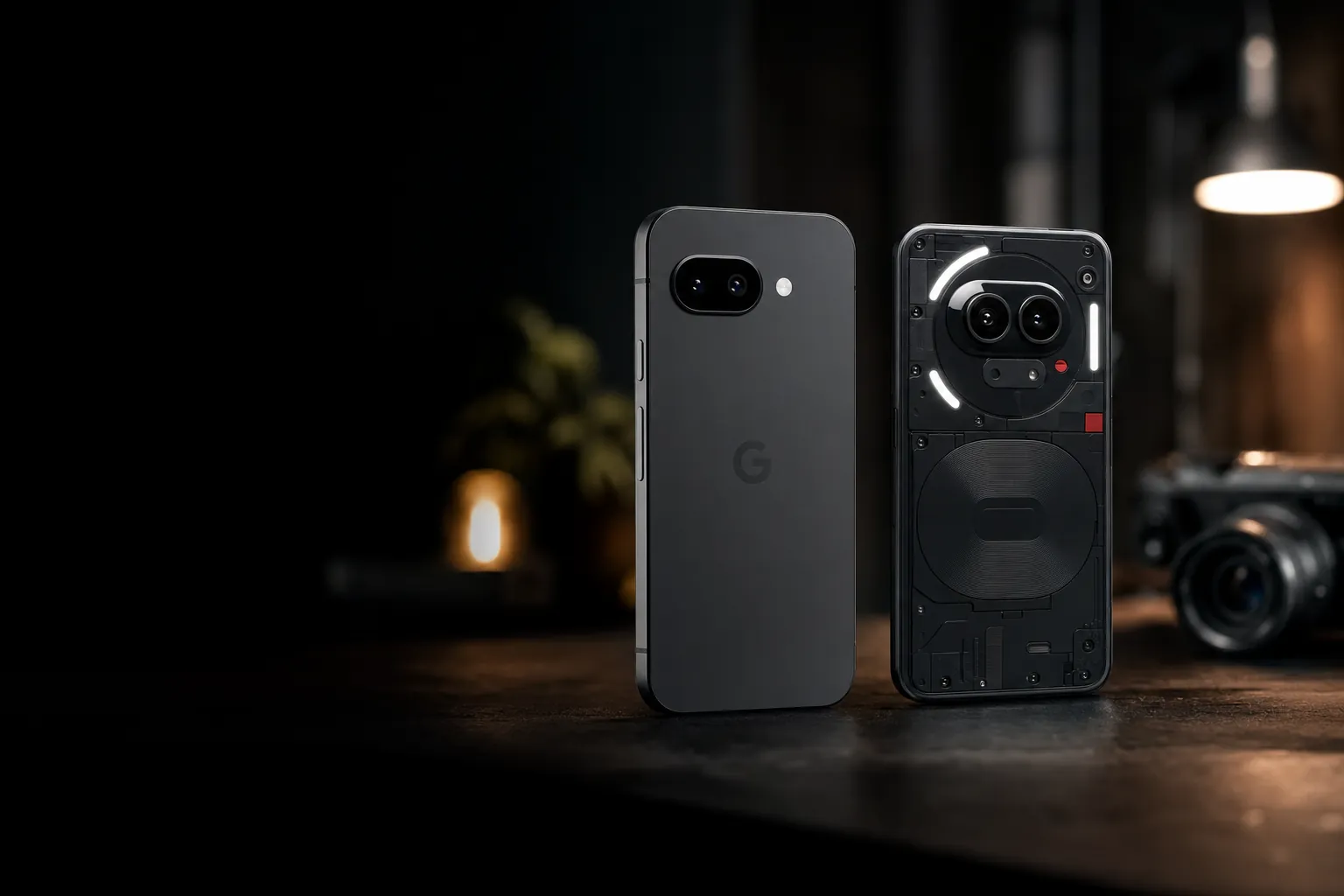
The Pixel 10a and Nothing Phone (4a) arrived in 2026 with sharply different ideas about what an Android phone should feel like. Google had made the Pixel 10a a smallish, durable, software-first handset with seven years of Android updates. Nothing had gone the opposite way: a large AMOLED display, three rear cameras, a transparent glass back and a Glyph Bar built from 63 mini-LEDs. This is not simply a specs-sheet fight. It is a question of whether you want the phone that disappears into your life, or the one that rather enjoys being noticed.
Pixel 10a vs Nothing Phone (4a): The Mid-Range Battle That Actually Matters
There are plenty of phones that look persuasive for five minutes in a shop. A huge screen catches the eye. A triple-camera array sounds impressive. A shiny back suggests luxury until it has met one set of keys and a weekend in a pocket. The more interesting question is what the device will be like after six months, then two years, then several Android versions later. That is where these two take very different routes.
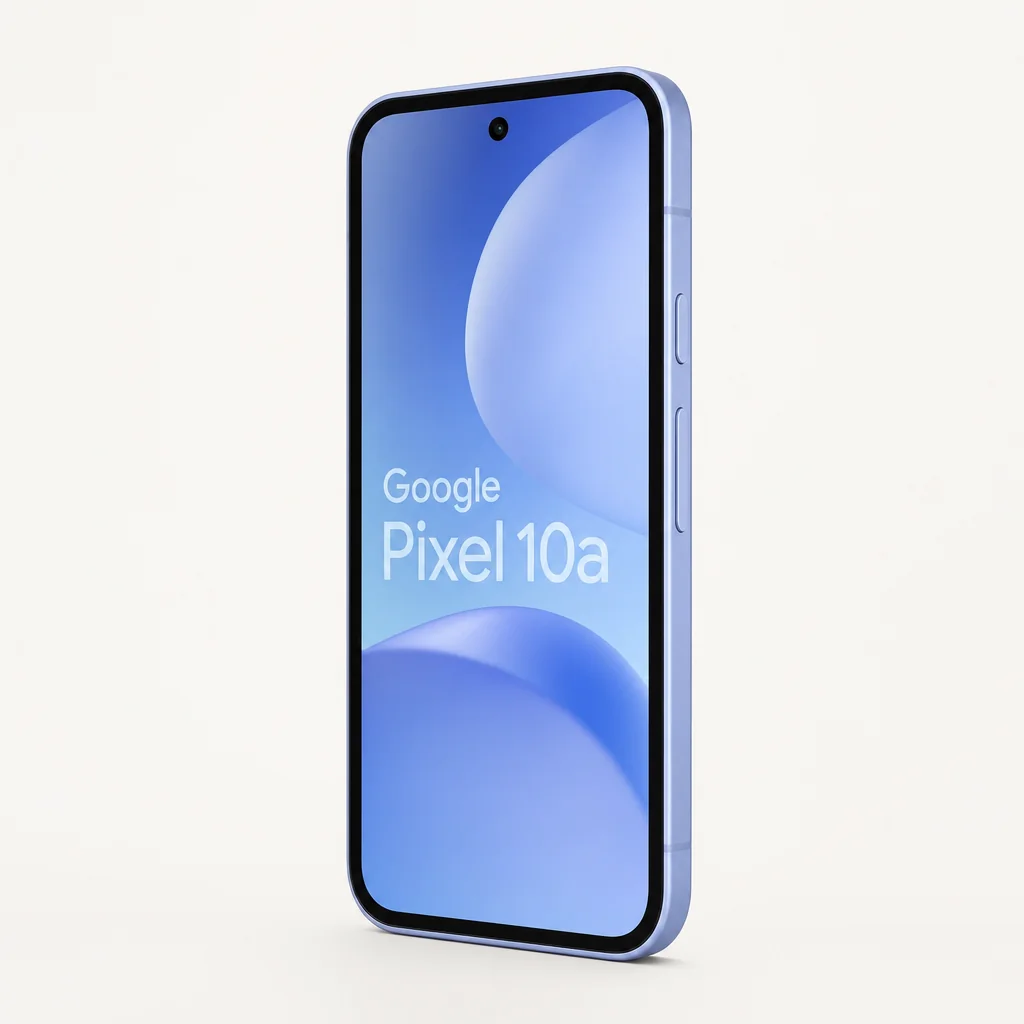
Google's Pixel 10a is the sensible one, though "sensible" should not be mistaken for dull. Its 6.3-inch display, 183g weight, 5,100mAh battery and IP68 rating make it the clearly more compact and more protected device. It also carried Android 16 with Material 3 Expressive and seven years of Android updates. That is an unusually long runway for a phone in this part of the market, and it matters more than a fancy finish if you tend to keep a handset until its battery has seen things.
Nothing's Phone (4a), announced in March 2026, is the extrovert. Its 6.78-inch AMOLED screen is substantially larger, it has a 50MP 3.5x telephoto camera that the Pixel simply does not answer in hardware, and its rear Glyph Bar turns notifications, charging progress and Android 16 Live Updates into something you can see without picking the phone up. It is an unusual bit of practical design hiding inside what is undeniably a conversation-starting design.
Neither approach is automatically better. If you spend your day reading, watching, shooting distant subjects and using a phone as a small portable screen, Nothing's extra acreage and optical zoom have obvious appeal. If you value one-handed comfort, wireless charging, serious water resistance and a very long Android update commitment, the Pixel makes a calm, coherent case for itself.
The short version
The Pixel 10a is the better fit for compact-phone fans and long-term keepers. The Nothing Phone (4a) is the more interesting choice for big-screen users, telephoto-camera fans and anyone who wants notifications to be visible from across a desk rather than merely audible from inside a bag.
Specs at a Glance: Everything on the Table Before We Dive In
Before getting philosophical about clean Android versus transparent hardware, here are the numbers that shape daily use. The Pixel is shorter, lighter and more rugged. Nothing is wider, heavier and more camera-led. Both have 120Hz-capable displays, batteries just over 5,000mAh and Android 16, so this is a more evenly matched contest than the visual difference initially suggests.
| Feature | Google Pixel 10a | Nothing Phone (4a) | Nothing Phone (4a) Pro |
|---|---|---|---|
| Processor | Google Tensor G4 | Snapdragon 7s Gen 4 | Snapdragon 7 Gen 4 |
| RAM | 8GB | 8GB; 12GB option | 12GB |
| Storage | 128GB or 256GB | 128GB; 256GB option | 256GB |
| Display | 6.3-inch pOLED | 6.78-inch AMOLED | 6.83-inch flexible AMOLED |
| Resolution | 1080 × 2424 | 1224 × 2720 | 1260 × 2800 |
| Refresh rate | 60–120Hz variable refresh rate | 120Hz | 30–144Hz variable refresh rate |
| Battery | 5,100mAh | 5,080mAh | 5,080mAh |
| Charging | Up to 50% in about 30 minutes with a 45W USB-C PPS charger or higher; wireless charging | 50W wired; no wireless charging | 50W wired; no wireless charging |
| Weight | 183g | 204.5g | 210g |
| Ingress protection | IP68 | IP64 | IP65 |
| Rear cameras | 48MP main with OIS; 13MP ultrawide | 50MP main; 50MP 3.5x telephoto; ultrawide | Three 50MP rear cameras |
| Android support | Seven years of Android updates | 3 Android OS upgrades; 6 years of security updates | 3 Android OS upgrades; 6 years of security patches |
| Buy | Check price |
6.3 inches
6.78 inches
183g
3.5x telephoto
IP68
50W
Included
7 years
The physical contrast is immediate: Google prioritised a compact 6.3-inch format, while Nothing built the Phone (4a) around a notably larger 6.78-inch display and its illuminated rear panel.
The standard Nothing Phone (4a) was not sold in the US. The Nothing Phone (4a) Pro was the model available there, which is worth remembering when comparing availability rather than merely comparing specifications.
Design & Build: Transparent Ambition vs Quiet Confidence
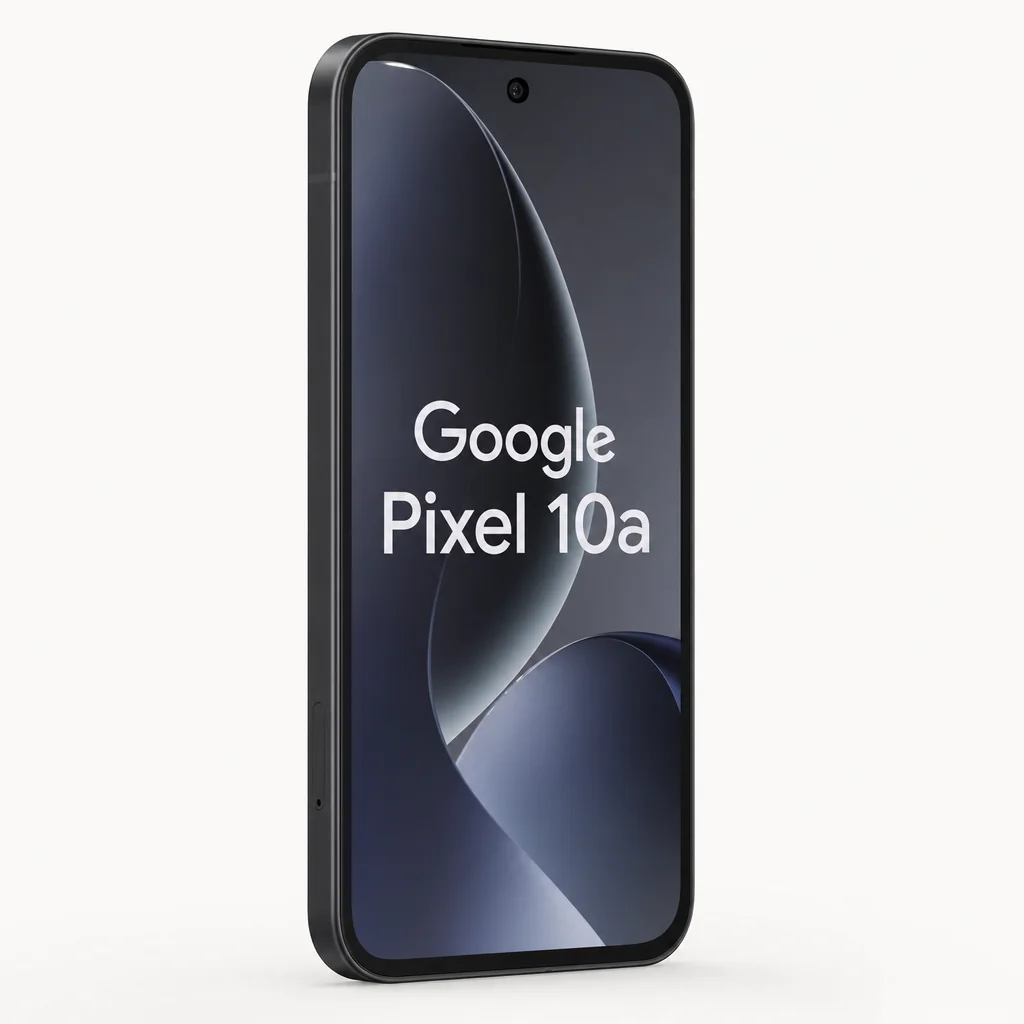
Design is where this comparison stops pretending to be a spreadsheet. The Pixel 10a is recognisably a Pixel: restrained, rounded and built around a practical aluminium frame with a plastic back. Its pOLED display used a plastic substrate, while Gorilla Glass 7i protected the front. This is a phone designed to look neat rather than theatrical. It will not demand an explanation when somebody spots it on a café table. Some people will find that refreshingly grown-up. Others will wonder where the fun went.
The Nothing Phone (4a) has absolutely no interest in blending in. It combines Gorilla Glass 7i at the front with a glass back and plastic frame, then uses that rear surface as a window into an intentionally technical-looking design. The Glyph Bar is made from 63 mini-LEDs divided into seven zones. It can show notifications, charging progress and Android 16 Live Updates. That does not make it essential, but it does make the back of the phone useful in a way that most glossy rectangles are not.
There is a meaningful ergonomic distinction here, not just a visual one. The Pixel weighs 183g, while the Phone (4a) weighs 204.5g. That 23.5g difference is noticeable in a hand, especially when you are scrolling for an hour, reading in bed or holding the phone one-handed on a train. The Pixel measured 6.1 by 2.9 by 0.4 inches. The Nothing is 163.8mm tall, 77.45mm wide and 8.55mm deep. It is a big phone, full stop.
That size brings a trade-off rather than an automatic flaw. Bigger devices give you more room for video, maps, messages and camera framing. They are also more awkward to secure in one hand, particularly if you have smaller hands or favour a compact pocket. There is no clever workaround here. You either like a large handset or you do not.
Pixel 10a: better protection on paper
The Pixel 10a's IP68 rating covered dust protection and water resistance when submerged to 1.5 metres for 30 minutes. The Nothing Phone (4a) carried IP64 protection, with manufacturer-rated water resistance up to 25cm for 20 minutes.
Nothing Phone (4a): a back that communicates
The Glyph Bar is not simply decorative lighting. Its seven zones can visualise status information without requiring you to turn the phone over. Whether that becomes useful or merely charming depends on your habits, but it is a genuinely different approach.
Pixel 10a: the easier daily carry
A 6.3-inch screen and 183g body are the friendlier combination for one-handed use. The Nothing's 6.78-inch screen makes sense for media, but its 204.5g weight is the price of admission.
I would not write off the Pixel as plain, because plain can be extremely nice when the phone is in your life rather than on display. But if the device itself is part of the enjoyment for you, Nothing has done far more to make the hardware feel distinctive. It is one of the few areas where personality cannot be added later through a software update.
Screen Test: Bigger Isn't Always Better — But Sometimes It Really Is
The display comparison is more nuanced than "Nothing is larger, therefore Nothing wins". It is larger. By quite a lot. But the Pixel 10a's 6.3-inch Actua display has a 1080 × 2424 resolution, a 20:9 aspect ratio, 422 pixels per inch and a variable 60–120Hz refresh rate. It also reaches 2,000 nits for HDR content and a stated 3,000-nit peak brightness. That is a very strong set of numbers for a compact screen.
The Nothing Phone (4a) has a 6.78-inch AMOLED panel at 1224 × 2720 with a 120Hz refresh rate and 1,600 cd/m² maximum brightness in high brightness mode. Its larger canvas and higher resolution work out at roughly 438 pixels per inch. Both phones therefore land firmly in the "you will not be seeing individual pixels while replying to a message" category. The Nothing's density edge exists, but it is not the deciding factor. The deciding factor is size.
For a reader, video watcher or habitual split-screen user, the Nothing's display has clear practical advantages. You get more room for subtitles without them covering half the image, more space for a webpage before you have to scroll, and a larger viewfinder when taking photos. Maps are easier to parse. Spreadsheets are still spreadsheets, sadly, but they are less of an eye test.
The Pixel counters with a more manageable format and a more flexible variable refresh-rate range. Its panel can move between 60Hz and 120Hz rather than simply being described as 120Hz. That matters because a display does not need maximum speed for every static screen; adapting the rate is a sensible way to balance smoothness and power use. The Pixel's 3,000-nit peak brightness also gives it the stronger claimed headline brightness figure.
| Display detail | Google Pixel 10a | Nothing Phone (4a) |
|---|---|---|
| Panel type | pOLED Actua display | AMOLED |
| Screen size | 6.3 inches | 6.78 inches |
| Resolution | 1080 × 2424 | 1224 × 2720 |
| Pixel density | 422 PPI | Approximately 438 PPI |
| Refresh rate | 60–120Hz VRR | 120Hz |
| Brightness | 2,000 nits HDR; 3,000 nits peak | 1,600 cd/m² HBM |
| Front glass | Corning Gorilla Glass 7i | Corning Gorilla Glass 7i |
| Buy | Check price |
Pick by hand size, not bravado
If you repeatedly wish your current phone had more room for streaming and reading, the Phone (4a) is the obvious move. If large phones have always felt like a small paving slab in your pocket, do not convince yourself that you will "get used to it". The Pixel 10a is the better-balanced option for you.
The Pixel 10a's 6.3-inch panel is designed around compact usability, while the Nothing Phone (4a) uses its 6.78-inch AMOLED display to give video, maps and reading more physical room.
Performance & Software Soul: Tensor G4 Meets Snapdragon 7s Gen 4

See Google Pixel 10a on Amazon UK
Check today's price & availability on Amazon UK
Chipsets are often reduced to a single crude question: which one is faster? That is useful up to a point, but it does not explain what either company was trying to do. Google used its Tensor G4 chipset with 8GB of RAM in the Pixel 10a. Nothing chose Qualcomm's Snapdragon 7s Gen 4, paired with 8GB RAM as standard and with a 12GB/256GB option.
The supplied CPU-speed figures put the Pixel 10a at 3.1GHz and the Nothing Phone (4a) at 2.7GHz. That is one data point, not a complete portrait of a phone's performance, but it does underline that these are not identical platforms wearing different cases. Storage matters too: Pixel 10a buyers could choose 128GB or 256GB, while the standard Phone (4a) began at 128GB and had a 12GB/256GB upgrade available.
Google's wider pitch is integration. Android 16 with Material 3 Expressive is paired with the Tensor G4 and Pixel-specific tools such as Camera Coach, which provides step-by-step composition guidance. The Pixel 10a also includes Satellite SOS for contacting emergency services. These are the sorts of features that do not necessarily show up on a benchmark chart but can alter what the phone feels like to own.
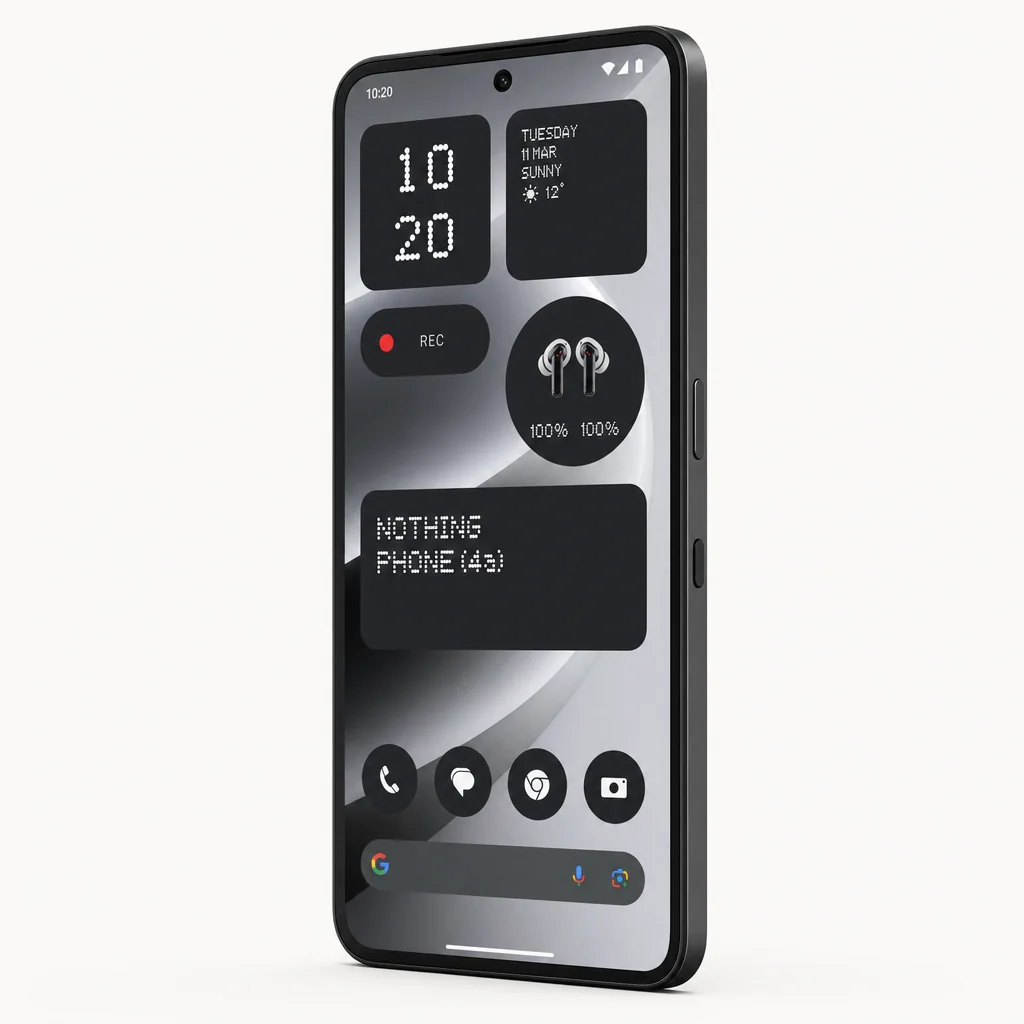
Nothing's approach is less about making the operating system vanish and more about making it feel like part of the hardware. The Phone (4a) launched with Android 16, and its Glyph Bar can work with Android 16 Live Updates. That is a smart pairing: notifications and live status information become something you can glance at from the rear rather than a reason to wake the main display every few minutes.
Long-term software support is the more decisive difference. Google promised seven years of Android updates for the Pixel 10a. Nothing committed to three years of Android OS upgrades and six years of security updates for the Phone (4a). Security support remains valuable and should not be dismissed, but Android platform upgrades are the part that changes the interface and system feature set over time. If you keep a phone for years rather than replacing it at the first hint of a new camera bump, the Pixel has a serious advantage.
Gaming data needs careful reading here. The Nothing Phone (4a) Pro, rather than the standard Phone (4a), played Asphalt Legends at 90fps, while the Pixel 10a maxed out at 60fps. With maximum graphics settings, both phones handled the game without a problem. Both could become quite hot in benchmark tests and intense gameplay, but neither overheated. That tells us the Pixel is not a gaming disaster, nor is the Nothing range a magic portal to limitless frame rates. It does suggest that someone prioritising high-frame-rate mobile games should look very carefully at the precise Nothing model they are considering.
Pixel 10a software strengths
- Android 16 with Material 3 Expressive from launch.
- Seven years of Android updates for buyers keeping a phone long term.
- Tensor G4 platform and Pixel features including Camera Coach and Satellite SOS.
- 8GB RAM with 128GB and 256GB storage options.
Nothing Phone (4a) trade-offs

See Nothing Phone (4a) on Amazon UK
Check today's price & availability on Amazon UK
- Three Android OS upgrades is a much shorter platform-update commitment.
- The standard model's gaming result was not the same as the Phone (4a) Pro's 90fps Asphalt Legends result.
- The big screen and heavier body will not suit every buyer.
- No wireless charging.
Camera Face-Off: AI Wizardry vs Triple-Lens Versatility
This is the most straightforward hardware win in the comparison, even if photography itself is never quite that straightforward. The Pixel 10a has a 48MP f/1.7 main camera with optical image stabilisation and a 13MP f/2.2 wide-angle camera. Its front camera is 13MP. It is a clean, focused dual-camera setup that covers everyday photography without pretending every lens has to be there just to decorate the back.
The Nothing Phone (4a) has more hardware to play with: a 50MP main camera, a 50MP 3.5x telephoto camera using a Samsung ISOCELL GN9 sensor, and a Sony ultrawide camera thought to be 8MP. It also has a 32MP selfie camera. The phone offered 70x digital zoom, but the number that matters more is the 3.5x telephoto lens. That is a genuine dedicated optical perspective, not merely a crop from the main sensor.
For portraits, events, wildlife, sport, architecture and anything taking place beyond arm's length, Nothing's telephoto gives you choices the Pixel does not have. You can frame a subject more tightly without physically walking towards it. This sounds obvious because it is obvious, but it is also the kind of difference you only appreciate after trying to photograph a child on a stage, a dog on a beach or a building from the other side of a busy road.
The Pixel's counterargument is computational photography and its Camera Coach feature, which offers composition guidance. That makes the Pixel's camera experience more about getting the best from a compact two-lens arrangement. The 48MP main sensor has OIS, which is important hardware for stabilisation. But it would be silly to pretend a guided approach to composition replaces a 3.5x telephoto lens. It does not. It helps you use the system you have; Nothing gives you another system component entirely.
Nothing's camera advantage is not merely the number of lenses: the Phone (4a) includes a dedicated 50MP 3.5x telephoto camera, whereas the Pixel 10a uses a 48MP OIS main camera and 13MP ultrawide pairing.
Everyday main camera: Pixel 10a
The Pixel's 48MP f/1.7 main camera includes optical image stabilisation, and it is supported by Google's Camera Coach composition guidance. It is the straightforward choice for people who prefer a simpler camera arrangement.
Distance and portraits: Nothing Phone (4a)
The 50MP 3.5x telephoto is the headline photographic advantage. It provides a dedicated zoom option, alongside 70x digital zoom, that the Pixel 10a cannot match with a separate lens.
Selfies: Nothing Phone (4a)
The Nothing has a 32MP front camera, compared with the Pixel 10a's 13MP front camera. Resolution is not the entire story of a selfie, but it is a clear headline hardware difference.
The right decision depends on what you shoot. If your camera roll is mostly people nearby, food, pets, documents and everyday scenes, the Pixel's simpler setup may be all you need. If you regularly find yourself pinching to zoom and hoping for the best, the Nothing Phone (4a) is the better-equipped tool. It earns that advantage honestly rather than through a spec-sheet technicality.
Battery, Charging & the Small Conveniences That Add Up
Battery capacity is almost comically close: 5,100mAh in the Pixel 10a and 5,080mAh in the Nothing Phone (4a). A 20mAh difference tells us practically nothing about endurance on its own. Display size, brightness, refresh behaviour, software and individual use all matter. The phones instead diverge in the conveniences around charging.
Google stated 30+ hours of battery life for the Pixel 10a, or up to 120 hours with Extreme Battery Saver switched on. For charging, it could reach up to 50% in about 30 minutes using a 45W USB-C PPS charger or higher, sold separately. The Pixel also added wireless charging and bypass charging. Those are easy features to underestimate until you use them: wireless charging is wonderfully low-fuss on a desk or bedside stand, while bypass charging is designed to avoid relying on the battery in the same way during use.
Nothing specified 50W wired charging for the Phone (4a), but no wireless charging. Its measured browsing battery life was 18 hours and 44 minutes, while video battery life was 10 hours and 19 minutes. Those are useful, specific results for the Nothing, though battery tests are always most helpful when they reflect your own mix of browsing, video, brightness and mobile data use.
The choice here is not as simple as "50W beats 45W". The Nothing has the higher stated wired number. The Pixel, however, offers wireless charging and gives a specific up-to-50%-in-around-30-minutes claim with a compatible 45W USB-C PPS charger or higher. Choose the Nothing if fast wired charging is the ritual you actually use. Choose the Pixel if putting the phone down on a charging pad is the sort of tiny daily convenience you know you would value.
| Battery and charging | Google Pixel 10a | Nothing Phone (4a) | Nothing Phone (4a) Pro |
|---|---|---|---|
| Battery capacity | 5,100mAh | 5,080mAh | 5,080mAh |
| Battery-life claim/result | 30+ hours; up to 120 hours with Extreme Battery Saver | 18h 44m browsing; 10h 19m video | 5,080mAh battery |
| Wired charging | Up to 50% in about 30 minutes with 45W USB-C PPS charger or higher | 50W | 50W |
| Wireless charging | Yes | No | No |
| Bypass charging | Yes | No wireless charging | No wireless charging |
| Buy | Check price |
Charging habits decide this one
A large battery and fast wired charging are useful. A phone that charges where you naturally place it can be even more useful. If you already use or want a wireless charging stand, the Pixel 10a has the decisive feature. If every charge happens through a cable, the Nothing Phone (4a)'s 50W wired figure is appealing.
Durability, Connectivity & Keeping the Phone for Years
Long-term ownership is where the Pixel 10a starts to look particularly well considered. It has an aluminium frame, a plastic back, Gorilla Glass 7i on the front and an IP68 rating. Google specified dust protection and water resistance for submersion up to 1.5 metres for 30 minutes. That does not mean you should treat it as a submarine. It does mean the Pixel is rated for a meaningfully more demanding level of water exposure than the Nothing Phone (4a).
The Nothing Phone (4a) has Gorilla Glass 7i at the front, a glass back and plastic frame. It is rated IP64, with manufacturer-rated water resistance to 25cm for 20 minutes. That should be read as useful protection rather than an invitation to worry less around water. The difference between the two ratings is not glamorous, but it may be very important if your phone is routinely used outdoors, near a sink, on hikes or around young children with a suspicious interest in cups.
Then there is software longevity. Google's seven years of Android updates is an especially compelling promise for someone who buys carefully and keeps devices for a long time. Nothing's three Android OS upgrades and six years of security updates offer a different balance: security coverage lasts longer than the platform-upgrade window, but the Pixel has the stronger all-round commitment for continued Android evolution.
The Pixel also includes Satellite SOS for contacting emergency services. It is the sort of capability you hope never becomes relevant, which is exactly why its inclusion matters. In ordinary life, it may never enter your thinking. In an emergency, it is not a feature you can improvise afterwards.
There is a useful distinction between Android upgrades and security updates. Both matter. Android upgrades carry the platform forward, while security updates help maintain protection. Pixel 10a owners received the longer Android-update commitment; Nothing Phone (4a) owners received three OS upgrades and six years of security updates.
The Pixel 10a's IP68 rating and seven-year Android update commitment make its long-term ownership case unusually strong, while Nothing's glass-backed Phone (4a) prioritises visual impact and the Glyph experience.
Best For: Which Buyer Should Pick Which Phone?
This is the bit that matters more than trying to crown a universal winner. There is no universal winner because the phones are built around different priorities. If you hand a compact-phone fan a 6.78-inch device, you have not given them more phone; you have given them more inconvenience. Equally, if you hand an enthusiastic photographer a phone without the focal length they need, a clean update policy will not solve the problem.
Best for compact-phone fans: Google Pixel 10a
See Google Pixel 10a on Amazon UK
Check today's price & availability on Amazon UK
The 6.3-inch screen, 183g weight and smaller physical footprint make the Pixel the more comfortable choice for one-handed use, pockets and anyone weary of ever-growing phones.
Best for big-screen media: Nothing Phone (4a)
See Nothing Phone on Amazon UK
Check today's price & availability on Amazon UK
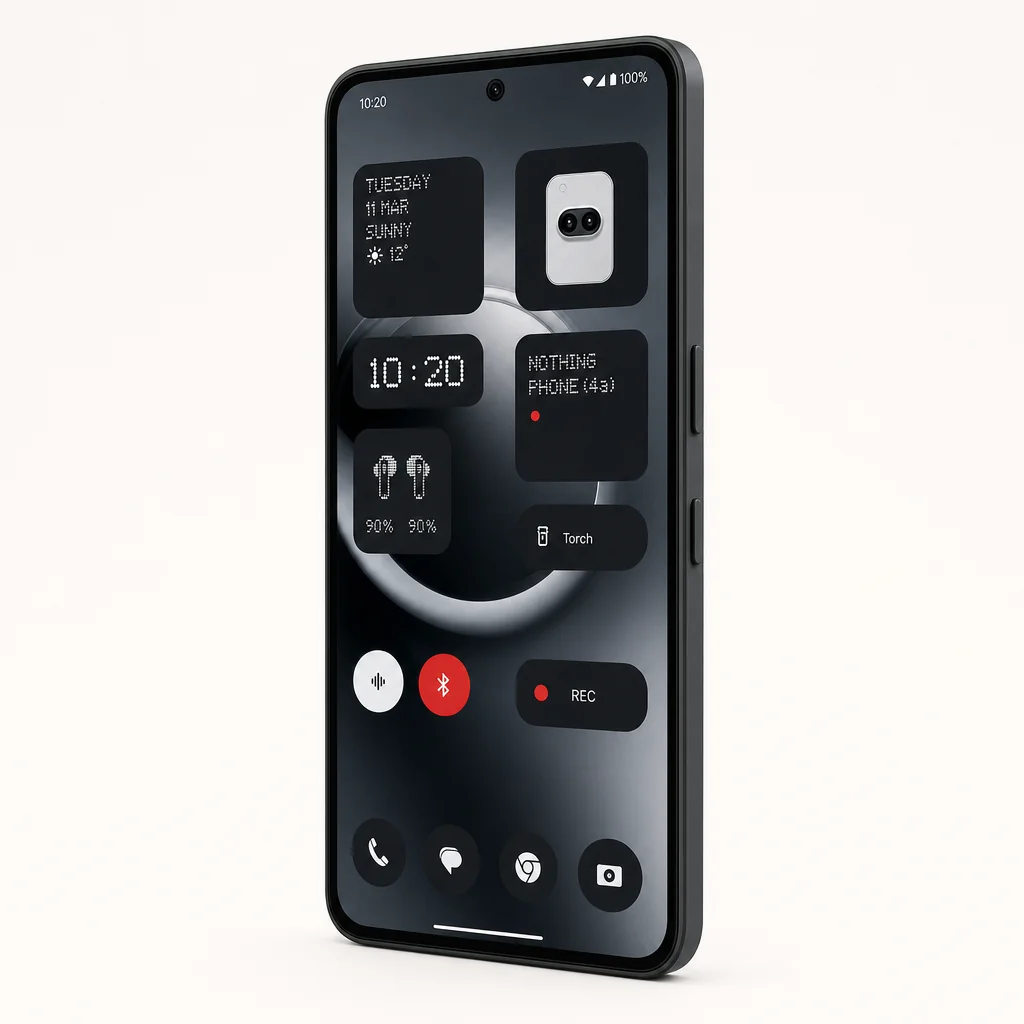
The 6.78-inch AMOLED display, 1224 × 2720 resolution and 120Hz refresh rate make Nothing's phone the more natural choice for video, reading and map-heavy days.
Best for zoom photography: Nothing Phone (4a)
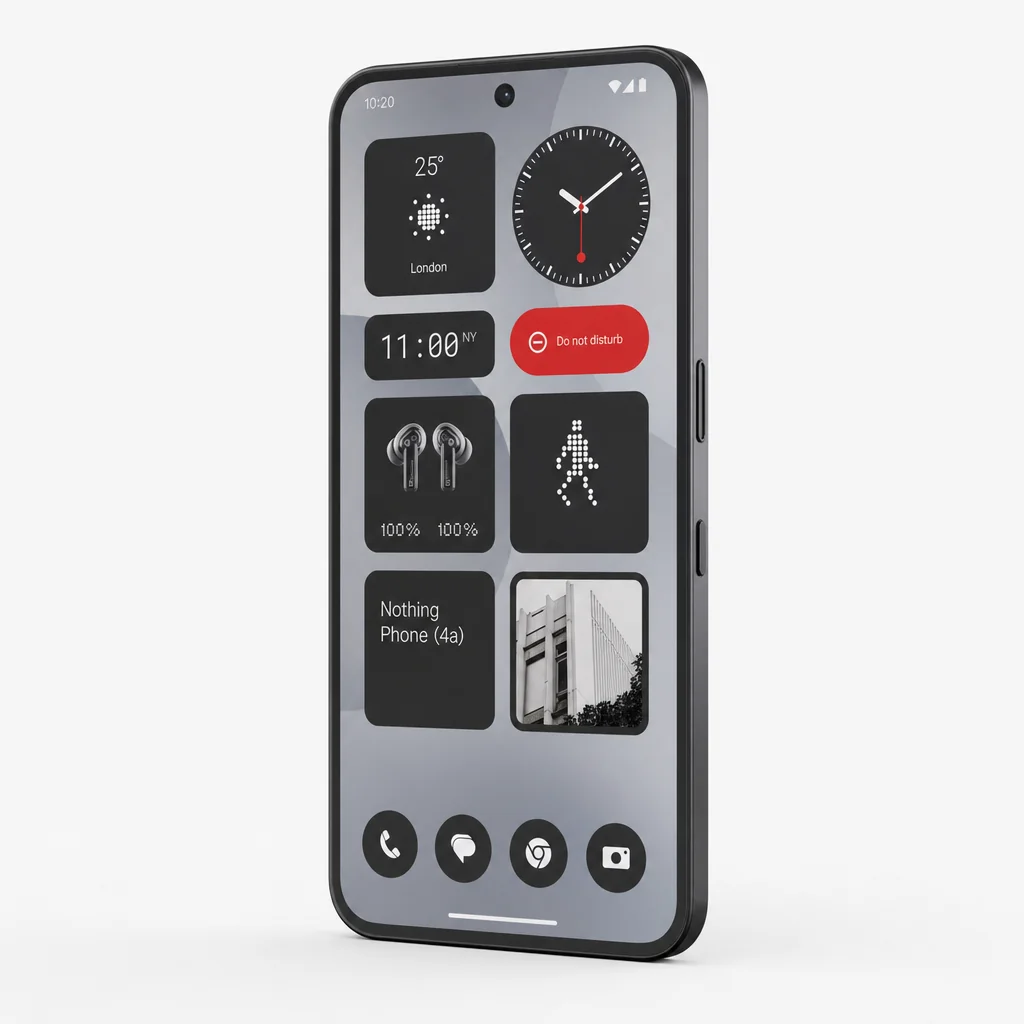
The 50MP 3.5x telephoto camera is a real hardware advantage for portraits and distant subjects. The Pixel 10a has no dedicated telephoto lens.
Best for long ownership: Google Pixel 10a
Seven years of Android updates, wireless charging, IP68 protection and Satellite SOS create the stronger package for someone buying with the long view in mind.
Best for something different: Nothing Phone (4a)
The transparent rear design and 63-mini-LED Glyph Bar give the Phone (4a) a character that no understated slab can replicate. It is unapologetically the more expressive device.
Best for tougher daily conditions: Google Pixel 10a
IP68 water resistance to 1.5 metres for 30 minutes and dust protection give the Pixel a substantial edge over the Nothing Phone (4a)'s IP64 rating.
It is also worth separating "best for gaming" from "best performance" because they are not identical claims. The supplied gaming result showing 90fps in Asphalt Legends applied to the Nothing Phone (4a) Pro, not the standard Phone (4a) in this comparison. The Pixel 10a maxed out at 60fps, while both phones in the gaming comparison handled maximum graphics settings without a problem and neither overheated, despite getting quite hot during benchmarks and intense play.
The Pixel 10a and Nothing Phone (4a) Scorecard
A scorecard is not an attempt to make personal taste look scientific. It is simply a way to show where each phone's emphasis lies. The Pixel gets the nod for compact design, long-term support, charging flexibility and protection. Nothing gets the nod for display size, camera versatility and sheer visual character. If you disagree with the weighting, that is rather the point: decide which category changes your day.
The identical overall numbers are deliberate. I would not give a phone a higher recommendation merely because its rear panel lights up, and I would not give another a higher recommendation merely because it is more restrained. The category wins are different, and both are substantial. The meaningful choice is the one you will feel every time you unlock the screen, take a photo, put it on charge or carry it for a full day.
The real split is clear: Pixel 10a buyers get compact hardware, wireless charging and a seven-year Android-update commitment; Nothing Phone (4a) buyers get more screen, more camera reach and a much more expressive design.
Pixel 10a vs Nothing Phone (4a): Frequently Asked Questions
For long-term owners, the decision comes down to priorities rather than spectacle: Pixel 10a offers seven years of Android updates and IP68 protection, while Nothing Phone (4a) offers the bigger visual experience and dedicated telephoto reach.
Final Verdict: Clean Android or Something Different?
Buy the Google Pixel 10a if you want a compact Android phone that is easy to carry, rated IP68, supports wireless charging and comes with seven years of Android updates. It is the stronger long-term, low-drama choice. The Tensor G4, 5,100mAh battery, Satellite SOS and Camera Coach round out a package that makes sense every day rather than only in a spec comparison.
Buy the Nothing Phone (4a) if you want a much larger AMOLED display, a proper 50MP 3.5x telephoto camera, 50W wired charging and a design that refuses to look like every other phone. The 63-mini-LED Glyph Bar is not for everyone, but for the right person it makes the phone feel playful and genuinely distinctive rather than merely different for the sake of it.
The Pixel 10a is the better buy for the practical keeper. The Nothing Phone (4a) is the better buy for the visual enthusiast and camera experimenter. Neither is the one-size-fits-all champion — and, honestly, that is what makes this head-to-head worth having.
- Google Pixel 10aView on Amazon