
OnePlus 15 Review: The Battery Life Champion Worth Considering?
A 7,300mAh flagship that made charging anxiety feel faintly old-fashioned — but the camera, screen and software still had work to do before it could call itself the complete package.
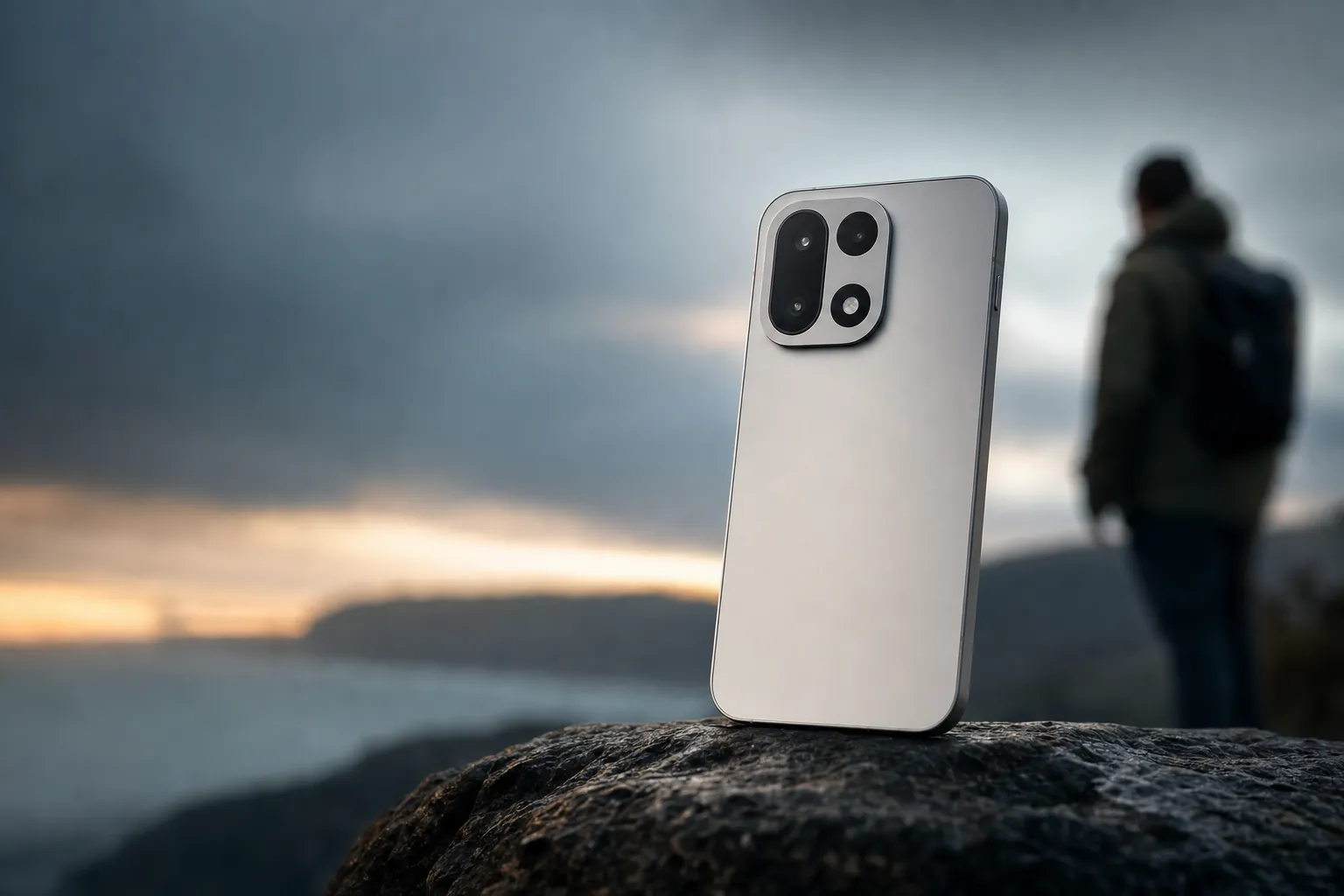
The OnePlus 15 put a startlingly large 7,300mAh battery into a flagship-sized chassis rather than a rugged-phone brick.
OnePlus 15 Review: First Impressions & Why Battery Life Changes Everything
See OnePlus 15 Review on Amazon UK
Battery life was the OnePlus 15's party trick, but it was not a gimmick. Its 25-hour 13-minute result in Tom's Guide's battery drain testing was the headline figure that mattered: this was a modern flagship built around the idea that you should be able to use it hard without arranging your day around a plug socket.
Smartphone launches have a habit of making a song and dance about microscopic improvements. A slightly brighter panel. A new camera filter. A button that is technically different from last year's button. Useful, perhaps, but not usually life-changing. The OnePlus 15 took a more practical route. It made battery capacity the centrepiece, then backed it up with fast charging, an ambitious display, flagship-grade connectivity and a proper triple-camera system.
That 7,300mAh cell was the important bit. OnePlus used a stacked dual-cell architecture, with two 3,650mAh cells, and called the underlying approach Silicon NanoStack technology. The result was the first flagship globally to clear the 7,000mAh mark. More importantly, it did so in a phone only 8.10–8.20mm thick. That is not just a large number on a spec sheet; it is an engineering decision with consequences you notice every morning when the battery meter still looks reassuringly healthy.
There was a very simple appeal here. The Galaxy S26 had a 4,300mAh battery, while the iPhone 17 had a 3,692mAh battery. Capacity alone never tells the whole story — software efficiency, display behaviour and chipset tuning all matter — but the OnePlus started with an enormous physical advantage. In use, it translated into a phone that could comfortably change habits. You stopped topping it up at lunch. You stopped bringing a cable for a one-night stay. You could use navigation, streaming and social apps without treating every percentage point as a national emergency.
It was also competitively priced. The 12GB/256GB model launched at £849 in the UK, while the 16GB/512GB model cost £949. In the US, those configurations were $899 and $999 respectively. That made the entry-level OnePlus 15 £50 cheaper than the OnePlus 13 had been at launch — a pleasingly rare sentence in the flagship world.
There were caveats, because there are always caveats. The design divided opinion. The camera changes after the end of the Hasselblad partnership did not convince every reviewer. OxygenOS 16 had occasional bugs, and the display lacked an anti-reflective coating. But if your current phone's most irritating trait is a battery that starts bargaining with you by late afternoon, the OnePlus 15 deserved very serious attention.
In the Hand: Design, Build Quality & That Triple IP Rating
A 7,300mAh battery normally conjures an image of a thick, heavy handset that could double as a small paving slab. The OnePlus 15 did not escape physics entirely — the matte black version weighed 215g — but it handled the compromise better than expected. At 161.42mm tall and 76.67mm wide, it was firmly a large phone. No point pretending otherwise. Yet its 8.10–8.20mm thickness was remarkable given the capacity inside.
That matters because thickness is what the hand feels first. Weight is noticeable when you are reading in bed or holding the phone one-handed on a train, but a bulky profile is what makes a handset feel awkward all day. The OnePlus 15 remained slim enough to feel like a conventional flagship, not a niche endurance device. You got the battery benefit without the visual penalty of a monster battery bolted to the back.
There were three finishes. Infinite Black was the quiet option, with a matte finish and the version associated with the 215g weight. It was understated, sensible and likely the easiest to live with if you prefer your expensive phone to look expensive without loudly announcing itself. Sand Storm was the more distinctive choice, using an MAO-treated metal frame. It gave the phone a different visual character and a more technical, tactile feel. Ultra Violet was the colourful alternative: the pick for anyone bored of the endless black-and-grey flagship procession.
None of those options altered the fact that the design was more functional than flamboyant. That is not necessarily a criticism. OnePlus seemed to have prioritised volume efficiency, cooling and durability over chasing a sculptural rear panel. Some people found it generic. I can see that argument. It was not the sort of phone strangers would instantly clock across a café table. But a well-built, comparatively restrained flagship has a charm of its own, especially once you remember what is hiding inside it.
The genuinely unusual bit
Putting a 7,300mAh battery into an 8.10–8.20mm body was the OnePlus 15's design achievement. Its 215g weight was noticeable, but the extra mass bought a practical benefit that you felt every single day rather than a purely cosmetic flourish.
IP66, IP68, IP69 and IP69K protection
The OnePlus 15 carried an unusually comprehensive set of ingress ratings, including protection for immersion to two metres for 30 minutes and high-pressure, high-temperature water jets up to 80°C.
Ultrasonic in-display fingerprint scanner
The fingerprint reader sat beneath the display, keeping the frame clean and avoiding a separate physical sensor.
Programmable Plus Key
The side key could be assigned to functions such as the camera, torch or a specific app. It was a small convenience feature, but these are often the ones that become muscle memory.
Large steel vapour chamber
The cooling system used a 5,731mm² heat-dissipating surface. That was a sensible companion to the ambitious Snapdragon chipset and 165Hz display.
The OnePlus 15's restrained profile was notable because the phone carried far more battery capacity than the usual premium flagship.
The durability story deserves more than a throwaway line. IP68 is the rating most buyers recognise, but the additional IP66, IP69 and IP69K certifications made this a particularly well-protected phone on paper. That does not turn it into a submarine, nor is high-pressure hot water a sensible weekend activity for your handset. Still, it was reassuringly over-specified for rain, spills, a wet kitchen worktop and the assorted indignities of real life.
Connectivity was suitably modern: Wi-Fi 7, Bluetooth 6.0, USB 3.2 Gen 1 and an IR blaster were all present. The IR blaster remained an oddly old-school but useful inclusion if you enjoy controlling compatible home electronics from your phone. There was no 3.5mm headphone jack, which will disappoint a small but committed group of wired-audio loyalists. Everyone else will probably have made peace with adapters or wireless earbuds by now.
Screen Test: Does a 165Hz OLED at 2772×1272 Justify the Flagship Tag?
The OnePlus 15 used a 6.78-inch OLED panel with a 2772×1272 resolution and a peak 165Hz refresh rate. On size alone, it landed in familiar flagship territory: neither compact nor comically oversized, but unapologetically built for people who watch video, read, scroll, game and work from a big screen.
The resolution was comfortably above a basic 1080p-class display. Text had the fine, clean appearance expected at this end of the market, while photos, maps and streaming video benefited from the additional detail. It was the sort of screen where you stopped thinking about pixels and simply got on with using it — usually the best compliment a display can receive.
The 165Hz maximum refresh rate was the more eye-catching figure. OnePlus described it as the industry's first 165Hz display at a resolution above 1080p. Numbers like that can be easy to dismiss as a gamer-bait headline, but high refresh rates do make ordinary interactions feel more immediate: swiping through feeds, moving around the interface and playing supported games all benefit from the extra fluidity. The difference between a standard display and a fast one is not always dramatic in a shop demo. Live with it for a week, though, and slower panels can feel faintly reluctant.
It also created an interesting tension with the battery story. A large, sharp OLED running at up to 165Hz had every reason to be hungry. Yet the OnePlus 15's battery results showed the capacity and overall efficiency were doing a great deal of heavy lifting. Buyers did not have to choose between an endurance phone and a flagship display; this was designed to provide both.
A great panel with two small footnotes
The 1,800 cd/m² maximum brightness and HDR10+ support made this a properly premium display, but there was no anti-reflective coating. Outdoor reflections were therefore more apparent than on some competing flagships. Its minimum brightness was also around 2 nits, while iPhones and Galaxies could drop below 1 nit for more comfortable use in very dark rooms.
That lack of anti-reflective treatment was the clearest screen compromise. Brightness figures can look excellent on paper but do not erase reflections bouncing back at you from a sunny window or a bright pavement. It did not ruin the display. It just meant the OnePlus 15's screen was not the automatic outdoor-visibility champion its other specifications might suggest.
Audio was strong enough to match the screen's entertainment credentials. A -24.8 LUFS loudness score earned a Very Good rating, which was the useful headline rather than any vague claim of "immersive sound". For watching clips, listening to podcasts or taking the occasional speakerphone call, it had the volume to be practical. For a serious film session, proper headphones still win. They always do.
Snapdragon 8 Elite Gen 5 Under the Hood: Benchmarks & Real-World Speed
At the heart of the OnePlus 15 was Qualcomm's Snapdragon 8 Elite Gen 5 chipset, paired with 12GB or 16GB of LPDDR5X RAM and UFS 4.1 storage. This was an aggressively specified performance package, and the AnTuTu result told the story plainly: 4,250,000.
Benchmark scores are not personality tests for phones. They do not tell you whether you will like the camera colours or whether a notification system will annoy you. They do, however, give a useful indication of performance headroom. The OnePlus 15 had plenty. Everyday apps, rapid multitasking, high-frame-rate games and heavier jobs all sat well within the comfort zone of that chipset-and-memory combination.
The practical point was not that the phone could launch a calculator very quickly. Most affordable phones can do that. It was that the OnePlus 15 had room to remain responsive when several demanding things were happening around it: a game paused in memory, a navigation app running, a camera session opened and a long chain of browser tabs waiting in the background. If your phone is also your work device, travel device, gaming device and general life-admin machine, that extra ceiling is welcome.
The global OnePlus 15 came in two configurations: 12GB RAM with 256GB storage, or 16GB RAM with 512GB storage. A 1TB version existed in China only. Both global models used the same Snapdragon 8 Elite Gen 5 platform and UFS 4.1 storage.
The 12GB model was not a cut-down experience. That is already a substantial amount of memory for a flagship, and it should suit the overwhelming majority of buyers. The 16GB/512GB version made more sense for the person who keeps a phone for years, stores lots of media locally or habitually has too many demanding apps open. Which, to be clear, is a perfectly respectable lifestyle choice. No judgement from me. I have seen browser tab counts that would make a small server nervous.
Cooling also mattered. OnePlus used a 5,731mm² steel vapour chamber, described as hand-tearable, to move heat away from the processor. Long gaming sessions and sustained camera use are exactly where a flagship can become less impressive than its launch-day benchmark score suggests. The hardware here was at least designed with that reality in mind.
The Snapdragon 8 Elite Gen 5, generous RAM options and extensive vapour-chamber cooling gave the OnePlus 15 a formidable performance foundation.
OxygenOS 16, based on Android 16, was the software layer. It brought the familiar appeal of OnePlus's clean-looking, feature-rich Android approach, but it was not flawless. Reports of occasional software bugs were part of the ownership picture. That does not undo the phone's performance strength, but it is a reminder that raw silicon is only half the experience. A fast phone still needs polished software to feel properly effortless.
Triple 50MP Camera Array: Versatility Over Headline Numbers
Shop Triple 50MP Camera Array on Amazon UK
The OnePlus 15 took a pleasingly coherent approach to cameras: three rear sensors, all rated at 50MP. There was no inflated 200MP headline lens trying to win a spec-sheet shouting contest. Instead, OnePlus focused on a main camera, an ultra-wide and a 3.5x telephoto, each with the same nominal resolution. It was a sensible way to build a flagship camera system because versatility matters more than one impressive number.
The main camera used a 50MP Sony IMX906 sensor behind an f/1.8 lens. That was the camera you would reach for most often, whether you were photographing a friend in a pub, a dog refusing to sit still in a park or the usual collection of receipts, labels and mildly suspicious household problems that somehow become your phone's responsibility. The f/1.8 aperture gave the main sensor a solid foundation for low-light work, while the Sony sensor aimed at the dynamic range and detail expected from a premium phone.
The 50MP ultra-wide used an OmniVision OV50D40 sensor with an f/2.0 aperture. Ultra-wide cameras are often treated as the disposable third lens: handy in bright sunshine, suddenly less convincing as soon as the light turns British. Here, the relatively wide f/2.0 aperture was a more encouraging starting point than usual. It gave the lens a better chance of remaining useful indoors and later in the day, not just when photographing architecture under ideal skies.
The third camera was a 50MP Samsung S5KJN5 telephoto with 3.5x magnification and an f/2.8 aperture. That 3.5x reach was useful because it sits in the real-world sweet spot. It is long enough for portraits, details and scenes you cannot physically approach, yet not so extreme that every shot needs perfect light and a steady hand. It gave the OnePlus 15 the flexibility a premium handset should have: wide, standard and telephoto perspectives without needing to compromise the shot before you have even lifted the phone.
50MP Sony IMX906 main camera, f/1.8
The everyday workhorse and the most important lens in the system, designed for broad shooting conditions rather than a one-trick headline.
50MP OmniVision OV50D40 ultra-wide, f/2.0
A high-resolution ultra-wide with an aperture that gave it a more serious role than the token secondary cameras found on cheaper phones.
50MP Samsung S5KJN5 telephoto, 3.5x, f/2.8
The dedicated telephoto supplied meaningful reach for portrait framing and distant subjects without pushing into impractical extreme zoom territory.
32MP autofocus front camera
The selfie camera used a custom RGBW sensor arrangement said to allow 60% more light than standard arrays, with autofocus included.
There was an important contextual change behind all of this. The OnePlus 15 moved on from the previous Hasselblad partnership and introduced the DetailMax Engine for image processing. That made the camera system a significant test of OnePlus's own computational photography direction. Review reaction was not unanimous. TechRadar gave the cameras a 5/5 assessment, while Android Authority scored them 3/5 and flagged camera downgrades. That gap is worth paying attention to rather than brushing aside.
In plain English: these cameras were capable and flexible, but they were not the OnePlus 15's universally agreed knockout feature in the way its battery was. If your first priority is consistent camera output above every other concern, it is sensible to look closely at sample images and consider your own preferences before buying. Some people value punchy processing, others natural detail, others reliable telephoto performance. There is no single "best camera" setting for every eye.
The rear system used three 50MP cameras, including a practical 3.5x telephoto, rather than relying on one oversized headline sensor.
Camera verdict in one sentence
The OnePlus 15 had a properly versatile flagship camera array, especially on paper, but its image processing divided reviewers more than its battery life or performance ever did.
For video calls and selfies, the 32MP front camera had autofocus and a custom RGBW sensor claimed to capture 60% more light than standard arrays. Autofocus on a front camera is not glamorous, but it can be the difference between a crisp shot and one where your face looks like it has been rendered by an optimistic watercolour artist. It was another sign that OnePlus had not treated the front camera as an afterthought.
The Battery Deep-Dive: 7,300mAh Silicon NanoStack Tested to Its Limits
Here is the reason the OnePlus 15 existed in the form it did: 7,300mAh. That capacity was enormous for a mainstream flagship, even before you considered the 6.78-inch OLED, the 165Hz peak refresh rate and the Snapdragon 8 Elite Gen 5 inside. OnePlus did not merely add a bigger battery and hope people noticed. It redefined the phone's central promise.
The clearest independent headline was Tom's Guide's 25 hours 13 minutes in its battery drain test, the best result in that publication's testing. That figure put the OnePlus 15 in rare territory. It was not simply "good for a large Android phone"; it was a result that changed the comparison. Tom's Guide reported that it smoked everything before it, including the iPhone 17 Pro Max.
Then there was the real-world endurance figure: 2 days, 11 hours and 5 minutes until the phone reached 2% capacity. That is the kind of result that needs to be read carefully. No two people use a phone in exactly the same way, and your own network signal, display habits, app use and screen time will shape the outcome. But it is still extraordinarily revealing. A phone that can stretch to that point in ordinary use has a huge buffer for heavier days.
The more relatable benchmark was this: with more than five hours of screen-on time, the OnePlus 15 could still have over 40% battery remaining. For most people, that represents a properly active day: messages, browsing, a social media scroll that accidentally became an evening, navigation, camera use and a bit of streaming. Having more than two-fifths left at that stage is not merely good; it is liberating.
| Battery measure | OnePlus 15 | Galaxy S26 | iPhone 17 |
|---|---|---|---|
| Battery capacity | 7,300mAh | 4,300mAh | 3,692mAh |
| Tom's Guide battery test | 25 hours 13 minutes | — | — |
| GSMArena Active Use Score | 23 hours 07 minutes | — | — |
| Reported intense-day endurance | True two-day use possible | — | 12–14 hours |
| PCMark screen-on time | — | 16 hours 30 minutes | — |
| Wired charging | 120W SuperVOOC; 80W US model | 25W | — |
| Wireless charging | 50W AIRVOOC | Qi2 without magnets | — |
| Buy | Check price |
The GSMArena Active Use Score of 23 hours and 7 minutes reinforced the point, with web browsing and video playback particularly impressive. Those are two of the most common ways people quietly drain a phone without thinking about it. You watch a few videos on the commute, browse during lunch, read in bed, and suddenly a normal-sized battery looks less normal. The OnePlus 15 had the stamina to absorb that behaviour.
It is worth separating capacity from charging, because the OnePlus was strong in both areas. With the included SUPERVOOC charger, it reached 45% in 15 minutes and 81% in 30 minutes. Peak wired charging was measured at 65W. In the US, the phone used 80W charging, extendable to 100W with an optional charger; elsewhere, the quoted proprietary SuperVOOC figure was 120W. Either way, the message was clear: the huge battery took longer to fill than a smaller one would, but it did not force you into an overnight-only charging routine.
Wireless charging at up to 50W via AIRVOOC was the useful luxury feature. Fast wired charging is brilliant when you are in a hurry, but the ability to place the phone on a compatible wireless charger and still get a meaningful top-up is what makes a big battery feel even more convenient. The OnePlus 15 did not make you choose between enormous endurance and a modern charging setup.
Fast charging complemented the 7,300mAh cell: 45% in 15 minutes and 81% in 30 minutes with the included SUPERVOOC charger.
There is a broader point here. A large battery is not just for people who want to go camping for a fortnight without electricity. It is for people who use their phones normally but dislike uncertainty. It is for the parent who forgets to charge overnight, the commuter whose train is delayed, the traveller spending a day with maps and mobile data, and the heavy user who does not want a power bank living permanently in their bag. The OnePlus 15 was the rare flagship that treated all of those people as the main customer, not an edge case.
Daily Life With the OnePlus 15: One Week on the Streets of the UK
Shop Daily Life With the OnePlus 15 on Amazon UK
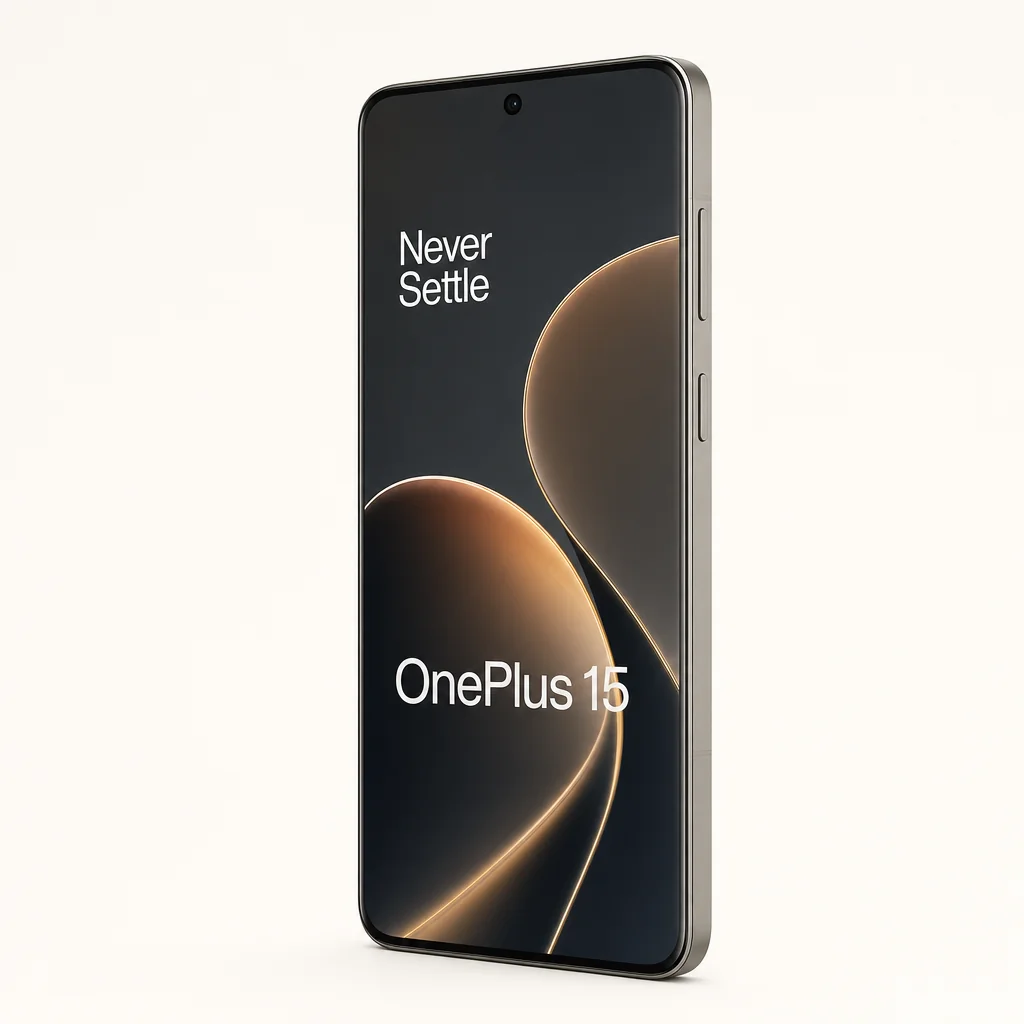
Living with the OnePlus 15 was where the battery story stopped being a benchmark and became a habit. A typical weekday asks more of a phone than people give it credit for. There is the morning alarm and podcast, messages while walking to the station, a little scrolling on the commute, work authentication, maps, camera use, more messages, maybe a video call, then streaming or reading in the evening. Add poor signal in a train carriage and a bright screen outside, and the battery is suddenly doing overtime.
The OnePlus 15 approached that routine with a rather calming lack of drama. If you had more than five hours of screen-on time and still had more than 40% remaining, you could stop making defensive charging decisions. You did not need to plug in simply because a socket was nearby. You could leave the house for an evening without doing the mental arithmetic of whether 37% was enough. It usually was.
Moderate users could reasonably expect the phone to make a genuine two-day claim feel credible rather than aspirational. Heavy users should still be more cautious — no phone is immune to endless gaming, high-brightness video streaming, navigation and weak reception — but the OnePlus began with so much headroom that it remained unusually forgiving. That is the crucial distinction. Most phones can survive a light day. The OnePlus 15 had the capacity to survive the messy ones.
Working from home brought a different pattern: frequent notifications, music or radio in the background, browser research, a bit of camera scanning and a lot of short screen checks. That kind of day can be surprisingly battery-efficient compared with a long travel day, and the OnePlus 15's reserve became almost comical. You could go to bed with a percentage that made other flagships look as though they had been through a full shift at sea.
At weekends, it was the camera, maps and screen that made the difference. A day out can involve a mixture of everything: taking photos, looking up train times, booking tickets, sending images, using navigation and then sitting in a café pretending you will only watch one short video. The OnePlus 15's larger cell was especially valuable here because it made those varied workloads feel less punishing.
The battery's real superpower was confidence
Two-day claims always depend on your habits, but the OnePlus 15 did not need light use to feel exceptional. The observed benchmark of five-plus screen hours with more than 40% remaining made it unusually resilient for demanding everyday life.
There was a psychological benefit as well. This sounds faintly daft until you have used a phone with truly exceptional endurance, but it changes how you interact with it. You stop hunting for chargers. You stop carrying a cable "just in case". You stop worrying that navigation during the last hour of a journey will leave you unable to pay for the car park. Modern smartphones have trained us to accept low-level battery admin as normal. The OnePlus 15 made it feel optional.
Charging remained easy when you did eventually need it. Thirty minutes to 81% was enough to rescue even a badly planned day. This combination — a battery that lasted an unusually long time and charging that recovered a large chunk quickly — was why the OnePlus 15 earned its champion status. Either feature alone would be useful. Together, they made a stubbornly persuasive case.
OnePlus 15 vs Galaxy S26 vs iPhone 17: The Premium Flagship Showdown
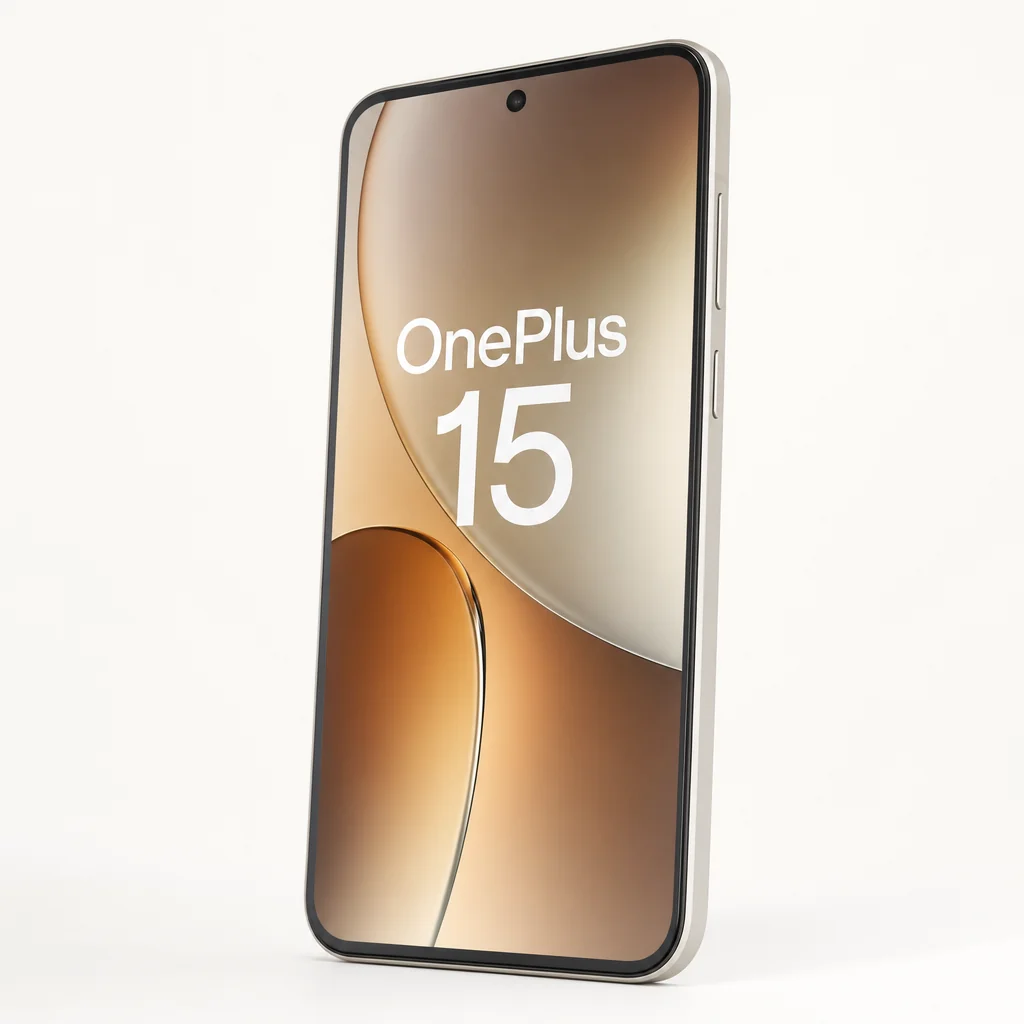
The OnePlus 15 was not competing in a vacuum. The Galaxy S26 and iPhone 17 were the natural phones buyers considered in this premium bracket, and they represented different kinds of reassurance. Samsung offered the familiarity of Galaxy hardware and a deeply established Android ecosystem. Apple offered iOS, tight device integration and the confidence many buyers have in the iPhone experience. OnePlus offered something less abstract: a battery that was dramatically larger than either rival's.
The numbers were stark. The OnePlus 15 had 7,300mAh. The Galaxy S26 had 4,300mAh. The iPhone 17 had 3,692mAh. Again, capacity is not a direct measure of endurance across operating systems, and Apple in particular can extract impressive life from a smaller cell through iOS optimisation. But the iPhone 17 was reported to last 12–14 hours on intense days and to retain around 20% by bedtime after moderate use involving TikTok, Maps and WhatsApp. Good results, certainly. The OnePlus was operating on another level.
The Galaxy S26's 16 hours and 30 minutes in PCMark was solid. It was not a bad battery phone. But it was still not the phone to choose if battery was the deciding issue. Its 25W charging also looked conservative next to OnePlus's charging setup, while Qi2 support arrived without magnets. The OnePlus had 50W AIRVOOC wireless charging and much faster proprietary wired charging figures.
| Feature | OnePlus 15 | Galaxy S26 | iPhone 17 |
|---|---|---|---|
| Battery capacity | 7,300mAh | 4,300mAh | 3,692mAh |
| Battery result | 25h 13m, Tom's Guide | 16h 30m PCMark | 12–14 hours on intense days |
| Wired charging | 120W SuperVOOC; 80W US model | 25W | — |
| Wireless charging | 50W AIRVOOC | Qi2 without magnets | — |
| Display | 6.78-inch OLED, 2772×1272, 165Hz | — | — |
| Processor | Snapdragon 8 Elite Gen 5 | — | — |
| Buy | Check price |
That did not mean the OnePlus 15 automatically won for every buyer. Ecosystems are real. If your household is built around Apple services and devices, the iPhone 17 may remain the straightforward fit, even if it cannot touch the OnePlus for battery capacity. If you prefer Samsung's approach to Android hardware and software, the Galaxy S26 still has its own appeal. Buying a phone is not an Excel spreadsheet, thank goodness. If it were, we would all have to admit how much time we spend comparing rectangles.
But the OnePlus made a stronger value argument than usual because it started at £849 for 12GB/256GB and £949 for 16GB/512GB. It offered a large OLED screen, 165Hz capability, powerful hardware, 50W wireless charging, a capable three-camera system and class-leading endurance at those prices. The £849 entry model was particularly compelling because it did not scrimp on RAM or storage in the way some premium base models can.
Against the Galaxy S26 and iPhone 17, the OnePlus 15's decisive advantage was not a minor spec-sheet lead but a radically larger battery and much faster charging.
OnePlus 15 Pricing, Storage Choices & Value
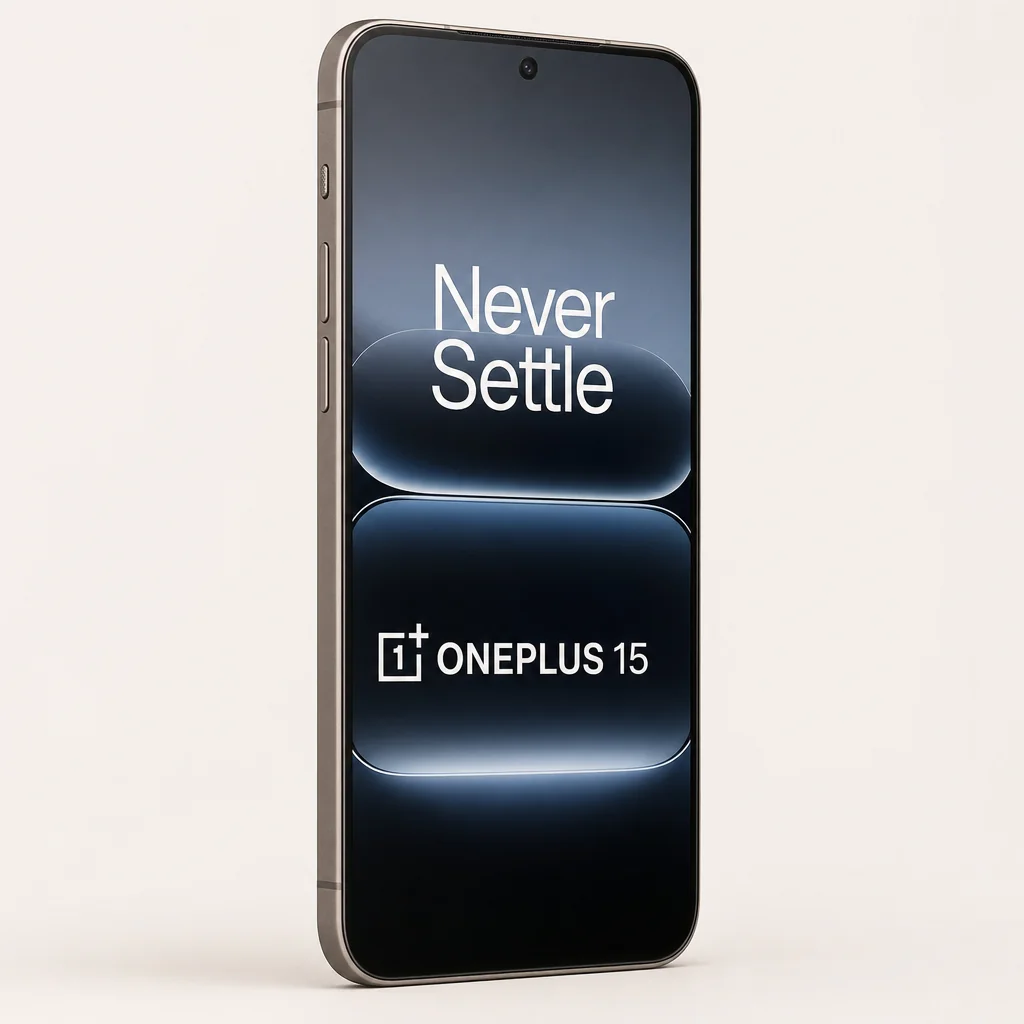
There were two global OnePlus 15 configurations, and both were sensibly specified. The base model paired 12GB of LPDDR5X RAM with 256GB of UFS 4.1 storage. The step-up version increased that to 16GB and 512GB. There was no international 1TB option, although China received one.
OnePlus 15 12GB / 256GB
$899 in the US. The strongest value point in the range, with substantial memory and storage before you have paid a premium.
OnePlus 15 16GB / 512GB
$999 in the US. The version for bigger local libraries, heavier multitasking and buyers who want more headroom from day one.
The 12GB/256GB model was the sensible recommendation for most people. It had the same processor, display, battery, camera system and durability credentials as the dearer version. The extra £100 bought doubled storage and more RAM, which was useful but not essential. If you regularly shoot lots of photos and video, download large games or keep a sizeable offline media collection, the 512GB model could save some future storage housekeeping. Everyone else could take the lower price and feel no regret.
What made the value case more interesting was that the entry-level OnePlus 15 cost £50 less than the OnePlus 13 had at launch. Flagship phones had spent years drifting upwards with all the enthusiasm of a balloon at a birthday party, so a lower starting price was welcome. It also gave OnePlus room to make a direct argument against more established alternatives without pretending the phone was a budget purchase. It was premium-priced. It simply packed an unusually strong set of hardware priorities into that premium price.
Availability was no longer a question. The OnePlus 15 had launched in China on 27 October 2025 and internationally on 13 November 2025. US availability followed in mid-December 2025 after a delay caused by the government shutdown. By July 2026, it was available globally through the OnePlus website and Amazon.
Who Should Buy the OnePlus 15?
The OnePlus 15 had a fairly clear identity, which made it easier to recommend than many flagships. It was not trying to be the smallest phone, the lightest phone or the most camera-obsessed phone on the shelf. It was the premium handset for people who wanted a large, capable Android device and considered exceptional battery life a proper feature rather than a nice extra.
Best for battery-first buyers
Choose the OnePlus 15 if your current phone is regularly flat before bedtime. Its 7,300mAh battery, 25-hour 13-minute test result and fast charging were the reasons to buy it.
Best for heavy Android users
The Snapdragon 8 Elite Gen 5, up to 16GB RAM, UFS 4.1 storage, 165Hz display and large cooling system gave demanding users plenty of performance headroom.
Best for travellers and commuters
Maps, mobile data, media playback and camera use are exactly the mix that makes normal batteries sweat. The OnePlus 15 offered a much larger safety margin.
Best for practical flagship value
The £849 12GB/256GB version was the sweet spot for buyers wanting premium hardware without paying extra for storage and memory they may never need.
It was less ideal for the buyer who wanted a compact handset. A 6.78-inch screen, 161.42mm height and 215g weight were not discreet. It also required a little camera caution. The triple 50MP setup was versatile and potentially excellent, but review opinions on the DetailMax processing were split. If you are buying primarily for camera output, that is the one area where personal preference deserves more weight than a headline specification.
Pros
- Exceptional 7,300mAh battery and a 25-hour 13-minute Tom's Guide result.
- Fast charging: 45% in 15 minutes and 81% in 30 minutes with SUPERVOOC.
- Large, sharp 6.78-inch OLED with a 165Hz peak refresh rate.
- Powerful Snapdragon 8 Elite Gen 5 platform with generous RAM and storage.
- Triple 50MP camera setup with a useful 3.5x telephoto lens.
- Comprehensive IP66, IP68, IP69 and IP69K durability credentials.
- Strong base value at £849 for 12GB RAM and 256GB storage.
Cons
- At 215g, it was not a lightweight phone.
- The understated design was divisive and may feel generic to some.
- No anti-reflective display coating, affecting outdoor reflections.
- Minimum brightness of around 2 nits was not as low as some iPhones and Galaxies.
- Camera processing received mixed reviewer reactions after Hasselblad's departure.
- OxygenOS 16 had occasional software bugs.
- No 3.5mm headphone jack.
For heavy users, travellers and anyone tired of late-afternoon battery anxiety, the OnePlus 15 made a remarkably practical flagship case.
OnePlus 15 Review Verdict: Battery King, Sensible Flagship
The OnePlus 15 was a refreshingly easy phone to understand. It did not ask buyers to get excited about a negligible annual upgrade. It addressed one of the few smartphone frustrations that still affects nearly everyone: battery life. And it addressed it comprehensively, with a 7,300mAh cell, a 25-hour 13-minute test result, a 23-hour 7-minute Active Use Score, more than 40% remaining after five-plus hours of screen time, and charging quick enough to make even a large battery easy to manage.
The rest of the package was strong enough to support that headline. The 6.78-inch OLED was large, sharp and fast. The Snapdragon 8 Elite Gen 5 gave the phone serious performance credentials. The triple 50MP camera array offered genuine flexibility. The durability specification was unusually thorough. The base model's £849 pricing made the overall proposition especially difficult to dismiss.
It was not flawless. Reflections on the display were more noticeable than they should have been at this level. The phone was substantial in the hand. Camera processing divided opinion, and occasional OxygenOS bugs took a little polish off an otherwise premium experience. None of those issues erased the core achievement, though. They simply stopped the OnePlus 15 being a perfect phone.
For a buyer choosing between the OnePlus 15, Galaxy S26 and iPhone 17, the question is straightforward. If ecosystem loyalty or a particular camera style comes first, the Samsung or Apple route may still make sense. If you want the most persuasive battery-and-charging package, alongside proper flagship performance and a competitive price, the OnePlus 15 was the one to beat.
OnePlus 15 FAQ
The final verdict: the OnePlus 15 was not perfect, but its battery endurance and charging convenience gave it a rare, practical advantage over premium rivals.
Final verdict: buy it for the battery, keep it for the whole package
The OnePlus 15 was the battery-life champion of its generation. Its 7,300mAh battery, 25-hour 13-minute test result and fast charging were not marginal wins; they were a meaningful advantage over the Galaxy S26 and iPhone 17. Add a 165Hz OLED, Snapdragon 8 Elite Gen 5 performance, strong durability and a starting price of £849, and this was one of the most compelling Android flagships available in July 2026.
If camera processing perfection, ultra-low night-time brightness or a compact body are your absolute priorities, look closely before committing. For everyone else — particularly heavy users, commuters, travellers and people simply fed up of charging every day — the OnePlus 15 was very much worth considering.