
Nintendo to axe original Switch family in Europe over battery law
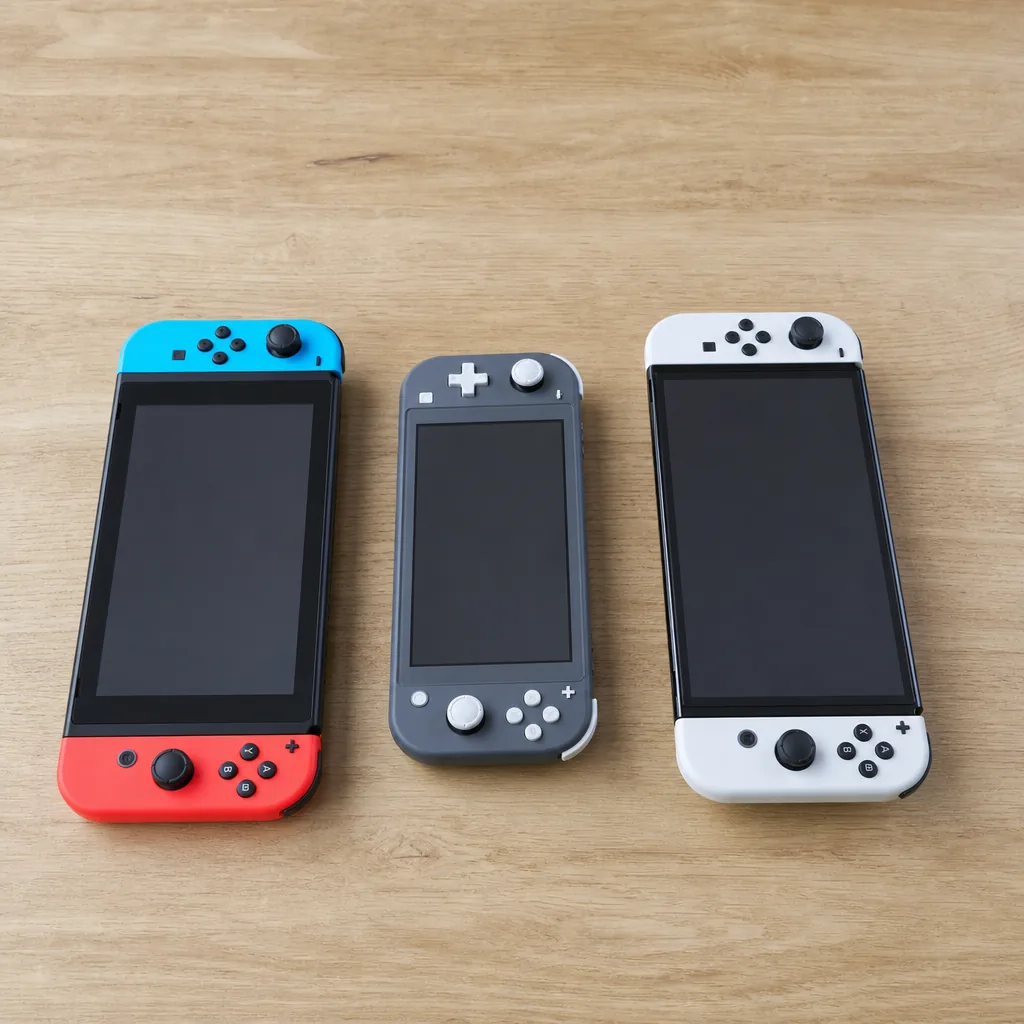
The Switch, Switch Lite, and Switch OLED will all be withdrawn from European sale in February 2027 because their glued-in batteries cannot meet incoming EU regulations.
What you need to know
- Nintendo will stop selling the Switch, Switch Lite, and Switch OLED to European retailers from mid-February 2027
- New EU law (Article 11 of Regulation 2023/1542) requires user-replaceable batteries in portable devices by 18 February 2027
- The Switch 2 will be revised with a replaceable battery, rolling out across Europe in waves from summer 2026
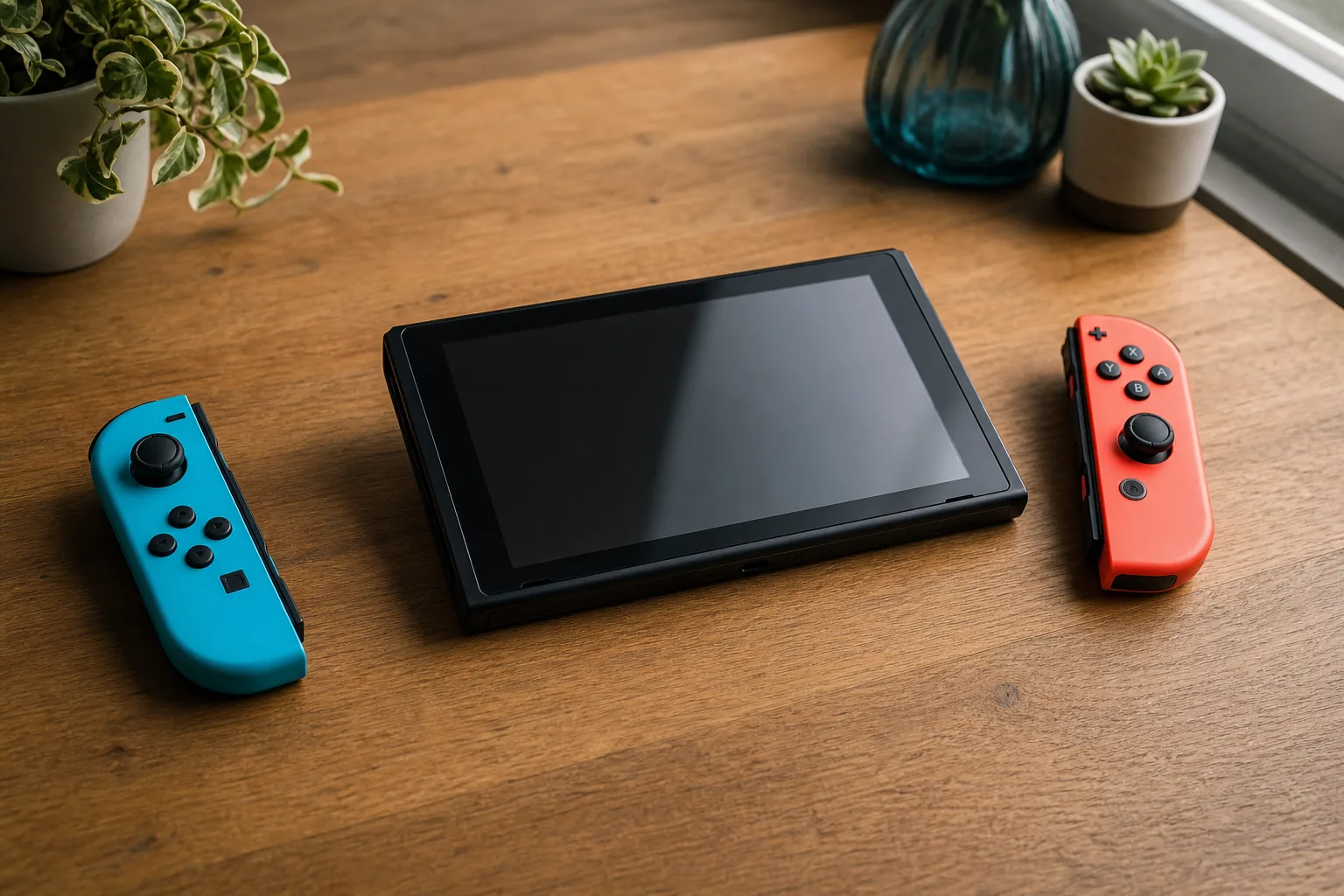
Nintendo has confirmed it will permanently withdraw the original Nintendo Switch, Nintendo Switch Lite, and Nintendo Switch OLED Model from European sale in mid-February 2027, ending nearly a decade of availability for the console family that transformed the company's fortunes. The announcement, made on 6 July 2026 via Nintendo's UK support page, is a direct consequence of incoming European Union battery regulations that the original hardware simply cannot meet.
What's actually happening — and when
According to Nintendo's official statement, the three original Switch models "will all continue to be manufactured in 2026, and should be widely available in Europe all year." However, from mid-February 2027 — almost exactly ten years after the original Switch launched in March 2017 — Nintendo will stop supplying those consoles to retailers across Europe, including the UK. Sales through the Nintendo Store online will also end at that point.
Retail partners are expected to keep selling whatever stock they have left after Nintendo ends distribution, so the consoles won't vanish from shelves overnight. But once that inventory is gone, it's gone.
Why the EU's new battery rules are forcing Nintendo's hand
The culprit is Article 11 of EU Regulation 2023/1542, approved in 2023 and taking full effect on 18 February 2027. The rule requires that batteries in portable consumer electronics be designed so that ordinary users can remove and replace them without specialised tools — or, if a specialist tool is genuinely needed, the manufacturer must supply it at no charge.
The regulation's aim is sustainability: making it easier to swap a battery rather than bin an entire device. For manufacturers that don't comply, the consequence is a ban from European markets.
The problem for the original Switch family is structural. The battery in each model is glued in place, and there is no realistic path to a redesign that would bring those ageing devices into compliance. Nintendo has concluded it isn't worth the engineering effort — particularly given that the Switch 2 is already on sale and can be revised instead.
The Switch 2 gets a rolling redesign — with some trade-offs
Rather than retire the Switch 2 alongside its predecessor, Nintendo is revising it to include a user-replaceable battery, rolling out across Europe in four waves:
- Summer 2026: Revised Joy-Con controllers (for the original Switch) arrive in stores first
- Autumn 2026: A revised Switch 2 console lands, bundled with updated Joy-Con 2 controllers
- Winter 2026: Updated Switch 2 Pro Controller and separately sold Joy-Con 2 follow
- Early 2027: N64 and GameCube Nintendo Switch Online controllers receive replaceable-battery versions
Nintendo stresses there is no difference in functionality between current products and their revised counterparts. That said, the hardware changes do bring some measurable spec shifts. The Switch 2 console's battery capacity drops slightly from 5,220mAh to 5,172mAh — roughly one per cent less — while the console itself gains about 10g in weight, rising from approximately 401g to 411g. The Switch 2 Pro Controller sees a more significant battery reduction, from 1,070mAh down to 897mAh (a 16% drop), though it becomes about 7g lighter. Joy-Con and Joy-Con 2 retain the same battery capacity but each gain around 2g. The GameCube Controller revision, arriving in early 2027, actually sees a capacity increase — up to 525mAh — alongside a 5g weight bump.
Nintendo will sell battery replacement kits through the Nintendo Store. Timing across all four waves may shift depending on manufacturing and distribution, with the company promising further details ahead of each release.
Crucially, buyers on the Nintendo Store won't be able to pick between old and new versions. Once current stock of a given product sells out, it will simply be replaced by the revised version without a separate listing.
What else is disappearing
The Switch Pro Controller and the Pokémon GO Plus + accessory will also be discontinued from the Nintendo Store in February 2027, as neither is being revised with a replaceable battery. Wireless NES and SNES controllers, the original Pokémon GO Plus, and several other battery-powered peripherals face the same fate.
The changes are specific to the European market — which, for these purposes, includes the UK. Nintendo has made no announcement about similar revisions or discontinuations in North America, Japan, or other regions.
What this means if you own an original Switch
Existing owners have nothing to worry about in terms of their current hardware. Nintendo confirmed that "Nintendo Switch owners can continue to enjoy all their existing Nintendo games and accessories," and that the eShop, Nintendo Switch Online, and other services will continue for the foreseeable future. The library isn't going anywhere.
The price picture
With the Switch 2 currently available in the UK for around £360 according to PriceSpy UK, and a further price rise of approximately £30 expected in September — attributed to rising component costs amid a global memory chip shortage — the removal of the original Switch family leaves a notable gap at the affordable end of Nintendo's lineup. In the US the price increase has been confirmed at $50, taking the console to $499.99; European pricing rises by €30 to €499.99. Nintendo has not yet confirmed the exact new UK figure.
Why it matters
For UK buyers, the original Switch family has long served as the affordable entry point into Nintendo's ecosystem — once stock clears, that cheaper option is gone for good. With the Switch 2 already sitting at around £360 and a further price rise of roughly £30 expected in September, households on tighter budgets will find themselves with significantly fewer options. The fact that shoppers won't be able to choose between old and new Switch 2 hardware — the revised version simply replaces existing stock once it sells through — means the transition will be largely invisible at point of sale, which is worth being aware of before you buy.