
Galaxy Z Flip8 vs Motorola Razr: Which Clamshell Foldable Wins?
Samsung goes thinner and lighter; Motorola goes bigger on battery, charging and display numbers. Here is the sensible way to choose between 2026's two headline flip phones.
Samsung Galaxy Z Flip8 and Motorola Razr Ultra 2026 represent two very different takes on the modern pocketable foldable.
Clamshell foldables have finally moved beyond the "look, it bends" phase. These are now proper daily phones with big inner screens, useful outer displays and batteries that no longer feel like a compromise you made purely for the hinge. The Galaxy Z Flip8 and Motorola Razr Ultra 2026 are the sharp end of that idea — and they arrive there by taking almost opposite routes.

See Galaxy Z Flip8 on Amazon UK
£1149.00price at 23 Aug, may change
Two Icons, One Fight: The 2026 Clamshell Showdown
Samsung's Galaxy Z Flip8 arrived with a clear mission: make the Flip feel less like a delicate novelty in your pocket. At 6.1mm unfolded and 13.1mm folded, it is notably slim, and at 180g it is a phone you are far less likely to notice dragging down a jacket pocket. That sounds like a small thing until you have carried a chunky foldable for a fortnight. Then it becomes the thing.
It was also Samsung's first phone to launch with Android 17 and One UI 9. Depending on market, it used either Qualcomm's Snapdragon 8 Elite Gen 5 for Galaxy or Samsung's Exynos 2600, a 2nm deca-core chip paired with the Xclipse 960 GPU. The point is not merely a new badge on the box. Samsung positioned this as its current-generation Flip, complete with seven years of OS updates.
Motorola's Razr Ultra 2026 took a more maximalist approach. Its Snapdragon 8 Elite was not the newer Gen 5 part, but Motorola paired it with 16GB RAM and 512GB storage as standard. More importantly, it put a 5,000mAh silicon-carbon battery inside, backed it with 68W wired and 30W wireless charging, and gave the inside screen a 165Hz refresh rate with a stated 5,000-nit peak brightness.
Neither is a bad answer. Samsung is the lighter, thinner and less expensive flagship choice in the US. Motorola is the more extravagant hardware package, with the bigger battery, faster charging and a cover display experience that remains one of the strongest reasons to buy a flip phone rather than a regular slab.
The short version
Choose the Galaxy Z Flip8 if slimness, low weight, long software support and a lower entry price matter most. Choose the Motorola Razr Ultra 2026 if you want the most ambitious screen hardware, 16GB RAM, a 5,000mAh battery and dramatically faster charging.
Spec Sheet at a Glance: The Numbers That Matter
Before we get lost in software preferences and the sort of colour science debates that can consume an entire afternoon, here are the fundamentals. These are the figures that will actually shape how each phone feels in your hand, pocket and day-to-day charging routine.
| Feature | Galaxy Z Flip8 | Motorola Razr Ultra 2026 | Motorola razr / razr+ |
|---|---|---|---|
| US starting price | $1,199 (12GB/256GB) | $1,499.99 | $799.99 / $1,099.99 |
| Battery | 4,300mAh | 5,000mAh | |
| Wired charging | 25W | 68W | |
| Wireless charging | 15W | 30W | |
| Main display | 6.9in, 2520×1080, 120Hz | 7.0in, 2992×1224, 165Hz | |
| Cover display | 4.1in, 120Hz | 4.0in, 3,000 nits peak | |
| RAM / storage | 12GB / 256GB or 512GB | 16GB / 512GB |
Both flagship phones carried an IP48 rating for dust and water resistance. Motorola also used Corning Gorilla Glass Ceramic 3 on the Razr Ultra cover screen and stated over 75% better drop performance than the previous generation.
The outer display is no longer just for checking the time; it is now central to how useful a flip phone feels when closed.
Cover Screen Wars: The Phone You Use While It Is Closed
This is the category that separates a good clamshell from a genuinely useful one. A foldable that makes you open it for every tiny task is still a lovely compact phone, but it has missed half the point. The best cover screens let you read, reply, check directions, control music, frame a photo and deal with the little bits of life without repeatedly flipping the phone open.
Samsung fitted the Galaxy Z Flip8 with a 4.1-inch AMOLED cover display running at 120Hz. It is a sizeable panel by flip-phone standards and benefits from the same basic smoothness you expect from a premium main screen. Samsung also expanded the FlexWindow experience with new gestures, wider app support and deeper Galaxy AI features. That makes the outside display feel more like an interface you can live in rather than a glorified notification strip.
Motorola went a fraction smaller at 4.0 inches, but the size difference is not the whole story. Its cover panel reached a stated 3,000 nits peak brightness, which is a serious advantage for outdoor visibility. More importantly, the Razr Ultra's outer display has been praised as the best cover-screen experience on a 2026 flip phone, with most apps running brilliantly. It is the sort of advantage that looks modest in a spec table and obvious the moment you are standing in bright sunshine trying to answer a message.
Galaxy Z Flip8: FlexWindow focus
The 4.1-inch, 120Hz AMOLED panel gained broader app support, new gestures and deeper Galaxy AI integration. It is the more polished choice for someone already comfortable in Samsung's software world.
Motorola Razr Ultra 2026: outdoor confidence
The 4.0-inch external display's 3,000-nit peak brightness gives Motorola a practical daylight advantage, while its broad app usability is the standout feature of the Razr approach.
Both: a better compact camera posture
Each phone can use its external display as a viewfinder, one of the few foldable features that remains genuinely useful rather than merely clever at a party.
The Samsung wins the raw size contest by 0.1 inches and has the stated 120Hz refresh rate. The Motorola wins the more important usability argument. If your dream flip phone is one you can leave shut for substantial stretches of the day, the Razr Ultra has the stronger case. Samsung is close, though, and its revised FlexWindow makes this far less one-sided than it used to be.
Main Display Deep Dive: Folding Cinema in Your Pocket
Open them up and both phones become tall, proper flagship-sized handsets. Samsung's 6.9-inch Dynamic AMOLED 2X screen runs at 2520×1080 in a 21:9 format, with a variable 120Hz refresh rate. It is a meaningful increase over the 6.7-inch panel used in the Galaxy Z Flip7. That may only be two tenths of an inch on paper, but it gives a little more breathing room to text, web pages and split-screen work.
Motorola's 7.0-inch folding display is larger again, with a 2992×1224 resolution and a 165Hz refresh rate. It is Pantone-validated for colour, and Motorola quoted a remarkable 5,000 nits peak brightness. The numbers are emphatic: more pixels, a higher refresh ceiling and a much higher published brightness figure.
Using the stated resolutions and screen sizes, the Razr Ultra works out to roughly 458ppi, compared with around 402ppi for the Galaxy Z Flip8. That is approximately a 14% density advantage for Motorola. You should not expect a night-and-day difference when reading messages, because both are already high-resolution phone displays, but fine text and detailed imagery have more headroom on the Razr.
This is a clean Motorola win on hardware. Samsung's 120Hz panel is more than smooth enough for normal life — nobody sensible should call it slow — but the Razr Ultra simply brings more display specification to the table. Samsung's counterargument is portability. A 7.19mm open Razr versus a 6.1mm open Flip8 is not an imaginary difference, and the lighter phone is often the nicer phone to carry.
Motorola's 7.0-inch 165Hz panel has the stronger headline display figures, while Samsung's thinner body keeps the Flip8 remarkably pocket-friendly.
Performance & Processing: Elite Chips, Different Generations
There is a wrinkle here, and it matters particularly for British buyers. The Galaxy Z Flip8 used Qualcomm's Snapdragon 8 Elite Gen 5 for Galaxy in the US and some markets, while other markets received Samsung's Exynos 2600. The Exynos chip is a 2nm deca-core design with an Xclipse 960 GPU. In other words, the experience described by a US reviewer may not map perfectly to every UK or European handset.
The Razr Ultra 2026 used the Snapdragon 8 Elite, a 2025 flagship chipset rather than the newer Gen 5 version. That does not make it a weak phone — far from it. The Razr comfortably outperformed the Galaxy Z Flip7 in benchmark testing and executed tasks without noticeable lag. But this is a generational distinction worth noticing if you are comparing a Snapdragon Galaxy Z Flip8 against the Motorola on pure chipset naming.
Motorola has another clear advantage: 16GB RAM alongside 512GB storage. Samsung supplied 12GB RAM with either 256GB or 512GB storage. For messaging, photos, maps, video, banking and the usual phone chaos, 12GB is already ample. The extra 4GB on the Razr makes more sense for heavy multitaskers, people who routinely leave a crowd of apps open, and buyers who simply want the higher-spec configuration without choosing a more expensive storage tier.
Galaxy Z Flip8 strengths
- Current-generation Snapdragon 8 Elite Gen 5 for Galaxy in supported markets.
- Exynos 2600 brought Samsung's first 2nm chip to other markets.
- Android 17 and One UI 9 launched on the handset.
- Samsung promised seven years of OS updates.
Motorola Razr Ultra caveat
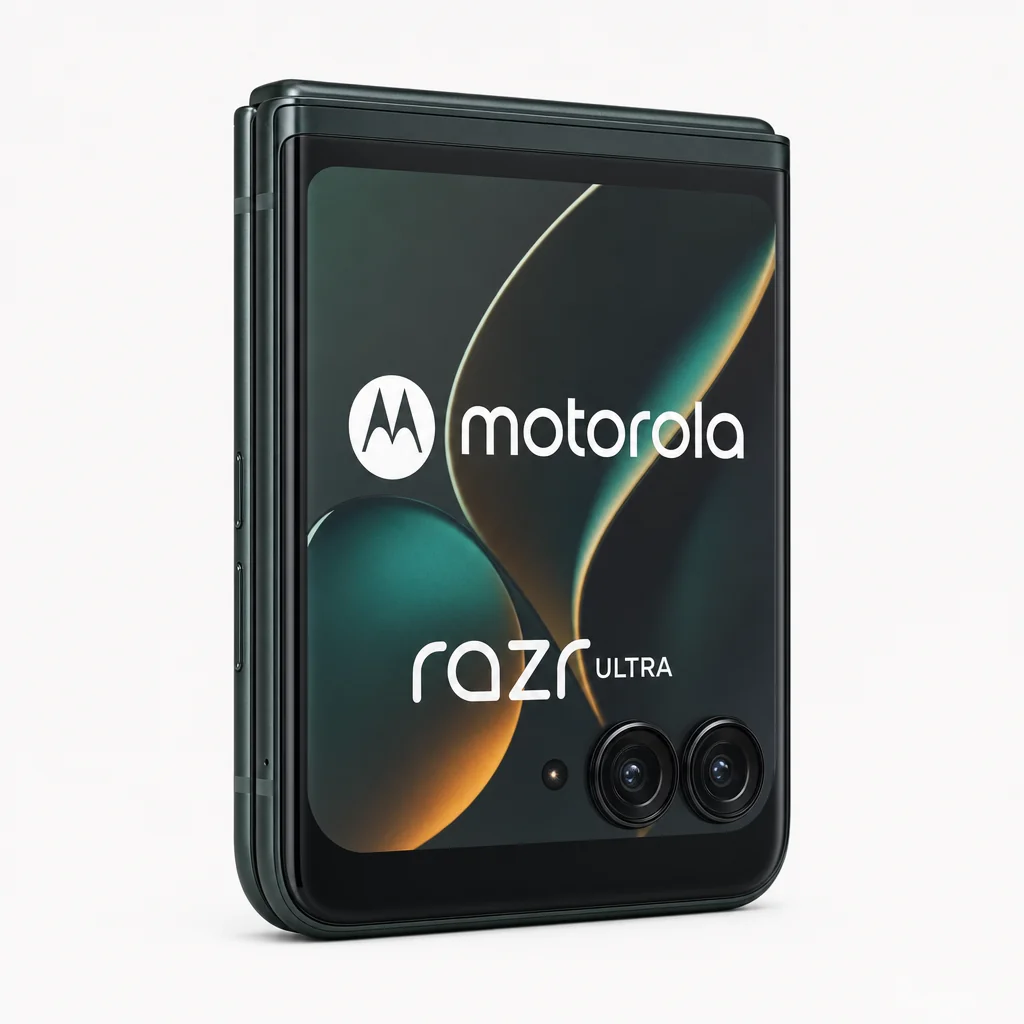
- Its Snapdragon 8 Elite was a 2025 flagship rather than the newer Gen 5 chip.
- It is heavier than the Flip8 at 199g against 180g.
- The flagship package cost more in the US.
I would not buy either phone solely on processor branding. The real-world difference is more nuanced: Samsung offers newer silicon in some markets and a long update commitment, while Motorola offers more memory and a proven flagship platform. If you are in the UK or Europe, do pay attention to which Flip8 chipset you are actually being offered. It is a detail that deserves more than the small print.
Battery & Charging: The Endurance Arms Race
This is Motorola's most satisfying hardware win. The Razr Ultra has a 5,000mAh silicon-carbon battery, while the Galaxy Z Flip8 has a 4,300mAh silicon-carbon battery. That is a 700mAh advantage for the Razr, or roughly 16% more capacity. In a clamshell foldable, where space is always at a premium, that is a substantial gap.
Samsung deserves credit for getting to 4,300mAh in a body just 6.1mm thick when unfolded. The Flip8 was Samsung's first phone to adopt a silicon-carbon battery, using the chemistry's higher energy density to improve capacity without turning the phone into a brick. Motorola also used silicon-carbon technology, but it leaned harder into sheer capacity.
The surprise is that the headline video-playback results ended up remarkably close. Samsung claimed up to 31 hours of continuous playback in its internal lab testing on the main screen. Engadget's video playback test recorded 31 hours for the Razr Ultra. Those are not directly identical test methodologies, so it would be silly to call it a statistical draw. Still, they make one useful point: the Motorola's capacity advantage did not automatically translate into a higher published playback number than Samsung's claim.
Charging is less ambiguous. Samsung supports 25W wired and 15W wireless charging, plus Wireless PowerShare for accessories. Motorola supports 68W wired, 30W wireless and reverse charging. The Razr Ultra charges at nearly three times the stated wired wattage and doubles Samsung's wireless figure. If you are the person who remembers their phone is low only when they are putting shoes on, Motorola is plainly the friendlier device.
Battery verdict
The Flip8 is impressive because it reaches 4,300mAh while weighing just 180g. The Razr Ultra is the choice for battery-first buyers because it combines 5,000mAh with 68W wired and 30W wireless charging. Capacity, charging and hardware flexibility all point the same way.
Both phones use silicon-carbon batteries, but Motorola combines its larger 5,000mAh pack with substantially faster wired and wireless charging.
Camera Hardware: Samsung's Restraint vs Motorola's 50MP Trio
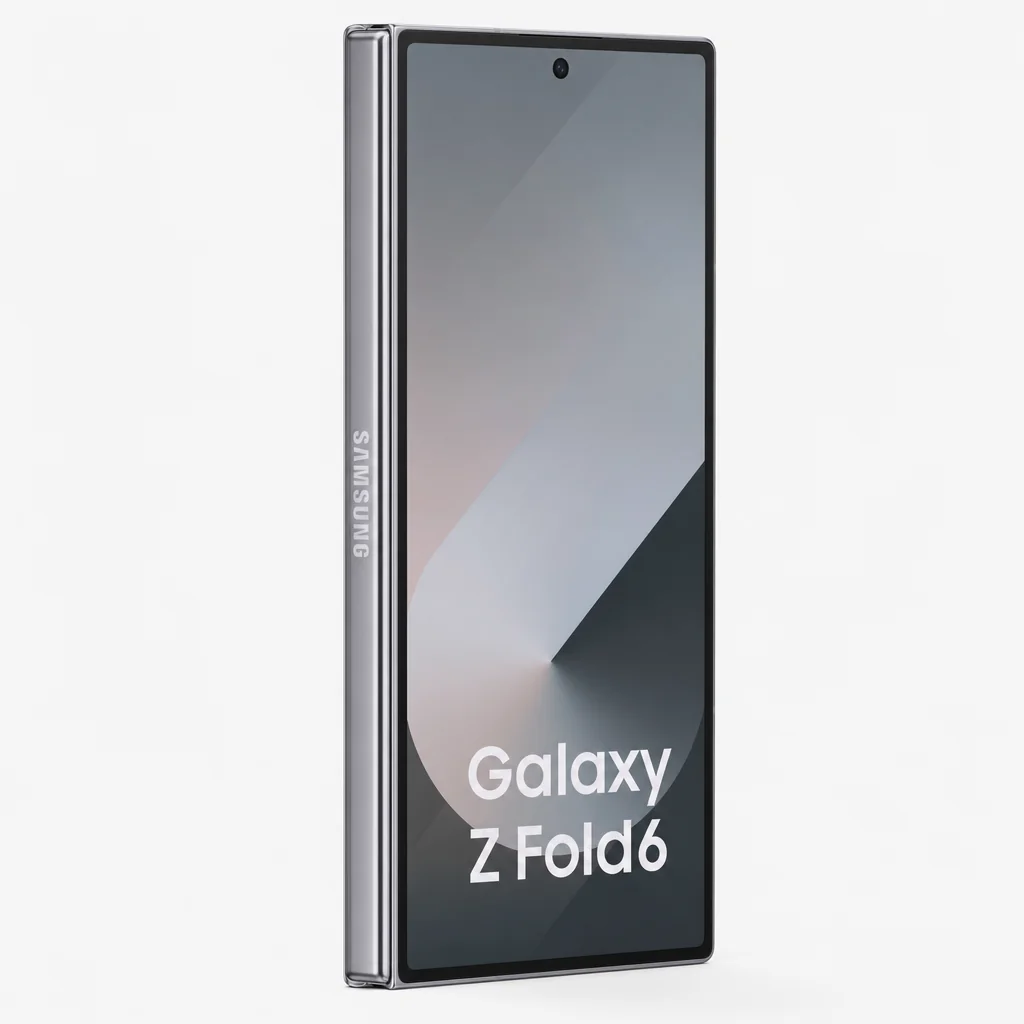
Camera specification is another place where the two companies tell different stories. Samsung equipped the Galaxy Z Flip8 with a 50MP main camera, 12MP ultrawide and 10MP selfie camera. Motorola used 50MP main, 50MP ultrawide and 50MP selfie cameras on the Razr Ultra.
On numbers alone, Motorola's setup is more aggressive. The 50MP ultrawide is a much larger headline than Samsung's 12MP equivalent, and the 50MP selfie camera gives the Razr an unusually consistent-looking camera specification. But phone photography is never settled by megapixel counts alone. Processing, sensor quality and the way each camera behaves in difficult light matter enormously, and the headline figures do not answer those questions by themselves.
What both phones do very well by design is use their folding form as part of the camera experience. The external screen can act as a viewfinder, so you can use the main cameras without relying on somebody else to tell you whether the framing is wildly unflattering. This is a small, practical win that regular phones cannot match without a second screen.
For buyers comparing only confirmed hardware, Motorola takes the spec-sheet point. For buyers who care about the broader device, Samsung's camera arrangement is still a proper flagship setup, and the thinner 180g body is a more compelling trade-off than another giant number for some people.
Design, Durability and the Pocket Test
Foldables live or die by the pocket test. They must feel compact when closed without becoming ungainly when open, and that is where Samsung's engineering has a real advantage. The Galaxy Z Flip8 measures 166.9 × 75.4 × 6.1mm unfolded and 85.7 × 75.4 × 13.1mm folded. It weighs 180g.
The Razr Ultra is 7.19mm open and 15.69mm closed, weighing 199g. Those are not outrageous dimensions — this remains a clamshell rather than a mini tablet — but Samsung's 19g weight advantage and thinner profile will be noticeable to anyone who carries their phone in a trouser pocket or small bag.
Both carried an IP48 rating. Motorola has an additional talking point in Gorilla Glass Ceramic 3 on its cover screen, described as delivering over 75% better drop performance than the previous generation. That is reassuring because the outer panel is exposed whenever the phone is closed, which is rather a lot of the time for a phone built around being closed.
The Galaxy Z Flip8 is 1.09mm thinner when unfolded and 2.59mm thinner when folded than the Razr Ultra. Its 19g weight advantage is just as relevant as those millimetres in everyday use.
Samsung wins this category for the person who wants a foldable that feels as little like a compromise as possible when carried. Motorola wins a different sort of durability argument with its Ceramic 3 cover glass. It is a fair split: portable minimalism versus tougher outer-screen protection.
The Galaxy Z Flip8's 180g weight and 13.1mm folded thickness give Samsung a meaningful portability advantage over Motorola's 199g Razr Ultra.
Price and Storage: Where the Value Argument Changes by Market
The Galaxy Z Flip8 started at $1,199 in the US for the 12GB/256GB model, rising to $1,399 for 12GB/512GB. The Motorola Razr Ultra 2026 carried a $1,499.99 US MSRP, so Samsung undercut Motorola's flagship by $300 at entry level.
In the UK, the Galaxy Z Flip8 was priced at £1,149, while the Motorola Razr 70 Ultra — the UK name for the Razr Ultra — was £1,199 in May 2026. That makes the difference much narrower at £50, although it is important that Motorola's phone included 512GB storage while the stated Galaxy Z Flip8 price was for 256GB.
That last bit is where value gets interesting. In America, the Flip8 has a major price advantage, yet the Razr Ultra gives you 16GB RAM and 512GB storage as its standard configuration. In Britain, Motorola costs only £50 more than the stated Flip8 256GB price while offering more memory, more storage, a larger battery and much faster charging. Suddenly, the Razr is not the expensive indulgence it first appears to be.
Galaxy Z Flip8
US starting price for 12GB / 256GB.
Galaxy Z Flip8
UK price stated for the 256GB model.
Motorola Razr Ultra 2026
US MSRP with 16GB RAM and 512GB storage.
For context, Motorola's wider 2026 razr range started at $799.99 for the razr and $1,099.99 for the razr+. Those are useful alternatives if the Ultra's price has you gently closing the browser tab. But against the Galaxy Z Flip8, the Ultra is the direct premium competitor, and it makes a persuasive value case in the UK precisely because its storage configuration is more generous.
Galaxy Z Flip8 vs Motorola Razr Ultra 2026: Who Wins Each Category?
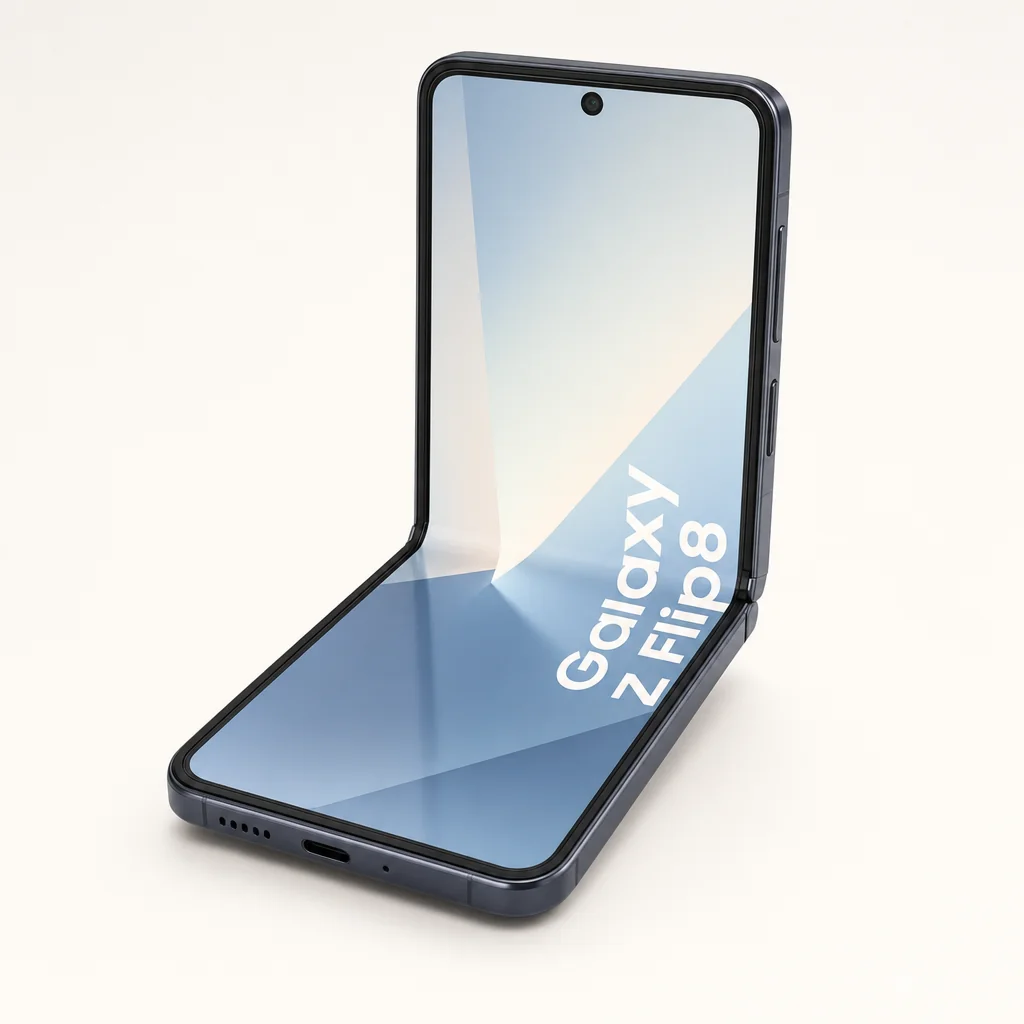
It is tempting to declare one winner and be done with it. That is also how you end up recommending a 199g phone to someone whose main reason for buying a clamshell was making their pocket less miserable. The better answer is category-by-category.
- Cover screen: Motorola Razr Ultra 2026. Samsung's 4.1-inch 120Hz panel is excellent, but Motorola's app usability and 3,000-nit peak brightness make the closed-phone experience stronger.
- Main display: Motorola Razr Ultra 2026. Its 7.0-inch 2992×1224, 165Hz screen with 5,000-nit peak brightness has the bigger numbers across the board.
- Portability: Galaxy Z Flip8. At 180g, 6.1mm unfolded and 13.1mm folded, it is the more elegant carry.
- Battery and charging: Motorola Razr Ultra 2026. The 5,000mAh capacity, 68W wired and 30W wireless charging are decisive.
- Software longevity: Galaxy Z Flip8. Samsung promised seven years of OS updates.
- Camera hardware: Motorola Razr Ultra 2026. Its three 50MP cameras are the bolder specification.
- US entry price: Galaxy Z Flip8. It began $300 below the Razr Ultra.
- UK hardware value: Motorola Razr Ultra 2026. At £50 more than the stated 256GB Flip8 price, it includes 16GB RAM and 512GB storage.
The buying decision comes down to priorities: Samsung's lighter body and software promise versus Motorola's battery, display and storage-heavy package.
Best For: The Right Flip Phone for Different Buyers
Here is the part that matters more than a single crown. Both are high-end clamshells, but they suit different kinds of people. Pick the phone that solves your actual annoyance, not the one that wins the loudest spec-sheet argument.
Motorola Razr Ultra 2026
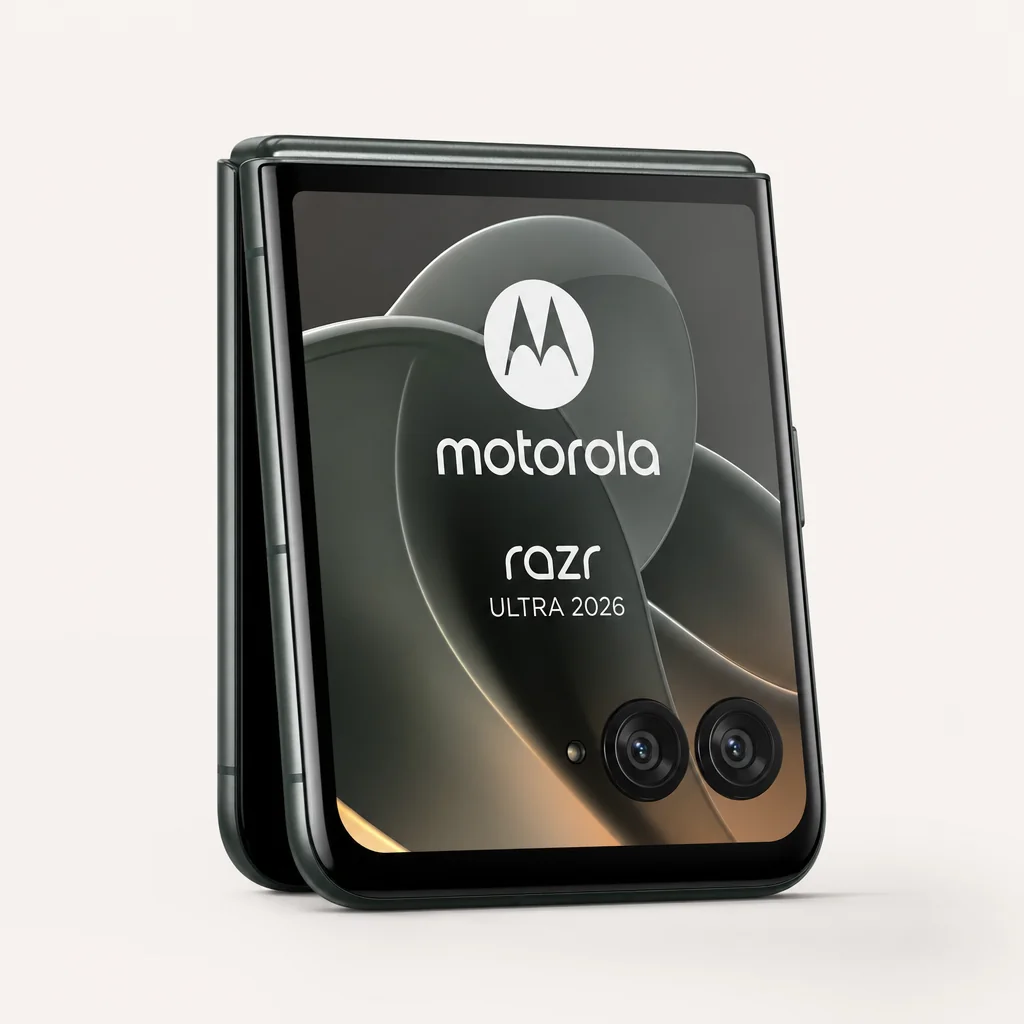
For buyers who want the strongest display hardware, the best cover-screen experience, 5,000mAh battery, 68W charging, 16GB RAM and 512GB storage.
Galaxy Z Flip8
See Galaxy Z Flip8 on Amazon UK
£1149.00price at 23 Aug, may change
For anyone who wants a foldable that is genuinely lighter and slimmer: 180g, 6.1mm unfolded and 13.1mm folded.
Galaxy Z Flip8
For buyers who value Samsung's promise of seven years of OS updates and want Android 17 with One UI 9 from the outset.
Motorola Razr Ultra 2026
For the perpetually low-battery crowd: 5,000mAh, 68W wired charging and 30W wireless charging are the practical headline acts.
Galaxy Z Flip8
For a lower entry cost, starting at $1,199 versus $1,499.99 for the Razr Ultra.
Motorola Razr 70 Ultra

See Motorola Razr 70 Ultra on Amazon UK
£1149.00price at 23 Aug, may change
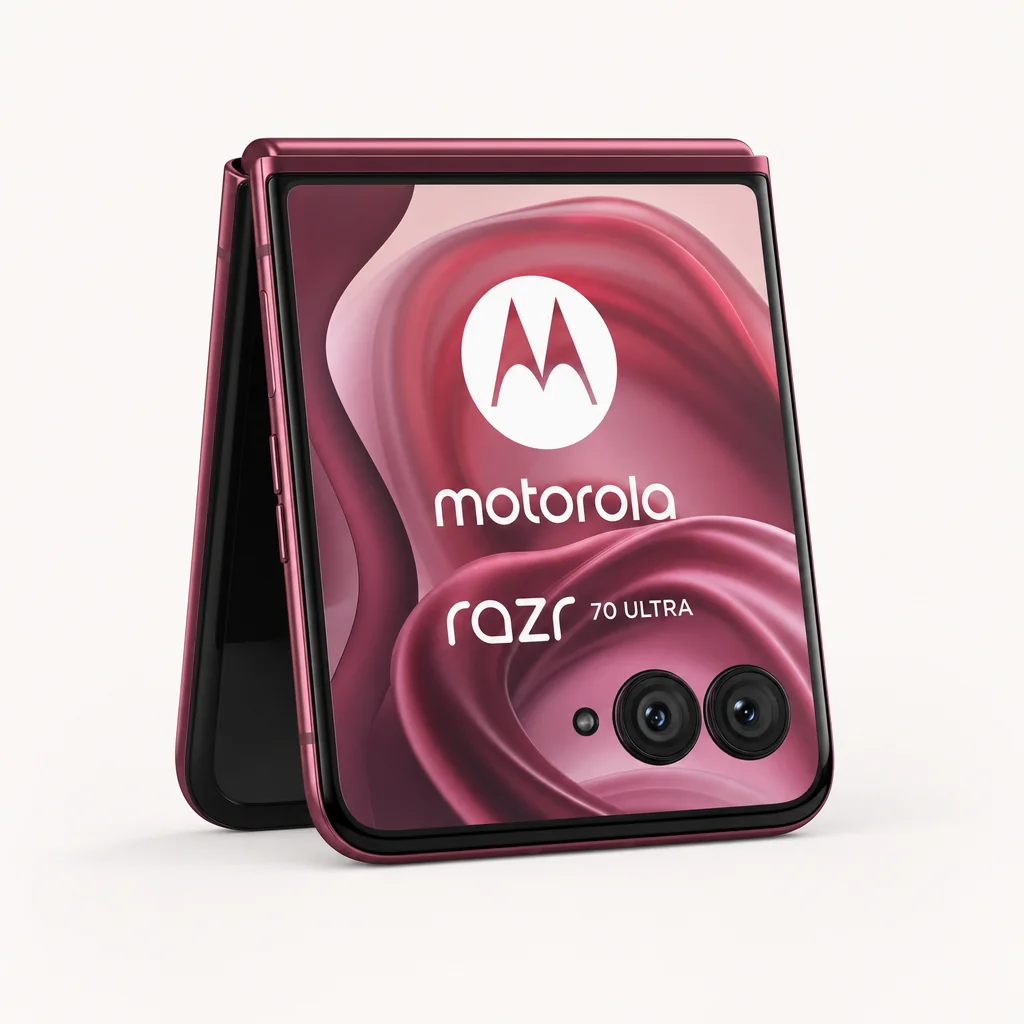
At £1,199, it was only £50 more than the stated £1,149 Flip8 256GB price, while offering 16GB RAM and 512GB storage.
Galaxy Z Flip8 vs Motorola Razr Ultra 2026 FAQ
The Motorola Razr Ultra 2026 has a 5,000mAh silicon-carbon battery. The Galaxy Z Flip8 has a 4,300mAh silicon-carbon battery, so Motorola has a 700mAh advantage.
The Razr Ultra is decisively faster on stated charging specifications: 68W wired and 30W wireless, compared with 25W wired and 15W wireless on the Galaxy Z Flip8.
The Galaxy Z Flip8 is lighter and thinner. It weighs 180g, measures 6.1mm unfolded and 13.1mm folded. The Razr Ultra weighs 199g and measures 7.19mm open and 15.69mm closed.
Yes, by a tiny margin. The Flip8 has a 4.1-inch AMOLED cover screen at 120Hz, while the Razr Ultra has a 4.0-inch outer display. Motorola's panel, however, has a stated 3,000-nit peak brightness.
The Razr Ultra has the stronger raw display specification: 7.0 inches, 2992×1224 resolution, 165Hz refresh rate and up to 5,000 nits peak brightness. The Flip8 has a 6.9-inch 2520×1080 Dynamic AMOLED 2X display with variable 120Hz refresh.
Samsung promised seven years of OS updates for the Galaxy Z Flip8. It also launched with Android 17 and One UI 9.
The figures land at the same 31-hour mark, but they came from different sources. Samsung claimed up to 31 hours of continuous video playback in internal testing, while Engadget recorded 31 hours for the Razr Ultra in its video playback test.
The gap was narrow: £1,149 for the Galaxy Z Flip8 and £1,199 for the Motorola Razr 70 Ultra. Since Motorola included 16GB RAM and 512GB storage, it offers more hardware per pound; Samsung remains the lighter option with the longer stated update promise.
There is no single winner for every buyer: the best clamshell is the one that matches your priorities on weight, battery, screen and price.
Final Verdict: Pick Your Priorities
The Motorola Razr Ultra 2026 is the more extravagant clamshell. It wins on main-display specification, cover-screen usability, battery capacity, charging speed, RAM, storage and camera hardware numbers. If you want the most capable closed-phone experience and hate nursing a battery through the day, it is the better buy.
The Galaxy Z Flip8 is the more considered choice for portability and long-term ownership. It is 19g lighter, meaningfully thinner when open and shut, starts $300 cheaper in the US, launched with Android 17 and carries Samsung's seven-year OS update promise. If you want a flip phone because you want less phone in your pocket, not more spec in your hand, Samsung's slimmer Flip8 is the one to buy.
So: Razr Ultra for the hardware maximalist. Galaxy Z Flip8 for the minimalist who still wants a flagship. A rare draw, really — just with very different reasons to win.