
Samsung Splits Fold 8 Into Standard and Ultra Tiers
Samsung’s latest foldable range separates its book-style handset into a wider £1,699 Fold8 and a thinner, productivity-led Fold8 Ultra.
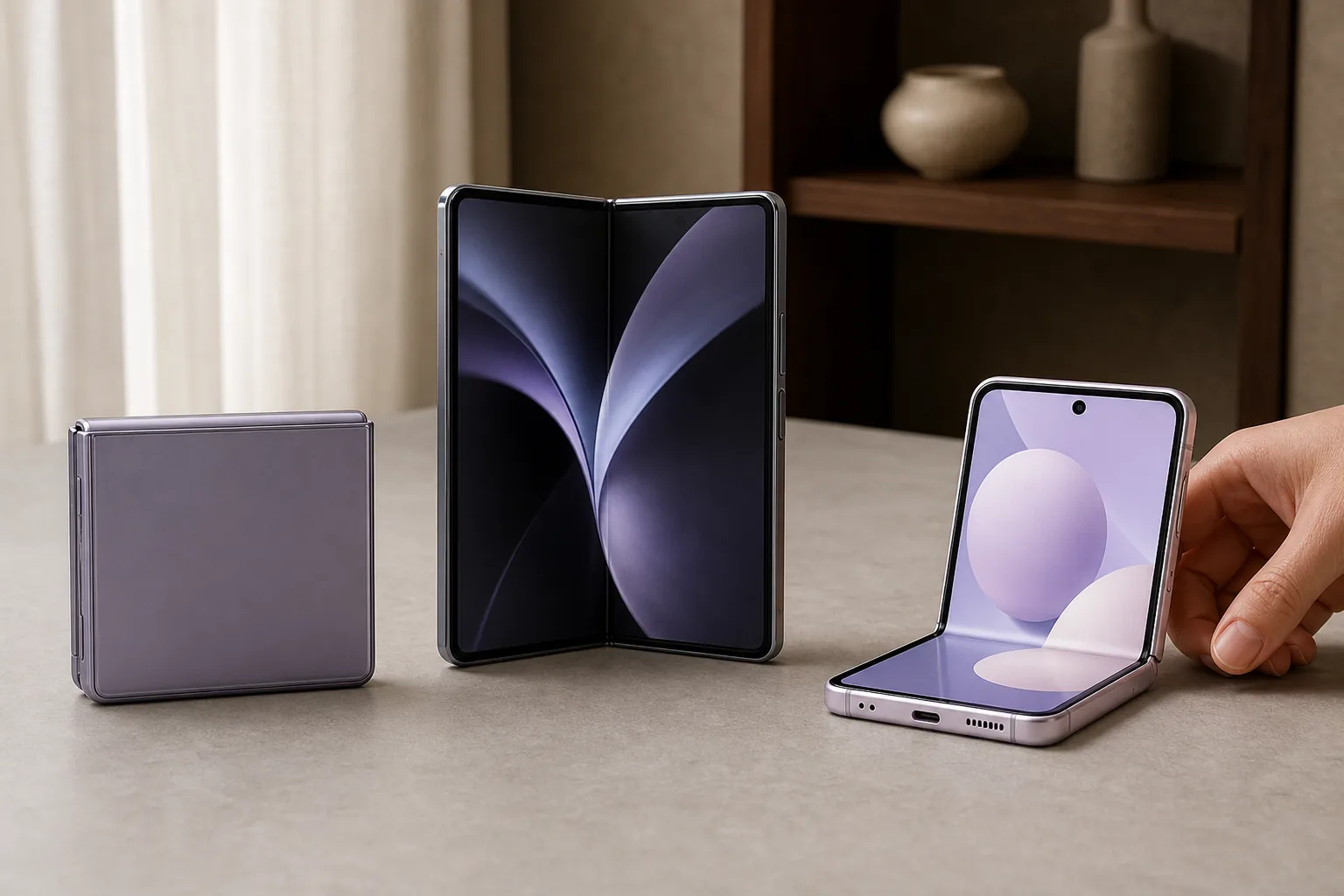
What you need to know
- Samsung has split its book-style Fold range into a standard Galaxy Z Fold8 and higher-spec Galaxy Z Fold8 Ultra.
- The standard Fold8 is Samsung’s lightest Fold at 201g, while the Ultra is its thinnest at 4.1mm when open.
- The two Fold models are now on sale in the UK from £1,699 and £1,899 respectively.
Samsung has clarified the shape of its new foldable strategy: the Galaxy Z Fold8 is no longer a single flagship proposition, but a two-tier book-style range made up of a compact, wider standard Fold8 and a thinner, more traditionally shaped Galaxy Z Fold8 Ultra.
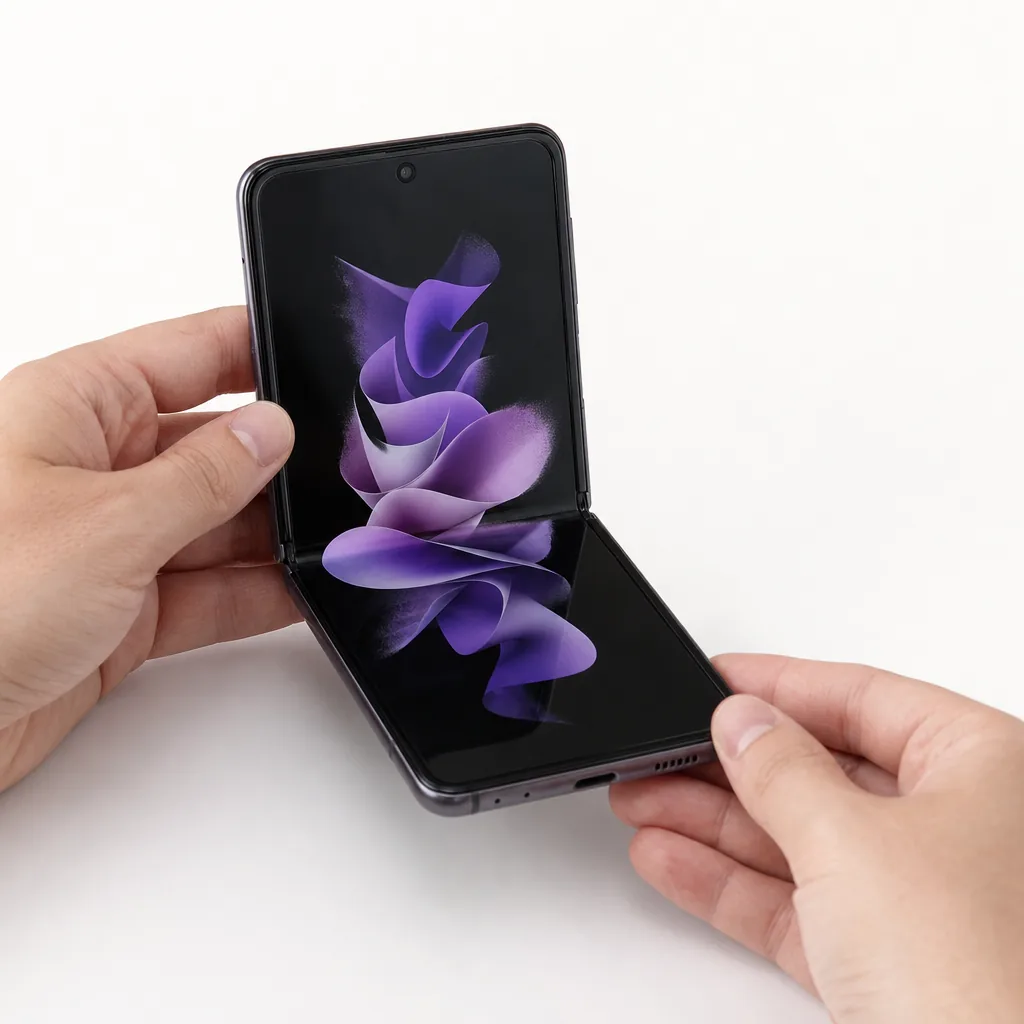
The distinction is more than branding. The standard Galaxy Z Fold8 measures 4.5mm when unfolded and 9.7mm when folded, while the Fold8 Ultra is 4.1mm thick when open. Samsung says the Ultra is its thinnest Galaxy Z Fold yet, whereas the 201g standard Fold8 becomes its lightest Fold to date.
As previously reported, Samsung unveiled the eighth-generation Galaxy Z series at its Galaxy Unpacked event in London on 22 July, alongside Galaxy Glass and the Galaxy Watch9 series. Pre-orders opened that day, and the phones went on general sale in the UK and US on 7 August.
A Fold range with two different jobs
The Fold8 Ultra is the direct successor to the Galaxy Z Fold7. It retains the tall, narrow book-style approach familiar from Samsung’s Fold line, with a 6.5-inch cover display and an 8-inch foldable inner screen. Its cover display is protected by Gorilla Glass Ceramic 2.
It is powered by Qualcomm’s Snapdragon 8 Elite Gen 5 for Galaxy processor and has a 5,000mAh battery. Camera hardware is also a major dividing line: the Ultra gets a 200MP wide sensor and a 10MP telephoto camera with 3x optical zoom.
Samsung has also introduced what it calls Flex Titanium for the Ultra’s foldable display structure. The system combines a stiff titanium-alloy film beneath the OLED panel with a micro-patterned titanium support plate. Samsung says this produces a flatter surface and a less visible crease than the Fold7.
The standard Fold8 takes a different route. Its 5.5-inch cover screen is square in character compared with the Ultra’s taller outer display, while its 7.6-inch main screen opens into a 4:3 aspect ratio intended for films and games. Rotate it and the panel switches to 3:4 for reading, while the 10:16 cover display is designed around short-form content.
- The Galaxy Z Fold8 has two 50MP rear cameras: a main camera and an ultra-wide.
- It has no dedicated telephoto camera, although digital zoom reaches 10x.
- It uses the same Snapdragon 8 Elite Gen 5 for Galaxy chip as the Ultra, paired with a 4,800mAh battery.
- According to Uswitch, its display reaches 3,000 nits of peak brightness.
The size change is deliberate. Compared with the Fold7, the standard Fold8’s cover screen falls from 6.5 inches to 5.5 inches, while its internal display reduces from 8 inches to 7.6 inches. The trade-off is a more pocketable device with a different, wider display format rather than a smaller version of the old Fold.
Prices start lower, but the Ultra takes the premium slot
UK pricing starts at £1,699 for the Galaxy Z Fold8, available with 256GB, 512GB or 1TB of storage. The Galaxy Z Fold8 Ultra costs £1,899 with 256GB, £2,069 with 512GB and £2,319 with 1TB.
That makes the entry Fold £100 cheaper than the £1,799 Galaxy Z Fold7 at launch, even as Samsung places its biggest price tags on the new Ultra. Ben Wood, chief analyst and chief marketing officer at CCS Insight, said Samsung’s restraint was notable amid rising memory-chip costs.
“That underlines the fact that Samsung is keen to maintain a competitive price point.”
Wood also said the Ultra’s more-than-$2,000 US price would be a “talking point”. Samsung has traditionally sold a Fold and a Flip each year; this is its first three-way foldable split, with the new Ultra positioned as the top performance and user-experience model.
The Flip remains the compact alternative
The third member of the family is the Galaxy Z Flip8, Samsung’s lightest and thinnest Flip so far at 180g and 6.1mm. It has a 4.1-inch cover screen, a 6.9-inch main display and a 4,300mAh battery. Samsung’s Exynos 2600 processor will power the Flip8 in select regions.
All three phones use Armor Aluminum frames, carry IP48 water and dust resistance, support Wi-Fi 7 and satellite messaging, and run Android 17 with Samsung’s One UI 9 software and Galaxy AI features.
What UK buyers should watch next
Early demand may complicate immediate buying decisions. There have been reports of Galaxy Z Fold8 pre-order stock selling out across colour and storage combinations, alongside delayed delivery timelines. The available information does not confirm which individual UK colours or storage versions are affected.
The Fold8 comes in Lavender, Graphite and Cream, with Pistachio exclusive to Samsung.com and Samsung Experience Stores. The Ultra is offered in Violet Shadow, Graphite and Cream, plus Green Shadow through those Samsung channels. With Apple widely expected to enter foldables later in 2026, Wood described this as a significant year for the category: “2026 is a huge year for foldables with the near certainty that Apple will be unleashing a foldable iPhone iPhone later in the year,” he said.
Why it matters
Samsung’s new split gives UK buyers a more meaningful choice than the previous one-size-fits-all Fold approach. The standard Fold8 is £100 cheaper at entry than last year’s Fold7, but it trades screen size and a telephoto camera for a lighter, wider design. The Ultra preserves the familiar tall book-style format while charging more for the thinner chassis, larger displays and higher-resolution main camera.