
New York bans new large AI data centres for up to a year
Governor Kathy Hochul has signed an executive order halting permits for hyperscale data centres — a US first that could ripple far beyond New York State.
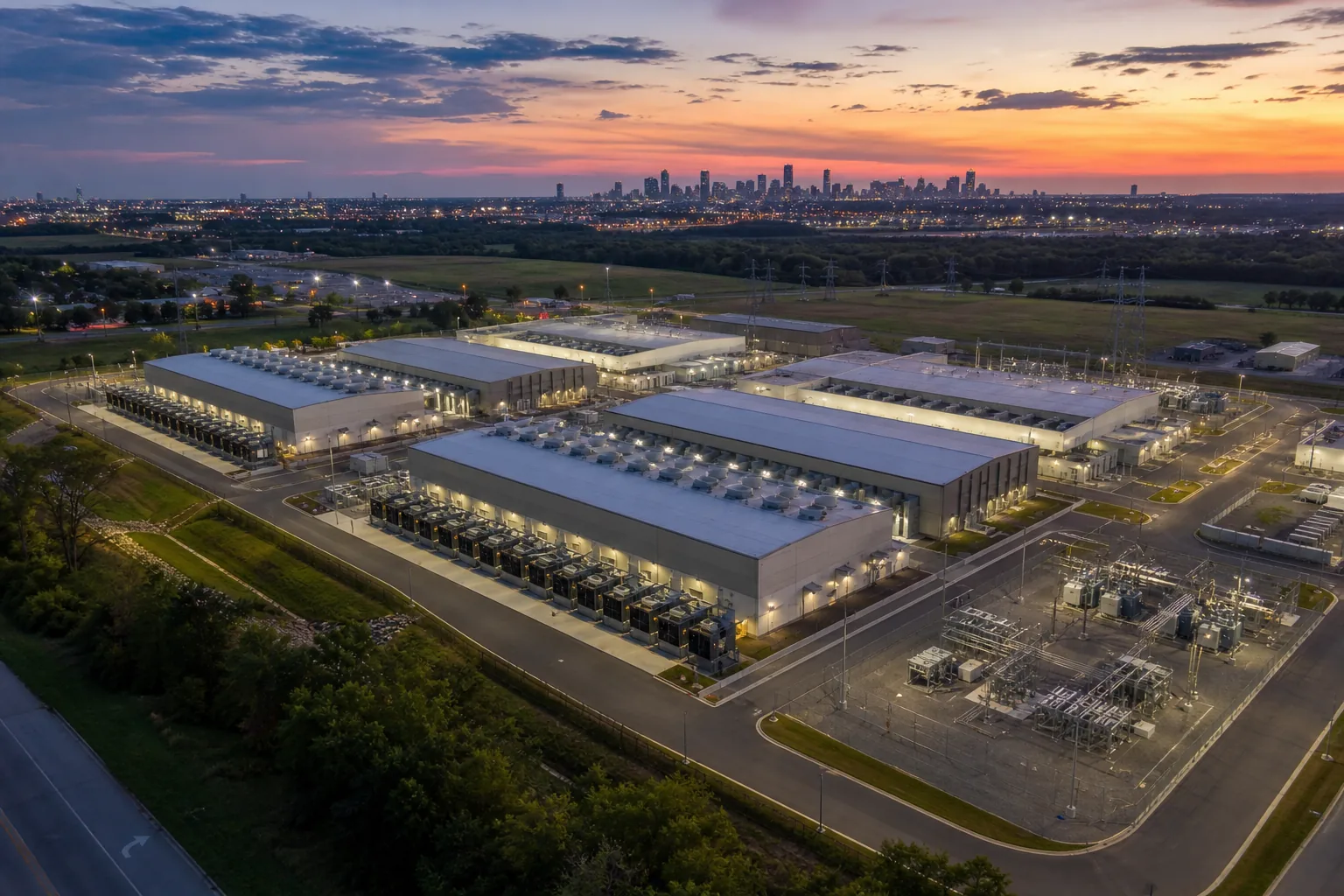
What you need to know
- Governor Hochul signed an executive order on 14 July 2026 pausing permits for data centres using 50 MW or more of power
- The moratorium lasts up to one year while New York builds a new regulatory framework — blocking new projects until approximately July 2027
- Future data centre operators will face new costs including paying higher grid-access rates or generating their own electricity
New York becomes first US state to ban new hyperscale data centres
New York Governor Kathy Hochul signed an executive order on Tuesday, 14 July 2026, imposing a moratorium on the construction of new large-scale data centres — making New York the first state in the nation to take such a step. The order bars state environmental permits for any new data centre drawing 50 megawatts or more of power, and will remain in force for up to one year, blocking new projects until approximately July 2027.

The 50 MW threshold is significant: that is enough electricity to supply between 9,000 and 40,000 homes. Hochul announced the move in New York City, framing it as a necessary pause to protect ordinary residents from soaring energy bills driven by the explosive growth of AI computing infrastructure.
"These hyperscale AI data centres consume enormous amounts of power, truly threatening to outpace our grid's capacity," Hochul said. "They drive up costs for local ratepayers, and I refuse to let those costs get passed down to New Yorkers."
How the moratorium works
The executive order instructs New York's Department of Public Service to develop a Generic Environmental Impact Statement (GEIS) — a process expected to take up to a year. While that work is under way, the Department of Environmental Conservation will not issue discretionary permits for new data centre projects unless an application has already been deemed complete before the order took effect.
The GEIS will examine the full environmental footprint of large data centres, including their effects on energy demand, water use and quality, and air quality. Once the state finalises its new standards, the moratorium will be lifted and new projects can proceed — subject to compliance with state, zoning, and local approvals.
"This pause will remain in place for up to one year, while New York establishes the strongest possible framework to protect our communities," Hochul said. "Guardrails to reduce the risk to our energy grid, minimise land disruption, noise pollution, and protect our natural resources, especially our water supply."
New financial obligations for data centre developers
The moratorium comes alongside a package of accompanying measures that would permanently reshape how data centres operate in New York. Under Hochul's plan:
- Future data centre operators must either generate their own electricity or pay higher rates to access the grid, rather than pushing infrastructure upgrade costs onto residents.
- A new fund would require developers to help finance upgrades to New York's ageing electricity grid, invest in clean energy projects, or contribute to a consumer protection insurance pool.
- Hochul is pursuing legislation to repeal sales tax exemptions currently enjoyed by large data centres.
- Empire State Development has been directed to issue a Community Investment Framework within 60 days, giving local authorities guidance on negotiating benefits — including infrastructure improvements, childcare investments, and direct community payments — from any large-scale data centre deal.
"New York will require data centres to either produce their own energy or pay a premium to tap into our grid," Hochul said.
Why New York reached this point
The backdrop to Tuesday's order is a dramatic surge in demand for grid connections. New York's grid operator NYISO reported that its large-load interconnection queue grew from just six projects totalling roughly 1,045 MW in 2022 to 48 proposals totalling approximately 12 GW by the end of 2025 — with more than 8.3 GW of that entering the queue in 2025 alone. At the same time, New Yorkers have seen their electricity bills climb nearly 68% since 2019, and in April 2026 the state's residents were paying 56% above the national average per kilowatt-hour, according to the Empire Center think tank.
Earthjustice New York Policy Advocate Liz Moran put the human stakes bluntly: "One in four New Yorkers already can't afford their energy bills, and that's without the rapid buildout of AI data centres."
Not quite what the legislature wanted
Hochul's executive order arrives in place of a bill — the Responsible Data Center Development Act — that both houses of the New York State Legislature passed on 4 June 2026. That legislation, which cleared the Senate 44–16 and the Assembly 102–39, would have imposed a moratorium on data centres of 20 megawatts or more. Hochul's order raises that threshold to 50 MW and omits provisions in the Senate bill that would have mandated third-party audits and required data centre owners to fund local infrastructure programmes directly.
Industry pushback and legal risk
The tech and data centre industry reacted swiftly. Dan Diorio, executive vice president of state policy at the Data Center Coalition, warned that "Gov. Hochul's statewide moratorium on data centres will ensure that those investments, jobs and economic activity flow elsewhere rather than to New York." Legal challenges are considered likely by practitioners in this space, and Hochul's Republican opponent, Nassau County Executive Bruce Blakeman, has argued that local governments — not the state — should negotiate directly with tech companies over data centre projects.
New York is the first state to enact such a ban, though it is not alone in considering one. Maine's legislature passed a similar pause bill, but Governor Janet Mills vetoed it. Vermont Senator Bernie Sanders has proposed a nationwide moratorium, though it has gained little traction in Washington.
What comes next
A Siena Research Institute poll conducted in June 2026 found that 46% of New Yorkers believed the moratorium would be good for the state, against just 21% who thought it would be bad — suggesting Hochul has public opinion on her side, at least for now. The state has up to one year to complete its GEIS and put permanent rules in place. How quickly — and how robustly — that framework emerges will determine whether New York sets a template that other states, and other countries, choose to follow.
Why it matters
For UK readers, this is a bellwether moment: if the world's most influential tech market starts imposing hard limits on AI infrastructure, expect similar policy debates to accelerate in Britain and across the EU. Energy costs and grid stability are already live political issues in the UK, and any slowdown in US data centre buildout could affect where global cloud providers choose to expand next — including whether the UK becomes a more attractive destination, or faces the same pressures sooner than expected.