
Xbox Disc2Digital Tests as Sony Kills Physical Games
Microsoft is internally trialling a feature that converts physical Xbox discs into permanent digital licences — just as Sony confirmed it will stop making game discs entirely from January 2028.
What you need to know
- Sony will stop producing physical PlayStation game discs from January 2028, with all titles moving to digital-only distribution.
- Microsoft is internally testing a feature called Disc2Digital that converts physical Xbox disc games into permanent digital licences tied to a player's account.
- The digital licence transfers automatically if the disc is sold or lent — one disc, one active licence.
Sony ends physical discs; Microsoft quietly tests a lifeline for disc owners
On 1 July 2026, two announcements landed within hours of each other that together mark one of the starkest turning points in console gaming history. Sony confirmed it will halt production of physical PlayStation game discs from January 2028. On the very same day, Microsoft was reported to be internally testing a feature called Disc2Digital — a tool that would let Xbox players convert their physical game discs into permanent digital licences. The timing was, to put it mildly, striking.
What Sony actually announced
Sony's statement, published on the PlayStation Blog, was blunt about its direction of travel. From January 2028, all new first- and third-party PlayStation games will be available exclusively through the PlayStation Store or via digital codes sold at retail. Physical discs will no longer be produced for new releases. Sony said the move would have "no impact" on games already released or launching before the cutoff, but new titles after that date will be files only.
In the company's own words:
"This is a natural direction for Sony Interactive Entertainment to adapt to consumer trends as the general preference for digital media significantly outpaces physical discs. This transition will enable us to align more closely with how most of our community prefers to access and play games today."
Sony pointed to its own figures as justification: roughly eight in ten PlayStation games are now purchased digitally, with digital sales reaching 85 per cent in the fourth quarter of its 2025 fiscal year. US physical game revenue fell to a record low of $1.5 billion in 2025, underscoring the broader industry slide. The same day, Sony also confirmed it will close the PlayStation Store for PS3 and PS Vita from August 2026, in a phased regional rollout. Previously purchased content will remain downloadable "for the foreseeable future," but new purchases will no longer be possible.
The announcement arrived days after Grand Theft Auto 6 fans reacted angrily upon discovering that the game's so-called physical edition would include only a download code in the box, rather than an actual disc — a flashpoint that had already pushed the physical-versus-digital debate to a boil.
What Xbox's Disc2Digital feature would do
According to reporting by The Verge on 1 July, Microsoft is actively testing a feature internally referred to as Disc2Digital. The feature had previously been spotted in Xbox PC app code in May, but The Verge reported that Microsoft is now working on it with internal testers.
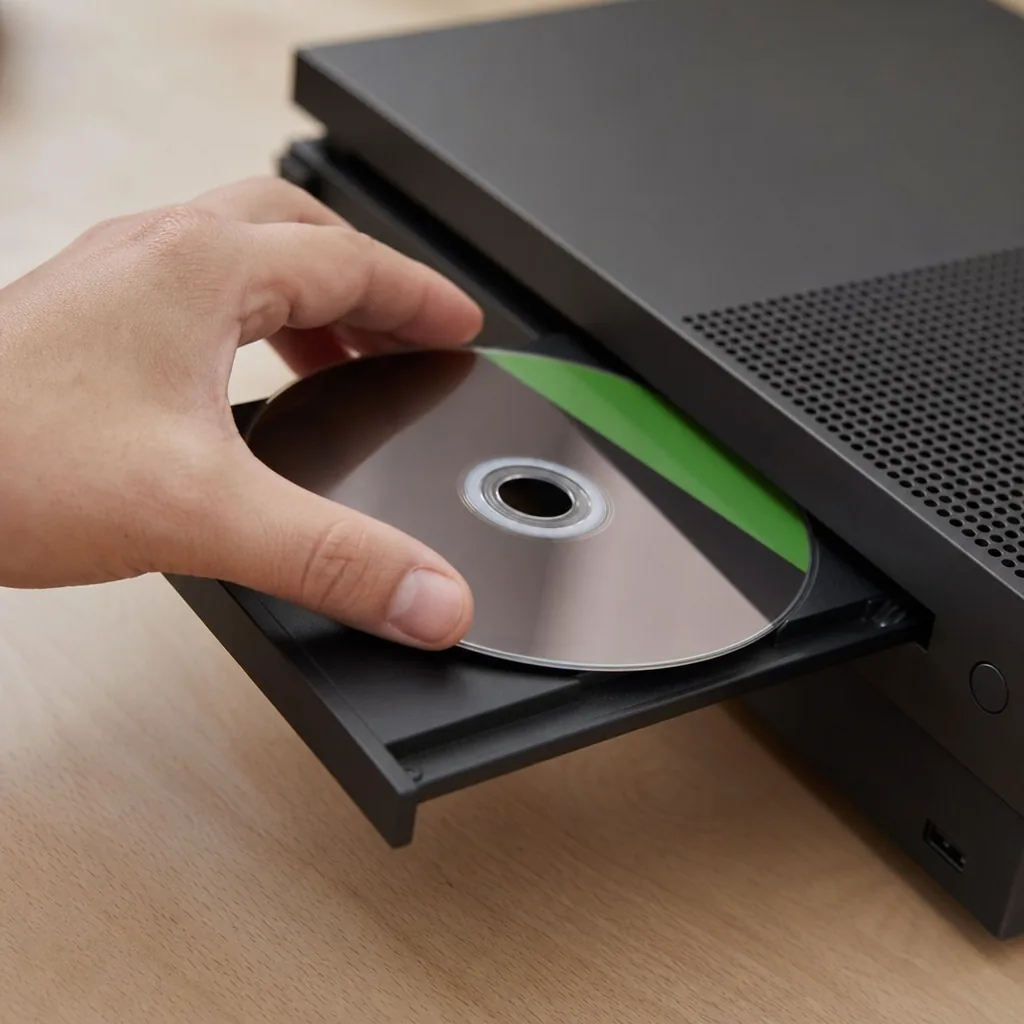
The mechanic is straightforward in principle. A player inserts a compatible Xbox disc into their console, installs the game, and launches it while signed in to their Microsoft account. At that point, they receive a digital licence for that title — effectively the same entitlement as if they had bought the game from the Xbox Store. Once the licence is granted, the disc can be removed and the game played digitally going forward.
If the game supports Xbox Cloud Gaming and the player holds a Game Pass subscription, they will also be able to stream it. Play Anywhere titles would additionally unlock the PC version.
The licence mechanism is designed to prevent duplication. The digital entitlement is tied both to the account and to the specific disc. If the disc is sold or lent to someone else, the digital licence transfers with it automatically — Microsoft's attempt to preserve the principle that one physical copy equals one active licence.
The feature is intended to support Xbox Series X and Xbox One discs. Xbox 360 and original Xbox games are out of scope. Microsoft has also warned internal testers that some Xbox One discs may prove incompatible due to the specifics of how they were manufactured. Multi-disc editions, console bundles, and any DLC included in a bundle are all supported.
Crucially, Disc2Digital is not finished. No public launch date or price has been confirmed.
The Halo jab — deliberate or not?
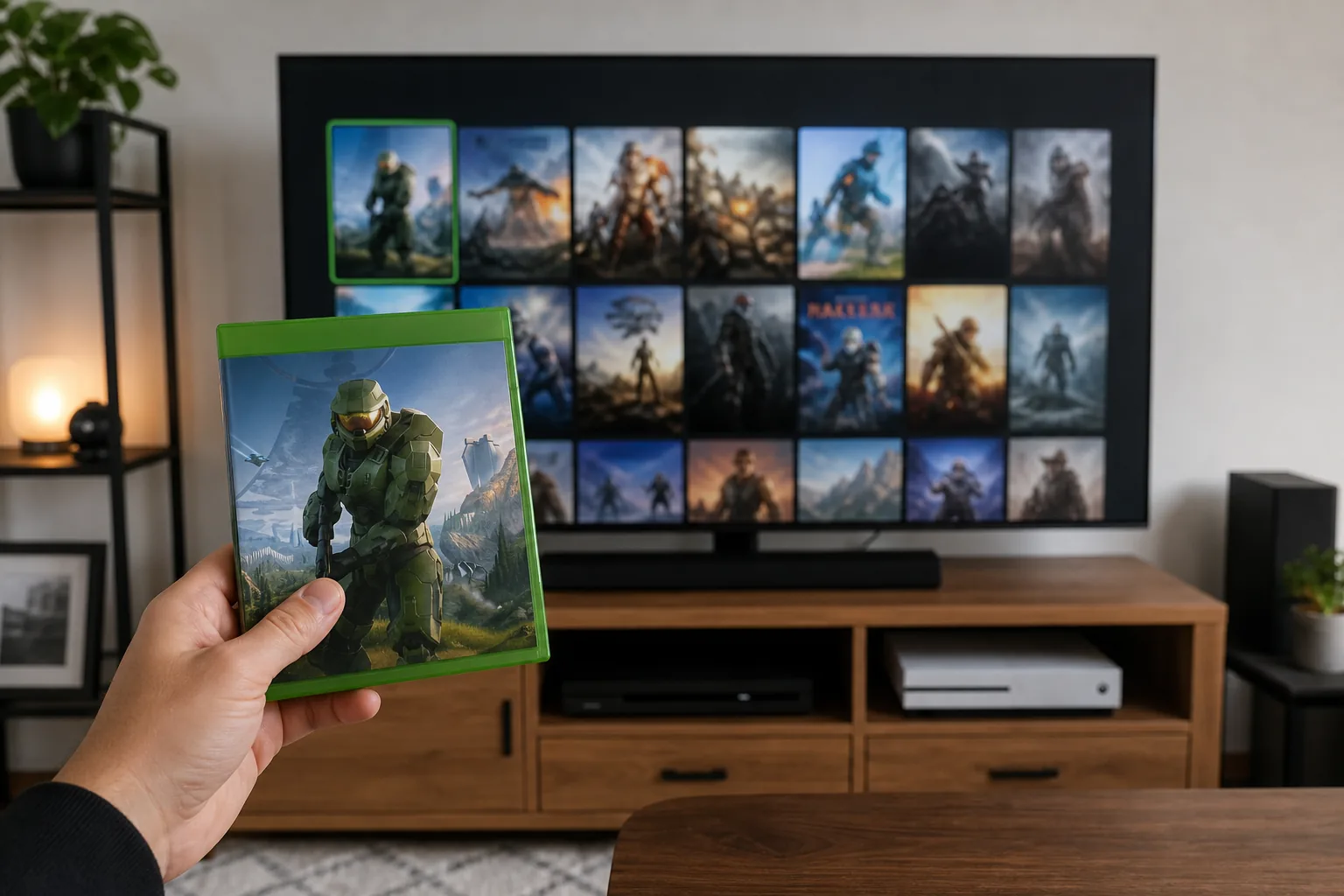
On 2 July, a developer Q&A for Halo: Campaign Evolved — due for release on PlayStation 5, Windows, and Xbox Series X/S on 28 July 2026 — addressed the physical disc question directly. Halo Studios confirmed:
"Yes! Buying the XBOX or PlayStation version of Halo: Campaign Evolved at your local retailer will result in getting the physical game case and disc so that you have tangible items to add to your collection."
The post did not mention Sony by name, but its timing — one day after PlayStation's announcement — and its prominent highlighting of physical disc availability generated almost one million views on the accompanying tweet. Many observers read it as a pointed contrast to Sony's direction, intentional or otherwise. It also drew comparisons to Sony's own famous 2013 moment, when PlayStation executives posted a tongue-in-cheek video mocking Microsoft's then-proposed disc-sharing restrictions on Xbox One. The roles, many noted, have now reversed.
One caveat worth noting: the Halo: Campaign Evolved box includes a reference to a required "content download." The specifics have not been confirmed, but it is widely assumed the game exceeds single-disc capacity and will require an internet connection to download additional content.
What comes next — and why Project Helix changes everything
Microsoft confirmed Project Helix at GDC 2026 — a hybrid console-PC device described by Xbox VP Jason Ronald as capable of running both Xbox console and PC titles. Alpha devkits are expected to ship to developers in 2027, with a consumer launch targeted for the 2027–2028 holiday window. According to Windows Central's Jez Corden, citing multiple sources, Helix is being designed as a digital-only system — though The Verge reports that Microsoft "hasn't fully finalised" whether the device will ship with a built-in disc drive.
If Helix does arrive without a disc drive, Disc2Digital would become the primary bridge for players who own a physical Xbox library. It would not eliminate the inconvenience of moving to disc-free hardware, but it would at least preserve access to owned titles in digital form — something Sony's roadmap currently offers no equivalent of.
- Disc2Digital is in internal testing only — no public release date or UK pricing confirmed.
- Sony's physical disc phase-out takes effect from January 2028 for new releases.
- Halo: Campaign Evolved releases 28 July 2026, with early access from 23 July for Premium and Collector's Edition pre-orders. The Collector's Edition is already sold out.
- Project Helix targets a holiday 2027–2028 launch; whether it includes a disc drive is still not finalised.
Why it matters
For UK buyers with a shelf full of Xbox One or Xbox Series X disc games, Disc2Digital could prove a genuine lifeline — particularly if Microsoft's next-generation Project Helix console ships without a disc drive, as multiple sources suggest is likely. It would mean your physical library doesn't become worthless the moment the hardware changes. Sony's announcement, by contrast, offers no equivalent bridge: once January 2028 arrives, new PlayStation games will exist only as files, and anyone who valued the right to own, lend, or resell a physical copy will simply lose it.