
Meta Opens Muse to Raspberry Pi and DIY Gadgets
Meta’s new open-source SDKs let developers connect its Muse AI agent to ESP32 boards, Raspberry Pi computers and custom smart-home hardware.
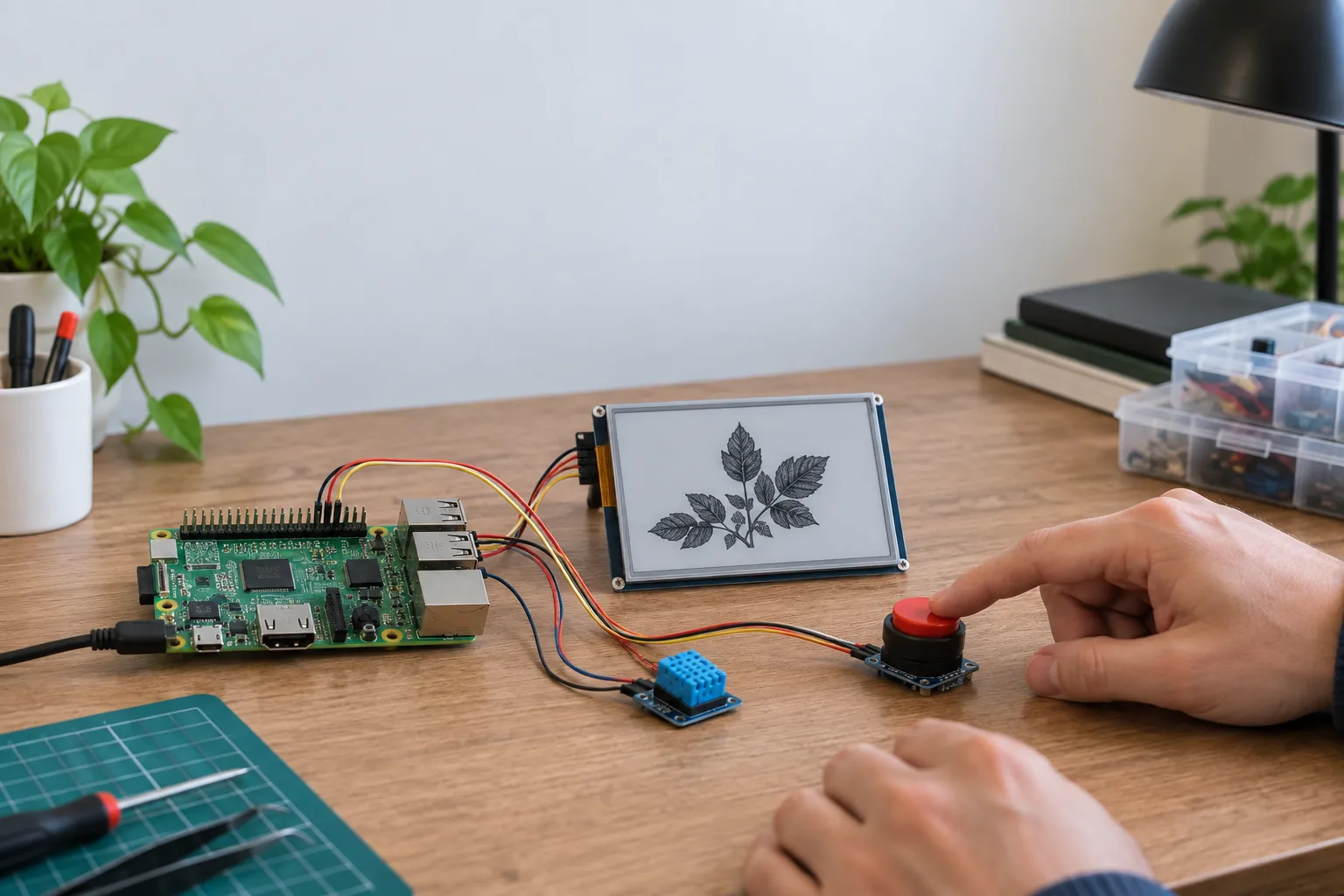
What you need to know
- Meta’s Muse Gadgets SDK supports ESP32 hardware and selected Raspberry Pi and Linux computers.
- DIY devices can add displays, buttons, sensors, audio hardware and home-automation controls to Muse.
- Muse itself has only been confirmed for rollout in the US, with no UK release date announced.
Meta has released Muse Gadgets, an open-source project that allows developers to connect its Muse personal AI agent to custom hardware, including ESP32 boards and Raspberry Pi computers. The project launched on 2 October.
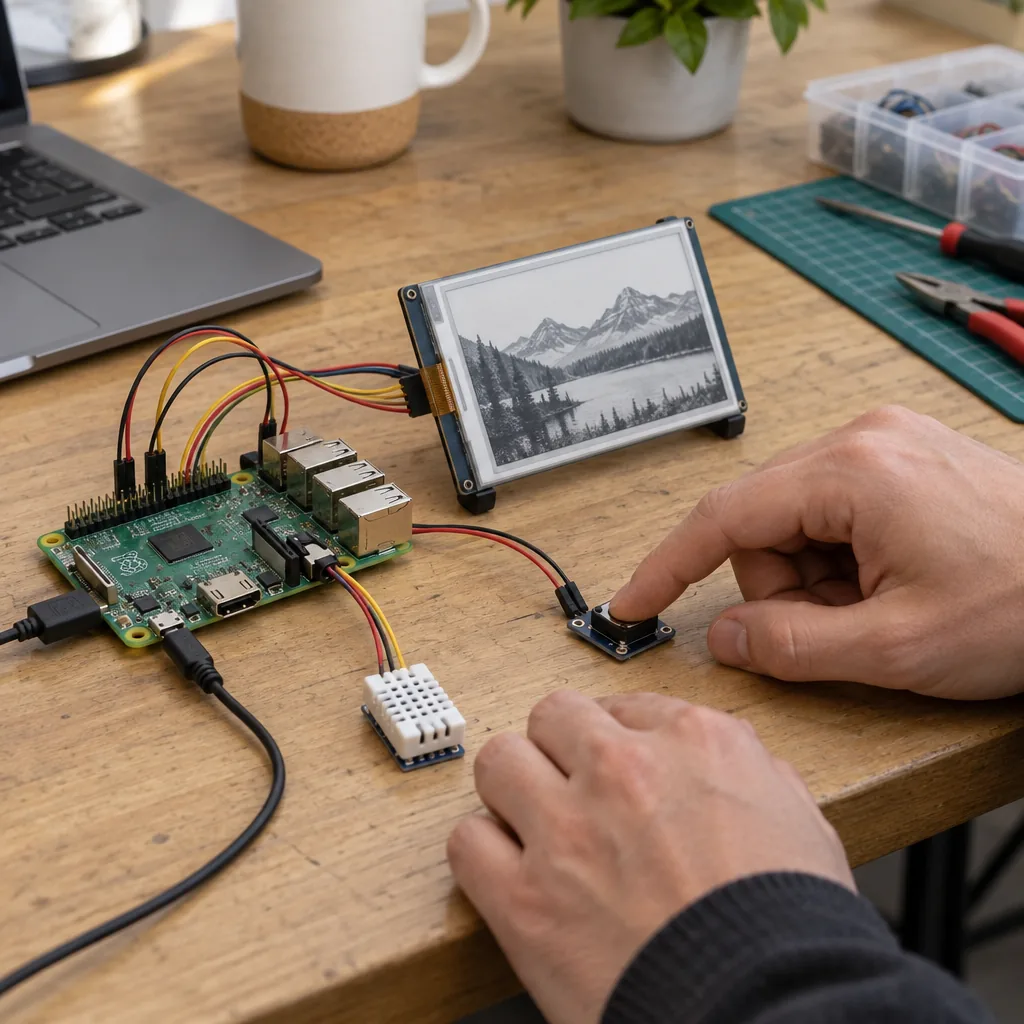
The release includes firmware and an SDK for compatible ESP32 microcontroller boards, plus a Linux SDK for Raspberry Pi 3B+, Pi 4, Pi 5, Pi Zero 2 W and other Bluetooth Low Energy-capable Linux machines. Meta describes the result simply: “Muse gadgets are open source devices you build yourself.”
Hardware becomes a Muse interface
Developers can use the SDKs to connect displays, buttons, sensors, audio hardware, actuators and home-automation systems to Muse. Meta’s ESP32 documentation names the Espressif ESP32-C5 DevKitC-1 as its quickest-start board, while its supported examples include devices from Seeed, M5Stack, Waveshare and Espressif.
On Linux, the integration can run shell commands, read and write files, and report system health data including load, memory, storage and temperature. That opens the door to Raspberry Pi projects for system administration or Home Assistant, alongside smaller ideas such as an e-ink briefing display or push-to-talk gadget.
Meta has also listed a TV HDMI-stick project as coming soon, though it has not confirmed a release date.
Pairing requires Muse access
Every device needs an SDK token from Meta’s Muse gadget service and must be paired through the Muse app on iOS or Android after Developer mode has been enabled. Paired devices appear in the app with names beginning “MuseGadget”.
The code is available on GitHub under the Apache 2.0 licence, and Meta has opened a Discord community for developers. The software itself has no listed price, but users will need to supply their own boards, Raspberry Pi, displays and other components.
Security warnings apply
This is experimental software rather than a consumer plug-and-play platform. Meta warns that flashing custom firmware can brick a board or void its warranty. For Linux systems, the company says Muse receives the same machine access as the account used for installation; if that account can use sudo, Muse can too.
Meta also advises pairing community-built devices only on a trusted network, as they do not have manufacturer verification.
What it means for UK buyers
Muse Gadgets broadens Meta’s AI agent from apps, the web and messaging into physical controls and displays. For tinkerers, that could make it possible to build a more tailored smart-home interface than the usual off-the-shelf speaker or screen.
There is an important catch for UK users: Meta’s official launch information confirmed Muse rollout in the United States, but no UK release date for Muse has been confirmed. That means the open-source hardware tools are available, while access to the AI service they connect to remains uncertain in the UK.
Why it matters
This could make Muse more useful around the home than a phone-only AI agent, particularly for hobbyists building custom dashboards, voice controls or Home Assistant tools. But it is not a ready-made UK smart-home product: builders need compatible hardware, a Muse token and app access, while UK availability of Muse remains unconfirmed. The Linux integration also deserves care, as Muse can receive the same permissions as the account used to install it.
Sources and evidence (7)
- github.com (other)
- techcrunch.com (other)
- raw.githubusercontent.com (other)
- raw.githubusercontent.com (other)
- about.fb.com (other)
- about.fb.com (other)
- theverge.com (other)