
Xbox Project Helix: Is Microsoft Building a Console-PC Hybrid?
Microsoft has now officially announced Project Helix. Here is what is confirmed, what is still speculation, and whether the hype is justified.
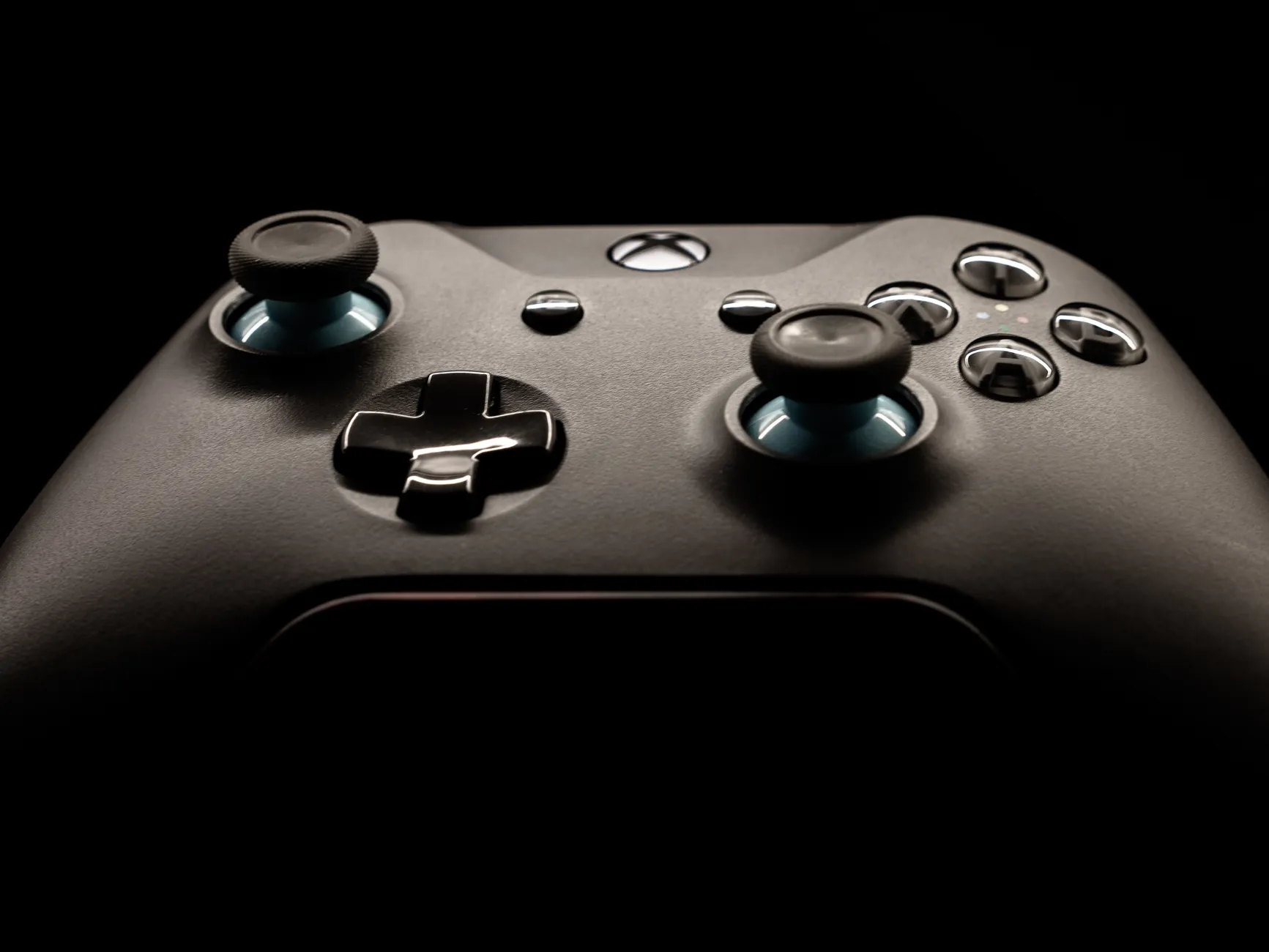
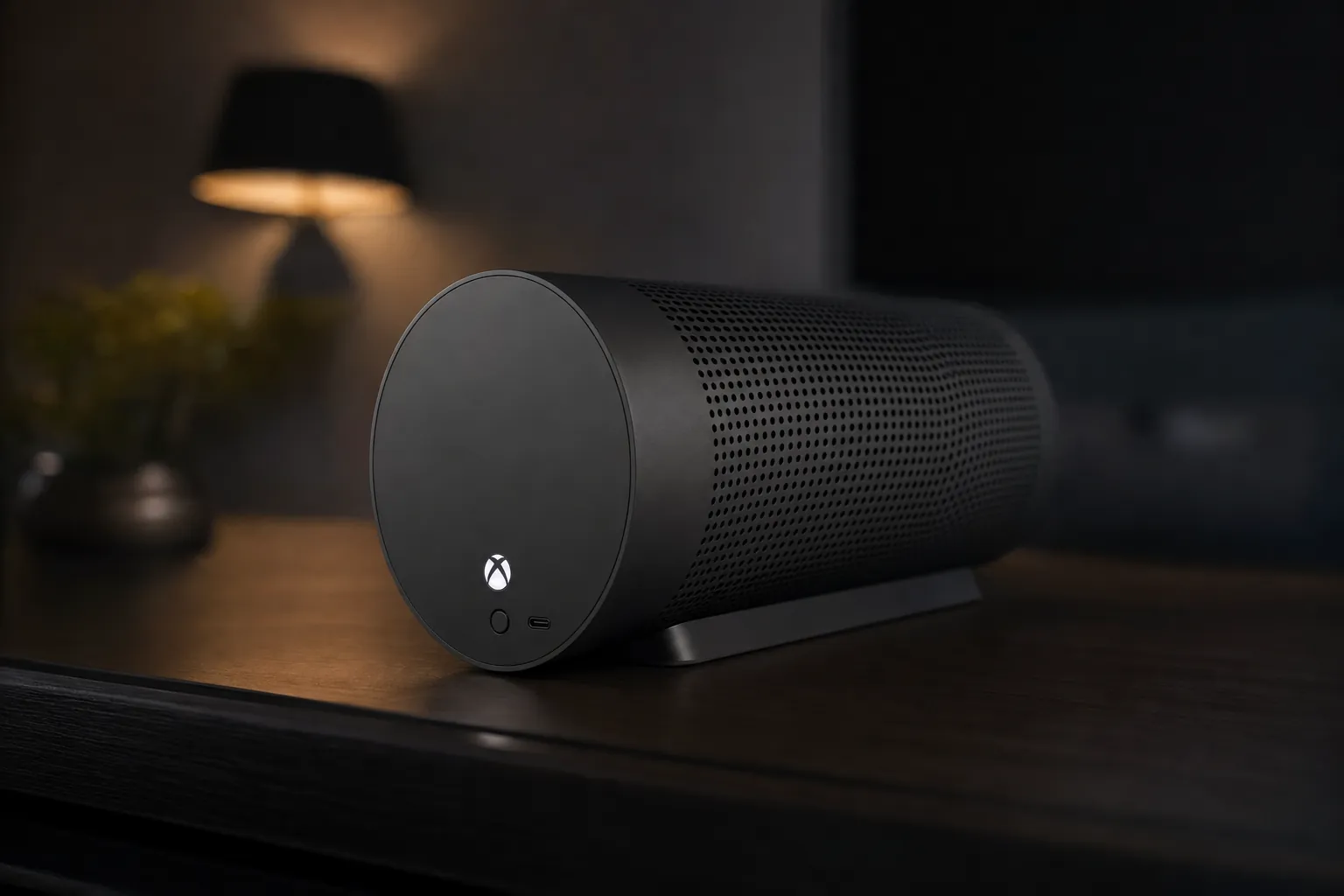 Illustrative concept image, not an official photo
Project Helix is shaping up to be the most ambitious Xbox hardware project yet — if the rumours hold.
Every few console generations, a rumour comes along that genuinely changes how I think about where gaming hardware is heading. Project Helix is one of those. The pitch is deceptively simple: an Xbox that behaves like a console when you want it to, but quietly runs Windows underneath so it can play games from Steam, GOG and the wider PC ecosystem. If Microsoft pulls it off, the line between "console" and "gaming PC" essentially dissolves. So let's dig into what's actually known, what's still speculation, and whether you should be excited or sceptical.
Concept visualisation for illustration — based on rumoured specs, not a confirmed design.
Confirmed versus reported: Microsoft has confirmed custom AMD silicon, console-and-PC game support, FSR Next and developer-alpha hardware in 2027. Retail specifications, compute units, memory capacity, release date and form factor remain unconfirmed.
What Exactly Is Project Helix?
Let's start with the headline, because it's a big one. Project Helix is rumoured to be a hybrid console-PC system — a machine that boots into a console-grade experience but can also run PC games from third-party storefronts including Steam and GOG. That's a fundamental shift from how Xbox has worked since the very first console back in 2001.
Crucially, despite Project Helix being a PC-hybrid, Microsoft are still going to be manufacturing and selling it directly to consumers, exactly like their previous consoles. So this isn't Microsoft quietly stepping back from making hardware and licensing the brand to third-party PC builders. It's a proper, first-party Xbox box — one that just happens to have a far more open relationship with software than any Xbox before it.
There's one model announced, and importantly there's no hint that there are two iterations of the console in the works. That's worth flagging early, because recent Xbox generations have spoiled us with a "premium" and "budget" split — think Series X and Series S. With Helix, at least for now, the story is a single, unified device. That simplicity could be a blessing for developers and buyers alike, though it does raise questions about price accessibility that I'll come back to later.
As of mid-2026, Project Helix has not been released and isn't yet in production. Everything here is built on official teases, developer-facing language and credible leaks — there are no retail units or hands-on benchmarks in existence yet.
The one-line summary I keep coming back to is this: a hybrid device that plays both Xbox and PC games, powered by a custom AMD chip with next-gen ray tracing and AI rendering. That sentence packs in nearly everything that makes Helix interesting, so the rest of this article is essentially me unpacking it piece by piece.
The Headline Specifications
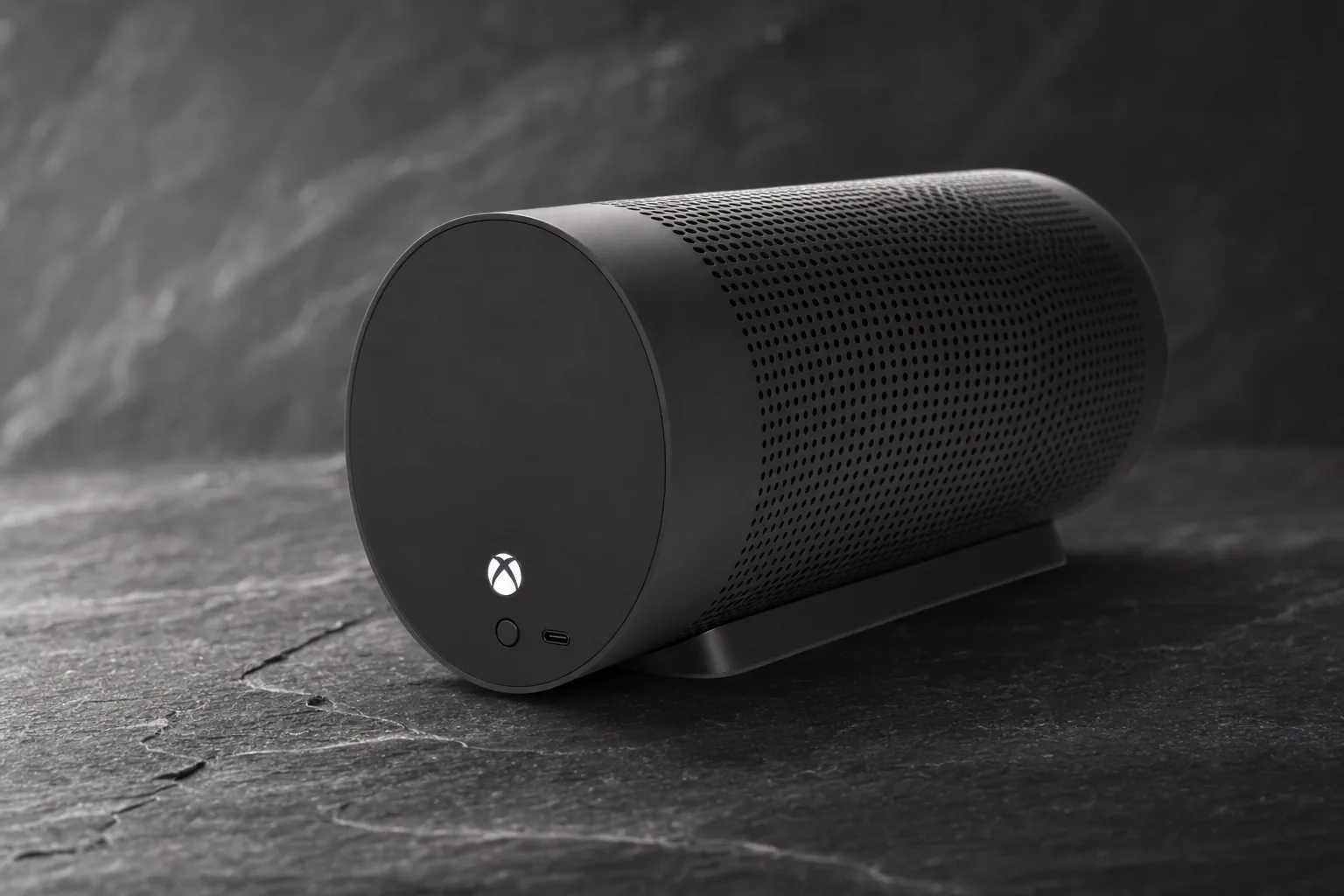
Before we get lost in the philosophy of console-PC convergence, let's ground ourselves in the silicon. The beating heart of Project Helix is a custom AMD system-on-chip codenamed "Magnus", and it's a genuinely modern part rather than a warmed-over version of what's in current consoles.
Let me translate that into plain English. Leaks claim that the unconfirmed 'Magnus' chip may combine RDNA 5 graphics with Zen 6 processing cores — both of which represent generational leaps over the RDNA 2 and Zen 2 architecture inside the Xbox Series X. On top of that you get a dedicated NPU (neural processing unit) for AI workloads, and AMD's brand-new FSR Next upscaling technology baked in at the hardware level.
Leaks claim 68 RDNA 5 compute units; Microsoft has not confirmed that configuration. CU counts aren't directly comparable across architectures — a single RDNA 5 CU does considerably more work than an older one — but as a rough orientation, the Series X runs 52 RDNA 2 CUs. So Helix isn't just adding more units, it's adding more capable ones, and that compounds.
Reports describe an unconfirmed AMD 'Magnus' SoC with RDNA 5, Zen 6 and a dedicated NPU.
Let's Talk About That Memory
The memory configuration is where things get genuinely fascinating, and where I'd urge a little caution. Helix is rumoured to carry 48GB of GDDR7 — an enormous pool by console standards, where 16GB has been the norm this generation. That headroom is brilliant news for next-gen texture budgets, larger game worlds and the AI features Microsoft is leaning into.
But there's a constraint worth understanding: the 192-bit memory bus. This is the single most interesting limitation in the whole spec sheet. 48GB of GDDR7 is wonderfully generous for a console, but that bus width limits bandwidth compared to what discrete desktop GPUs typically offer. In other words, you've got a huge reservoir of memory, but the "pipe" feeding the GPU isn't as wide as a high-end desktop graphics card would have. Whether that becomes a real-world bottleneck depends entirely on how cleverly Microsoft and AMD have engineered around it — and that's exactly the sort of thing only proper benchmarks will reveal.
What about storage?
Storage hasn't been officially confirmed. There's unconfirmed speculation that Helix could support standard NVMe expansion alongside the proprietary expansion cards Xbox owners will be familiar with — which would be a welcome, more open approach — but I'd treat that as a hopeful rumour rather than a promise for now.
The Performance Claims (And Why You Should Be Cautious)
Here's where I have to put my honest-reviewer hat on. The performance numbers floating around Project Helix are eye-watering, but almost all of them are marketing language or leaked estimates rather than measured results. Let me lay out what's actually being claimed, and then talk about how much weight to give it.
The standout claim from Microsoft is that Project Helix "includes an order of magnitude increase in ray tracing performance and capability, beyond what's currently possible with the Xbox Series X and S". An order of magnitude means roughly 10x — and that's a phenomenal jump if it holds up under real testing.
These figures are claims, leaks and rumours — not measured benchmark results. Treat the bar lengths as illustrative.
This is the bit I really want you to internalise: Microsoft's "10x ray tracing" claim is marketing language until someone runs a benchmark. No hands-on reviews or benchmarks exist, because the device isn't yet in production units even for technical reviewers, let alone the public.
Beyond the official line, the leaks get even bolder. While unconfirmed by Microsoft, industry leaks suggest the design could translate to up to 20x faster ray tracing capabilities — double Microsoft's own headline figure. Separately, reported performance targets include six times the rasterization performance of the Xbox Series X. And then there's the most attention-grabbing claim of all: Xbox reportedly claims Project Helix will deliver performance comparable to gaming PCs priced between £1,799 and £2,699.
That last one is the sort of statement that makes me raise an eyebrow. It's an unsubstantiated claim, and "comparable to a £1,799–£2,699 gaming PC" is a slippery phrase — comparable in what, exactly? Raw raster? Ray-traced scenes with FSR Next doing heavy lifting? Specific titles at specific settings? Until independent reviewers can run like-for-like tests, I'd file all of these under "promising but unproven".
Why The AI Features Matter Here
Part of why these numbers can sound almost too good is that Helix leans heavily on AI rendering rather than brute-force rasterization alone. A lot of the headline performance comes from clever software working with that dedicated NPU — frame generation, upscaling and ray regeneration. That's a perfectly legitimate way to deliver more frames, but it does mean "performance" becomes a more nuanced conversation than simply counting raw teraflops.
On those teraflop numbers
You'll notice I'm not quoting a TFLOPS figure for Helix, and that's deliberate — no official Project Helix teraflop number exists yet. For context, the Xbox Series X is a 12 TFLOPS console. Helix should be materially stronger than that, but any exact teraflop figure for it remains rumour and speculation until Microsoft publishes final specs. I'd rather tell you nothing than tell you something invented.
The Features That Genuinely Set Helix Apart
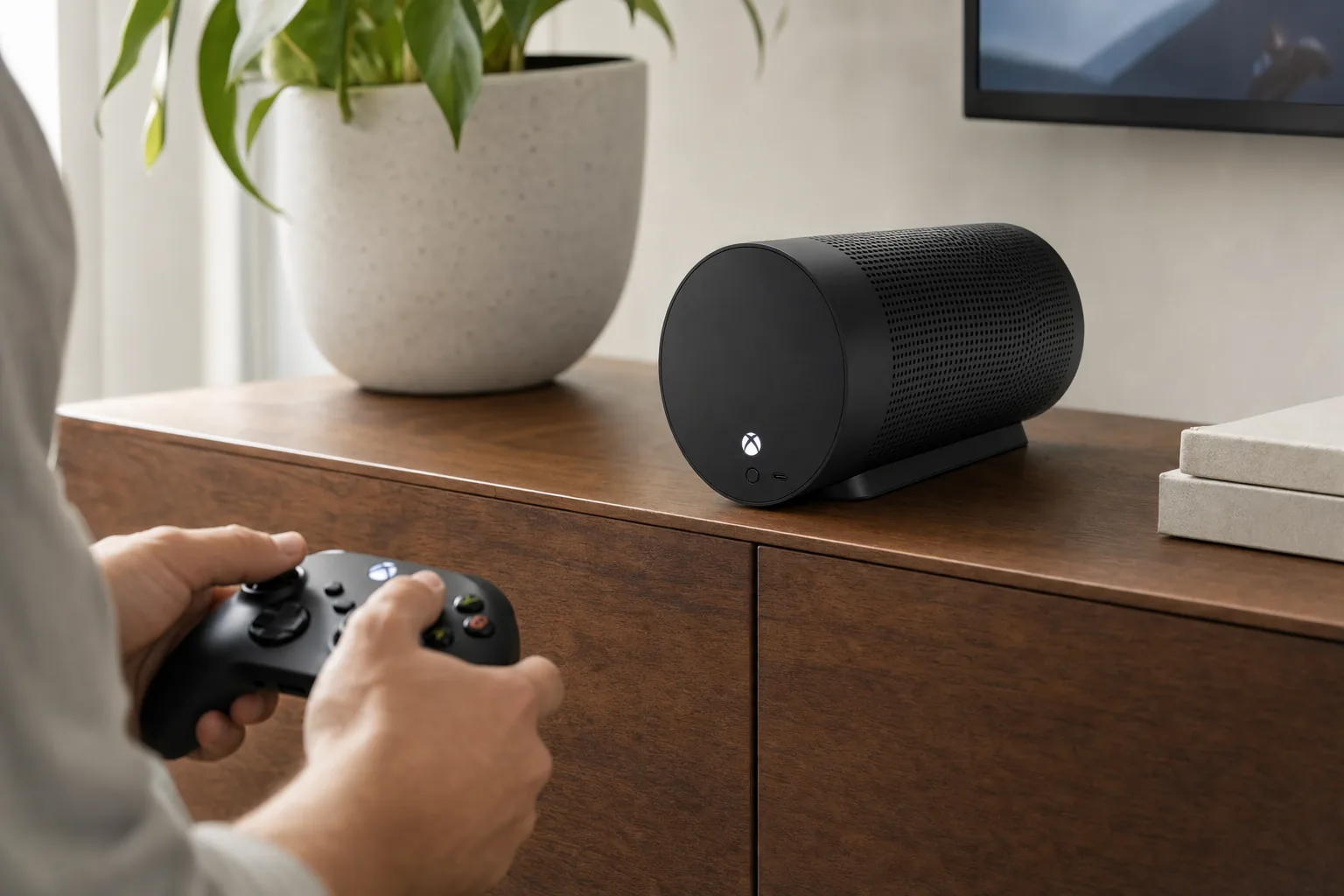
Specs are one thing, but what makes Project Helix feel like a new category rather than just "Xbox, but faster" is its feature set. Here are the pillars that, to me, define the machine.
Unified Xbox + PC gaming
For the first time, an Xbox console will natively support games from both the Xbox ecosystem and third-party PC storefronts, including Steam and GOG. That gives you flexibility on where you buy your games — and arguably reduces the "walled garden" anxiety that's kept some PC players away from consoles.
Custom AMD silicon
The Magnus SoC is co-designed for the next generation of DirectX and AMD's FSR upscaling technology, meaning the hardware and the software stack are being built hand-in-hand rather than one being bolted onto the other after the fact.
A ray tracing focus
Microsoft is positioning ray tracing as a defining feature, promising an order of magnitude leap in ray tracing performance and capability over current Xbox hardware. If you care about realistic lighting and reflections, this is the headline.
GPU-directed task management
Helix unlocks GPU-directed work graph execution, which eliminates CPU bottlenecks by letting the GPU generate its own workload in real time. In practice this is meant to deliver a substantial uplift in performance by removing a traditional choke point in the rendering pipeline.
Deep backward compatibility
Helix is rumoured to offer backward compatibility with four full console generations, which would make it the most backward-compatible Xbox ever shipped. For anyone with a deep Xbox library built up over two decades, that's a genuinely meaningful selling point.
FSR Next: The Secret Weapon
Of all the features, the one I'm most curious to test is AMD's FSR Next, officially referred to in developer resources as FSR Next. This isn't just a software tweak — FSR Next introduces hardware-level ML upscaling, frame generation, and ray regeneration. That trio is exactly what modern GPUs lean on to deliver high frame rates with demanding effects switched on.
Pair that with multi-frame generation powered by the onboard NPU, neural texture compression, and ray regeneration for both ray tracing and full path tracing, and you start to see Microsoft's strategy: rather than relying purely on raw horsepower, Helix wants to win through smart, AI-assisted rendering. Neural texture compression in particular is interesting given that memory bandwidth constraint I mentioned — compressing textures more aggressively is one elegant way to make a 192-bit bus go further.
FSR Next brings hardware ML upscaling, frame generation and ray regeneration — central to how Helix hopes to hit its performance targets.
The Windows Question: Console or Computer?
This is the part of the Helix story I find most philosophically interesting. Rumours have long suggested that this machine will have some version of Windows running underneath the hood. That's the technical enabler for everything Steam-and-GOG related — you can't easily run PC storefronts without a PC operating system somewhere in the stack.
But Microsoft clearly doesn't want Helix to feel like wrestling with a desktop PC every time you sit down to play. The solution being talked about is a native "Xbox Mode" in Windows 11, designed to deliver a seamless console-PC experience. The idea is that you boot straight into a clean, controller-first, console-grade interface — and the full Windows complexity stays tucked away until you actively want it.
Why this matters more than it sounds
The genius — if it works — is in the duality. Console players get the "press power, see games, hit play" simplicity they love. Power users get the flexibility to dip into a more open environment, install from multiple stores, and treat the box more like a living-room PC. The hard part is making the seam invisible. Plenty of "do-everything" devices have stumbled by making the experience feel half-console, half-laptop, and fully confusing. Helix's success may hinge less on teraflops and more on how polished that Xbox Mode handoff really is.
It's worth being clear-eyed here. A Windows foundation brings enormous flexibility, but it also brings the historical baggage of updates, driver considerations and the occasional storefront quirk. I'll reserve judgement until I can actually live with the software, because this is one of those areas where a spec sheet tells you almost nothing and day-to-day experience tells you everything.
How Helix Stacks Up Against the Competition
Since Helix is being pitched as something between a console and a gaming PC, the fairest way to frame it is against its two most obvious reference points: the current Xbox Series X that it succeeds, and the broad category of high-end gaming PCs it's claiming to rival. Here's how the picture looks based on what's known and rumoured.
| Feature | Xbox Project Helix (rumoured) | Xbox Series X | High-end gaming PC |
|---|---|---|---|
| Graphics architecture | RDNA 5 (68 CUs) | RDNA 2 (52 CUs) | Latest discrete GPUs |
| CPU architecture | Zen 6 | Zen 2 | Latest desktop CPUs |
| Memory | 48GB GDDR7 | 16GB GDDR6 | Typically 16–32GB system + VRAM |
| Ray tracing | Claimed "order of magnitude" over Series X | Baseline RDNA 2 RT | Strong, hardware-dependent |
| AI upscaling | FSR Next (hardware ML) | FSR (earlier versions) | Vendor-dependent ML upscaling |
| Runs Steam & GOG | Yes (native) | No | Yes |
| Console-grade boot experience | Yes (Xbox Mode) | Yes | No (desktop OS) |
| Backward compatibility | Up to four console generations | Strong, but narrower | Varies / emulation |
| Sold direct by Microsoft | Yes | Yes | No (self-build / system integrators) |
What this table really highlights is Helix's unique position. Against the Series X, it's a clear generational leap in essentially every category — newer architecture, four times the memory, dramatically stronger claimed ray tracing, and a far more open software model. Against a gaming PC, its trump card is the console experience: a single box, sold and supported directly by Microsoft, that you don't have to build, tune or troubleshoot like a custom rig. The trade-off, as always with fixed hardware, is that a PC can be upgraded piecemeal whereas Helix is what it is for its lifespan.
Helix occupies an unusual middle ground — a console you don't build, with the storefront freedom of a PC.
The honest caveat on comparisons
Because there are no independent benchmarks yet, treat the "ray tracing" and "AI upscaling" rows as based on claims and rumours rather than tested results. The architectural and memory differences are concrete; the performance gaps are not yet measured.
Price and Release: What We Can Realistically Expect
Now for the two questions everyone actually asks first: how much, and when. Neither has an official answer yet, so I'll walk you through the credible estimates and — importantly — the factors that could push them around.
On price, no official figure has been confirmed. The leaks and analyst predictions cluster in the premium bracket. Estimates have placed it between £900 and £1,099, and AMD insider KeplerL2 has pegged the console in the "over £900" range. In the UK, rough estimates suggest Microsoft's next-gen Xbox could cost anywhere from £670 upwards. None of these are official, and I'd treat them as a directional indication — a premium device — rather than a sticker price to budget against.
There's a real worry baked into those numbers: KeplerL2's figures were reportedly calculated before component shortages caused a significant price hike for both memory and storage. In late April 2026, Xbox CEO Asha Sharma confirmed that those shortages will affect both pricing and availability of the new console. Given Helix carries a generous 48GB of GDDR7, memory pricing is exactly the kind of cost pressure that could nudge it higher.
Keeping an eye on availability
Project Helix isn't on sale yet, and Microsoft hasn't published a retail price. When pre-orders and bundles do appear, it's worth comparing options before committing.
Check the latest price and any current bundles on Amazon.
The Release Timeline
On timing, there's exactly one hard date on the calendar, and it isn't a consumer launch. Microsoft will ship alpha versions of Project Helix hardware to developers starting in 2027, giving studios time to build for the new platform. Everything else flows from that.
Based on that 2027 developer-kit timeline, the most likely consumer launch window is 2027 at the very earliest, and 2028 looking more realistic. Because alpha hardware won't even reach developers until 2027, a 2028-or-later retail availability is entirely plausible. So if you were hoping to unwrap a Helix this year, I'd gently manage those expectations — this is a future-facing rumour, not an imminent release.
The Pros and Cons As They Stand
Reviewing an unreleased product is a balancing act — I want to give credit where the concept is genuinely exciting, whilst being upfront about how much remains unproven. Here's my honest ledger based on everything known so far.
Pros
- Native access to Steam and GOG on a console — a genuine first for Xbox
- Modern silicon: RDNA 5 graphics and Zen 6 CPU in the custom "Magnus" SoC
- A huge 48GB of GDDR7 memory, four times the Series X allocation
- Dedicated NPU plus FSR Next for hardware ML upscaling and frame generation
- Claimed order-of-magnitude leap in ray tracing performance
- GPU-directed work graph execution to reduce CPU bottlenecks
- Backward compatibility across up to four console generations
- Still sold and supported directly by Microsoft, console-style
Cons
- No hands-on benchmarks exist — performance claims are unverified
- The 192-bit memory bus may limit bandwidth versus discrete desktop GPUs
- Likely a premium price, estimated over £900 / from around £670
- Component shortages are confirmed to affect pricing and availability
- No consumer launch before 2027, with 2028 looking more realistic
- Single model only — no cheaper variant announced
- Windows-underneath approach must nail its "Xbox Mode" handoff to feel console-like
- Storage expansion details remain unconfirmed
Early Verdict Rating (Concept Stage)
Because there's no hardware to test, I want to be transparent about what this rating represents: it's an assessment of the concept and the rumoured spec sheet, not a measured review. Think of it as "how excited should you be, and how much faith should you place in it right now".
The ambition and rumoured specs score highly because, on paper, this is a thrilling machine. The lower marks on value and certainty reflect reality: it's likely to be expensive, shortages are a confirmed headwind, and almost nothing has been independently verified. That tension — brilliant idea, unproven execution — is the whole story of Project Helix in a nutshell.
Who Should Be Paying Attention?
Since this is a rumour rather than a buy-now product, the better question than "should you buy it" is "should you be following it closely". Here's how I'd break down the audiences.
The console-PC fence-sitter
If you've always wanted PC storefront freedom but hate building and maintaining a rig, Helix is essentially designed for you. Native Steam and GOG on a console-grade box is the dream — keep this one firmly on your radar.
The graphics enthusiast
If ray tracing and path tracing make you giddy, the claimed order-of-magnitude RT leap plus FSR Next are aimed squarely at you. Just wait for real benchmarks before you get carried away.
The long-time Xbox collector
With backward compatibility across up to four console generations, anyone sitting on a deep Xbox library has a strong reason to be interested in consolidating everything onto one machine.
The budget-conscious buyer
If price is your priority, temper your excitement. Estimates point well above $1,000, there's no cheaper variant announced, and confirmed component shortages could push costs higher still. A current-gen console may serve you far better in the meantime.
Frequently Asked Questions
The Verdict
Project Helix is, conceptually, one of the most exciting things to happen to console gaming in years. The idea of a machine that boots into a clean, console-grade experience but quietly runs your Steam and GOG libraries underneath — all sold and supported directly by Microsoft like a traditional Xbox — genuinely blurs the line between console and PC in a way that could reshape the living room.
The rumoured ingredients are mouth-watering: a custom AMD "Magnus" SoC with RDNA 5 graphics and Zen 6 cores, 48GB of GDDR7, a dedicated NPU, FSR Next doing hardware ML upscaling and frame generation, GPU-directed work graphs to kill CPU bottlenecks, and backward compatibility across four console generations. If the headline ray tracing claims hold up, this is a serious piece of kit.
But I have to keep my feet on the ground. Every performance number — the "order of magnitude" ray tracing, the up-to-20x leaks, the "rivals a £1,799–£2,699 gaming PC" claim — is marketing or speculation until someone runs a benchmark, and nobody has. The 192-bit memory bus is a real constraint worth watching, the price looks premium and is threatened by confirmed component shortages, and the consumer launch is realistically 2027 at the very earliest, more likely 2028.
My advice? Get excited about the idea, follow the leaks with healthy scepticism, and don't budget a penny until Microsoft confirms specs, price and a date. Project Helix has the potential to be special — but right now it's a brilliant promise waiting for proof.
A brilliant promise waiting for proof — Project Helix is one to watch closely as we head towards its 2027 developer rollout.