
Smartphone Shipments Drop 20% in Q3, Hitting Record Low
Counterpoint Research says a memory-chip shortage drove global smartphone shipments down sharply in the third quarter of 2026.

What you need to know
- Global smartphone shipments fell 20% year on year in Q3 2026, according to preliminary Counterpoint estimates.
- It was the lowest third-quarter shipment level since 2012, with higher memory costs and shortages blamed.
- Samsung retained a 23% share and Apple reached 22%, while Xiaomi shipments dropped by more than 30%.
Global smartphone shipments fell 20% year on year in the third quarter of 2026, reaching their lowest Q3 level since 2012, according to preliminary estimates published by Counterpoint Research on Monday.
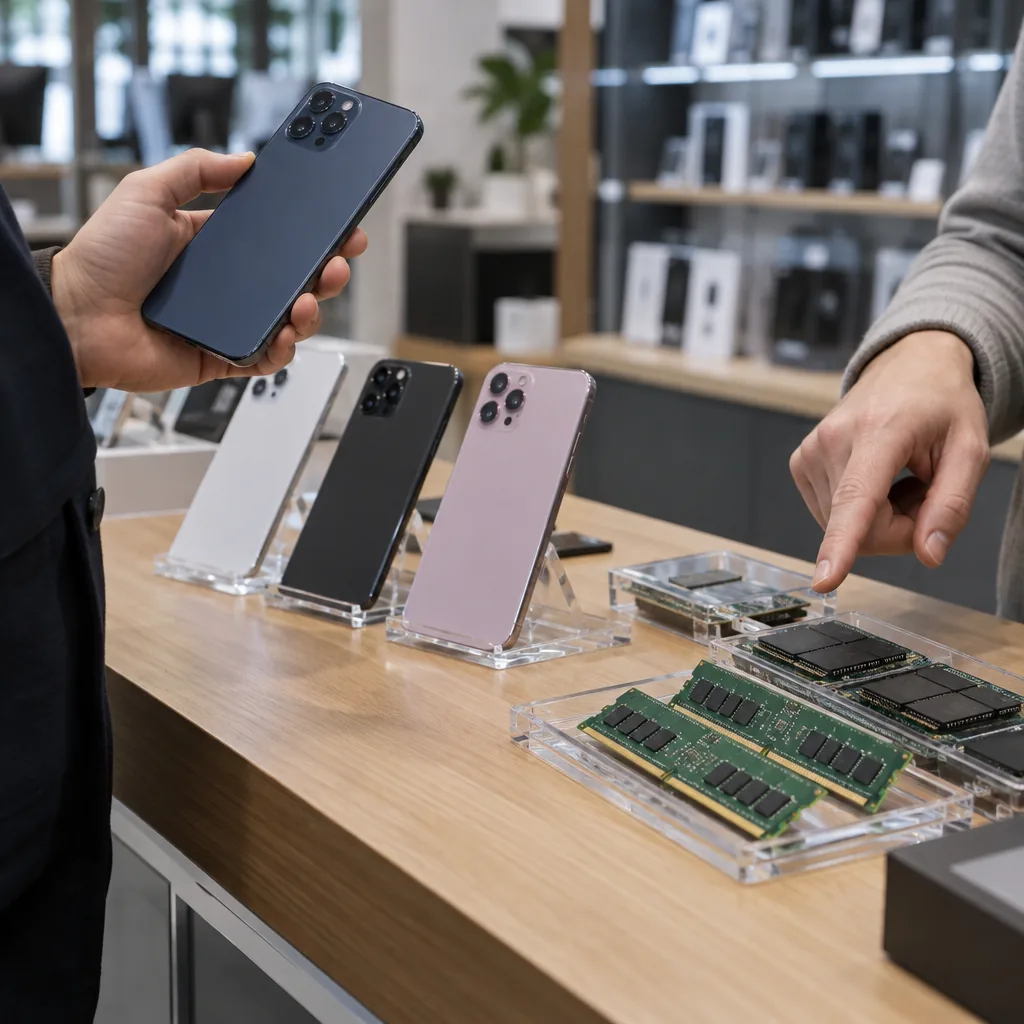
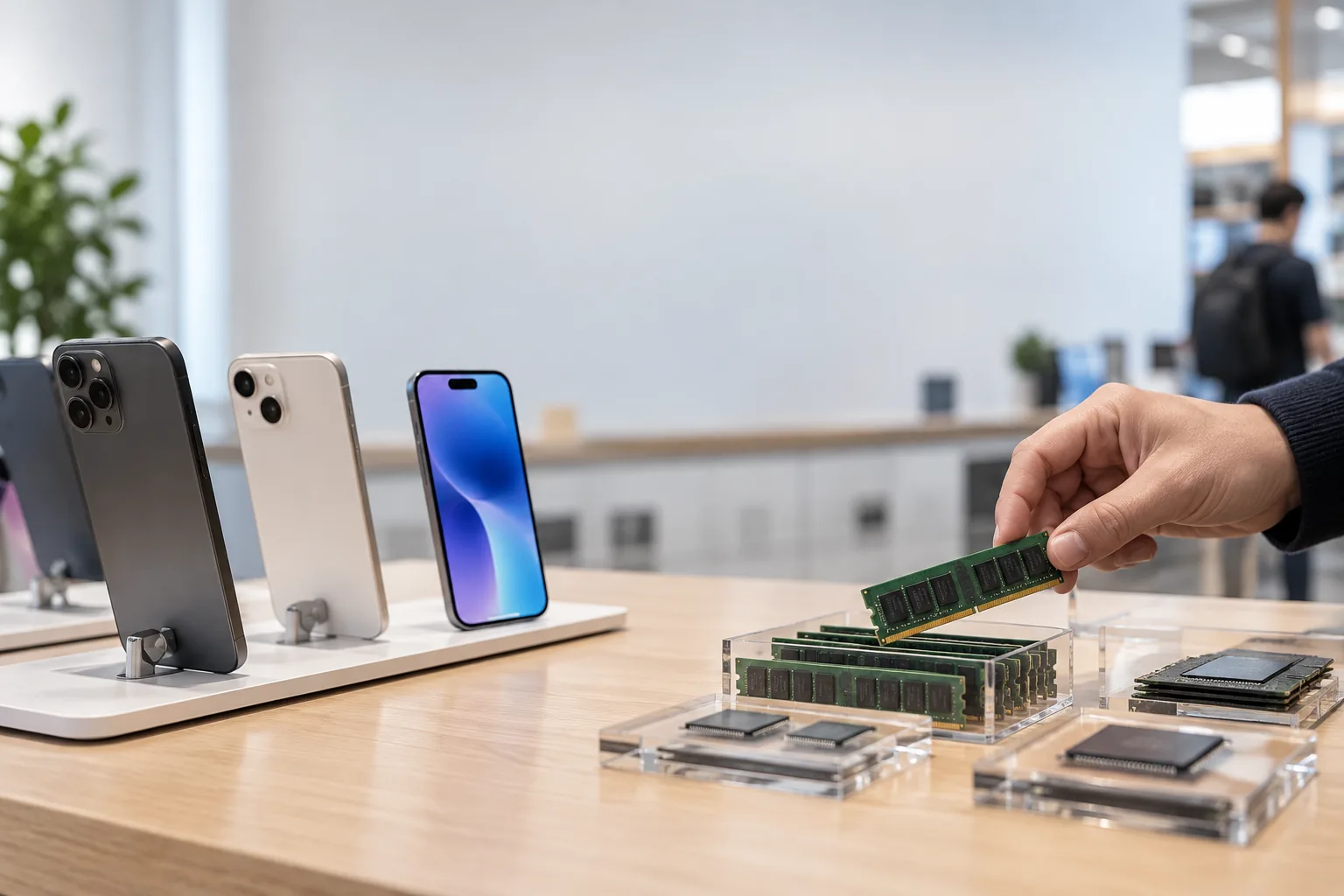
Counterpoint attributed the drop to higher memory-chip costs and supply shortages. Reuters reported that AI infrastructure projects are absorbing available memory capacity, raising manufacturers’ costs and pushing phone makers towards higher retail prices, lower shipments and a greater focus on profitability.
Samsung and Apple hold up better
Samsung remained the biggest smartphone maker by shipments, taking a 23% market share despite a 3% year-on-year decline in shipments. Counterpoint cited demand for the Galaxy Z Fold8 series and stable mid-range component supply.
Apple took 22% of the market — its first time above 20% in a third quarter — although its shipments also declined year on year. Counterpoint said the absence of a standard iPhone 18 meant a smaller launch-month channel fill than the full iPhone 17 range achieved a year earlier.
Elsewhere, Xiaomi’s shipments fell by more than 30%, reducing its share to 10%. OPPO and vivo each recorded declines of more than 20%.
“Consumers are holding on to their devices longer than estimated, increasingly considering refurbished devices and prioritizing higher-value devices.”
That assessment, from Counterpoint senior analyst Shilpi Jain, reflects a market increasingly split between resilient premium brands and lower-priced devices facing the sharpest pressure.
Why memory matters
Counterpoint has said memory manufacturers are prioritising higher-value products such as high-bandwidth memory for AI servers, leaving less general-purpose memory for lower-end smartphones. It had already warned that full-year global shipments could fall below 1.1 billion units in 2026, the lowest annual level since 2013.
For buyers, the immediate concern is not a lack of flagship phones but the affordability of new handsets. Budget models have less room to absorb component-price increases, so manufacturers may raise prices, reduce availability or focus on more profitable models. Counterpoint’s figures are preliminary estimates, and it did not state a global unit total for Q3.
Why it matters
The squeeze is most likely to be felt at the affordable end of the market, where rising component costs leave less room for manufacturers to absorb price rises. For UK buyers, that could mean fewer low-cost handset options and longer gaps between upgrades, while premium brands are better placed to manage the shortage. Refurbished devices may become a more attractive alternative as new-phone prices rise.
Sources and evidence (9)
- counterpointresearch.com (other)
- streetinsider.com (other)
- counterpointresearch.com (other)
- counterpointresearch.com (other)
- ir.mi.com (other)
- apple.com (other)
- news.samsung.com (other)
- counterpointresearch.com (other)
- apple.com (other)