
OpenAI Eyes Acquisition of Google AI Chip Technology
OpenAI is said to be considering Google TPUs as it expands its AI infrastructure beyond Nvidia hardware.
What you need to know
- The Information reported on 27 October that OpenAI plans to buy Google Tensor Processing Units.
- OpenAI and Google declined to comment to Bloomberg, and no final agreement has been confirmed.
- The move would add another potential AI-compute supplier alongside Nvidia and OpenAI’s own chip efforts.
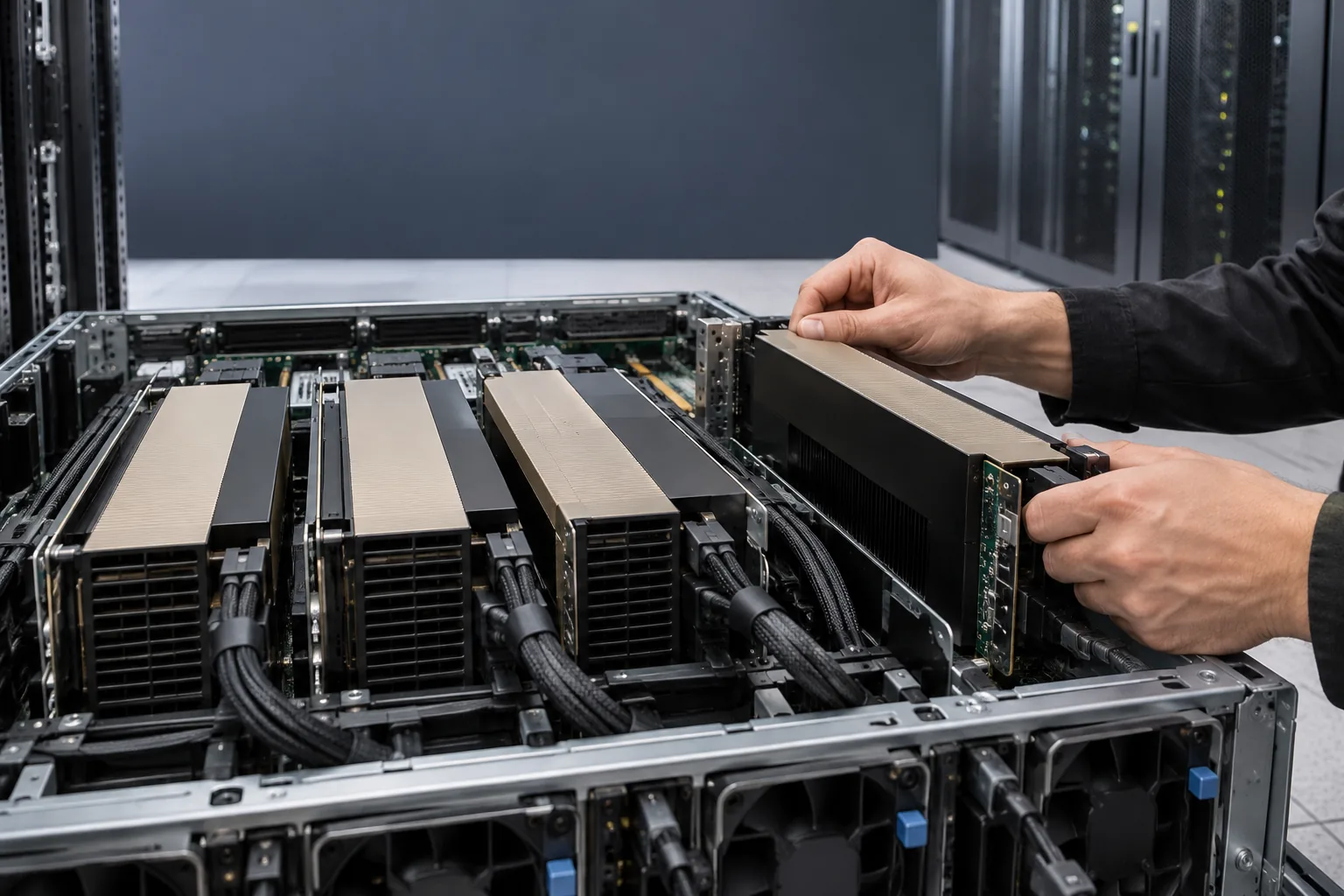
OpenAI reportedly plans to buy Google’s Tensor Processing Units (TPUs), potentially giving the AI company another major source of computing power beyond Nvidia hardware.
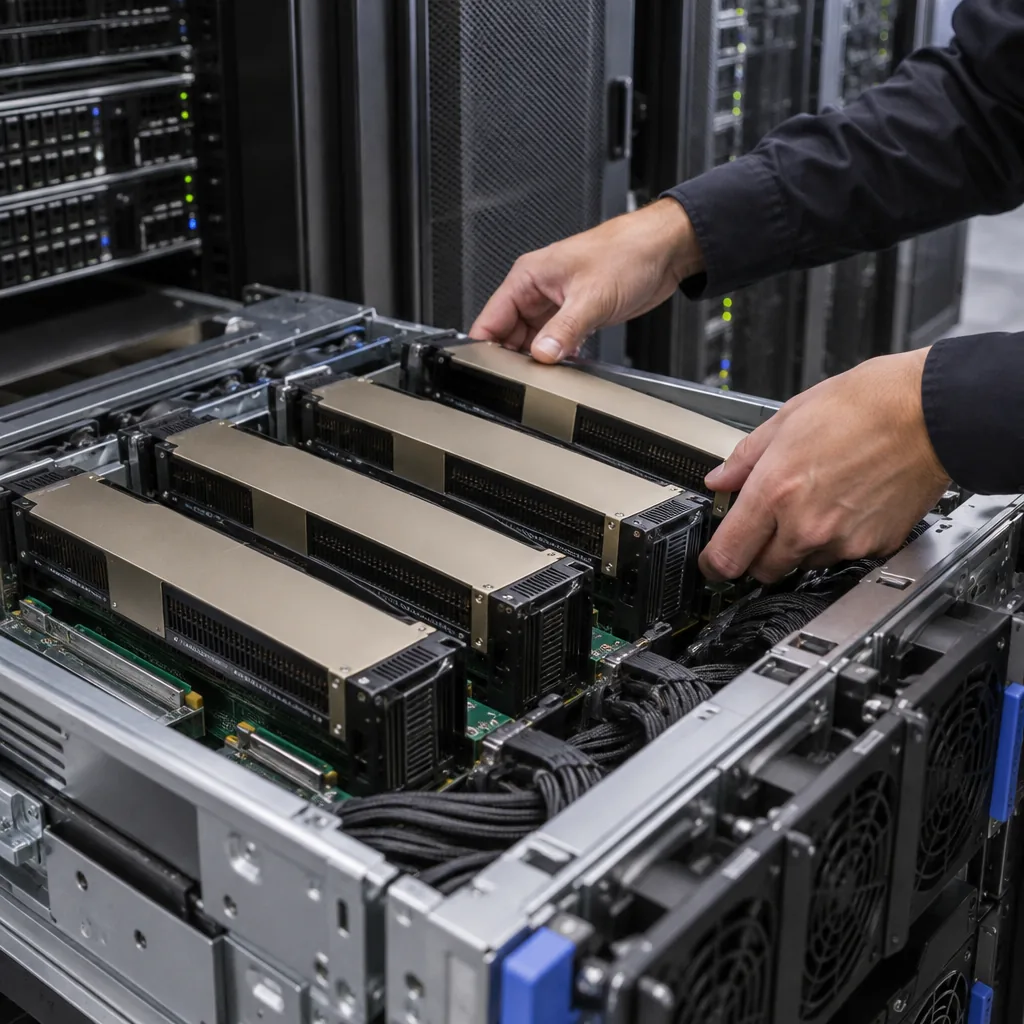
The Information reported the plan on 27 October, citing one person familiar with the matter. Bloomberg separately reported that OpenAI intended to buy AI chips from Alphabet’s Google as part of a wider infrastructure build-out. Neither OpenAI nor Google publicly confirmed the arrangement, and both declined to comment to Bloomberg.
Terms remain unclear
The reported purchase price, number of chips, delivery timetable and final contractual terms have not been disclosed. It is also not confirmed which TPU generation OpenAI may use, or where any chips would be installed.
Google’s TPUs are custom AI accelerators for machine-learning tasks such as training and running models. Google announced its eighth-generation TPU family in April, comprising TPU 8t for large-scale pre-training and TPU 8i for inference, sampling and reasoning workloads.
More than a Nvidia story
OpenAI has historically depended heavily on Nvidia systems. In September 2025, OpenAI and Nvidia announced a letter of intent covering at least 10 gigawatts of Nvidia systems for OpenAI’s next-generation AI infrastructure, with the first gigawatt targeted for the second half of 2026.
This would not be OpenAI’s first contact with Google’s chips. Reuters reported in June 2025 that OpenAI had begun renting Google AI chips through Google Cloud for ChatGPT and other products, although OpenAI later said it was only in early testing and had no plans at that point for deployment at scale.
OpenAI is also pursuing its own hardware: it announced its inference-focused Jalapeño accelerator, developed with Broadcom, in June 2026. Initial deployment was planned by the end of this year.
Why it matters
For ordinary users, the development is chiefly about the capacity behind AI products rather than a new device to buy. A broader mix of chip suppliers could give OpenAI more options as demand for AI computing grows, while putting additional pressure on Nvidia in the data-centre market. For now, though, the Google TPU purchase remains a reported plan rather than a confirmed deal.
Why it matters
This has no immediate effect on consumer hardware prices, but it could matter for the AI services UK users rely on. More sources of high-end computing capacity could help OpenAI expand ChatGPT and other products, while increasing competitive pressure on Nvidia’s dominant position in AI data centres.
Sources and evidence (15)
- theinformation.com (other)
- bloomberg.com (other)
- cincodias.elpais.com (other)
- techradar.com (other)
- techradar.com (other)
- blog.google (other)
- cloud.google.com (other)
- cloud.google.com (other)
- openai.com (other)
- investing.com (other)
- openai.com (other)
- openai.com (other)
- openai.com (other)
- blog.google (other)
- openai.com (other)