
Apple targets 10 million foldable iPhones at up to $2,500
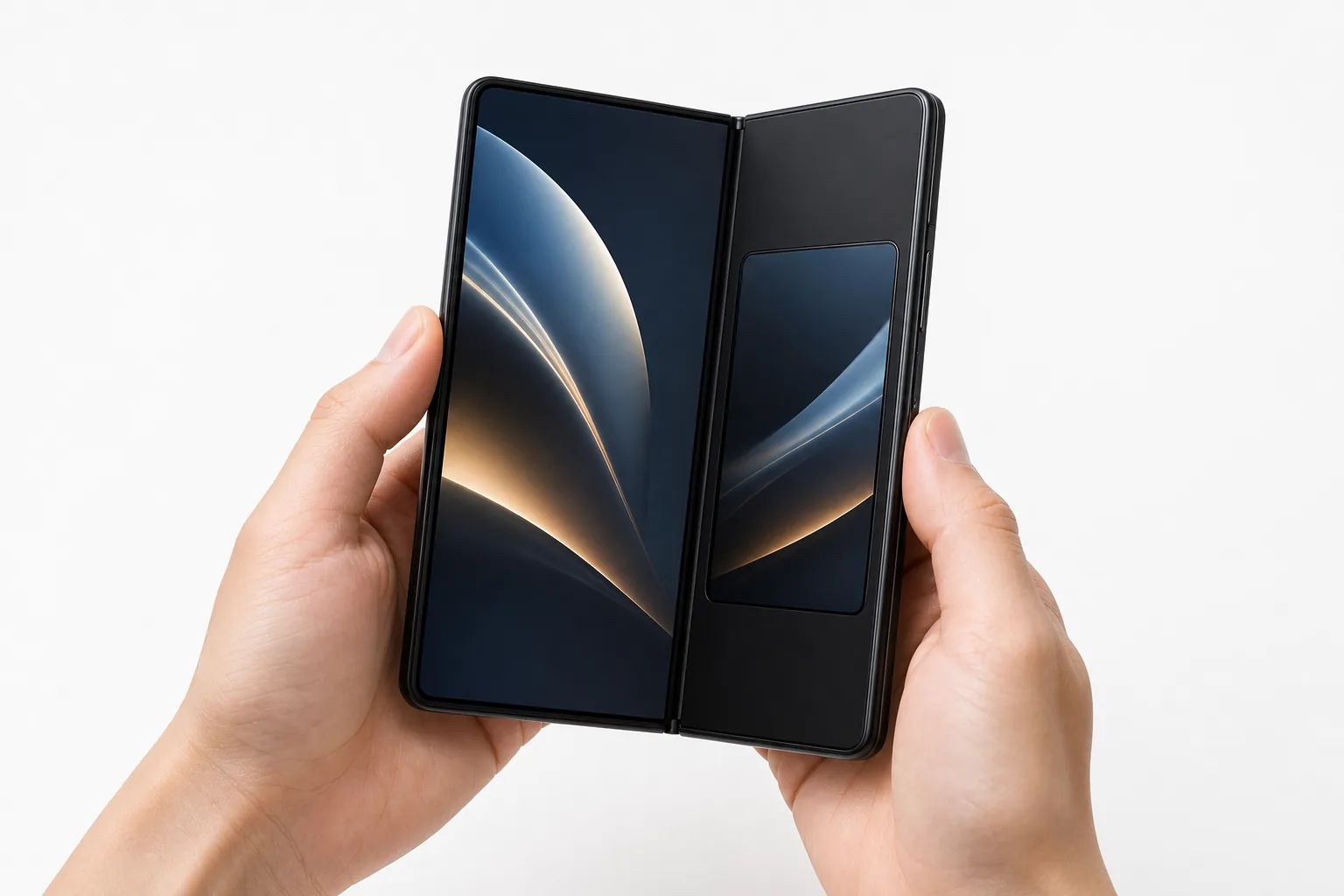
Apple has raised its 2026 production target for its first foldable iPhone to 10 million units, with analysts forecasting a starting price of around $2,000 and a September launch alongside the iPhone 18 Pro.
What you need to know
- Apple has raised its 2026 foldable iPhone production target to around 10 million units, up from an earlier forecast of 7–8 million.
- Analysts predict a starting price between $1,999 and $2,500 (roughly £1,500–£1,870 in the UK), with no official pricing confirmed.
- The device is expected to be announced in early September 2026 alongside iPhone 18 Pro models, but may launch separately due to limited early supply.
Apple dramatically raises its foldable iPhone ambitions
Apple has instructed suppliers to manufacture around 10 million foldable iPhones in 2026 — up sharply from a forecast of 7–8 million units issued just a few months ago — according to a Nikkei Asia report citing sources familiar with the matter. A Forbes article covering the story was published on 5 July 2026. The raised target is one of the clearest signals yet that Apple is serious about entering the foldable market at scale, and doing so fast.
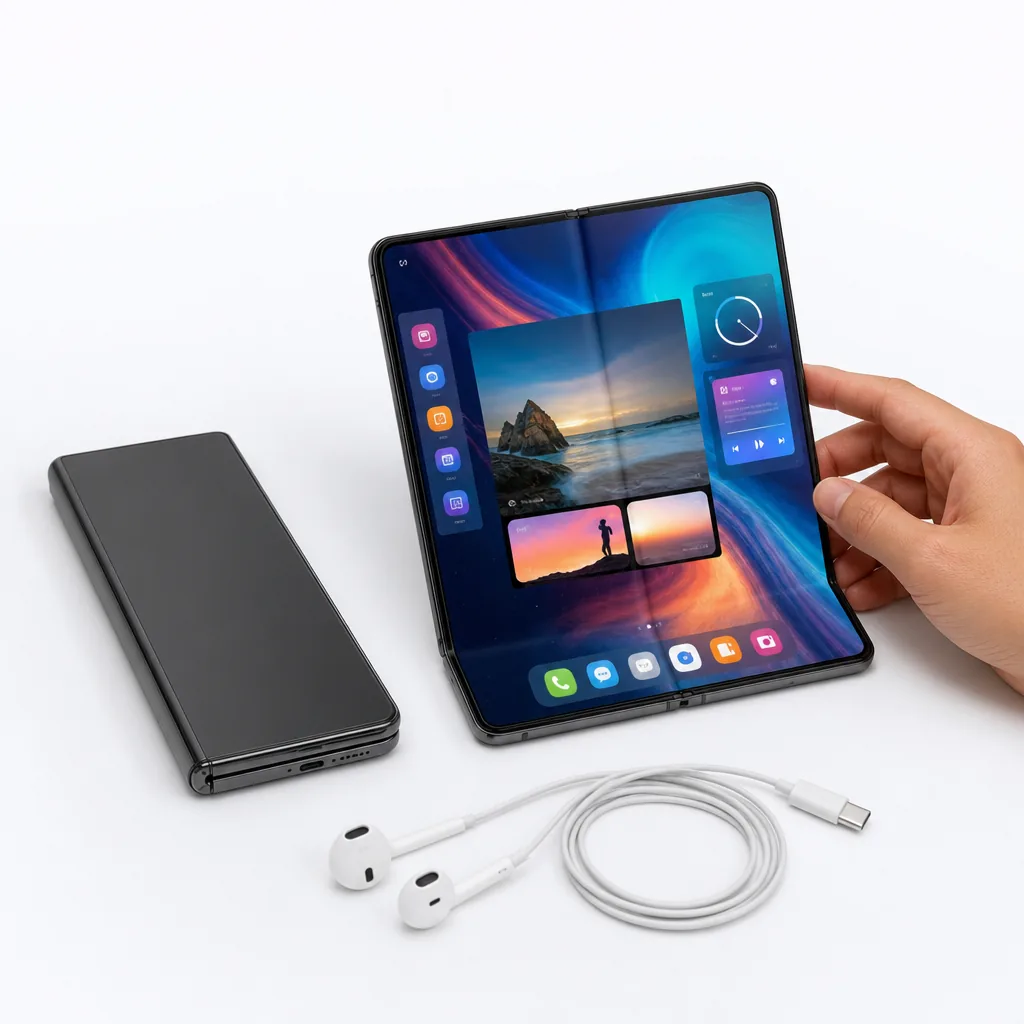
To put the ambition in perspective: according to the Nikkei report, Samsung's entire Galaxy Z foldable lineup — the Fold Ultra, the Wide, and the Flip 8 combined — carries a production target of just 5–6 million units for the same period. If the figures are accurate, Apple is planning to manufacture nearly double that with a single device, in its first year in the category.
What we think we know about the device
Apple has not confirmed any details about the device, including its name, specifications, or pricing. That said, a consistent picture has been emerging from multiple reliable sources over several months.
Bloomberg's Mark Gurman reported in March 2026 that Apple's foldable could launch under the "iPhone Ultra" branding, as part of a broader push to introduce "Ultra" products across its lineup this year — though Gurman noted not all of them would necessarily carry that name. The Ultra branding remains unconfirmed by Apple.
On hardware, the device is rumoured to feature:
- A 7.8-inch inner display and a 5.5-inch cover screen
- Touch ID rather than Face ID — an unusual move for a flagship iPhone
- Apple's A20 chip and its in-house C2 modem
- A folded thickness of approximately 9.3mm, and an unfolded thickness of just 4.5mm — reportedly thinner than the iPhone Air's 5.6mm
- OLED panels from Samsung Display, using CoE (Color Filter on Encapsulation) technology and Samsung's M16 OLED material, which is said to improve brightness, colour accuracy, and power efficiency by up to 37%
- No telephoto camera and, according to current reports, no physical SIM tray — making it eSIM-only
Macworld also identified internal iOS 27 beta flags for a device running both Dynamic Island and Touch ID simultaneously — a combination that exists on no current iPhone. iOS 27, previewed at Apple's WWDC in June 2026, also contains explicit foldable hardware references in its beta code, including "foldState" checks and variables named "mechanicalAngleDegrees" and "angleDegrees."
Fixed Focus Digital, cited by MacRumors in early June, reported that Apple has already shipped prototype units to global mobile carriers for network certification — a routine but telling step that suggests the device is close to production-ready.
How much will it cost in the UK?
No official UK pricing has been announced. Analyst estimates vary, with IDC predicting an average selling price of around $2,500 — which converts to approximately £1,870 — with higher storage configurations potentially reaching $3,000. More recent analysis from PhoneArena points to a lower starting price of $1,999, down from earlier 2025 estimates of $2,399. Back Market's UK guide, updated in June 2026, suggests a starting price of around £1,599.
In short, analysts currently place the likely UK starting price somewhere between £1,500 and £1,870. At the upper end of those estimates, the device would comfortably be the most expensive iPhone Apple has ever sold.
IDC's $2,500 forecast would also place the iPhone Ultra above 98% of the foldable market by price — an extraordinary position for a market entrant.
September launch — but with caveats
The foldable is expected to be announced at the same September keynote as the iPhone 18 Pro and Pro Max. Bloomberg's Mark Gurman projects the keynote for Tuesday, 8 September, in line with Apple's traditional post-Labor Day schedule, though some analysts favour Wednesday the 9th. Pre-orders are expected the following Friday, with iOS 27 releasing on 14 September.
However, buyers should not assume a simultaneous global roll-out. The latest reports suggest the foldable may be held back for a later pre-order date than the rest of the iPhone 18 lineup due to limited early production. Engineering challenges related to the hinge design are said to have been resolved, but that resolution came late enough to raise concerns about initial supply volumes, according to sources cited in the Nikkei report. Wide availability may slip into 2027.
The bigger picture
Apple is entering a foldables market that Counterpoint Research expects to grow 20% in 2026, in large part because of Apple's anticipated arrival. The foldables category is forecast to grow at a compound annual rate of 17% through to 2029, compared with less than 1% for traditional smartphones — a stark illustration of where the industry believes growth will come from.
According to Counterpoint Research, Apple's iPhone Fold will account for 29% of all folding smartphone display orders in 2026, putting it just behind Samsung (31%) and ahead of Huawei (24%) — a remarkable market share position for a device that has not yet shipped a single unit to a consumer.
Why it matters
For UK buyers, Apple's entry into foldables is significant not just because it adds a new iPhone form factor, but because it is likely to drive up average foldable prices across the board — Counterpoint Research predicts average foldable selling prices will rise by as much as 18% in 2026 partly because of this device. At up to £1,870, it would be the most expensive iPhone ever sold in Britain, and first-generation trade-offs — no Face ID, no telephoto camera, and potentially limited stock — mean early adopters should think carefully. Apple's historically strong resale values offer some reassurance, though SellCell data shows foldables as a category lose an average of 64.6% of their value within 12 months, the worst retention rate of any smartphone segment.