
Sony WF-1000XM6 vs AirPods Pro 3: which premium earbuds win?
Two flagship true-wireless earbuds, two very different philosophies. Here's how Sony's audiophile-tuned WF-1000XM6 stacks up against Apple's ecosystem-first AirPods Pro 3 - and which one suits which buyer.
We link to the exact model on Amazon UK. Prices change often, so check the live price before you buy. As an Amazon Associate we earn from qualifying purchases.
Sony WF-1000XM6 on Amazon
Check today's price & availability on Amazon UK
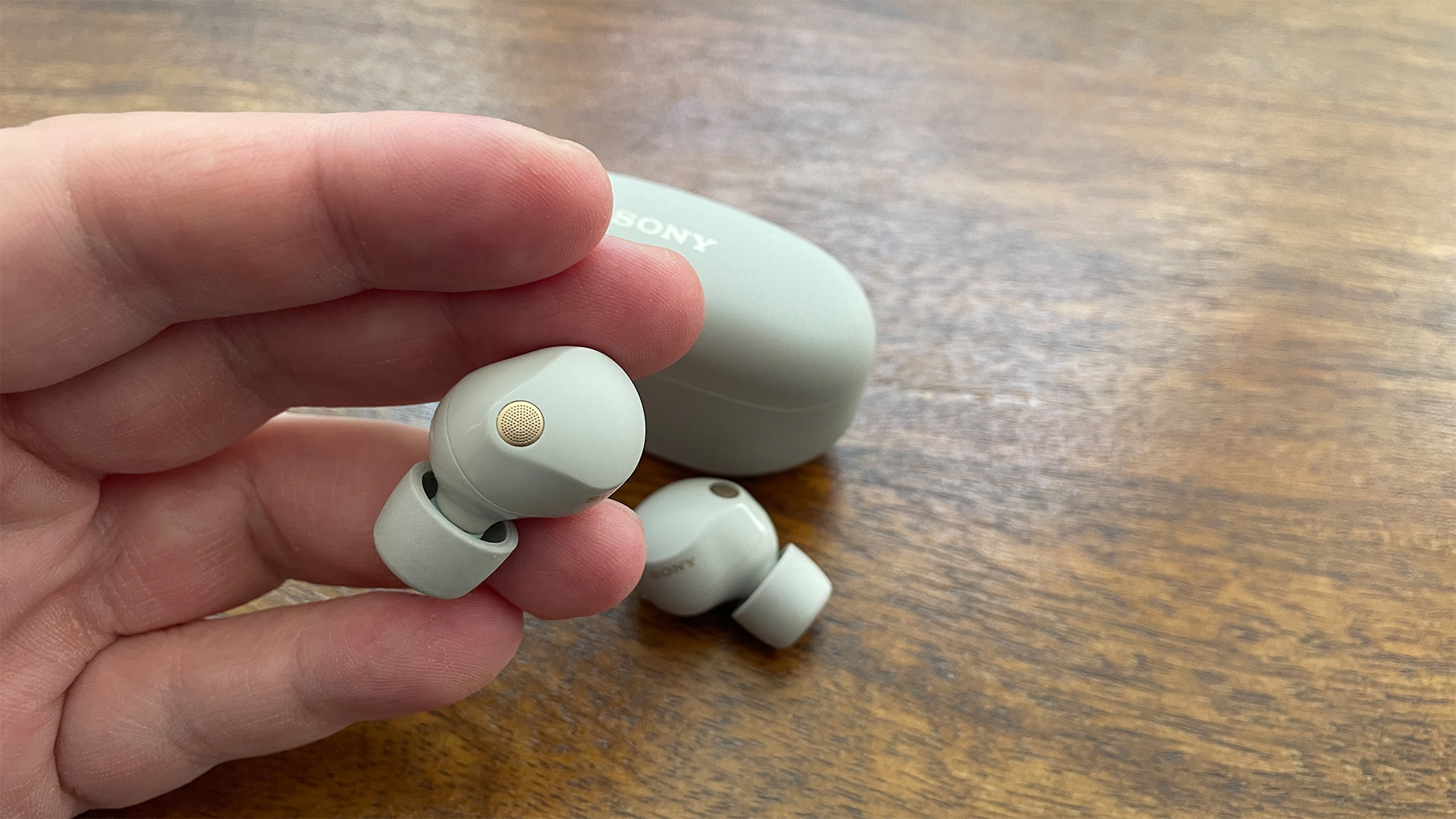
The Sony WF-1000XM6 in sage - one of two flagship earbuds vying for your money in 2026.
Verified specifications: WF-1000XM6 uses an 8.4mm driver and supports SBC, AAC, LDAC and LC3. LDAC is a lossy high-resolution codec, not lossless. AirPods Pro 3 are rated up to eight hours with ANC, and their heart-rate sensor is for workouts; there is no ear-temperature, resting-heart-rate or sleep sensor.
1. The headline difference
Both pairs are flagship-tier ANC earbuds with first-class sound, transparency modes, multipoint pairing and IP-rated water resistance. Both do all the basics well. The disagreement is what they prioritise after the basics.
The one-line verdict
WF-1000XM6: the better-sounding, more customisable earbud, especially if you want LDAC high-resolution playback or use Android. AirPods Pro 3: the better health and ecosystem device, especially if your daily life lives inside iPhone, iPad and Mac.
Neither is 'best' in the abstract - they are tuned for different lives. The rest of this article works through the categories that actually matter, and we round out with a who-buys-what verdict at the end.
2. Sound quality and signature
This is the cleanest win in the whole comparison. The Sony WF-1000XM6 sounds noticeably better in a critical-listening context. Apple closes the gap with software, but it doesn't overtake.
Sony's signature
The XM6 carries forward Sony's 8mm Dynamic Driver X - a dual-magnet design that hits harder in the low end while keeping vocals separate from the bass. Combined with the new V-series processor, it produces a confident, slightly warm signature with proper sub-bass extension and clean treble. Sony's DSEE Extreme upscaling does real work on lossy streams; the difference between a Spotify track and a 24-bit FLAC is audible in a way it isn't on most in-ears.
Stock tuning leans bass-forward but never bloated. If you want neutral, the Headphones Connect app gives you a 10-band EQ, three custom slots, and a 'Find Your Equaliser' walk-through that is genuinely useful.
Apple's signature
The AirPods Pro 3 are tuned more conservatively - flatter, drier, with a slight midrange forwardness that flatters podcasts and pop vocals. Adaptive EQ adjusts the response to the seal you have, which means the in-ear experience is more consistent across different ear shapes than Sony's, but the ceiling is lower. Apple gives you no EQ control beyond a few system presets ('Bass Boost', 'Reduce Bass') and the new Adaptive Audio system, which mixes transparency and ANC dynamically based on your environment.
If you mostly stream Spotify or Apple Music's standard lossless tier and you don't tweak EQ, you'll happily listen to either. If you stream Apple Music Lossless, Tidal or Qobuz at high res, the WF-1000XM6 unambiguously pulls ahead.
3. Active noise cancellation and transparency
Both are exceptional. This is where flagship earbuds have plateaued in 2026 - the differences are narrow and depend on the noise type.
Pure ANC strength
Sony has historically led on rumble cancellation - planes, trains, underground - and the XM6 maintains that lead. The new processor adapts ANC to the specific noise profile around you, and Sony's larger driver gives it more headroom for low-frequency cancellation.
The AirPods Pro 3 use Apple's Adaptive Audio system, which dynamically blends ANC and transparency in real time. In a busy office it's almost magical - voices pop through, paper rustling fades. On a Tube carriage it's still excellent, just half a step behind the XM6 on raw rumble.
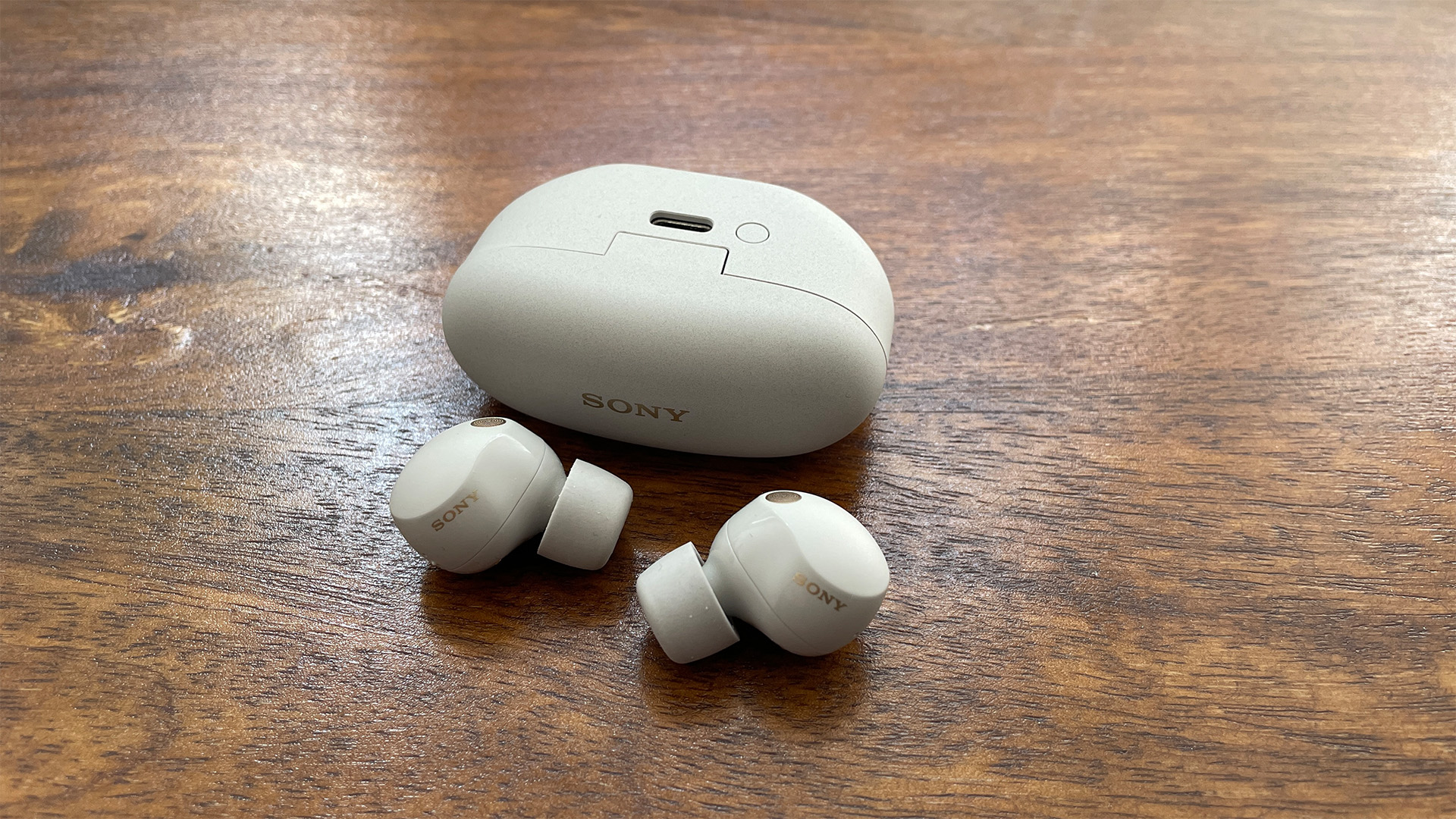
On a UK commute the WF-1000XM6 nudges ahead for raw rumble cancellation; the AirPods Pro 3 win on dynamic real-world adaptation.
Transparency mode
Apple wins this category outright. The Pro 3's transparency feels genuinely natural - you forget you're wearing earbuds, and conversations are crystal clear. Sony's Ambient Sound mode is good but more processed, with a slight 'pumping' feel as ANC intensity changes.
For the airport / commute / office split, this is essentially a draw. Frequent travellers may lean Sony; office workers and walkers may lean Apple.
4. Codecs and wireless quality
This is the cleanest ecosystem-driven decision in the whole comparison.
What the WF-1000XM6 supports
- LDAC - up to 990kbps, a lossy high-resolution Bluetooth codec
- LC3 / LE Audio - lower latency, broadcast Auracast
- AAC, SBC - the universal fallbacks
If you have an Android phone with LDAC support (most do), or a recent Sony Walkman, the XM6 streams hi-res audio that simply isn't possible on the AirPods. LE Audio support also makes them future-proof for the next generation of Bluetooth broadcast tech.
What the AirPods Pro 3 support
- AAC - via standard Bluetooth from any device
- Apple Lossless over Wi-Fi - only when paired with Vision Pro or in specific Apple Music scenarios; not over Bluetooth
- Proprietary Apple wireless protocol for ultra-low-latency Apple device handoff
Apple still has not added LDAC, aptX or any high-bitrate codec to the AirPods Pro line. The reasoning is that AAC at the bitrates Apple uses is 'good enough' - and to most ears it is - but you cannot get true lossless audio out of an AirPods Pro 3 over Bluetooth in 2026. If lossless music is the reason you're buying flagship earbuds, this is the deal-breaker.
5. Ecosystem - iPhone vs Android vs both
The other side of the codec coin: ecosystem integration.
If your daily driver is an iPhone
The AirPods Pro 3 are essentially impossible to beat. Pairing is instantaneous, audio handoff between iPhone, iPad, Mac and Apple TV is seamless, Find My works over UWB, and Siri integration is on a different level. iOS 19 adds new accessibility features that lean on the AirPods' microphones - live conversation summaries, real-time translation - which require Apple's silicon to feel responsive.
The XM6 still works fine on an iPhone, but you lose LDAC entirely (iOS doesn't support it), and the Headphones Connect app is more of a settings panel than a fluid extension of the OS.
If your daily driver is Android (or Windows, or Linux)
The XM6 wins comfortably. LDAC over modern Android phones is excellent. Multipoint pairing lets you switch between phone and laptop without re-pairing. The Headphones Connect app is feature-rich on Android. AirPods Pro 3 work on Android - they're Bluetooth earbuds - but you lose every ecosystem feature, and the experience feels deliberately minimal.
Mixed ecosystem?
If you have an iPhone but a Windows PC and an Android tablet, the XM6 is the more flexible choice. Multipoint and LDAC make the XM6 feel consistent across devices in a way the AirPods don't.
6. Hearing health and accessibility
This is an Apple-ecosystem advantage, but Hearing Test and Hearing Aid were already available on compatible AirPods Pro 2 in the UK. Apple has been expanding hearing-health features since iOS 18, and the Pro 3 is the hardware platform that takes them mainstream.
AirPods Pro 3 hearing features
- Clinical-grade hearing test - run from your iPhone, generates an audiogram
- Hearing aid mode - amplifies real-world conversation tuned to your audiogram
- Loud-environment protection - automatically caps the dB level entering your ear in noisy spaces
- Conversation Boost - emphasises voices in front of you
For anyone with mild-to-moderate hearing loss, this is genuinely transformative. The AirPods Pro 3 are an FDA-registered (and UK-equivalent MHRA-acknowledged) hearing-aid product, not just a gimmick.
Sony WF-1000XM6 hearing features
Sony has its own conversation-emphasis mode and a 'Speak-to-Chat' feature that pauses music when you start talking. There's no certified hearing-aid function. If hearing assistance is a priority, the AirPods are the only real choice between these two.
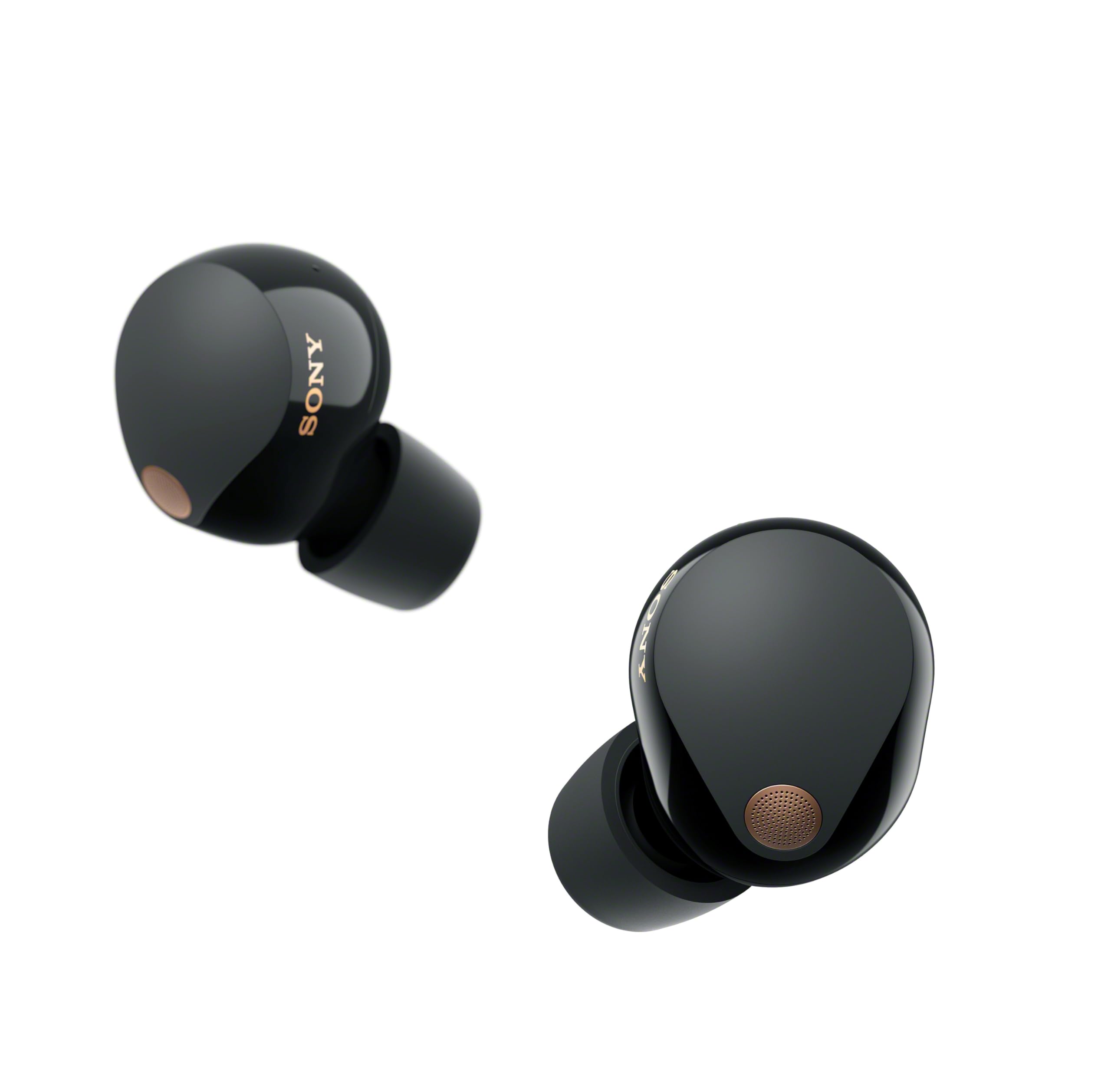
Sony's WF-1000XM6 in graphite black - copper-trimmed mics and a glossy shell carry over the brand's signature XM look into 2026.
7. Heart rate, fitness and health sensors
This is the second AirPods Pro 3 unique. The Pro 3 includes optical heart-rate sensors built into the stems - a first for AirPods.
What the AirPods Pro 3 measure
- Heart rate during supported workouts via compatible Apple devices and apps.
- No resting-heart-rate, ear-temperature or sleep sensing is listed.
This isn't a replacement for an Apple Watch, but for runners and gym-goers who hate watches, having heart-rate from the earbuds is a real workflow change. Apple Fitness+ uses it directly; third-party apps can read it via HealthKit.
WF-1000XM6 fitness features
The XM6 has no biometric sensors at all. Sony positions them as a music product, not a fitness product. Sony's LinkBuds Open and LinkBuds Fit ranges target the workout audience separately. If fitness tracking matters, the AirPods are the answer in this comparison; if you'd rather pair earbuds with a dedicated watch, the XM6's missing sensor is a non-issue.
8. Battery, charging and comfort
Both are competitive on battery and case design. The differences are small but worth knowing.
Comfort
This is genuinely subjective and ear-shape dependent. The XM6 has Sony's slightly chunky, in-ear design with five tip sizes. They sit deeply, which helps both seal and ANC, but can fatigue in very long sessions. The AirPods Pro 3 use Apple's stem design with five tip sizes (XS, S, M, L, XL); they sit less deeply and most people find them comfortable for hours.
If you have small ears, the AirPods are the safer bet. If you can wear the XM6 comfortably, you'll get a better passive seal and slightly better ANC.
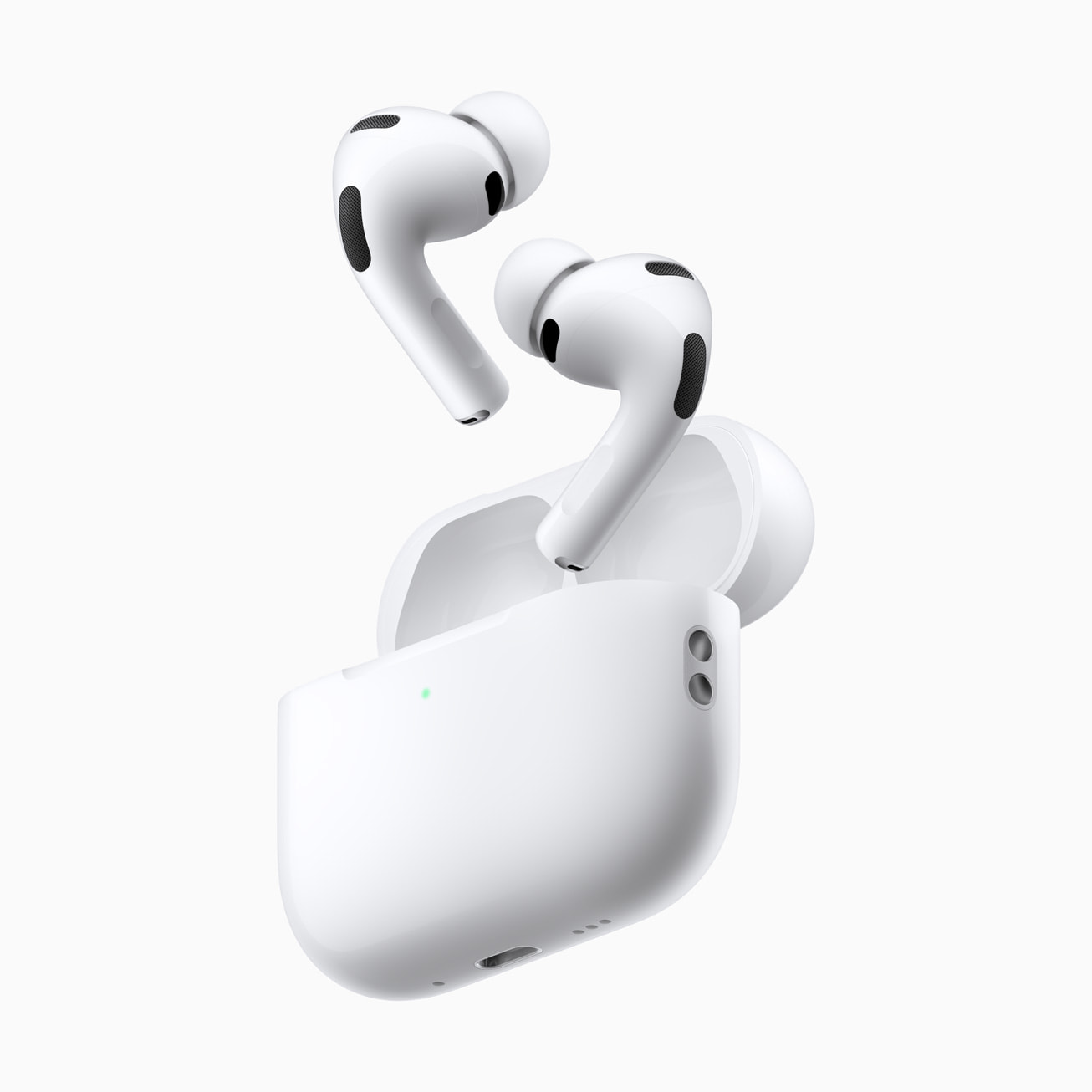
The AirPods Pro 3 case is noticeably smaller and supports MagSafe; the XM6 case is bigger but carries more reserve battery.
Charging case
The AirPods case is smaller, lighter and supports MagSafe pucks - a convenience for people already in the Apple charging ecosystem. The XM6 case is bigger but holds more battery and supports standard Qi wireless charging.
9. Call quality
Both improve dramatically over their predecessors. In a quiet room they are indistinguishable. In wind or background noise, the differences appear.
The AirPods Pro 3 use Apple's voice-isolation processing, which is aggressive and effective - background voices vanish, your voice comes through clean and slightly compressed. Some people find it sounds 'too processed' on long calls.
The Sony XM6 leans on a beam-forming microphone array with bone conduction (a continuation of the XM5 approach). In wind, it's the better performer; outdoors on a windy UK street the difference is meaningful. Call audio is more natural, less processed.
For people who take a lot of work calls outdoors, that's a small but real point in Sony's favour. For Zoom calls in an office, both are excellent.
10. Real-world scenario tests
Spec sheets are easy. The five everyday situations below show how each pair actually behaves.
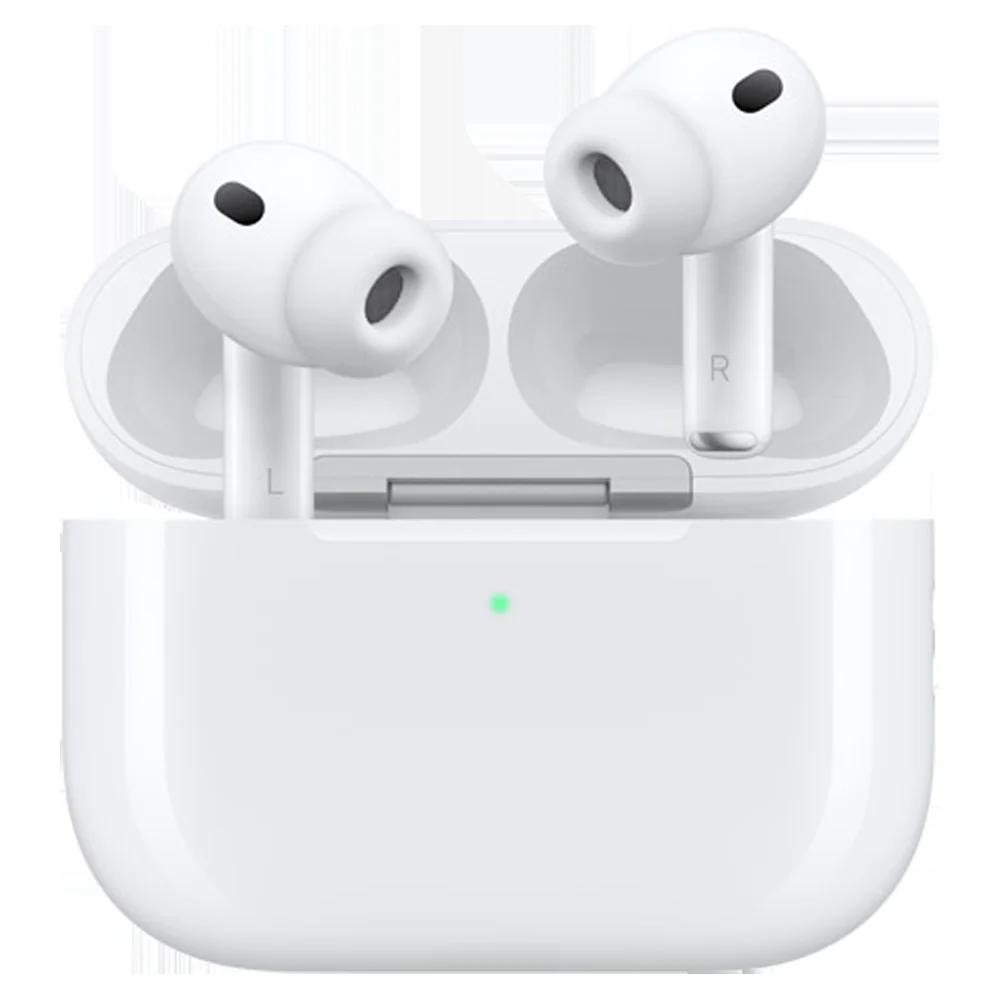
Real-world testing across commute, office, flight, gym and outdoor calls reveals practical differences spec sheets miss entirely.
UK commute - train and Tube
On a Northern Line carriage between Camden and Old Street: the WF-1000XM6 strips low rumble more thoroughly. The AirPods Pro 3 are 90% as effective at the rumble and noticeably better at the 'someone announcing a delay' voice frequencies. If you mostly read or listen to podcasts on the Tube, the AirPods are easier to live with. If you mostly listen to music and want to hear less of London, the XM6 is better.
Open-plan office
The AirPods Pro 3 win convincingly. Adaptive Audio handles the 'quiet for an hour, then someone takes a call next to you' rhythm of an office better than the XM6's mode-based switching. Conversation Awareness automatically dropping music when a colleague says your name is the kind of polish the XM6 doesn't match.
Long-haul flight
The XM6 is the better choice for a transatlantic flight. The deeper in-ear seal, more aggressive low-frequency cancellation and longer single-charge battery (8 hours vs up to 8 hours) all matter when you're stuck in row 32. The AirPods Pro 3 feel more comfortable for a 90-minute short-haul, but for 8+ hours the XM6 wins.
Busy gym / treadmill running
Closer to a draw. The AirPods Pro 3's heart-rate sensor is the deciding factor for many runners - your earbuds tracking pulse zones and writing to Apple Health is genuinely useful. If heart-rate isn't on your list, the XM6 sounds better and stays in place equally well once tip-fitted properly.
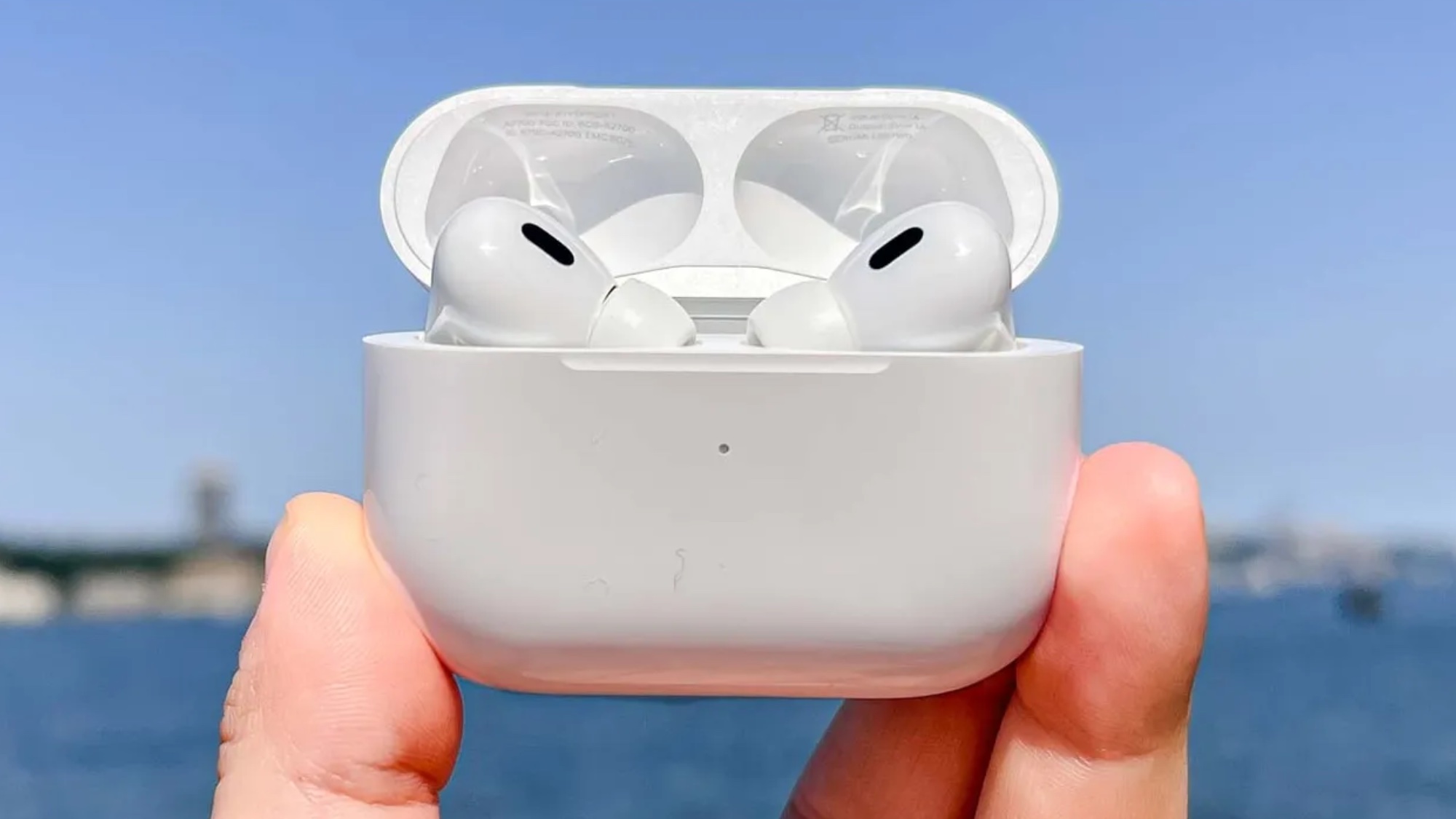
In wind the XM6's bone-conduction mic system holds up better than the AirPods' purely processed approach.
Outdoor walking calls
The XM6 handles wind noise better. The bone-conduction microphone detection on the XM6 cuts through wind that would otherwise mangle calls. The AirPods Pro 3's voice isolation works fine indoors and in light wind but degrades faster in genuinely blustery conditions. For people who take a lot of work calls outdoors, this is a small but real point in Sony's favour.
11. Buyer profile decision matrix
Six concrete buyer profiles to help map yourself onto the right choice.
Profile 1 - Apple Watch + iPhone owner who runs three times a week
Buy the AirPods Pro 3. The heart-rate sensor pairs with your Watch's data via Health, you don't have to choose between earbud and watch HR, and the workout-detection-and-handoff feels seamless. The lossless audio gap doesn't matter for runs.
Profile 2 - Audiophile with an Android phone and a Tidal subscription
Buy the WF-1000XM6. LDAC over Tidal Hi-Res tracks is a meaningful quality bump that the AirPods can't match. Apple's ecosystem features are wasted on Android.
Profile 3 - Office worker with mild hearing loss
Buy the AirPods Pro 3. The hearing-aid mode is genuinely useful in meetings and in busy restaurants - and you'd buy flagship earbuds anyway. The hearing test alone can be worth the upgrade cost.
Profile 4 - Frequent flyer with no platform preference
Buy the WF-1000XM6. The deeper in-ear seal, longer single-charge battery and slightly stronger ANC matter most on long flights. A flight every fortnight makes the differences add up.
Profile 5 - Mixed Apple+Android household
Buy the WF-1000XM6. They work consistently across both platforms. The AirPods Pro 3 hollow out on the Android side. If you switch between devices regularly or share a phone with another household member, the XM6 is the safer choice.
Profile 6 - Casual user who just wants 'really good earbuds'
If you have an iPhone, the AirPods Pro 3 are the easiest recommendation. If you have an Android, the WF-1000XM6 are. Don't overthink it; both are excellent.
The 30-second decision rule
Pick the platform of your phone first. The codec, ecosystem and health features make platform mismatches significantly worse than they look on paper. After platform, weigh hearing-aid features and fitness tracking against absolute sound quality and ANC strength.
Frequently asked questions
Do the AirPods Pro 3 work with Android?
Yes, as standard Bluetooth earbuds with AAC codec. You'll get music playback, basic touch controls, and ANC. You'll lose Find My, Siri, audio handoff, hearing aid mode, heart rate integration, the on-screen battery indicator and almost every other ecosystem feature. If you're on Android full-time, the WF-1000XM6 is the smarter buy.
Does the WF-1000XM6 work properly with iPhone?
Yes - they pair, ANC works, the app is on the App Store, and call quality is good. You'll lose LDAC entirely (iOS does not support it), so you're back to AAC over Bluetooth. The Headphones Connect app handles EQ, ambient modes and firmware updates fine, but it doesn't integrate at the OS level the way AirPods do.
Which has better noise cancellation - really?
On consistent low-frequency noise (planes, trains, the London Underground), the WF-1000XM6 is slightly better. On variable real-world noise (offices, cafes, walking around a city), the AirPods Pro 3's Adaptive Audio is more impressive in practice. Both are excellent; neither will disappoint anyone coming from older earbuds.
Are AirPods Pro 3 actually a real hearing aid?
Apple's hearing aid feature is FDA-cleared in the US for mild-to-moderate hearing loss, and the UK MHRA has acknowledged its over-the-counter assistive listening status. It is not a replacement for a clinically-fitted hearing aid for severe loss, but for mild loss it's a genuine, useful feature - and it's covered in the price of an earbud you'd buy anyway.
Can I use the AirPods Pro 3 heart rate sensor in third-party fitness apps?
Yes - it writes to Apple Health, and any iOS fitness app that reads HealthKit (Strava, Nike Run Club, MapMyRun, etc.) can use it. Workouts auto-detect when you start moving, and the sensor switches on automatically.
Which has better battery life in real-world use?
Per-charge, the WF-1000XM6 lasts longer (~8 hours vs Apple-rated up to 8 hours with ANC on). Total runtime including the case is closer to a draw - the AirPods case carries more buffer. In day-to-day use this rarely matters; both quick-charge to a meaningful runtime in 5 minutes.
Do either of these support spatial audio for movies?
Both do, but in different ways. The AirPods Pro 3 support Dolby Atmos with head tracking on Apple devices and via tagged Apple Music tracks - genuinely impressive for movies on iPad and Vision Pro. Sony's 360 Reality Audio works on supported tracks (Tidal, Amazon Music HD), with a similar effect but a smaller content library. For movie watching specifically, the AirPods are the better choice.
Can I use both pairs at the same time on the same device?
Apple Audio Sharing is limited to compatible AirPods and Beats; a Sony WF-1000XM6 cannot join that feature as a generic second pair.
Which is better for video calls (Zoom, Teams, Google Meet)?
The AirPods Pro 3 by a clear margin in quiet environments. Apple's voice isolation is aggressive and effective. The XM6 holds up better outdoors or in wind. Both pair cleanly with all major UK video-conferencing platforms.
How do they compare for Sleep tracking and bedtime use?
Neither is designed for sleep. The Pro 3's stem design is uncomfortable lying on your side; the XM6's bulkier in-ear shape is also poorly suited to side sleeping. For sleep-tracking earbuds look at the Bose Sleepbuds or Soundcore A30 Sleep instead.
Will Apple eventually add LDAC or aptX to AirPods?
Almost certainly not. Codec support is a hardware/silicon decision, and Apple has consistently chosen to optimise AAC rather than add competing codecs. If lossless audio over Bluetooth is your top priority, the XM6 is the only option of these two - now and probably forever.
Are the rumours of an AirPods Pro 4 launching this year worth waiting for?
There's no credible roadmap evidence for a Pro 4 in 2026. The Pro 3 is Apple's flagship until further notice. If you need earbuds now, buy now. Apple has typically gone 3+ years between AirPods Pro generations.
Which one should you buy?
Buy the Sony WF-1000XM6 if: you use Android, you stream hi-res audio, you take frequent flights, you EQ your music, or you want the best raw sound quality in this category. The XM6 is the more 'audiophile' flagship.
Buy the AirPods Pro 3 if: you live inside the Apple ecosystem, you want hearing-health features, you'd benefit from heart-rate tracking from your earbuds, or you make a lot of calls and want voice-isolation that just works. The Pro 3 is the more 'lifestyle' flagship.
Neither is the wrong choice. Both are clearly superior to last year's mid-tier earbuds, both will keep getting features via firmware, and both will sound great. Pick based on your phone first, your music habits second, and the small unique features (lossless, hearing aid, heart rate) third.
Sony WF-1000XM6 on Amazon
Check today's price & availability on Amazon UK
- Sony WF-1000XM6View on Amazon
 Apple AirPods Pro 3View on Amazon