
We link to the exact model on Amazon UK. Prices change often, so check the live price before you buy. As an Amazon Associate we earn from qualifying purchases.
LG's 2026 C Series is no longer a one-size-fits-all OLED range — and that makes choosing the right model more important than ever.
LG C6 OLED TV Review: The UK Buyer's Guide to LG's Most Interesting C Series Yet
A brighter, faster, smarter C Series OLED with 165Hz gaming, webOS 26, Alpha 11 AI processing and a new split between standard C6 and large-screen C6H models.
The LG C6 OLED is one of those TVs that looks simple from a distance and gets far more interesting once you dig into the model range. For 2026, LG's C Series is not just "the sensible OLED" sitting beneath the G Series. It now comes in several variants, with the 77-inch and 83-inch C6H models stepping up to the same Primary RGB Tandem OLED panel family used in the flagship LG G6. That changes the buying advice quite a bit — especially if you're shopping for a big-screen OLED in the UK.
I've always liked LG's C Series because it tends to hit the sweet spot: premium picture quality, excellent gaming features, strong format support and a design that works in normal living rooms without demanding a flagship budget. The LG C6 keeps that spirit, but it also pushes the range forward in areas where OLED buyers have been asking for more: brightness, processing, gaming refresh rate and smarter software.
The headline upgrades are easy to understand. The standard C6 models run at up to 165Hz, up from 144Hz on the LG C5, with a 0.1ms response time and support for NVIDIA G-Sync, AMD FreeSync Premium and VRR. The 65-inch C6 has reached roughly 1,400 nits on a 10% HDR window in early lab testing, which is a very healthy figure for a C Series OLED. Meanwhile, the larger C6H versions bring Brightness Booster Pro, Hyper Radiant Colour Technology and LG's Primary RGB Tandem OLED 2.0 panel.

See LG C6 OLED 65-inch on Amazon UK
Check today's price & availability on Amazon UK
See LG C6 OLED 65-inch on Amazon UK
Check today's price & availability on Amazon UK
In this review
- Quick verdict and rating
- C6, C6H and C6S explained
- Core specifications
- Picture quality and brightness
- LG C6 vs C5, C6H, G6 and Samsung S90F
- Gaming performance
- webOS 26 and AI features
- Sound quality and setup advice
- Buying guidance for UK shoppers
- FAQ and final verdict

See LG C6 OLED 77-inch on Amazon UK
Check today's price & availability on Amazon UK
Quick Verdict: A C Series With More Bite
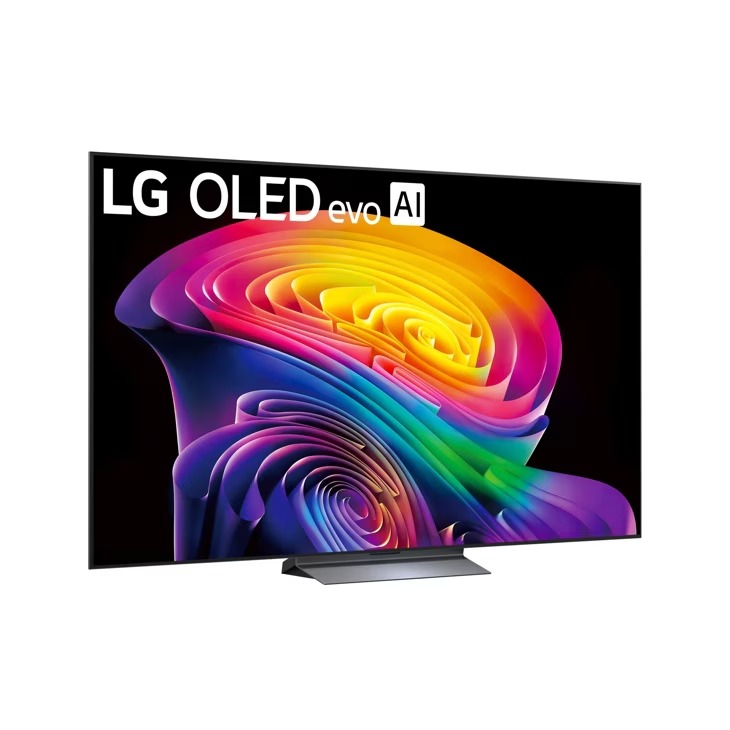
The LG C6 OLED is shaping up as one of the most compelling OLED TVs of 2026 because it improves the standard C Series formula without losing the bits that made it so popular. You still get perfect OLED black levels, Dolby Vision, HDR10 and HLG, four HDMI 2.1 ports, excellent gaming support and LG's familiar webOS interface. The difference is that the C6 now feels more aggressive: faster for PC gaming, brighter in HDR highlights and more serious about AI-assisted processing.
For most UK buyers looking at 42 to 65 inches, the standard LG C6 is the model to watch. It uses a WOLED EX panel, and the 48, 55 and 65-inch versions include Brightness Booster Standard. The 65-inch model's early lab performance is particularly encouraging, with early lab results around 1,400 nits in a 10% HDR window and roughly 270 nits full-screen HDR brightness. That does not magically make it a sunlight-proof LCD replacement, but it does make HDR films, games and streaming dramas punchier than older mid-range OLEDs.
The twist is the C6H. If you're shopping at 77 or 83 inches, you are not simply buying a bigger C6. You are stepping into a sub-model with LG's Primary RGB Tandem OLED 2.0 panel, Brightness Booster Pro and Hyper Radiant Colour Technology. In plain English, the large-screen C6H is closer in panel ambition to LG's G6 than you might expect from a C Series nameplate. That could make it a very tempting alternative for buyers who want a cinematic big-screen OLED but do not necessarily need every flagship flourish.
Pros
- Up to 165Hz refresh rate, a meaningful step up from the LG C5's 144Hz for PC gamers.
- 0.1ms response time with NVIDIA G-Sync, AMD FreeSync Premium and VRR support.
- 65-inch C6 has reached roughly 1,400 nits in a 10% HDR window in early lab testing, so treat that as early-review data rather than a universal retail guarantee.
- Excellent OLED black level performance, with Perfect Black verification at up to 500 lux.
- webOS 26 adds Google Gemini and Microsoft Copilot integration.
- C6H models bring a serious panel upgrade at 77 and 83 inches.
Cons
- Standard C6 models retain a glossy panel rather than gaining a more advanced anti-glare finish.
- Built-in audio is still no substitute for a good soundbar, with little bass below 100Hz.
- The C6 range is more complicated than previous C Series generations, so size choice matters.
- The biggest picture-quality jump sits with the 77 and 83-inch C6H models, not every C6 size.
The 2026 LG C6 Range Explained
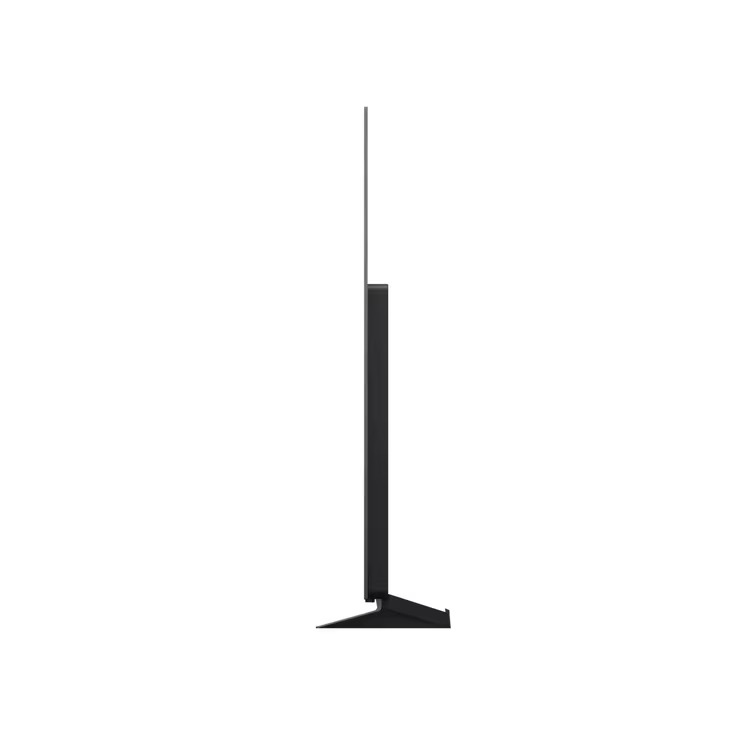
The most important thing to understand is that "LG C6" is now a family rather than a single uniform TV. The standard C6 covers 42, 48, 55 and 65 inches. The C6H covers the two largest sizes, 77 and 83 inches. LG is also releasing a C6S as a lower-end entry in the broader C6 family.
That size split is not just a bit of marketing housekeeping. It affects the panel technology and brightness system you're buying. The standard C6 models use WOLED EX panel technology, with Brightness Booster Standard on the 48, 55 and 65-inch versions. The C6H models step up to Primary RGB Tandem OLED 2.0, Brightness Booster Pro and Hyper Radiant Colour Technology. That makes the large-screen C6H much more than a stretched C6.
For UK living rooms, the practical choice will often come down to your room size and viewing distance. A 42-inch C6 makes sense as a bedroom TV, compact living-room OLED or high-end gaming monitor alternative. The 48 and 55-inch models are likely to be the sweet spot for smaller lounges and flats. The 65-inch C6 is the mainstream home-cinema size and the one I'd expect many buyers to shortlist first. Once you move to 77 or 83 inches, the C6H becomes especially interesting because of its brighter panel architecture.
LG C6
The standard C Series model for 42, 48, 55 and 65-inch buyers, built around WOLED EX panel technology and the core 2026 C Series feature set.
LG C6H
The large-screen version at 77 and 83 inches, upgraded with Primary RGB Tandem OLED 2.0, Brightness Booster Pro and Hyper Radiant Colour Technology.
Same processing class
The C6 and C6H use LG's Alpha 11 AI Processor Gen 3, bringing LG's most powerful Dual AI Engine to the range.
Gaming-first OLED DNA
Across the key C6 models, the pitch is very clear: fast response, high refresh, VRR support and wide compatibility with modern consoles and gaming PCs.
UK buying tip: pay close attention to the exact model suffix and screen size when comparing retailer listings. In 2026, the C6 name does not tell the whole story by itself; the 77 and 83-inch C6H models are technically different from the smaller standard C6 sizes.
LG C6 OLED Specs at a Glance
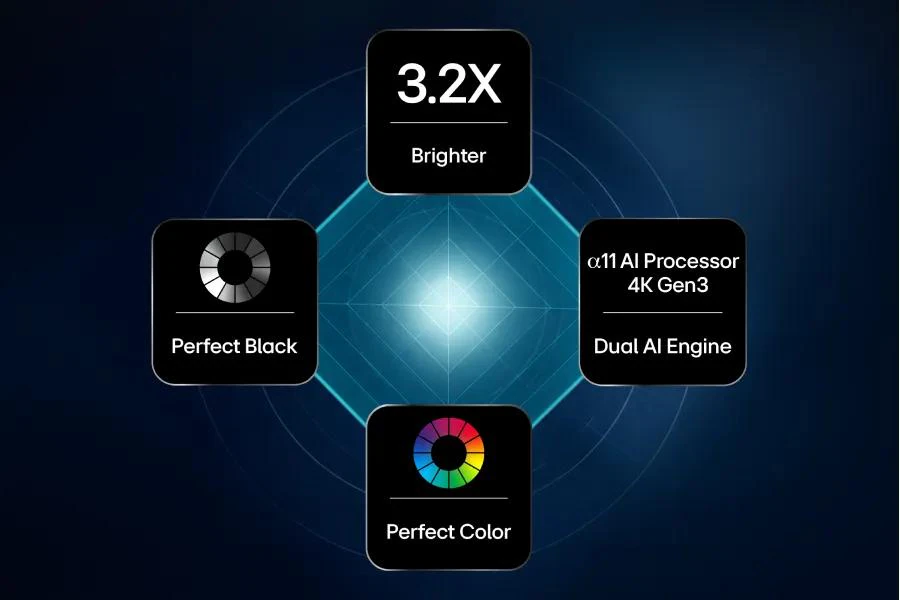
The standard LG C6 is a 4K OLED TV with a 3840 × 2160 resolution, a refresh rate of up to 165Hz and a 0.1ms response time. It supports Dolby Vision, HDR10 and HLG, and it runs webOS 2026 with Google Cast and AirPlay built in. For gamers, the key boxes are ticked: four HDMI 2.1 ports, VRR, NVIDIA G-Sync and AMD FreeSync Premium.
The processing upgrade is also notable. The C6 uses LG's Alpha 11 AI Processor Gen 3. LG describes it as its most powerful Dual AI Engine, with 5.6× greater AI neural processing, 50% faster operation and 70% improved graphics compared with its reference point. I wouldn't buy a TV on processor marketing alone, but the processor matters on an OLED because it touches almost everything: upscaling, motion, tone mapping, noise reduction, colour handling and how cleanly the TV manages compressed streaming sources.
The C6 keeps the familiar C Series formula but adds a faster panel, stronger processing and a more complex size split.
On paper, this is a very complete specification for a premium living-room TV. What I particularly like is that LG has not treated gaming as an afterthought. Some TVs offer excellent film performance but compromise on HDMI bandwidth, refresh rate or VRR support. The C6 is clearly designed for households where the same screen might be used for Netflix, Sky, 4K Blu-ray, PS5, Xbox and a gaming PC.
It is also worth mentioning the everyday quality-of-life features. Google Cast and AirPlay are built in, which is handy in mixed Android and Apple households. Voice control is built in too. LG Shield adds real-time malware and virus scanning plus automatic updates, and OLED Care remains part of the package for panel longevity management. The C6 is also eyesafe RP40 Verified for reduced blue light.
Picture Quality: OLED Blacks, Stronger HDR and Better Processing
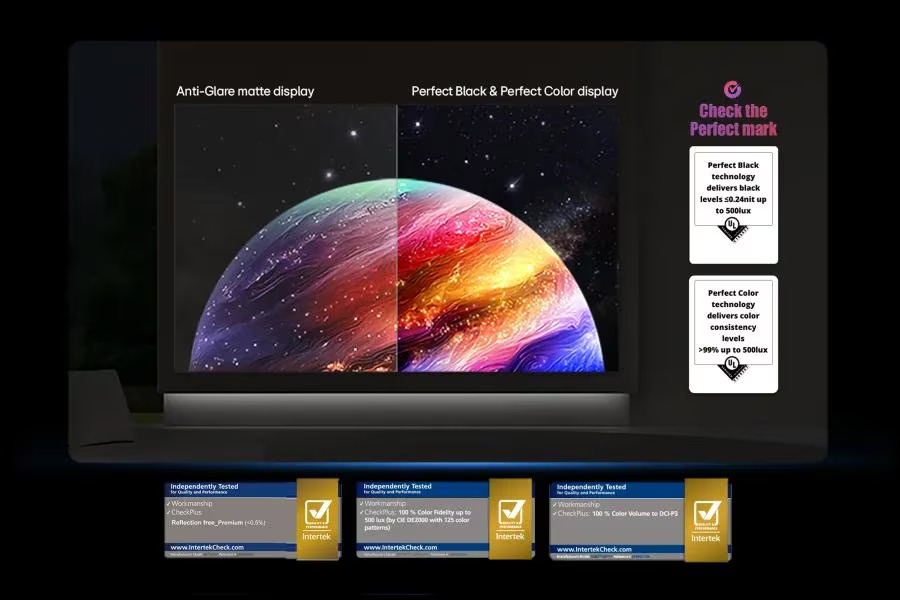
The LG C6's biggest strength remains the thing OLED does best: black level control. LG's 2026 OLEDs carry Perfect Black verification from UL Solutions, with black levels of no more than 0.24 nit up to 500 lux. That "up to 500 lux" bit is important because it reflects performance in a lit environment, not just a pitch-black test room. In normal terms, dark scenes should retain the inky depth that makes OLED so satisfying, whilst still holding up in a lounge with lamps on.
Colour consistency is another strong point. LG's OLEDs are verified for more than 99% colour consistency up to 500 lux, and the company's OLED TVs consistently score under 1.5 Delta-E in colour accuracy testing, where anything under 3 is considered great. That means the C6 should look natural rather than cartoonishly overcooked when set up sensibly. Skin tones, shadow gradients and subtle colour shifts in films are exactly where this sort of accuracy pays off.
Brightness is the more interesting story. The 65-inch C6 has reached approximately 1,400 nits in a 10% HDR window in early lab measurements, and around 270 nits full-screen HDR brightness. For a standard C Series OLED, that is a punchy result. It means HDR specular highlights — reflections on metal, sunlight glints, neon signage, fire, bright skies — have more pop than you might expect from older mid-range OLED sets.
Compared with the LG C5, the C6's brightness gain is not subtle on a spec sheet. Lab comparisons point to a 200–300 nit brightness difference between the C5 and C6, with only a couple of percentage points between them in colour volume. That tells you something useful: the C6 is less about reinventing LG's colour character and more about giving HDR highlights more headroom. If you already own a C5, this is not an automatic upgrade for every viewer. If you are coming from an older C Series or a dimmer OLED, however, the improvement will be easier to appreciate.
The standard 65-inch C6 has measured around 1,400 nits in a 10% HDR window, giving HDR highlights more punch than older mid-range OLEDs.
The C6 also uses 13-bit image processing, described as 12-bit colour plus one bit of brightness. I'd treat that as a processing story rather than a reason to expect native 13-bit content, but it does speak to how LG is trying to refine gradation and luminance control. With OLED, the battle is often in the near-black and highlight detail: too aggressive and you crush shadow nuance; too timid and HDR loses sparkle. The stronger processor and enhanced brightness handling should help the C6 walk that line more confidently.
My picture-quality take
If you mostly watch films and prestige TV in the evening, the standard C6 already looks like a beautifully balanced choice. If your room is bright, or you want the biggest OLED with maximum HDR impact, the C6H's Primary RGB Tandem panel and Brightness Booster Pro are the parts of the range I'd focus on.
The one limitation to keep in mind is reflection handling. The standard C6 uses a glossy panel, and the C6H is also described as having a pure glossy panel rather than an anti-reflection coating upgrade. Glossy OLED screens can look wonderfully crisp in controlled lighting, but they are less forgiving if you have a window directly opposite the TV. If your lounge gets bright afternoon sun, placement and curtains still matter.
LG C6 vs LG C5, C6H, G6 and Samsung S90F
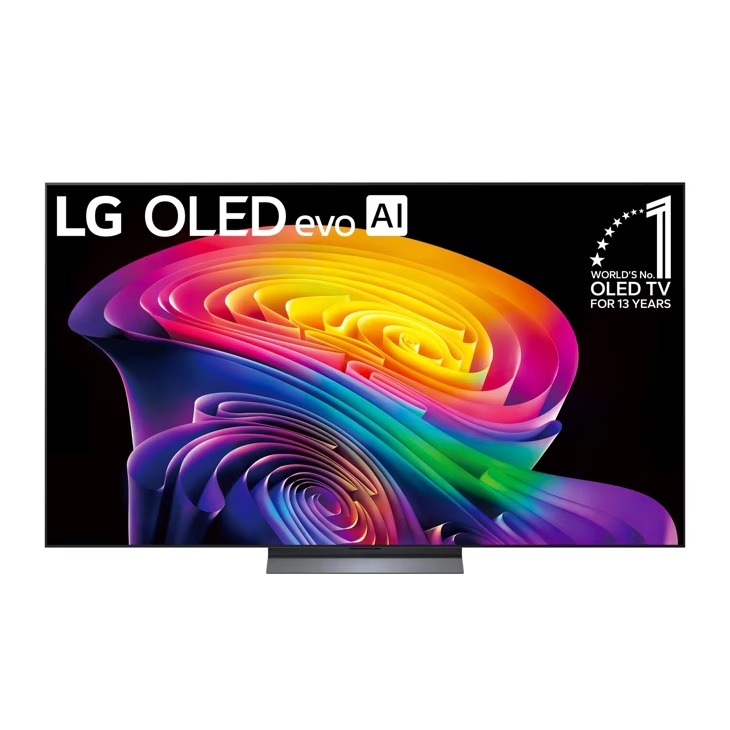
The C6 sits in a crowded premium OLED market, and the most interesting comparisons are not all straightforward. Against the LG C5, the C6 is the cleaner upgrade: faster refresh, stronger brightness and newer processing. Against the C6H, the standard C6 is the smaller-screen option, whilst the C6H is the big-screen brightness play. Against the LG G6, the C6H becomes particularly intriguing because it uses the same Primary RGB Tandem OLED 2.0 panel family as the flagship. Against the Samsung S90F, the C6 is the LG ecosystem option with Dolby Vision, webOS 26 and the familiar C Series gaming toolkit.
For most people, I'd frame it like this. If you are choosing between a discounted LG C5 and a C6, the decision depends on how much you care about HDR brightness and high-refresh PC gaming. If you are choosing between a 65-inch C6 and a 77-inch C6H, the real question is whether your room and seating distance justify the bigger, brighter model. If you are choosing between C6H and G6, you are entering more premium territory where design, installation style and flagship extras matter. If Samsung S90F is on your shortlist, demo both brands with the same films and games, because the best choice may come down to picture preference as much as specification.
| Feature / Buying Point | LG C6 OLED 2026 | LG C5 OLED | LG C6H OLED 2026 | LG G6 OLED | Samsung S90F |
|---|---|---|---|---|---|
| Positioning | Mid-range 2026 LG OLED for 42–65 inches | Previous C Series generation | Large-screen C6 sub-model for 77 and 83 inches | LG flagship OLED range | Samsung OLED alternative for cross-brand shoppers |
| Panel direction | WOLED EX | C Series OLED predecessor | Primary RGB Tandem OLED 2.0 | Uses Primary RGB Tandem panel technology | Best judged in a side-by-side demo if it is on your shortlist |
| Refresh rate | Up to 165Hz | 144Hz | Up to 165Hz gaming support | Flagship LG OLED option | Consider alongside the C6 for gaming and bright-room preferences |
| Brightness notes | 65-inch measured at roughly 1,400 nits HDR 10% window and around 270 nits full-screen HDR | C6 is 200–300 nits brighter in lab comparison | Brightness Booster Pro; estimated around 3,700 nits based on LG's luminance claim | Shares the high-end panel direction used by C6H | Demo with your own content before choosing brand preference |
| HDR formats on C6 side | Dolby Vision, HDR10 and HLG | Previous LG C Series HDR experience | Same core LG HDR direction with brighter large-screen hardware | Premium LG OLED HDR option | Compare HDR tone-mapping style in store |
| Best fit | Most buyers wanting a premium OLED without stepping to a flagship | Deal hunters who do not need the C6's brightness and 165Hz uplift | Big-screen buyers who want the most exciting C Series variant | Buyers who want LG's flagship OLED proposition | Buyers who want to compare LG against Samsung before committing |
The C6H is the key comparison inside LG's own range, because the 77 and 83-inch versions use a more advanced panel architecture.
The C6 versus C5 comparison is probably the easiest to call. The C5 remains relevant if you find a strong offer, but the C6 brings a measurable brightness lift and a higher refresh rate. For console-only players, 144Hz to 165Hz may not transform your life. For PC gamers, it is a more attractive step, especially if you use the TV as a large-format monitor. For film viewers, the brightness uplift is the more meaningful difference.
The C6 versus C6H comparison is more nuanced because it is really about size and panel technology. The 65-inch C6 is likely to be the sensible all-rounder. The 77 and 83-inch C6H models are the exciting cinema-room options. Brightness Booster Pro and the Primary RGB Tandem OLED 2.0 panel should make the C6H better suited to viewers who want a genuinely impactful big-screen HDR experience.
As for the LG G6, the flagship still exists for a reason. But the fact that the C6H uses the same Primary RGB Tandem panel family changes the conversation. If you are considering a large OLED, you should look carefully at what the G6 adds for your particular setup rather than assuming the C Series name automatically means a major panel compromise.
Gaming: One of the Best Reasons to Buy the C6
Gaming is where the LG C6 feels particularly confident. The headline is up to 165Hz refresh, which is a step up from the C5's 144Hz. Add the 0.1ms response time and support for NVIDIA G-Sync, AMD FreeSync Premium and VRR, and you have a TV that is clearly built for more than casual console use.
For PS5 and Xbox Series X owners, the C6 is already overqualified in the best possible way. The four HDMI 2.1 ports make life easier if you have more than one console, a soundbar or AV receiver, and perhaps a gaming PC. You are less likely to be juggling cables or wondering which port has the good features. That sounds mundane, but in real homes it makes a difference.
For PC gamers, the 165Hz panel is the bigger draw. A large OLED running at high refresh with near-instant pixel response can feel spectacular for racing games, shooters, flight sims and anything with fast camera motion. OLED's pixel-level contrast also gives darker games a level of atmosphere that even good LCD sets can struggle to match. If you play horror, sci-fi or cinematic single-player titles, the C6's black level performance is not just a movie benefit.
165Hz refresh
The C6 moves beyond the C5's 144Hz ceiling, making it more attractive as a high-end PC gaming display.
0.1ms response
OLED's rapid response keeps motion crisp and helps fast games feel immediate rather than smeary.
VRR support
Variable refresh rate support helps smooth out frame-rate fluctuations from compatible consoles and PCs.
G-Sync and FreeSync Premium
Support for both NVIDIA G-Sync and AMD FreeSync Premium makes the C6 flexible for different PC graphics card setups.
The 42-inch C6 is worth calling out for desks and smaller rooms. A 42-inch OLED is still big as a monitor, but it is far more plausible than a 55 or 65-inch screen if you want a hybrid gaming and work setup. The usual OLED care habits apply — avoid leaving static desktop elements on screen all day, use the built-in OLED Care features and let the TV run its maintenance routines — but the appeal is obvious.
Gaming advice
If you only play on console, the C6's 165Hz panel is nice rather than essential. If you have a capable gaming PC, it becomes one of the strongest reasons to choose the C6 over the C5.
webOS 26: Smarter, More Connected and More AI-Heavy
webOS 26 is another major part of the LG C6 story. LG's TV software has been around long enough that most people know the basics: app launcher, home screen, recommendations, inputs, settings and the Magic Remote style of navigation. For 2026, the more notable additions are the AI integrations, with webOS 2026 powered by Google Gemini and Microsoft Copilot.
I'm cautiously optimistic here. AI on TVs can easily drift into gimmick territory, especially when it starts promising to "understand" what you want without actually making the TV easier to use. But there are sensible use cases: better search, more natural voice interaction, smarter recommendations, quicker help with settings and more useful explanations when you are trying to adjust picture or sound modes. The key will be whether LG keeps it helpful rather than intrusive.
Google Cast and AirPlay being built in is a practical win. In a typical UK household, you may have an Android phone, an iPhone, a Windows laptop, an iPad and guests on a mixture of devices. Built-in casting support makes the TV easier to live with because you are not forced into one ecosystem. It is also useful for quick photo sharing, YouTube casting and sending content from apps that are easier to browse on a phone.
webOS 26 brings Google Gemini and Microsoft Copilot into LG's smart TV platform, alongside Google Cast and AirPlay support.
Google Gemini and Microsoft Copilot
webOS 2026 leans harder into AI assistance, with the potential for more natural search, help and interaction.
LG Shield
Real-time malware and virus scanning plus automatic updates add a welcome layer of security to a connected TV.
Google Cast and AirPlay
Built-in support makes the C6 easy to share to from both Android and Apple devices.
eyesafe RP40 Verified
The C6 includes reduced blue light credentials, which is useful for long evening viewing and gaming sessions.
LG Shield is also worth a mention because TVs are now proper connected computers. They run apps, store logins, receive updates and sit on your home network for years. Real-time malware and virus scanning is not the sort of feature that sells a TV on the shop floor, but it is reassuring. Automatic updates also matter because smart TV platforms live or die by long-term maintenance.
My only concern with webOS is the same one I have with most modern TV operating systems: clutter. Premium TVs increasingly want to be content portals, advertising spaces, smart home hubs and gaming dashboards all at once. The C6 has the hardware and processing to feel slick, but I'd still recommend spending time customising the home screen, disabling anything you do not use and setting up your favourite apps properly on day one.
Sound Quality: Fine for TV, But Budget for a Soundbar
The LG C6's built-in audio system is rated at 40W in a 2.2-channel configuration with a dedicated 20W woofer. It supports Dolby Atmos, DTS:X, AI Pro Sound and Dolby Atmos FlexConnect. That is a solid feature list, and for everyday viewing — news, panel shows, YouTube, casual streaming and sports commentary — it should be perfectly usable.
However, physics still wins. Slim OLED TVs do not have the cabinet volume needed for deep, room-filling bass. Audio testing points to very little bass below 100Hz, which is exactly the sort of limitation you notice in films, games and big TV dramas. Explosions lack weight, orchestral scores do not swell as convincingly and atmospheric low-end effects can feel more hinted at than felt.
That does not mean the C6 has poor sound; it means you should set expectations sensibly. Dialogue clarity and basic spaciousness matter for everyday use, and LG's processing can help create a broader presentation than the speaker layout suggests. But if you are buying a premium OLED for a main lounge, I'd absolutely factor in a soundbar or proper speaker setup. A TV with this level of picture quality deserves audio that can keep up.
Soundbar advice: the C6 supports Dolby Atmos and DTS:X, so pairing it with a capable soundbar or AV system makes sense if you watch films, stream premium dramas or play cinematic games regularly.
Dolby Atmos FlexConnect is the intriguing part for people who like flexible setups. It is designed around a more adaptable approach to combining TV and compatible speakers, rather than assuming everyone has a traditional soundbar directly below the screen. For UK homes where fireplaces, alcoves and awkward furniture layouts often dictate TV placement, flexibility is welcome.
Buying Options and Current Offers
Shopping around? Check the latest price and any current bundles on Amazon.
When you compare listings, look beyond the screen size and headline name. The 2026 C Series range is segmented, and the difference between a standard C6 and a C6H is meaningful. If you are buying online, double-check the exact model name, panel description and size before you order. If you are buying in store, ask which C6 variant is on display, because a 65-inch C6 demo will not tell you everything about a 77-inch C6H, and vice versa.
I'd also pay attention to bundles. OLED TVs are often sold with soundbars, wall-mounting offers, installation packages or extended cover. I am not saying you should automatically take a bundle, but with a TV like the C6, the right soundbar deal can make more real-world difference than a small saving on the screen alone.
Who Should Buy the LG C6 OLED?
The LG C6 is not just for one type of buyer. That is part of its charm, but also why you need to choose carefully. A 42-inch C6 used as a gaming display is a very different purchase from an 83-inch C6H used as a cinema-room centrepiece. The core OLED strengths are shared, but the best model depends on how you actually watch.
The premium living-room upgrader
Choose the 55 or 65-inch C6 if you want a high-quality OLED for streaming, films, sport and console gaming without jumping to LG's flagship line.
The PC gamer
The 42 or 48-inch C6 is especially appealing if you want OLED contrast, 0.1ms response, VRR and up to 165Hz in a desk-friendly or small-room size.
The big-screen film fan
Look at the 77 or 83-inch C6H if you want the most exciting C Series picture hardware, including Primary RGB Tandem OLED 2.0 and Brightness Booster Pro.
The mixed-light viewer
The C6's verified black levels and improved brightness help in normal rooms, but avoid placing the glossy panel opposite strong windows if you can.
The C5 owner
Upgrade only if the 200–300 nit brightness lift, 165Hz refresh or C6H panel jump fits your use. Otherwise, the C5 remains a very capable OLED.
The undecided Samsung shopper
If Samsung S90F is also on your list, compare both in person with the same HDR clips and games. The C6's LG ecosystem and Dolby Vision support are key reasons to keep it on the shortlist.
Who should skip it? If your room is extremely bright and you cannot control reflections, the glossy panel may frustrate you. If you never game, never watch HDR and mostly use the TV for daytime broadcast viewing, you may not appreciate everything the C6 does well. And if built-in sound quality is your top priority, you will still want external audio to get the best from films and games.
For most enthusiasts, though, the C6 looks like the classic "buy this unless you know you need the flagship" OLED. The standard models make sense for normal homes, whilst the C6H gives big-screen buyers a genuinely tempting step-up path inside the C Series badge.
LG C6 OLED FAQ
For UK buyers, the LG C6's appeal depends heavily on size: standard C6 for most rooms, C6H for larger cinematic setups.
Final Verdict: The C Series Gets More Serious
The LG C6 OLED is exactly the sort of TV I like reviewing because it is not just a mild yearly refresh. Yes, it still behaves like a C Series OLED: excellent black levels, refined colour, wide gaming support and a smart platform that most buyers will understand quickly. But the 2026 changes give it a sharper identity. The move to up to 165Hz makes it more credible for high-end PC gaming. The 65-inch model's roughly 1,400-nit HDR 10% window result gives the standard C6 more brightness authority. And the C6H models make the large-screen end of the range genuinely exciting.
The C6 is not perfect. The glossy panel needs sensible placement, the built-in sound deserves help from a soundbar, and the expanded C Series naming makes the range more complicated than before. But those are manageable issues rather than deal-breakers. In the areas that matter most — contrast, HDR impact, gaming responsiveness and feature depth — the C6 looks very strong.
Gadget Scout Verdict
The LG C6 OLED is one of 2026's most appealing premium OLED buys for UK shoppers, especially if you want a TV that handles films, streaming and serious gaming equally well. The standard 55 and 65-inch models are the sensible mainstream picks, whilst the 77 and 83-inch C6H versions are the ones to watch if you want a large OLED with flagship-grade panel ambition.
- Buy the standard C6 for a premium all-round OLED in 42, 48, 55 or 65 inches.
- Buy the C6H if you want a 77 or 83-inch OLED with Primary RGB Tandem panel technology and Brightness Booster Pro.
- Consider the C5 only if the deal is strong and you do not need the C6's brightness and 165Hz refresh uplift.
- Compare with Samsung S90F in person if you are open to switching brand ecosystems and want to judge picture style with your own eyes.
My bottom line is simple: if you are buying a new OLED in 2026 and want the safest premium recommendation without automatically climbing to a flagship, the LG C6 should be very high on your shortlist. Just make sure you pick the right size — because this year, the size you choose changes the TV you get.
See LG C6 OLED 65-inch on Amazon UK
Check today's price & availability on Amazon UK
- LG C6 OLED 65-inchView on Amazon
- LG C6 OLED 77-inchView on Amazon