
iPhone 17 vs iPhone Air: Which Apple Phone Should You Buy?
Apple's mainstream iPhone 17 is the safer all-rounder, whilst the iPhone Air is the head-turning ultra-slim option. Here's how they compare for value, cameras, battery life, performance and everyday portability.
The iPhone 17 and iPhone Air take very different approaches: practical versatility versus ultra-thin design.
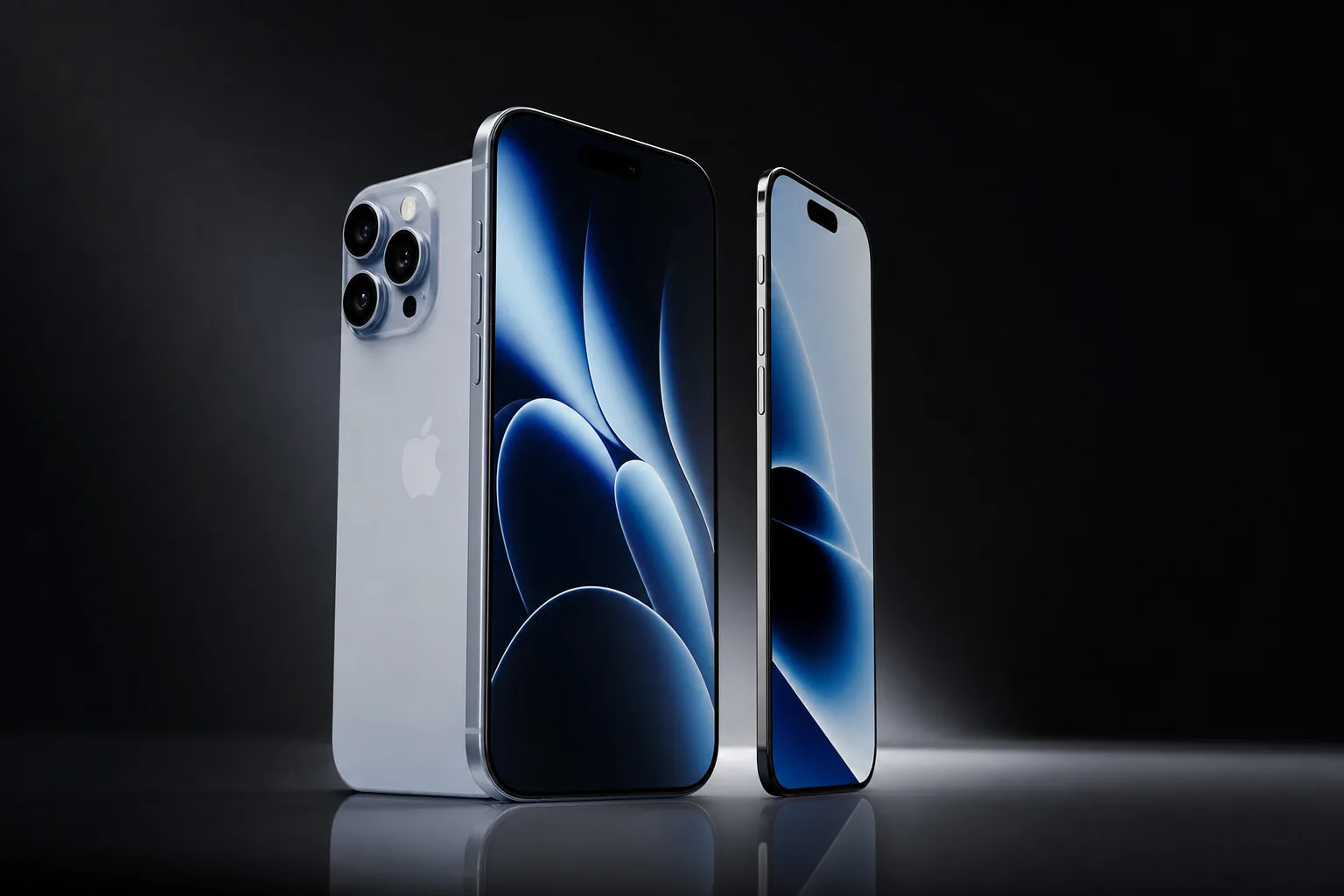
We link to the exact model on Amazon UK. Prices change often, so check the live price before you buy. As an Amazon Associate we earn from qualifying purchases.
If you're choosing between the iPhone 17 and iPhone Air in the UK, the decision is less about which one is "better" and more about which compromise you're happier living with. The iPhone 17 gives you stronger camera flexibility, longer rated battery life and a lower starting price. The iPhone Air gives you a larger 6.5-inch display, a lighter 165g body, a titanium frame and Apple's A19 Pro chip — but it trims back the camera system, speaker setup and battery headroom to get there.

See Apple iPhone 17 (256GB, Black) on Amazon UK
Check today's price & availability on Amazon UK
See Apple iPhone 17 (256GB, Black) on Amazon UK
Check today's price & availability on Amazon UK
What we'll cover
- Quick verdict for UK buyers
- Core specs side by side
- Price and value
- Design, materials and portability
- Display quality
- A19 vs A19 Pro performance
- Battery life and charging
- Camera differences
- Connectivity and everyday details
- Final recommendation and FAQ
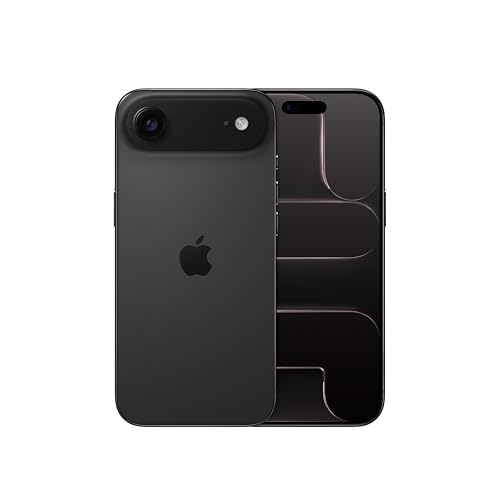
See Apple iPhone Air on Amazon UK
Check today's price & availability on Amazon UK
Quick verdict: iPhone 17 is the sensible buy, iPhone Air is the emotional one
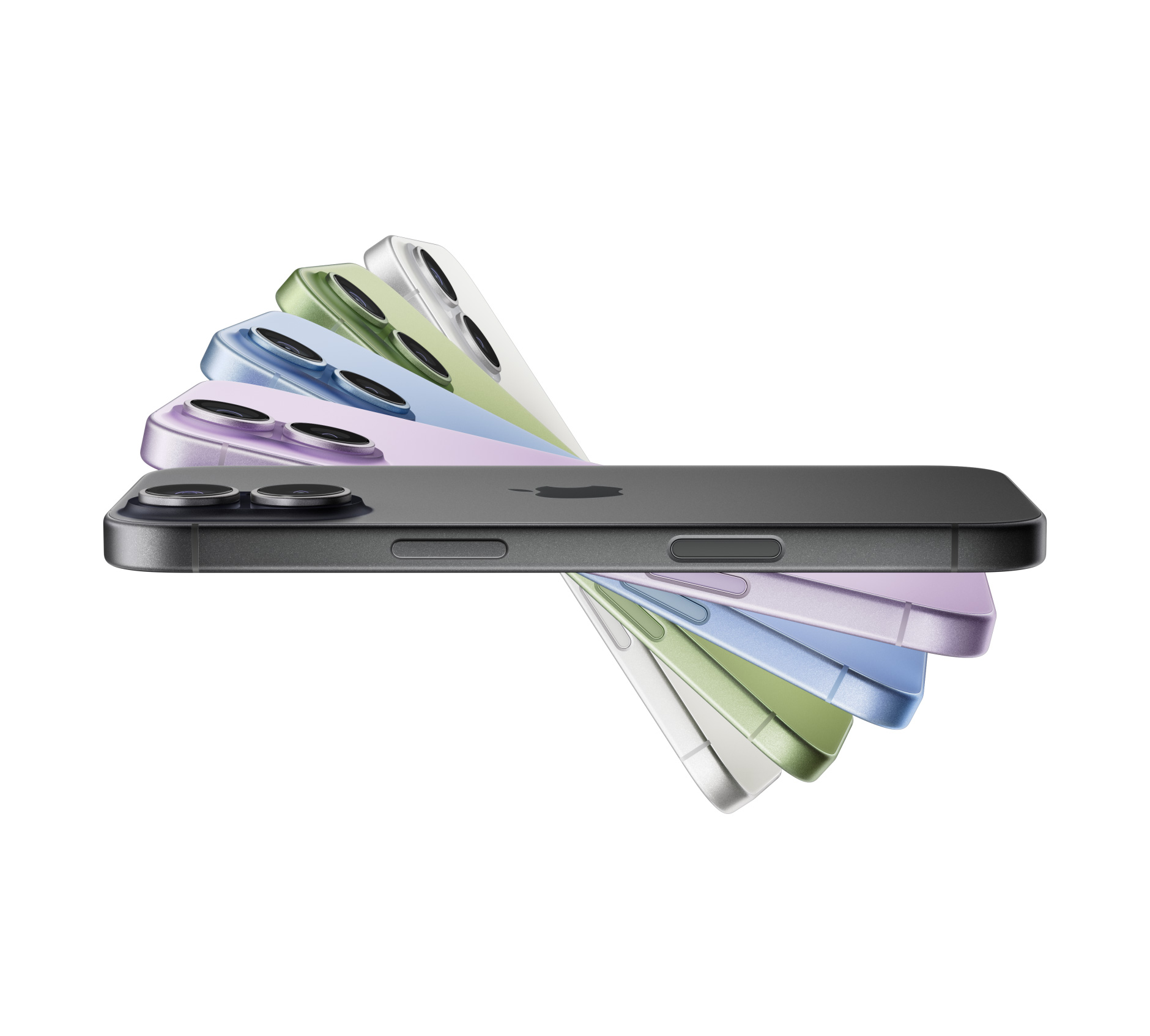
The simplest way to frame this comparison is that the iPhone 17 is the phone I'd recommend to most people, whilst the iPhone Air is the one I completely understand people wanting anyway. The iPhone 17 is more conventional, but that is precisely its strength. It has a 6.3-inch 120Hz OLED display, Apple's A19 chip, 8GB of RAM, a dual 48MP rear camera system, an 18MP Center Stage front camera, IP68 water resistance, MagSafe up to 25W and Apple-rated video playback of up to 30 hours. It starts at £799 with 256GB storage.
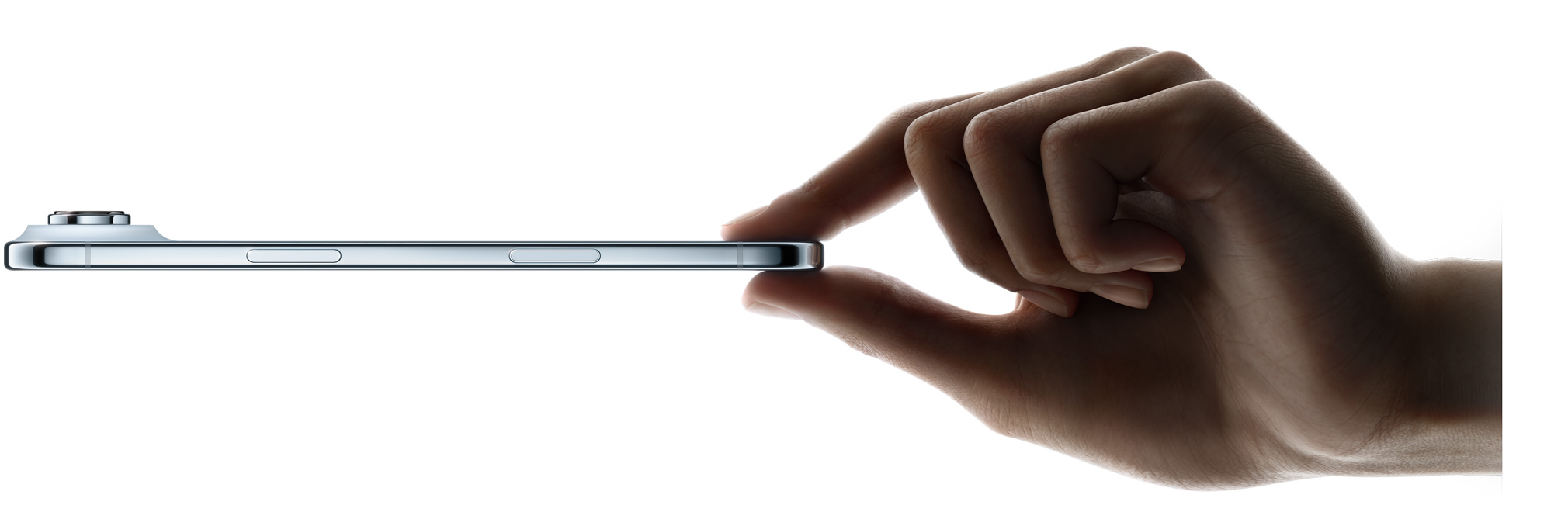
The iPhone Air, meanwhile, is Apple leaning hard into design. It has a larger 6.5-inch Super Retina XDR OLED display, a body that is just 5.6mm thick at the main chassis, and a weight of only 165g. That is particularly striking because it is lighter than the iPhone 17 despite having the larger screen. It also uses a flat-sided Grade 5 titanium frame, includes 12GB of RAM, and runs the A19 Pro chip with a 6-core CPU, 5-core GPU and 16-core Neural Engine. But the Air's single 48MP rear camera, smaller 3,149 mAh battery and mono speaker are meaningful trade-offs.
For most UK buyers, the iPhone 17 is the better value and the easier recommendation. It costs £200 less, offers more camera versatility and is rated for longer video and streaming playback. But if you want a phone that feels genuinely different in the hand, and you're willing to accept a less flexible camera system, the iPhone Air is the more exciting device.
Choose iPhone 17 if...
- You want the best balance of price, cameras and battery life.
- You regularly use an ultrawide camera or macro-style close-up shooting.
- You prefer faster MagSafe charging, with support up to 25W.
- You want Apple-rated video playback of up to 30 hours.
- You want to spend from £799 rather than £999.
Choose iPhone Air if...
- You care most about slimness, lightness and premium materials.
- You want a larger 6.5-inch display in a surprisingly light body.
- You like the idea of A19 Pro and 12GB RAM in a non-Pro iPhone.
- You can live with a single rear camera.
- You're happy paying £999 or more for the design.
iPhone 17 vs iPhone Air specs at a glance
The iPhone 17 and iPhone Air look close in some areas and worlds apart in others. Both have OLED Super Retina XDR displays with up to 120Hz refresh rates, 3000 nits peak brightness, Ceramic Shield 2 on the front, USB-C, iOS 26, the Action button, Camera Control, Wi‑Fi 7, Bluetooth 6, Thread, 5G and eSIM-only connectivity. Both also use an 18MP Center Stage front camera with Apple's square sensor design and both support 4K Dolby Vision video.
Where they diverge is more important. The iPhone 17 has a smaller 6.3-inch screen, but a bigger 3,692 mAh battery and a dual rear camera system: 48MP Fusion Main plus 48MP Fusion Ultra Wide. The iPhone Air has a larger 6.5-inch screen, but a smaller 3,149 mAh battery and a single 48MP Fusion Main camera. The iPhone 17 is 177g and 8mm thick; the iPhone Air is 165g and 5.6mm thick at the body, though 11.3mm at the camera plateau.
The iPhone Air's slim body is the headline, but the iPhone 17's dual-camera setup makes it the more practical daily shooter.
| Feature | iPhone 17 | iPhone Air |
|---|---|---|
| Starting price | £799 | £999 launch price |
| Storage options | 256GB, 512GB | 256GB, 512GB, 1TB |
| Display | 6.3-inch OLED Super Retina XDR, 2622×1206, 460 ppi, 120Hz ProMotion | 6.5-inch Super Retina XDR OLED, 2736×1260, 460 ppi, up to 120Hz |
| Peak brightness | 3000 nits | 3000 nits |
| Chip and memory | A19, 5-core GPU, 8GB RAM | A19 Pro, 5-core GPU, 12GB RAM |
| Rear cameras | 48MP Fusion Main + 48MP Fusion Ultra Wide | 48MP Fusion Main only |
| Battery rating | Up to 30 hours video playback; up to 27 hours streaming | 27 hours video playback; up to 22 hours streaming |
| Charging | Up to 50% in 20 minutes with 40W adapter; MagSafe up to 25W | Up to 50% in 30 minutes with 20W adapter or higher; MagSafe up to 20W |
| Build | Ceramic Shield 2 front, aluminium frame, glass back | Ceramic Shield 2 front, Ceramic Shield back, Grade 5 titanium frame |
| Dimensions and weight | 149.6 x 71.5 x 8mm; 177g | 156.2 x 74.7 x 5.6mm; 165g |
| Connectivity | Wi‑Fi 7, Bluetooth 6, Thread, 5G, Qualcomm Snapdragon X80 modem | Wi‑Fi 7, Bluetooth 6, Thread, 5G, Apple C1X modem |
| Speaker | — | Mono |
| Buy | Check price | |
| Buy | Check price | Check price |
UK price and value: the £200 question
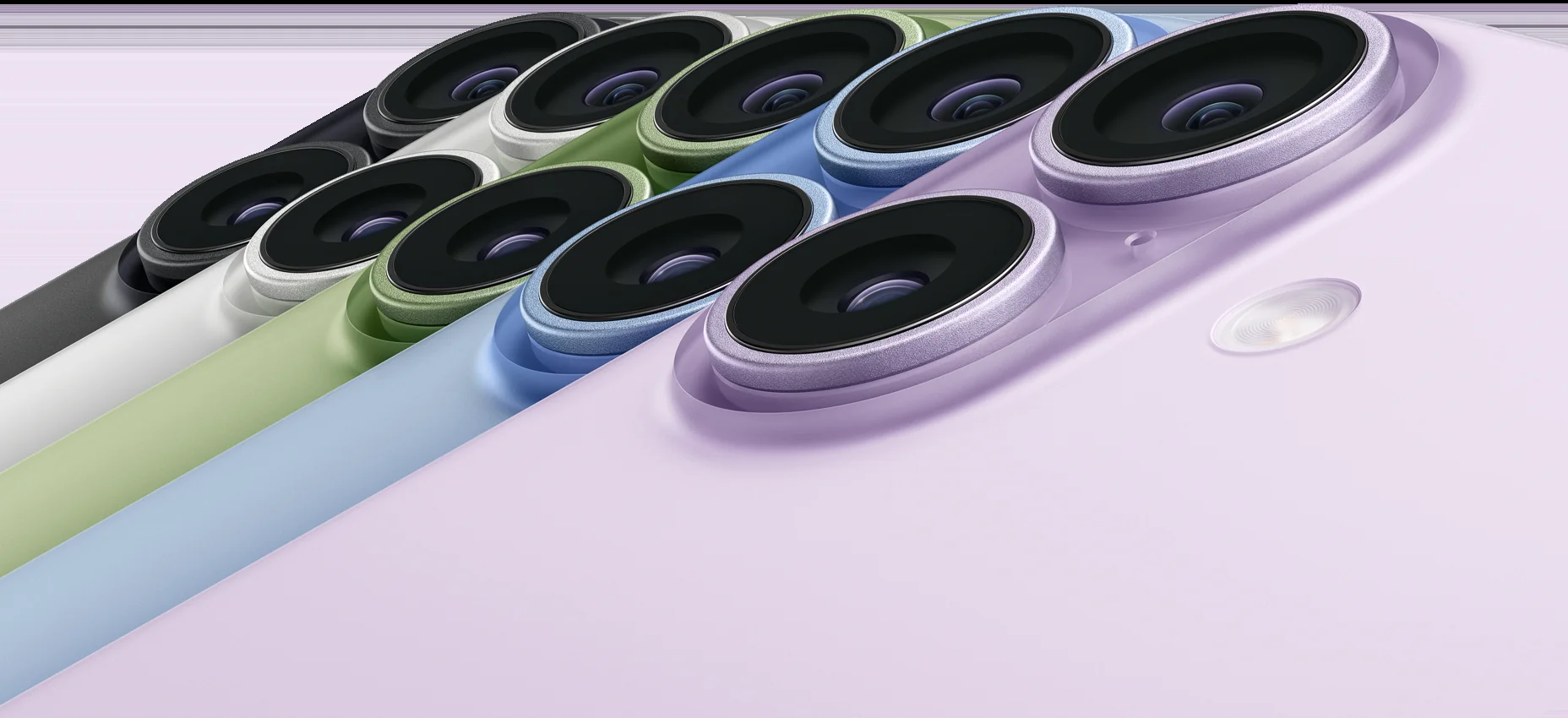
The iPhone 17 starts at £799, whilst the iPhone Air starts at £999. In the shared 256GB and 512GB configurations, the Air is £200 more expensive. The Air also offers a 1TB option, which the iPhone 17 does not. That alone tells you quite a lot about Apple's positioning: the iPhone 17 is the mainstream default, whilst the Air is the lifestyle-led premium alternative for people who want the design enough to pay extra.
From a pure value perspective, I find the iPhone 17 difficult to argue against. At £799, you're getting the same 256GB starting storage as the Air, a 120Hz always-on OLED display, Wi‑Fi 7, Bluetooth 6, an Action button, Camera Control, USB-C and two 48MP rear cameras. The battery is also larger and Apple rates it for up to 30 hours of video playback, compared with 27 hours on the Air. For most people, those are tangible advantages that show up every week.
The iPhone Air's value is more subjective. Its £999 starting price buys you the ultra-thin titanium design, a bigger 6.5-inch screen, the A19 Pro chip, 12GB RAM and a 1TB storage ceiling if you need it. Those things matter, but not equally to everyone. If your phone is your main camera, the lack of an ultrawide lens is a bigger downside than the extra RAM is an upside. If you mainly browse, message, watch video and care about how the phone feels, the Air starts making more sense.
iPhone 17
256GB or 512GB storage. The stronger value pick if you want dual rear cameras, longer rated playback and a lower starting price.
iPhone Air
256GB, 512GB or 1TB storage. The premium design choice, with A19 Pro, 12GB RAM and an exceptionally slim 165g body.
My value take
If you're buying outright in the UK, I'd put the iPhone 17 at the top of the shortlist first. The iPhone Air is worth considering if you have already decided that thinness and lightness are the features you'll appreciate every single day. Otherwise, the £200 saving and better camera flexibility make the iPhone 17 the calmer, smarter buy.
Design and portability: the Air earns its name
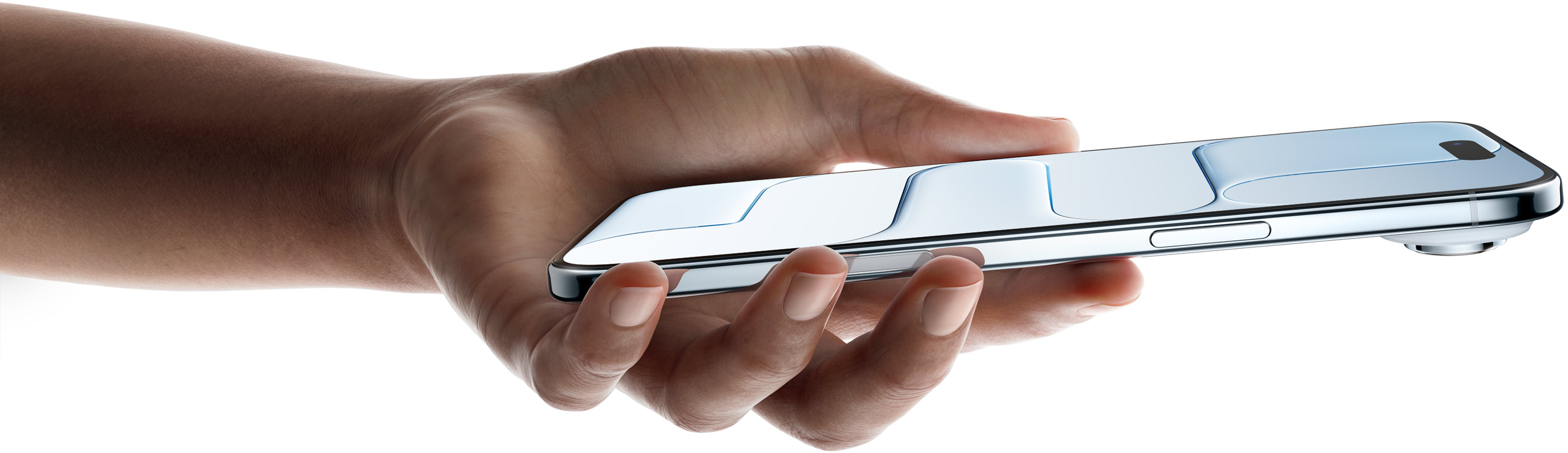
This is the section where the iPhone Air pulls away. The iPhone 17 is not a chunky phone by normal standards: it measures 149.6 x 71.5 x 8mm and weighs 177g. That is a comfortable size for a modern iPhone, and the 6.3-inch display hits a sweet spot for one-handed use, pocketability and typing. It has a Ceramic Shield 2 front, aluminium frame and glass back, with IP68 protection rated to a maximum depth of 6 metres for up to 30 minutes.
The iPhone Air is a more dramatic object. It measures 156.2 x 74.7 x 5.6mm and weighs 165g, which means it is taller and wider than the iPhone 17, yet 12g lighter. Its Grade 5 titanium frame is built with 80% recycled titanium, and Apple uses Ceramic Shield 2 on the front plus Ceramic Shield on the back. Apple says the back glass is 4x more crack-resistant than iPhone 16, whilst the front Ceramic Shield 2 brings 3x better scratch resistance than iPhone 16.
The important caveat is the camera plateau. The iPhone Air is 5.6mm at the body, but 11.3mm at the raised plateau area. That does not undo the design achievement, but it does mean the phone is not uniformly wafer-thin across its whole rear surface. In the hand, the main chassis is what you notice most, but on a table or in a case, that raised section still matters.
For portability, the Air is more impressive than the spec sheet initially suggests. A 6.5-inch phone at 165g is genuinely unusual. It should appeal to anyone who wants a larger screen but dislikes heavy phones. The iPhone 17 is smaller, though, and that makes it easier to reach across the screen. If you have smaller hands, the standard model may still be the more comfortable choice despite being heavier.
iPhone 17: compact practicality
The 149.6 x 71.5 x 8mm frame keeps it easier to manage one-handed than the larger Air.
iPhone Air: bigger but lighter
At 165g, it weighs less than the iPhone 17 despite carrying a larger 6.5-inch display.
Durability credentials
Both are IP68 rated to 6 metres for up to 30 minutes and use Ceramic Shield 2 on the front.
Material difference
The iPhone 17 uses aluminium, whilst the Air steps up to a Grade 5 titanium frame.
The iPhone Air is the design-led option, especially for buyers who want a larger screen without a heavy phone.
Display: both are excellent, but the Air gives you more canvas
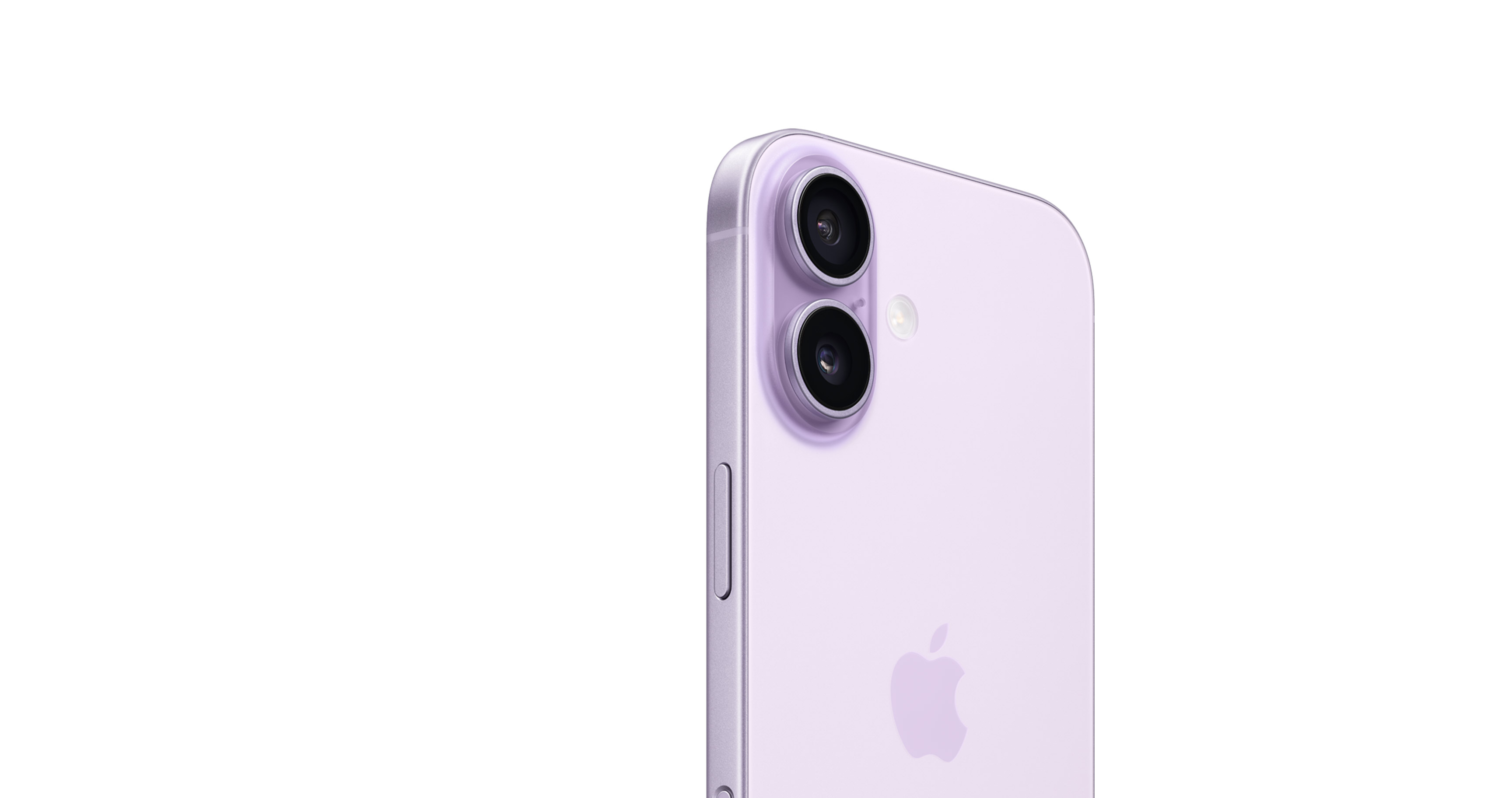
On display quality, there is no bad option here. The iPhone 17 has a 6.3-inch OLED Super Retina XDR panel with 120Hz ProMotion, a 2622×1206 resolution at 460 ppi and 3000 nits peak brightness. It also supports an always-on display. That combination is a major part of why the standard iPhone 17 feels like such a complete all-rounder: you are not dropping down to a basic screen just because you skipped the Air or Pro models.
The iPhone Air has a 6.5-inch Super Retina XDR OLED display, also at 460 ppi, with a 2736×1260 resolution, 3000 nits peak brightness and up to 120Hz refresh. Its always-on display can adjust down to 1Hz when not in use. The extra 0.2 inches may not sound enormous, but it does make the Air the nicer device for reading longer articles, watching video, viewing maps and editing photos. It is the more spacious phone.
The question is whether you want that extra space enough to accept the rest of the Air's trade-offs. The iPhone 17's 6.3-inch screen is already generous, and because the phone is narrower and shorter, it is likely to feel less cumbersome when typing on the move or using it one-handed on the train. The Air is better for lean-back use; the iPhone 17 is better for quick, constant handling.
Both phones reach 3000 nits peak brightness and both have high-density 460 ppi OLED panels. This is not a case where the cheaper model gets a poor screen; the iPhone 17 display is one of its biggest strengths.
Performance: A19 vs A19 Pro is more nuanced than it sounds
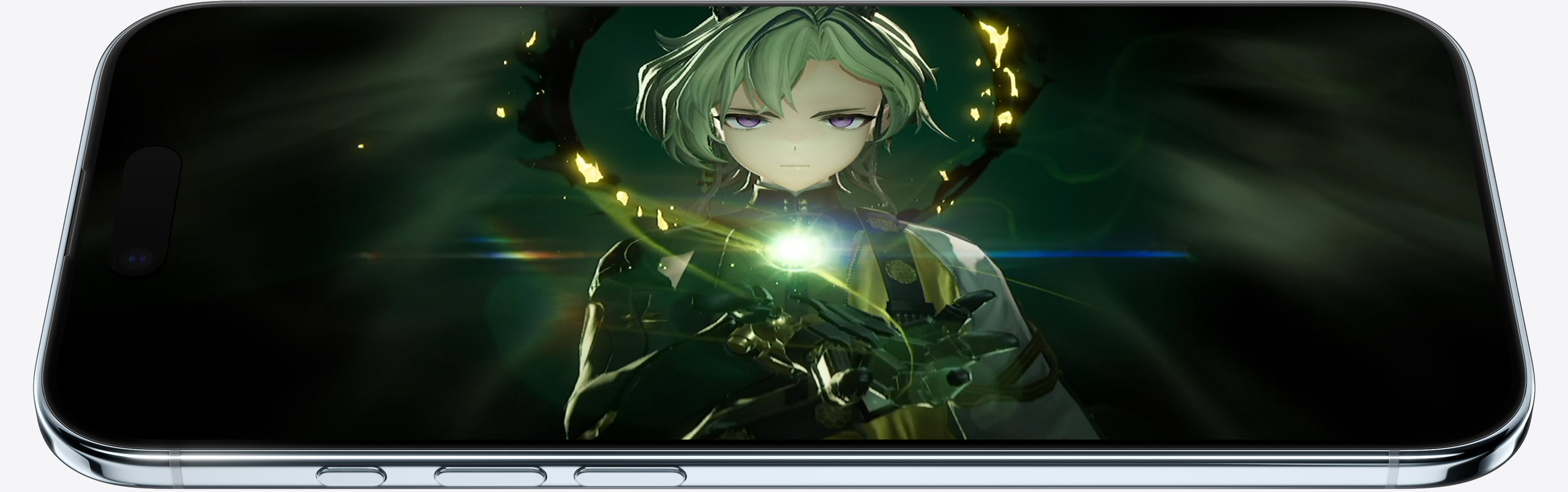
The iPhone 17 uses Apple's A19 chip, built on a 3 nm process, with a hexa-core CPU configuration listed as 2x4.26 GHz performance cores plus four efficiency cores. It has a 5-core Apple GPU and 8GB of RAM. For everyday use, that is a very strong platform. It is not the "lesser" phone in any way that should worry normal buyers. Apps, games, camera processing, iOS 26 features and multitasking are all well within the A19's remit.
The iPhone Air uses the A19 Pro chip, also on a 3 nm process, with a 6-core CPU, 5-core GPU and 16-core Neural Engine. It also has 12GB of RAM. That gives it more memory headroom than the iPhone 17, which may matter if you keep a lot of apps open, work with heavier creative workflows, or simply want the model with more future-facing overhead. It is worth noting, though, that the iPhone Air's A19 Pro is not identical to the highest GPU configuration in the iPhone 17 Pro line: the iPhone 17 Pro version has a 6-core GPU, whereas the Air has a 5-core GPU.
That makes the chip story slightly unusual. The Air has the Pro-branded chip and more RAM, but it is not a camera-focused or battery-focused Pro phone. It is more like a design showcase with high-end silicon inside. If you are comparing only the iPhone 17 and Air, the Air has the specification advantage for memory and chip branding. But because both have a 5-core GPU, and both use a hexa-core CPU arrangement, the iPhone 17 is not left behind in the way some buyers might assume.
Both the A19 and A19 Pro devices in this generation include Memory Integrity Enforcement, which is one of those security features most people will never think about but everyone benefits from. For a buying guide, the more practical message is this: do not buy the iPhone Air solely because you think the iPhone 17 will feel slow. The iPhone 17 has more than enough performance for the vast majority of users. Buy the Air if you want the design, display size and extra RAM as a package.
Battery life and charging: the iPhone 17 has the advantage
Battery life is where the iPhone Air's slim design extracts a visible cost. The iPhone 17 has a 3,692 mAh battery and is rated for up to 30 hours of video playback or up to 27 hours of streaming video playback. The iPhone Air has a 3,149 mAh battery and is rated for 27 hours of video playback or up to 22 hours of streaming video playback. In other words, the iPhone 17 has a larger battery and better Apple-rated endurance in both quoted playback measures.
The gap is especially relevant for streaming. A difference between up to 27 hours and up to 22 hours may not translate perfectly into every person's daily routine, but it points to the iPhone 17 being the safer choice for heavy travel days, long commutes, lots of mobile data use and evenings when you forget to charge. The Air is not presented as a fragile half-day phone, but it clearly has less headroom.
Charging also favours the iPhone 17. Apple rates it for up to 50% in 20 minutes with a 40W adapter, and MagSafe wireless charging goes up to 25W. The iPhone Air is rated for up to 50% in 30 minutes with a 20W adapter or higher, and MagSafe goes up to 20W. Again, the Air is perfectly usable, but the iPhone 17 is the more convenient device if you often need a fast top-up before leaving the house.
In my experience, buyers often underestimate battery until the third or fourth month of ownership, when the novelty has worn off and the phone has become a tool again. That is why I'd be cautious about recommending the Air to anyone who already complains about battery anxiety. If you are near a charger all day, the Air's compromise is easier to accept. If you are out from morning to night, the iPhone 17 is more reassuring.
| Battery and charging measure | iPhone 17 | iPhone Air |
|---|---|---|
| Battery capacity | 3,692 mAh | 3,149 mAh |
| Apple-rated video playback | Up to 30 hours | 27 hours |
| Apple-rated streaming playback | Up to 27 hours | Up to 22 hours |
| Wired fast charge | Up to 50% in 20 minutes with 40W adapter | Up to 50% in 30 minutes with 20W adapter or higher |
| MagSafe wireless | Up to 25W | Up to 20W |
| Buy | Check price |
Battery life is one of the clearest practical reasons to choose the standard iPhone 17 over the slimmer Air.
Cameras: dual-camera practicality beats single-camera style
The camera comparison is brutally simple: the iPhone 17 is more versatile. It has a 48MP Fusion Main camera with a 26mm focal length, f/1.6 aperture, optical image stabilisation and 100% Focus Pixels, plus a 48MP Fusion Ultra Wide camera with a 13mm focal length, f/2.2 aperture and 120-degree field of view. That means you get the main everyday camera and a proper ultrawide for landscapes, interiors, group shots and creative perspective.
The iPhone Air has a single 48MP Fusion Main camera. That is not automatically a bad camera — the main camera is the one most people use most often — but the missing ultrawide has knock-on effects. The Air lacks an ultrawide lens, so it does not offer macro photography and cannot take spatial photos. For some people, that will barely matter. For others, especially those who photograph pets, food, travel scenes, architecture or family gatherings in tight rooms, it is a genuine limitation.
Both phones have the same front camera resolution: an 18MP Center Stage camera with the square sensor design. That helps keep selfies and video calls more even between the two models. Both also support 4K Dolby Vision video. So the Air is not being stripped bare; it still has modern iPhone imaging features. The issue is flexibility. The iPhone 17 simply gives you more shooting options at a lower price.
If your phone is your only camera, I would choose the iPhone 17 without much hesitation. The ultrawide lens is one of those features you may not use every day, but when you need it, there is no real substitute. You cannot step backwards through a wall to fit a whole room in. You cannot fake true macro if the hardware is not there. The Air's camera will be fine for simple point-and-shoot use, but the iPhone 17 is the better travel and family phone.
Ultrawide shots
The iPhone 17's 48MP Ultra Wide gives you a 120-degree field of view for landscapes, interiors and group photos.
Macro matters
The iPhone Air lacks an ultrawide lens, so it does not offer macro photography.
Spatial photo limitation
The Air cannot take spatial photos, another consequence of its single-lens rear setup.
Video parity
Both models support 4K Dolby Vision video and both use an 18MP Center Stage front camera.
Connectivity, SIM and everyday details
Both phones are eSIM only, with no physical SIM card support. That matters for UK buyers who still swap physical SIMs between phones or use local plastic SIMs when travelling. For most mainstream UK networks and many regular users, eSIM is now part of the normal setup process, but it is still worth knowing before you buy. If you are coming from an older iPhone with a physical SIM, plan the transfer rather than assuming you can just pop the card across.
Connectivity is strong on both. The iPhone 17 has Wi‑Fi 7, Bluetooth 6, 5G, eSIM and Apple's N1 networking chip supporting Wi‑Fi 7, Bluetooth 6.0 and Thread. It uses Qualcomm's Snapdragon X80 modem rather than Apple's C1X. The iPhone Air uses Apple's C1X modem and the N1 networking chip, again with Wi‑Fi 7, Bluetooth 6 and Thread. For a typical buyer, both are modern enough that connectivity should not be the deciding factor, but the modem distinction is one of the more interesting technical differences.
Both models have USB-C, but the iPhone Air's port gets a special design mention: it is 3D printed from aerospace-grade titanium powder to fit the ultra-thin frame. Its USB speed is USB 2.0. Both phones also include the Action button and Camera Control, so Apple's newer interaction model is not reserved for the more expensive Air.
There is one everyday detail that may matter more than it appears on paper: the iPhone Air has a mono speaker. If you often watch videos or listen to podcasts through the phone speaker, that is worth considering. Many people use AirPods or another Bluetooth option most of the time, but phone speakers still matter for casual YouTube, speakerphone calls and quick clips around the house.
Both iPhone 17 and iPhone Air are eSIM only. If you regularly move a physical SIM between devices, this is one of the first practical changes you'll need to account for.
Both phones move fully into Apple's eSIM, USB-C and Wi‑Fi 7 era, but the Air uses Apple's C1X modem while the iPhone 17 uses Qualcomm's Snapdragon X80.
Colours, storage and model personality
The iPhone 17 comes in Lavender, Sage, Mist Blue, White and Black. That is a softer and more varied set of colours, and it fits the standard model's role as the approachable all-rounder. Storage options are 256GB and 512GB, which should cover most buyers. The important point is that 256GB is the starting point, so you are not being pushed into an immediate storage upgrade just to get comfortable room for photos, apps and downloads.
The iPhone Air comes in Sky Blue, Light Gold, Cloud White and Space Black. The colour selection leans into the Air's more polished, fashion-conscious identity. Its storage options are 256GB, 512GB and 1TB, so it is the only one of these two that lets you go beyond 512GB. That makes sense if you shoot lots of video, keep large local libraries or simply want to buy the most storage available in this design.
I would not normally advise choosing a phone solely by colour, but with the iPhone Air, the physical object is a bigger part of the appeal. This is a phone for people who notice weight, finish, thinness and the way a device sits in a pocket. The iPhone 17 is more of a tool. The Air is more of a statement. Neither approach is wrong; they just appeal to different instincts.
| Category | iPhone 17 | iPhone Air |
|---|---|---|
| Colours | Lavender, Sage, Mist Blue, White, Black | Sky Blue, Light Gold, Cloud White, Space Black |
| Storage range | 256GB, 512GB | 256GB, 512GB, 1TB |
| Design personality | Balanced, practical, familiar | Slim, premium, eye-catching |
| Best fit | Most buyers who want a complete everyday iPhone | Buyers who prioritise feel, lightness and large-screen portability |
| Buy | Check price |
Who should buy which?
This is not a comparison where one model humiliates the other. Apple has made two deliberately different phones. The iPhone 17 is the all-rounder: more affordable, better equipped for photography, stronger on battery ratings and fast charging, and still modern in the areas that count. The iPhone Air is the specialist: thinner, lighter, larger-screened and more premium in materials, with extra RAM and the A19 Pro chip.
If you are buying for a teenager, a parent, a partner or yourself and you simply want the phone that will cause the fewest regrets, choose the iPhone 17. It is the safer long-term option because its advantages are practical rather than emotional. The dual-camera system, longer rated battery life and lower price are all things that continue to matter after the new-phone novelty fades.
If you are buying for someone who loves design and cares deeply about how a phone feels, the iPhone Air is much easier to justify. It gives you a big 6.5-inch display in a 165g body, which is the sort of combination you notice every time you pick it up. The single rear camera is the main compromise to understand before buying. If that does not bother you, the Air is a distinctive and genuinely interesting iPhone.
The family photographer
Buy the iPhone 17. The 48MP Ultra Wide adds flexibility for holidays, indoor group shots and macro photography.
The commuter
Buy the iPhone 17 if battery life matters most. Its longer streaming rating is useful for long days away from a charger.
The design lover
Buy the iPhone Air. Its 5.6mm body, 165g weight and titanium frame are the whole point.
The big-screen browser
Buy the iPhone Air if you want more screen without the usual heavy-phone feel.
The performance-focused buyer
The Air has A19 Pro and 12GB RAM, but the iPhone 17's A19 and 8GB RAM are still very strong for everyday use.
The value hunter
Buy the iPhone 17. At £799, it undercuts the Air by £200 whilst keeping the essentials impressively high-end.
For most buyers, the iPhone 17 is the better-balanced phone; for design-first buyers, the iPhone Air has obvious charm.
See Apple iPhone 17 (256GB, Black) on Amazon UK
Check today's price & availability on Amazon UK
FAQ: iPhone 17 vs iPhone Air
Final verdict
Buy the iPhone 17 if you want the best all-round iPhone for the money. It is more affordable, more versatile for photography, stronger on rated battery life and still has the modern display, buttons, connectivity and performance most people want.
Buy the iPhone Air if the slim titanium design genuinely excites you. Its 5.6mm body, 165g weight, larger 6.5-inch display, A19 Pro chip and 12GB RAM make it feel special — but you need to be comfortable with the single rear camera, mono speaker and shorter streaming battery rating.
My personal recommendation for most Gadget Scout readers is the iPhone 17. The iPhone Air is the more interesting phone, but the iPhone 17 is the one I'd be happier recommending without a long list of caveats.
- iPhone 17View on Amazon
- Apple iPhone AirView on Amazon