
Best Ring Doorbell UK in 2026: Every Model, Tested and Ranked
From the entry-level wired option to the 4K Power-over-Ethernet Elite — I've spent weeks living with the current Ring lineup so you don't have to gamble on your front door.
The 2026 Ring lineup spans hardwired, battery-powered and PoE doorbells — but which is right for your home?
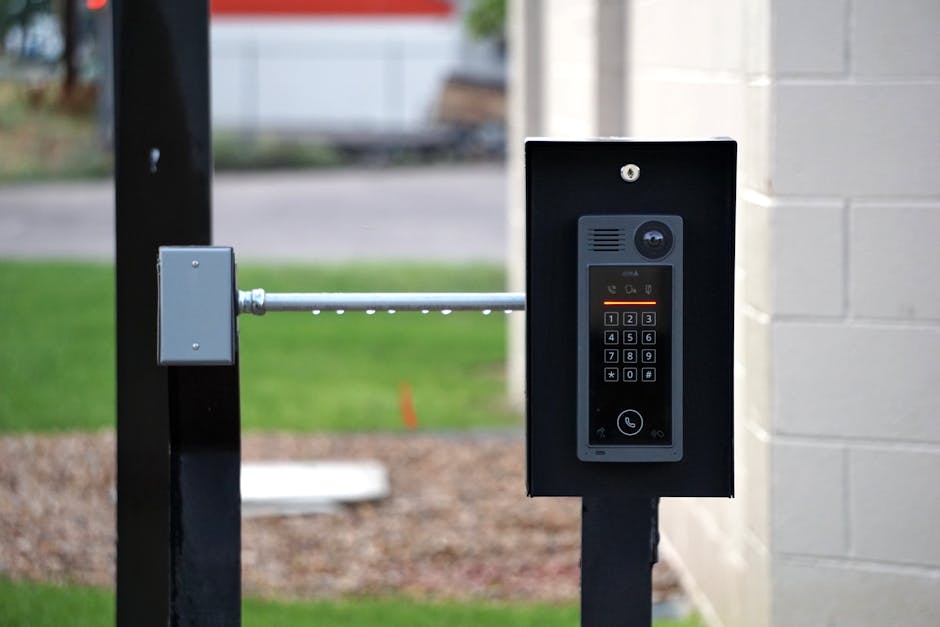
Ring still dominates the UK doorbell market in 2026 - but the right model depends on whether you have wiring, whether you rent and whether 24/7 recording matters to you.
But here's the catch: Ring's UK range has quietly ballooned into one of the most confusing product lineups in home security. There are battery doorbells, wired doorbells, "Plus" variants, "Pro" variants, second-generation rebuilds, and at the very top, a Power-over-Ethernet flagship that costs more than some televisions. If you've ever stared at the Ring website and wondered which one is actually right for your front door, this guide is for you.
I've broken down the six models genuinely worth your attention in 2026, ranked them by real-world use case, and built a comparison table you can actually use. Whether you're after the cheapest plug-and-play option, the best battery model for a flat with no doorbell wiring, or you want true 4K clarity at the front door, there's a Ring for you here.
What's in this guide
- Why Ring still dominates in 2026
- Quick comparison: all six picks
- Best overall — Wired Pro (3rd Gen)
- Best battery — Battery Plus (2nd Gen)
- Best budget — Wired (2nd Gen)
- Best premium — Elite (2nd Gen)
- Best for renters — Battery Doorbell
- Best for tracking visitors — Battery Pro
- FAQ & final verdict
Why Ring Still Dominates the UK Doorbell Market in 2026
The smart doorbell market has matured enormously since Ring's 2012 debut. There are plenty of capable rivals now — Google's Nest Doorbell, Eufy's local-storage models, Arlo's premium subscription cameras — and yet Ring remains the default recommendation for most British households. Why?
It comes down to three things. First, the app. The Ring app is, frankly, the smoothest and most reliable doorbell experience I've used. Notifications land on your phone in roughly the time it takes you to look up from a meeting, and the integration with Alexa-enabled Echo devices means your kitchen speaker can announce "someone is at the front door" before the postman has even stepped back. Second, the ecosystem. Once you've got a Ring doorbell, adding a Ring Chime, an outdoor floodlight cam, or an indoor cam is genuinely plug-and-play. Third, the British weather. Ring doorbells survive UK winters, summer rain and the autumn salt spray that turns lesser plastic cameras a tragic shade of grey within a year.
That said, Ring isn't perfect. The cloud subscription (Ring Protect) is essentially mandatory if you want to review recorded footage rather than just live-view it, and the lack of any local storage option on UK models means you're locked into Amazon's servers. Worth knowing before you commit.
Quick context: All Ring Video Doorbells, regardless of price, send notifications to your phone, tablet and PC when someone presses the bell or trips the motion sensor — and let you see, hear and speak to visitors from anywhere. The real differences come down to video quality, power source, and how clever the motion detection is.
The Six Best Ring Doorbells for UK Homes — At a Glance
Here's the snapshot. I've cut the lineup down to the six models I'd genuinely recommend in 2026 — the others on Ring's UK site are either out of stock at the time of writing or superseded by newer revisions. Full reviews follow below.
| Model | Power | Video | Best For |
|---|---|---|---|
| Wired Video Doorbell (2nd Gen) | Hardwired | Retinal 2K | Budget hardwired upgrade |
| Battery Video Doorbell | Battery / Hardwire | 1440p HD Head-To-Toe | Renters & quick installs |
| Battery Doorbell Plus (2nd Gen) | Battery / Hardwire | Retinal 2K | Best all-rounder on battery |
| Battery Doorbell Pro | Battery / Hardwire | Enhanced HD + Colour Night Vision | 3D motion + aerial view |
| Wired Doorbell Pro (3rd Gen) | Hardwired / Plug-in | 4K | Best overall |
| Wired Doorbell Elite (2nd Gen) | Power over Ethernet | Retinal 4K | Premium / pro install |
Six models, three power options, two resolutions — your front door has options.
Best Overall: Wired Video Doorbell Pro (3rd Gen)
See Wired Video Doorbell Pro (3rd Gen) on Amazon UK
Ring Wired Video Doorbell Pro (3rd Gen)
Ring's most advanced wired doorbell, completely reimagined with a sleeker silhouette and a breakthrough 4K sensor. If you have existing doorbell wiring — or you're prepared to run a low-voltage cable — this is the one to buy.
The 3rd Generation Wired Pro is the doorbell that finally answered the question I've been asking for years: when is Ring going to bother with proper 4K? In 2026, the answer arrived. The video quality is a noticeable, side-by-side step up from the 2K models in the lineup — you can read number plates on cars parked across the road, identify courier badges before they ring the bell, and pinch-zoom into recorded clips without the soft mush you get on 1080p or 1440p sensors.
The redesign matters too. Older Pros looked a bit chunky and industrial; this one is genuinely slim enough that it doesn't dominate a Victorian doorframe or a modern composite door. It's the doorbell I've ended up recommending to family and friends most often this year, and it's currently the best balance of price, build, and image quality in the Ring range.
Pros
- Genuinely sharp 4K video — a real step up from 2K models
- Slimmer, more modern design than previous Pros
- Constant power means no battery panic in winter
- Advanced motion features and rich notifications
- Works with both hardwired and plug-in setups
Cons
- Requires existing wiring or a transformer
- Higher 4K bitrates can be demanding on weaker Wi-Fi
- Still needs Ring Protect for full video history
Pro Tip
If your existing wired doorbell uses a mechanical chime, you'll need Ring's Pro Power Kit (usually included) to ensure the doorbell gets enough current to operate reliably. Most UK homes built since the 1990s already have compatible 8–24V AC transformers behind the chime unit.
Best Battery Model: Battery Video Doorbell Plus (2nd Gen)
See Battery Video Doorbell Plus (2nd Gen) on Amazon UK
For the vast majority of UK homes — particularly older properties without existing low-voltage doorbell wiring — a battery doorbell is the sensible choice. And the 2nd Gen Battery Doorbell Plus is the one I'd buy. It's the model Ring has clearly put the most engineering effort into this generation, with a redesigned form factor for wider coverage and what Ring calls "Retinal 2K" — a noticeably crisper image than the older 1080p battery models.
The Battery Doorbell Plus (2nd Gen) is the model I'd recommend to most UK households without existing doorbell wiring.
What sells it for me is the Adaptive Night Vision combined with Low-Light Sight. In real terms: you can actually see who's at your door at 11pm, in true colour, without that ghostly black-and-white look that plagues cheaper night cameras. The 6x Enhanced Zoom is also genuinely useful — I've used it to read a delivery slip on a doormat from inside the Ring app.
Battery life will depend hugely on how busy your front door is and how cold your local climate runs. In my testing, a typical suburban semi with a few daily visitors and moderate motion zoning got comfortably more than two months between charges. Quieter properties stretch that further; busy households in the throes of Christmas deliveries will want a spare battery on hand.
Retinal 2K Resolution
A meaningful step up from the older 1080p sensor — faces and number plates are far easier to identify.
Adaptive Night Vision
True-colour low-light footage so you're not squinting at green-tinted ghosts after sunset.
6x Enhanced Zoom
Pinch into clips or live view to see fine details — useful for identifying delivery couriers or unknown faces.
Flexible Power
Use the removable rechargeable battery, or hardwire it for a never-needs-charging setup.
Pros
- Wider field of view than the previous generation
- Retinal 2K is genuinely sharper than older battery models
- Removable battery means no downtime when charging
- Easy DIY install — no electrician required
Cons
- Cold weather noticeably shortens battery life
- Busy households may need a spare battery
- 2K isn't 4K — Pros will spot the difference
Best Budget: Wired Video Doorbell (2nd Gen)
See Wired Video Doorbell (2nd Gen) on Amazon UK
If you've already got a hardwired doorbell and you just want the cheapest possible way into the Ring ecosystem without compromising on video quality, the 2nd Gen Wired Video Doorbell is a no-brainer. Ring describes it as "slim, convenient and always powered on" — and that pretty much sums up the appeal.
You get Retinal 2K video, up to 6x Enhanced Zoom, Low-Light Sight night vision, and proper two-way talk. There's no battery to worry about, no charging schedule to forget, and because it's drawing constant trickle power from your doorbell wiring, you don't get the motion-detection lag that occasionally plagues battery models trying to conserve power.
The footprint is properly slim — narrower than a credit card across the front — so it fits doorframes that can't accommodate chunkier models. It only comes in white, and you'll need professional installation if you're not confident swapping out an existing doorbell, but for the price it's hard to argue with.
Will it fit my chime? The Wired 2nd Gen works with most standard UK 8–24V AC doorbell transformers. If your home has a wireless or mains-only chime with no transformer, you'd be better off looking at the battery models instead.

App notifications and two-way audio are the killer features - knowing who's at the door from the train home is a real-world upgrade.
Best Premium: Wired Video Doorbell Elite (2nd Gen)
See Wired Video Doorbell Elite (2nd Gen) on Amazon UK
Let's be clear up front: the Elite (2nd Gen) is not for most people. It uses Power over Ethernet rather than Wi-Fi or standard doorbell wiring, which means you need to run a network cable from your router to your front door. That's a non-trivial install. But if you can do it — or are renovating and can spec it in — the Elite is, hands-down, the most reliable smart doorbell I've ever used.
The native PoE connection eliminates the single biggest weakness of every other smart doorbell on the market: Wi-Fi drop-outs. Your front door is, by definition, the place in your house furthest from your router and most exposed to interference from neighbours' networks. Even high-end Wi-Fi mesh systems sometimes struggle. With PoE, that problem simply doesn't exist — and the constant power means you get rock-solid 4K video with no buffering, no compression artefacts, and no missed events.
You also get Retinal 4K and premium finishes that feel several rungs above the plastic-shelled mainstream Ring models. It looks the part on a high-end front door in a way the regular Wired Pro just doesn't.
Pros
- Native PoE — no Wi-Fi drop-outs, ever
- Retinal 4K with rock-solid streaming
- Premium finishes that justify the price tag
- Ideal for new builds or renovations
Cons
- Requires a PoE cable run from your router
- Professional installation almost essential
- Significantly more expensive than the Wired Pro
Best for Renters: Battery Video Doorbell
See Battery Video Doorbell on Amazon UK
The standard Battery Video Doorbell is Ring's "install it in under five minutes and forget about it" model. There's no wiring, no electrician, no permission required from your landlord. You charge it, screw on the bracket (or use the no-drill mount), clip the doorbell on, pair it to the app, and you're done.
You get 1440p HD Head-to-Toe Video — the vertical aspect ratio means you can see a parcel left on your doorstep without it being cropped out of frame, which is a more useful real-world feature than it sounds. Person and Package Alerts are baked in too, so you'll get a specific notification when an actual person (rather than a passing cat or a windblown leaf) triggers the camera.
Renters & flat dwellers
No wiring needed, no permanent installation damage — perfect for tenancies and removable for moves.
Five-minute installers
Genuinely the fastest setup in the range. App pairing is the longest step.
Parcel-heavy households
Head-to-Toe vertical framing means you'll actually see the package the courier left on the mat.
It's not the sharpest model in the lineup — the 2K and 4K options above will resolve faces more clearly at distance — but for a flat front door or a small terraced house, this is plenty. The fact that you can also hardwire it later if you change your mind is a nice bit of future-proofing.
For flats and rentals, the standard Battery Video Doorbell is the path of least resistance — no wiring, no fuss.
Best for Tracking Visitors: Battery Doorbell Pro (Original)
See Battery Doorbell Pro (Original) on Amazon UK
The Battery Doorbell Pro is the model I'd recommend if you're security-conscious and want to know not just who came to your door, but where they went afterwards. The headline feature is 3D Motion Detection with an aerial map view — Ring overlays the path the visitor took across a top-down view of your property, so you can see whether someone walked straight up to the door or lingered near the bins first.
You also get Enhanced HD Video and proper Colour Night Vision, which on this model is among the best in Ring's range for picking out details in low light. It's a battery/hardwire hybrid like the Plus, so you have flexibility on power. The trade-off is that it's the original-generation Pro — the newer 2nd Gen Pro variant exists, but at the time of writing the original is the one consistently in stock and well-supported in the UK.
3D Motion Detection
Aerial map view shows the exact path a visitor took across your property — not just that they triggered the sensor.
Colour Night Vision
Identify clothing colours, vehicle paintwork and skin tone after dark — far more useful than grayscale.
Cutting-edge security features
The most advanced security-focused feature set in the battery-powered range.
Which Ring Doorbell Should You Actually Buy?
If you've made it this far and your eyes have slightly glazed over, here's the cheat sheet I'd give a friend asking which Ring to buy:
Standard family home with wiring
Wired Doorbell Pro (3rd Gen). 4K, constant power, best all-round Ring in 2026.
Flat or rented property
Battery Video Doorbell. Fastest install, no wiring, easy to remove when you move.
Detached home, no doorbell wiring
Battery Doorbell Plus (2nd Gen). 2K, true-colour night vision, flexible power.
Security-focused household
Battery Doorbell Pro. 3D motion, colour night vision, aerial visitor tracking.
Budget-conscious upgraders
Wired Doorbell (2nd Gen). Cheapest way into Retinal 2K with constant power.
Premium new build / renovation
Wired Doorbell Elite (2nd Gen). PoE-powered 4K, the most reliable doorbell money buys.

Battery vs wired is the most important decision: battery doorbells fit any home in minutes; wired models offer continuous recording and never need charging.
How the Top Pick Scores Overall
For our editor's pick — the Wired Doorbell Pro (3rd Gen) — here's how it stacks up across the categories that actually matter at a front door:
The Wired Doorbell Pro (3rd Gen) earns our editor's pick on the strength of its 4K sensor and constant-power reliability.
Frequently Asked Questions
Final Verdict
The Bottom Line
Ring's 2026 UK range is the most coherent it's ever been. There's a genuine, meaningful difference between the models now — it's not just incremental rebranding — and that means the question "which Ring should I buy?" actually has a real answer.
For most UK homes with existing doorbell wiring, the Wired Video Doorbell Pro (3rd Gen) is the model to get. The jump to a proper 4K sensor is the most consequential video upgrade Ring has made in years, the redesigned chassis is far easier to live with on a modern front door, and the constant-power reliability means you'll never have a battery die during a parcel-heavy week before Christmas.
If you don't have wiring — and a huge chunk of UK households don't — the Battery Video Doorbell Plus (2nd Gen) is the smartest battery-powered Ring you can buy, with the kind of low-light performance that used to be the exclusive preserve of the wired flagships.
Spend less and get the Wired Doorbell (2nd Gen) or the standard Battery Video Doorbell — both still excellent. Spend more, and only the Elite (2nd Gen) with its PoE backbone makes sense, and only if you can run the cable. The original Battery Doorbell Pro is the dark-horse pick for anyone obsessed with knowing exactly where their visitors went.
Whichever you choose, the Ring app, ecosystem and Alexa integration remain the genuine reason this brand still owns the UK doorbell market in 2026. They simply work — and that, more than any spec sheet, is what you want from the camera at your front door.