
Apple iPhone 17 Review: The Base iPhone Finally Feels Properly Flagship
With a 6.3-inch 120Hz ProMotion OLED display, Always-On support, a brighter Ceramic Shield 2 front, 256GB starting storage and meaningful battery gains, the iPhone 17 is no longer the “sensible but slightly compromised” choice.
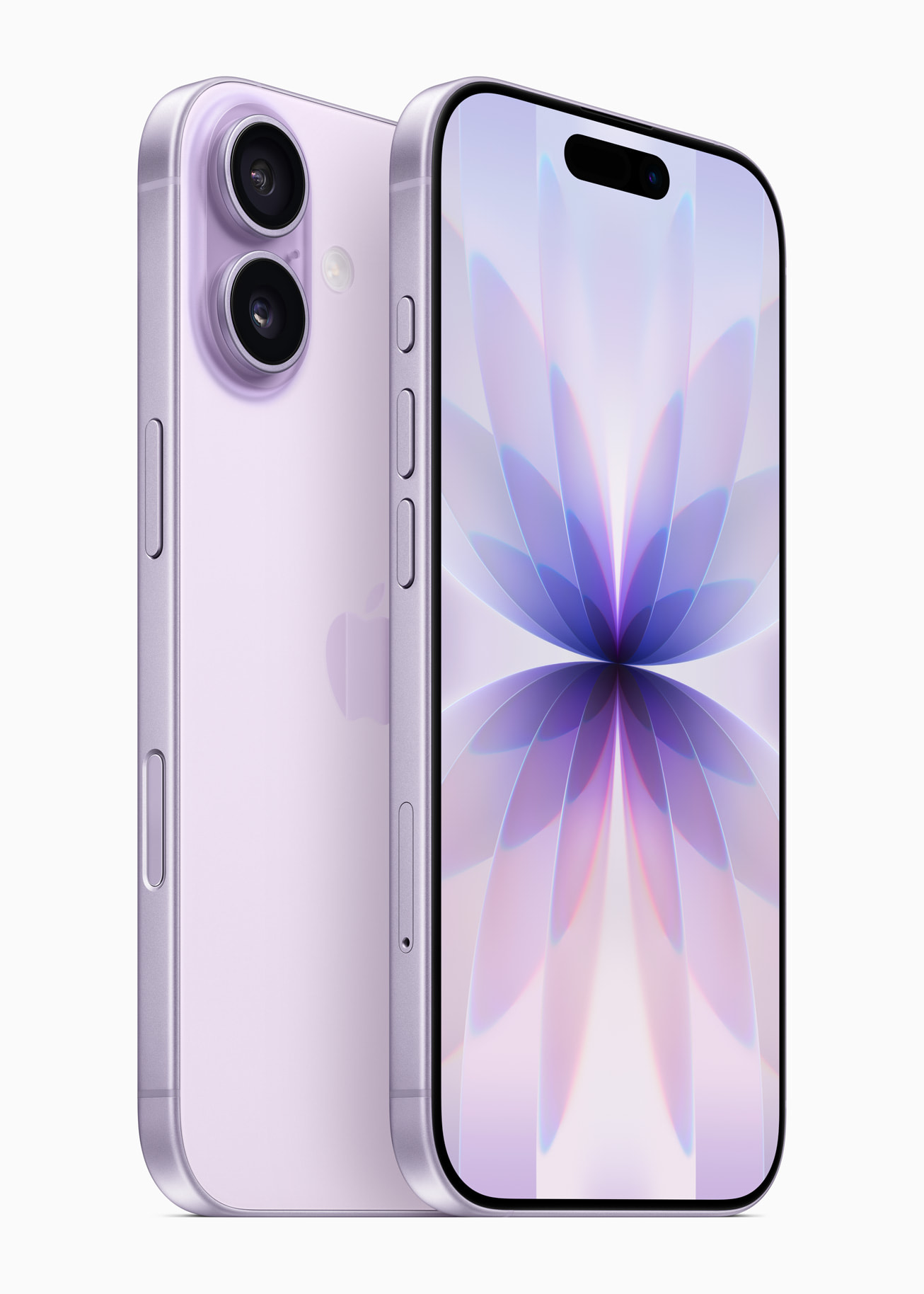
The iPhone 17 is the most substantial upgrade to Apple’s standard iPhone formula in years.
The iPhone 17 is the model I suspect a lot of people were quietly waiting for. Not because it is the flashiest iPhone in Apple’s September 2025 line-up — that title is fought over by the super-thin iPhone Air and the camera-heavy iPhone 17 Pro Max — but because the regular iPhone has finally inherited features that used to make the Pro models feel distinctly more premium. A 120Hz ProMotion display on the base iPhone? Always-On Display? 256GB as the entry storage? Faster wired charging? Those are everyday upgrades, not spec-sheet decorations.
Apple’s September 2025 iPhone family has four main models: the iPhone 17, iPhone Air, iPhone 17 Pro and iPhone 17 Pro Max. This review focuses primarily on the standard iPhone 17, whilst bringing in the Air and Pro models where they help explain which one you should actually buy. The short version: the iPhone 17 is the sweet spot for most people, the iPhone Air is the style-first option, and the Pro models remain the choice for demanding camera users, gamers and anyone who wants Apple’s highest sustained performance.
In this review
- What changed with the iPhone 17
- Full key specifications
- Design, display and durability
- A19 performance and thermal behaviour
- Camera system and video features
- Battery life, charging and connectivity
- iOS 26, Apple Intelligence and security
- iPhone 17 vs Air, Pro and Pro Max
- Pros, cons, rating and final verdict
- Frequently asked questions
1. iPhone 17 at a glance
The standard iPhone 17 is built around Apple’s A19 chip, paired with 8GB of RAM and a 5-core Apple GPU. The headline upgrade, though, is the display: a 6.3-inch OLED panel with dynamic 120Hz ProMotion refresh rate, a 2622×1206 resolution at 460ppi, Always-On functionality and up to 3,000 nits peak outdoor brightness. That is a big jump from the iPhone 16’s 2,000-nit outdoor peak and, more importantly, it finally brings the smoothness of ProMotion to the non-Pro iPhone.
Storage also starts in a much more comfortable place. The 128GB tier has gone, leaving 256GB and 512GB options. I think that matters more than it sounds. Photos, 4K video, offline streaming downloads and increasingly large apps can make 128GB feel tight over a two- or three-year ownership cycle. Starting at 256GB makes the iPhone 17 feel more future-proof without immediately pushing typical buyers towards a higher tier.
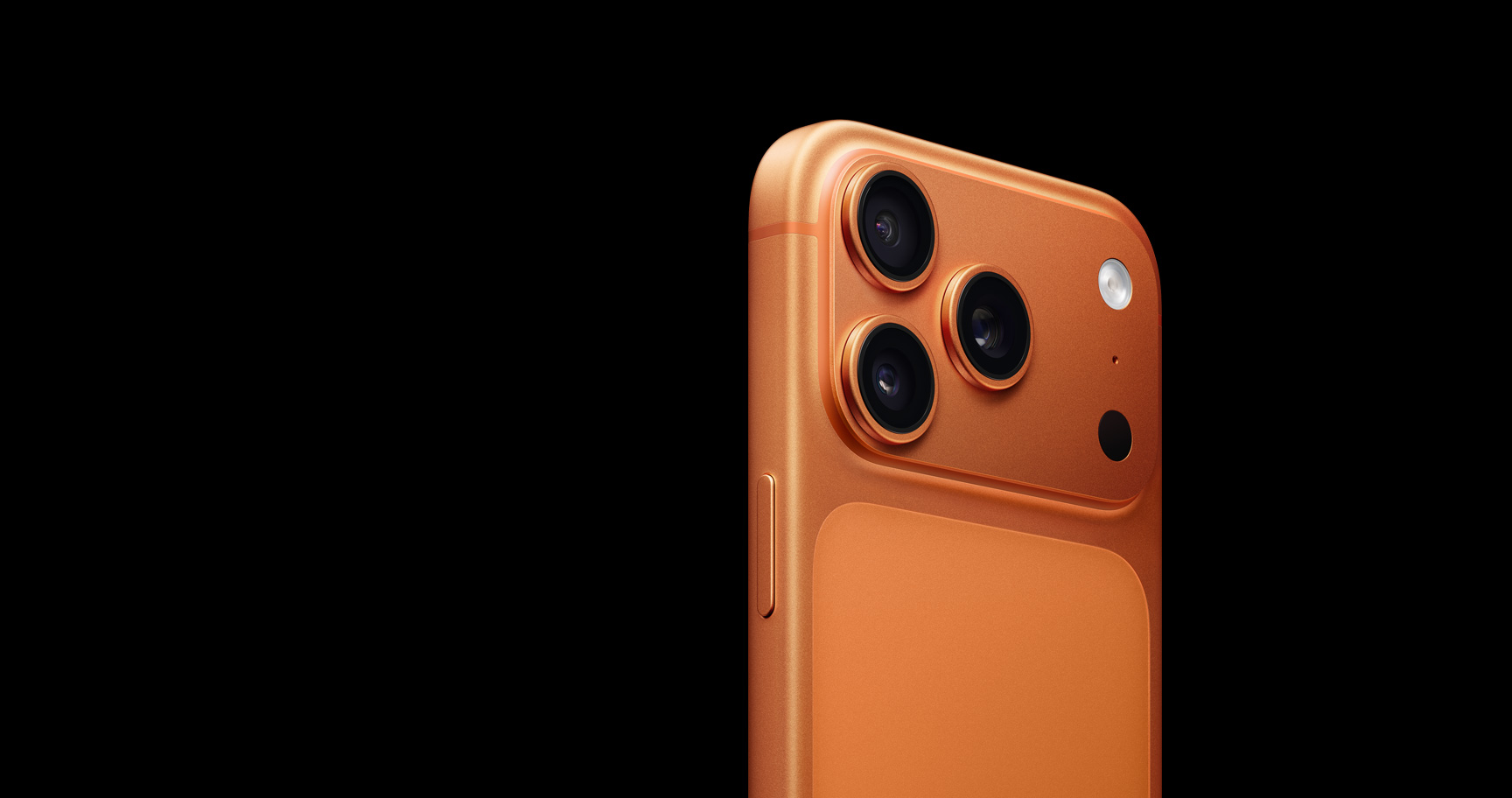
The standard iPhone 17 combines several upgrades that previously felt reserved for Pro buyers.
Physically, the iPhone 17 weighs 177g and is 8mm thick. It keeps IP68 water and dust resistance, rated for a maximum depth of 6 metres for up to 30 minutes under IEC standard 60529. The front uses Ceramic Shield 2, which Apple says offers 3× better scratch resistance than the iPhone 16. Around the back, the camera system pairs a 48MP Fusion Main camera with a 48MP Fusion Ultra Wide, and the main sensor also enables a 12MP optical-quality 2× telephoto option.
The iPhone 17 also moves the everyday convenience story forward. Wired charging supports up to 50% in 20 minutes with Apple’s 40W Dynamic Power Adapter, and MagSafe wireless charging reaches up to 25W with a 30W adapter or higher. It is eSIM-only worldwide, uses USB-C with video out up to 4K HDR, and runs iOS 26 with Apple’s Liquid Glass design language.
2. The iPhone 17 range: which model is this really competing with?
The iPhone 17 does not exist in isolation, and Apple’s 2025 line-up is more interesting than usual. The iPhone Air is the fashion-forward newcomer: 5.6mm thick, 165g, with a polished titanium frame, 6.5-inch display and A19 Pro chip. It is Apple’s thinnest iPhone ever, and there is something undeniably appealing about a phone that feels almost unreal in the hand. But it makes clear compromises, including a single rear 48MP Fusion camera, weaker battery and camera depth compared with the iPhone 17, and weaker speakers.
The iPhone 17 Pro and iPhone 17 Pro Max sit above both. They use the A19 Pro with 12GB of RAM, add a vapor chamber cooling system, and move to a new aluminium single-piece unibody design. The Pro has a 6.3-inch Super Retina XDR display, weighs 206g and is 8.8mm thick. The Pro Max goes bigger with a 6.9-inch display, a 4,832mAh battery, Apple-rated video playback of up to 39 hours, up to 2TB storage and the strongest battery claim in the range. Both Pro models bring a 48MP Pro Fusion camera system with triple cameras and 8× optical-quality zoom.
iPhone 17
The balanced flagship: A19 chip, 6.3-inch 120Hz OLED, 48MP dual-camera system, 3,692mAh battery and 256GB starting storage.
iPhone Air
The slim statement piece: 5.6mm thick, 165g, titanium frame, A19 Pro, 6.5-inch display and single 48MP rear camera.
iPhone 17 Pro
The compact Pro: 6.3-inch display, A19 Pro, 12GB RAM, vapor chamber cooling, aluminium unibody and 8× optical-quality zoom.
iPhone 17 Pro Max
The endurance flagship: 6.9-inch display, 4,832mAh battery, up to 39 hours video playback, up to 2TB storage and Pro camera hardware.
That makes the iPhone 17’s role very clear. It is the iPhone for people who want the big quality-of-life upgrades without buying into the heavier Pro body or the Air’s camera and battery compromises. In previous generations, the standard iPhone could feel like the one you bought because you did not want to pay more. This time, it feels like a deliberate, confident choice.
3. Design, display and durability
The display is the iPhone 17’s biggest everyday win. A 6.3-inch OLED panel is a lovely size for a mainstream phone: large enough for maps, browsing, messaging and video, but not so large that it becomes a two-handed slab for everything. The 2622×1206 resolution works out at 460ppi, so text and interface elements look crisp, and the jump to dynamic 120Hz ProMotion is the kind of change you notice every time you scroll.
If you are coming from an older standard iPhone, this is likely to be the upgrade that makes the phone feel instantly newer. Menus glide, web pages feel more responsive, and even mundane actions like pulling down Control Centre or flicking through Photos feel calmer and more fluid. It is not just about gaming or fast animation; it changes the perceived speed of the whole phone.
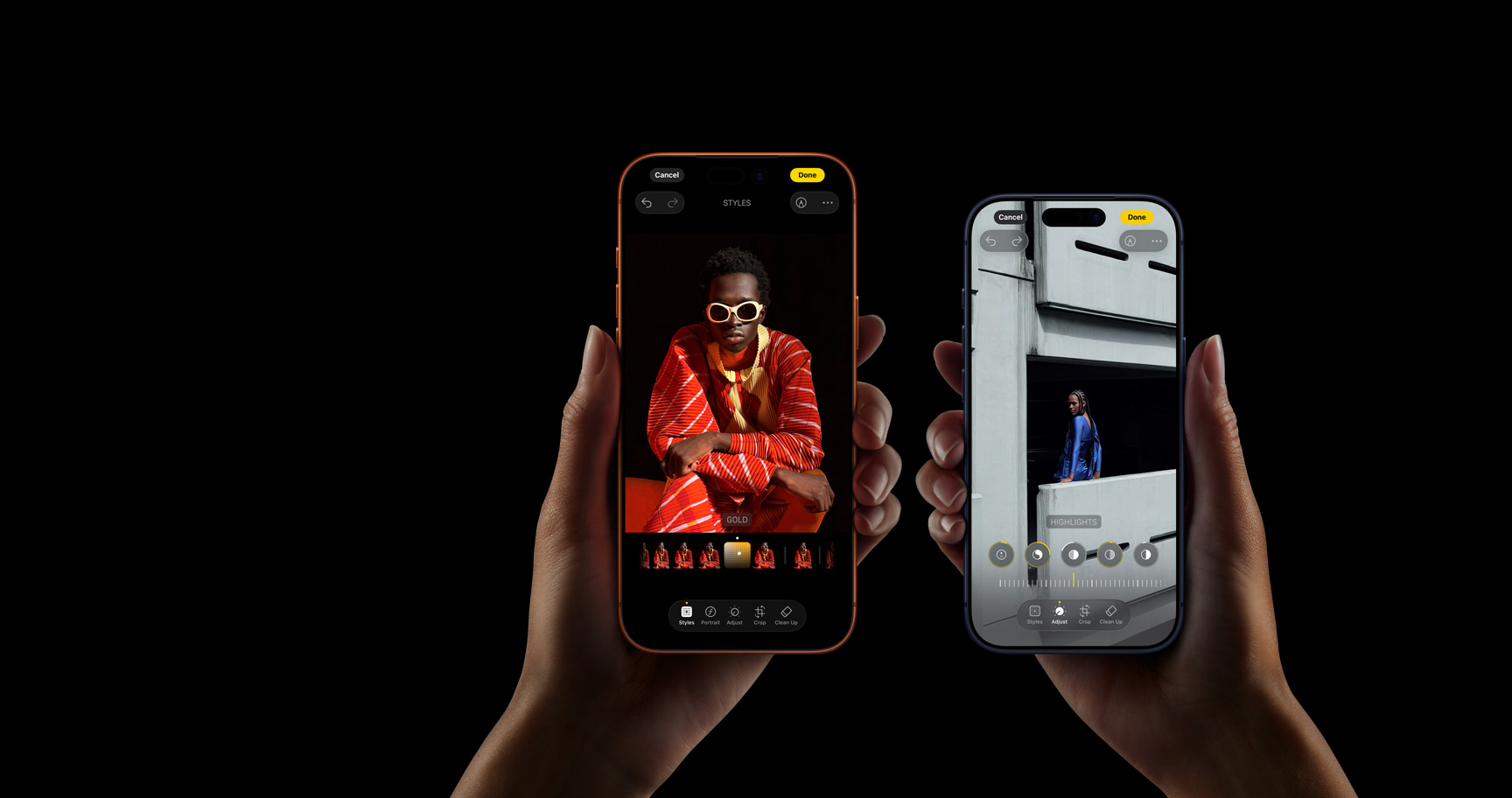
The 6.3-inch ProMotion OLED display is the feature that most changes the feel of the regular iPhone.
Always-On Display also matters. It is easy to dismiss until you live with it, but being able to glance at the time, widgets and notifications without fully waking the phone is genuinely useful at a desk, on a bedside table or when your phone is propped up in the kitchen. Apple had kept this kind of display behaviour as a Pro differentiator for too long, so seeing it on the standard iPhone 17 is a welcome correction.
Brightness is another major upgrade. The iPhone 17 reaches 3,000 nits peak outdoor brightness, compared with 2,000 nits on the iPhone 16. That extra headroom is most useful in harsh sunlight, where phones can otherwise become squinty mirrors. Typical brightness is 1,000 nits and HDR peak brightness is 1,600 nits, so it is not only an outdoor phone; it is also well equipped for HDR video and bright interface elements.
Durability has been improved too. Ceramic Shield 2 on the front is rated for 3× better scratch resistance than the iPhone 16, and the phone carries IP68 protection against water and dust. As ever, I would still use a case if you are prone to dropping phones on paving stones, but the combination of brighter glass, better scratch resistance and water resistance makes the iPhone 17 feel well suited to daily life rather than just showroom handling.
4. Performance: A19 is more than enough for most people
The iPhone 17 uses Apple’s A19 system-on-chip with a 5-core Apple GPU and 8GB of RAM. The Pro, Pro Max and Air step up to A19 Pro with 12GB of RAM, and the Pro models also add vapor chamber cooling for better sustained performance. That distinction matters if you play demanding games for long sessions, edit heavy video projects or routinely push your phone hard for creative work. For normal day-to-day use, though, the standard A19 should be comfortably quick.
In my experience with recent Apple chips, the point is rarely whether the current standard iPhone feels fast on day one — it does. The more useful question is whether it has enough headroom to keep feeling fast over several iOS releases. The iPhone 17’s combination of A19 and 8GB RAM gives it a much stronger starting point than older base iPhones, especially now that Apple Intelligence features are part of the modern iPhone experience.
The GPU split is worth noting. The iPhone 17 and iPhone Air use a 5-core Apple GPU configuration, whilst the iPhone 17 Pro and Pro Max use the 6-core GPU. If you are buying primarily for graphics-heavy games, the Pro models have the more capable hardware. The standard iPhone 17, however, gets the display upgrade that makes all interactions feel smoother, and for many people that will be more noticeable than the extra Pro GPU core.
The A19 chip gives the iPhone 17 plenty of everyday performance, whilst the Pro models add more headroom for sustained workloads.
Gadget Scout insight
If your main uses are messaging, photography, social apps, maps, streaming, banking, browsing and occasional gaming, the iPhone 17’s A19 chip is the sensible choice. If you regularly push your phone with long gaming sessions or intensive content creation, the iPhone 17 Pro’s vapor chamber cooling is the more meaningful upgrade than the chip name alone.
The iPhone Air is the fascinating exception in the range. It has A19 Pro-level silicon and 12GB of RAM inside a 5.6mm body, which sounds extraordinary — and as a piece of engineering, it is. But ultra-thin phones have limited room to move heat away from the chip. Testing found that iPhone Air performance decreased substantially over brief test durations, presumably due to thermal throttling. That does not make the Air a bad phone, but it does reinforce the idea that “Pro chip” and “Pro sustained performance” are not always the same thing.
The iPhone 17 Pro’s vapor chamber, by contrast, is explicitly designed to move heat away from the A19 Pro chip. Deionized water sealed inside the chamber helps transfer heat through the device, allowing higher sustained performance. That is the kind of feature you may never see directly, but you feel it when a phone stays responsive during extended workloads.
5. Cameras: dual 48MP sensors are the right upgrade
The iPhone 17 has a 48MP Fusion Main camera with a 26mm focal length, f/1.6 aperture, sensor-shift optical image stabilisation and 100% Focus Pixels. It is paired with a 48MP Fusion Ultra Wide camera with a 13mm focal length, f/2.2 aperture, 120-degree field of view and Hybrid Focus Pixels. On paper, this is a sensible, flexible dual-camera system: a strong main camera, a proper high-resolution ultra wide, and a 12MP optical-quality 2× telephoto option from the main sensor at 52mm.
That 2× option is important. I still prefer a dedicated telephoto lens for portraits, gigs, travel details and anything where you physically cannot get closer, but a good 2× crop from a 48MP main sensor is often the most used “zoom” on a phone. It gives faces a more natural perspective than the wide camera, helps isolate subjects, and avoids the exaggerated look you can get when photographing people too close with a standard wide lens.
The ultra wide upgrade is also welcome. Ultra wide cameras can be the weak link on mainstream phones, especially indoors or in lower light, so having a 48MP Fusion Ultra Wide rather than a token secondary sensor makes the iPhone 17 feel like a stronger travel and family camera. It is the lens you use for architecture, cramped rooms, landscapes and group shots where stepping back is not an option.
The iPhone 17 keeps a dual-camera approach but upgrades both rear cameras to 48MP Fusion sensors.
Video features remain a major part of the iPhone appeal. The iPhone 17 supports Dual Capture, allowing simultaneous front and rear video, which is handy for reactions, travel clips, interviews and social content. The USB-C port can output video up to 4K HDR, giving the phone more flexibility when connected to external displays or capture workflows.
The front camera is an 18MP unit with Center Stage. This is one of those features that sounds like a small convenience until you use video calls frequently. Center Stage can help keep you framed more naturally, and the higher-resolution front camera is useful for selfies, vlogging-style clips and FaceTime.
The main camera also enables a 12MP optical-quality 2× telephoto mode. That gives the standard iPhone 17 more framing flexibility, but it is not the same as the Pro models’ triple-camera system with 8× optical-quality zoom.
So who should move up to the Pro cameras? If you frequently shoot sports, stage performances, wildlife, distant architecture, or you simply love compressed telephoto portraits, the iPhone 17 Pro and Pro Max are still meaningfully ahead. Their 48MP Pro Fusion triple-camera system includes Wide, Ultra Wide and Telephoto cameras, and 8× optical-quality zoom is the longest iPhone telephoto Apple has offered. For everyday family, travel, food, pets, landscapes and social video, the iPhone 17’s camera system is much more compelling than the old “base model” label suggests.
6. Battery life, charging and connectivity
Battery life is another area where the iPhone 17 takes a noticeable step forward. The phone has a 3,692mAh battery and is rated for up to 30 hours of video playback, which is 8 more hours than the iPhone 16. That puts the iPhone 16 at 22 hours by the same Apple-rated video playback comparison, so this is not a tiny year-on-year gain. It is the difference between a phone that gets through the day and one that gives you more confidence when you are travelling, commuting, navigating or using the camera heavily.
The iPhone 17 Pro Max remains the battery champion, with a 4,832mAh battery and up to 39 hours of video playback. If you are the sort of person who forgets to charge overnight, uses hotspot constantly or spends long days away from a plug, the Pro Max has the clearest endurance advantage. But the standard iPhone 17’s 30-hour video rating is strong enough that most buyers should not feel pushed upwards solely for battery reasons.
The iPhone 17’s battery rating is a meaningful jump over the iPhone 16, even if the Pro Max remains the endurance king.
Charging is better too. The iPhone 17 supports 40W wired fast charging, reaching up to 50% in 20 minutes with Apple’s 40W Dynamic Power Adapter, sold separately. That is the first time this level of wired charging has appeared on a non-Pro iPhone model. MagSafe wireless charging goes up to 25W when used with a 30W power adapter or higher.
Connectivity is thoroughly modern. The iPhone 17 uses Qualcomm’s Snapdragon X80 modem rather than Apple’s C1X modem, and it includes Apple’s N1 networking chip. You get Wi‑Fi 7, Bluetooth 6.0, Thread, 5G and eSIM. The eSIM-only worldwide approach is worth highlighting: there is no physical SIM tray. For many UK users this is increasingly normal, but if you regularly swap physical SIMs when travelling, you will need to adjust your routine.
The USB-C port supports video out up to 4K HDR. That is handy if you use your phone for presentations, hotel-room streaming, quick photo review on a larger screen or creator workflows. It is not a glamorous feature, but it makes the iPhone feel more like a proper computing device rather than a closed-off accessory.
7. iOS 26, Apple Intelligence and security
The iPhone 17 ships with iOS 26 and Apple’s Liquid Glass design language. Design changes are always subjective, and Apple’s visual refreshes tend to split opinion at first, but the more important point is that the iPhone 17 has the hardware base to support the current iOS direction. Apple Intelligence is part of the feature set, alongside Visual Intelligence, Call Screening, Messages via satellite, Crash Detection and Emergency SOS via satellite.
Apple’s Action Button and Camera Control are present too. I am particularly fond of hardware controls on phones because they reduce the need to dig through software for common actions. The Action Button can make the phone feel more personal, whilst Camera Control is useful if you take a lot of photos and want quicker access to shooting controls.
Apple Intelligence
The iPhone 17 supports Apple’s intelligence features, helped by the A19 chip and 8GB RAM foundation.
Visual Intelligence
Built into the broader iOS 26 experience for interpreting and acting on what you see through the phone.
Satellite safety features
Messages via satellite and Emergency SOS via satellite add reassurance when mobile coverage is unavailable.
Memory Integrity Enforcement
Hardware-and-OS memory safety defence adds a deeper layer of security protection.
Security deserves more attention than it usually gets in phone reviews. The iPhone 17 includes Memory Integrity Enforcement, a hardware-and-OS memory safety defence. That is not a flashy feature you will show your mates in the pub, but it is exactly the sort of behind-the-scenes protection that matters when phones hold banking apps, IDs, private messages, photos, work accounts and location history.
There is also the broader Apple ecosystem argument. If you already use an Apple Watch, AirPods, iCloud Photos, a Mac or an iPad, the iPhone 17 slots in with very little friction. That is not new, but the difference this year is that the base iPhone itself feels less compromised. You no longer have to buy a Pro model just to get the smooth display experience that makes iOS feel at its best.
8. Check current deals
9. iPhone 17 vs iPhone Air vs iPhone 17 Pro vs Pro Max
This is the decision most buyers will actually face. The iPhone 17 is the practical all-rounder. The iPhone Air is the design object. The iPhone 17 Pro is the compact performance and camera phone. The iPhone 17 Pro Max is the big-screen, big-battery flagship. None of them is automatically “best” for everyone, because each model makes a different promise.
The iPhone 17 range splits neatly into balanced, ultra-thin, compact Pro and maximum-endurance options.
| Feature | iPhone 17 | iPhone Air | iPhone 17 Pro | iPhone 17 Pro Max |
|---|---|---|---|---|
| Positioning | Standard flagship with major display and battery upgrades | Apple’s thinnest iPhone ever | Compact Pro flagship | Ultimate flagship with best iPhone battery life |
| Chip | A19 | A19 Pro | A19 Pro | A19 Pro |
| RAM | 8GB | 12GB | 12GB | 12GB |
| Display | 6.3-inch OLED, 120Hz ProMotion, Always-On | 6.5-inch display | 6.3-inch Super Retina XDR, ProMotion, Always-On | 6.9-inch display |
| Weight and thickness | 177g; 8mm | 165g; 5.6mm | 206g; 8.8mm | Large-screen flagship body |
| Rear cameras | 48MP Main + 48MP Ultra Wide; 12MP optical-quality 2× | Single 48MP Fusion camera | 48MP Pro Fusion triple-camera system; 8× optical-quality zoom | 48MP Pro Fusion triple-camera system; 8× optical-quality zoom |
| Battery | 3,692mAh; up to 30h video playback | 3,149mAh | Pro-class performance focus | 4,832mAh; up to 39h video playback |
| Storage | 256GB, 512GB | 256GB, 512GB, 1TB | 256GB, 512GB, 1TB | Up to 2TB |
| Best for | Most people who want a modern iPhone without Pro bulk | Buyers prioritising thinness and lightness | Power users wanting a smaller Pro | Battery, big-screen and maximum storage buyers |
The most tempting alternative to the iPhone 17 is probably the iPhone Air. It is lighter at 165g versus 177g and dramatically thinner at 5.6mm versus 8mm. It also has the A19 Pro and 12GB RAM. But the Air’s single rear camera and weaker battery position make it a more specialised choice. If you want the most elegant hardware object, the Air has obvious appeal. If you want the more rounded phone, the iPhone 17 is easier to recommend.
The iPhone 17 Pro is a different kind of upgrade. It is heavier at 206g and thicker at 8.8mm, but you get A19 Pro, 12GB RAM, vapor chamber cooling, a Ceramic Shield back rated 4× more crack-resistant, Ceramic Shield 2 on the front, and the 48MP Pro Fusion triple-camera system with 8× optical-quality zoom. That is a real step up for creators and enthusiasts.
The Pro Max is the easy recommendation for people who value screen size and battery above all else. A 6.9-inch display, 4,832mAh battery, up to 39 hours of video playback and storage up to 2TB make it the most capable iPhone in the range. It is also the least pocket-friendly by nature, so the standard iPhone 17 remains the nicer everyday carry for many people.
Buy the iPhone 17 if...
You want the new 120Hz display, strong battery life, dual 48MP cameras and modern iOS features without moving to a heavier Pro phone.
Buy the iPhone Air if...
You care most about thinness, lightness and design, and you are happy with a single rear camera and a more style-led compromise.
Buy Pro or Pro Max if...
You need 8× optical-quality zoom, stronger sustained performance, more storage headroom or the Pro Max’s best-in-range battery life.
10. Pros, cons, rating and verdict
The iPhone 17’s biggest achievement is that it makes the standard iPhone exciting again. Not flashy, necessarily, but properly complete. ProMotion and Always-On Display fix the most obvious feature gap. The 3,000-nit outdoor peak brightness is a practical improvement. The 30-hour video playback rating is a meaningful jump. Starting at 256GB storage makes more sense for modern phone use. And the dual 48MP camera system gives the regular model enough photographic flexibility for most people.
Pros
- 6.3-inch OLED finally gets 120Hz ProMotion on a non-Pro iPhone.
- Always-On Display makes the regular iPhone feel far more premium.
- 3,000-nit peak outdoor brightness is a clear jump over the iPhone 16’s 2,000 nits.
- 256GB starting storage is much more sensible than 128GB for long-term use.
- Up to 30 hours of video playback, 8 hours more than iPhone 16.
- Dual 48MP rear cameras, including a 48MP Ultra Wide and 2× optical-quality option.
- Wi‑Fi 7, Bluetooth 6.0, Thread, 5G, USB-C and 4K HDR video out.
- Ceramic Shield 2 front with 3× better scratch resistance than iPhone 16.
Cons
- No Pro triple-camera system or 8× optical-quality zoom.
- A19 uses a 5-core GPU rather than the Pro models’ 6-core GPU.
- 8GB RAM trails the 12GB offered by iPhone Air and the Pro models.
- eSIM-only worldwide design may frustrate frequent physical SIM swappers.
- The iPhone 17 Pro Max still has a sizeable battery-life advantage.
- The 40W adapter needed for the fastest wired charging is sold separately.
The iPhone 17 is the easiest model in the range to recommend to most buyers.
Gadget Scout verdict
The Apple iPhone 17 is the standard iPhone coming of age. It does not beat the Pro models for zoom, sustained performance or maximum battery life, and it cannot match the iPhone Air’s astonishing 5.6mm thinness. But as a complete everyday phone, it lands beautifully: smooth 120Hz display, Always-On convenience, strong brightness, better storage, improved charging, excellent connectivity and a flexible 48MP dual-camera system.
If you want the most balanced iPhone from Apple’s September 2025 line-up, this is it. I would only move up to the Pro models if you know you need the triple-camera system, 8× optical-quality zoom, vapor chamber cooling or Pro Max battery life. For everyone else, the iPhone 17 is the one I would start with.